National Museum of China
historicalBeijing

National Museum of China

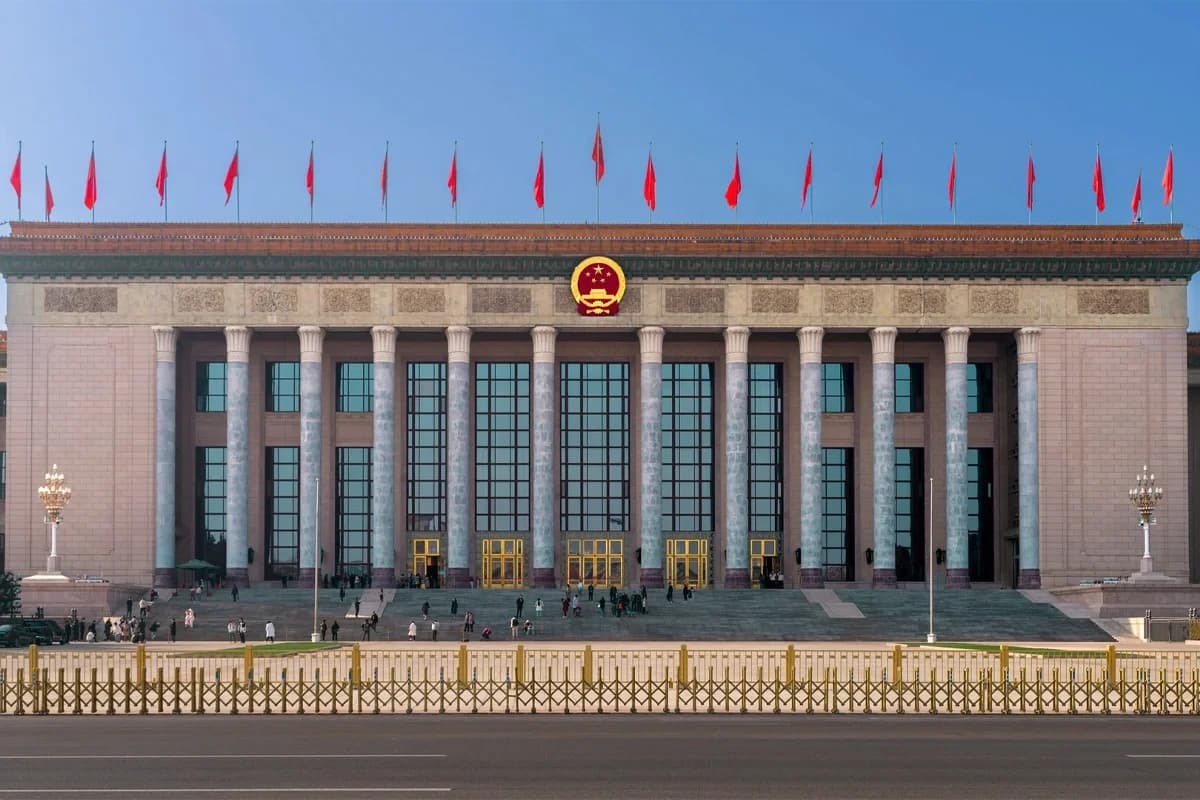
The National Museum of China, located on the east side of Tiananmen Square, is one of the world's largest museums. Its rich collection chronicles over five thousand years of Chinese history and culture, from ancient dynasties to the modern era. Visitors can explore vast exhibition halls and admire precious artifacts, including ancient bronzes, ceramics, classical paintings, and revolutionary relics.

Opening Hours

9:00 AM - 5:00 PM(Closed on Mondays)

Ticket Price

Admission is free, but reservations are required.

Location

No. 16, East Chang'an Street, Dongcheng District, Beijing

Overview

The National Museum of China, located on the east side of Tiananmen Square, is the world's largest single-building museum, housing over 1.4 million artifacts and serving as the ultimate destination for a comprehensive understanding of Chinese civilization.

Admission is free, but advance reservations via the official WeChat mini-program are required. It is recommended to allow 3-4 hours for your visit. The best times to visit are weekday mornings, spring (May), and autumn (September-October), avoiding peak crowds and enjoying the most pleasant weather for a stroll around the square afterward.

How to Get There

The most convenient way to get to the National Museum of China is by subway: take Line 1 to Tiananmen East Station and exit from Exit C or D; alternatively, you can take bus routes 1, 2, or 52 and get off at Tiananmen East Station.

After entering the museum, a recommended route is: after security check, take the escalator down to the "Ancient China" basic exhibition on the basement level. If you have time, then visit the second floor and above to see the "Road to Rejuvenation" and special exhibitions. After your visit, you can exit through the West Gate and walk directly into Tiananmen Square to continue your tour.

What to Expect

The National Museum of China has a vast interior space, and walking is the only way to enter; comfortable shoes are recommended. Passports are mandatory for entry, as security checks are very strict. Clean restrooms and drinking fountains are available on each floor (please bring your own water bottle).

Souvenir shops are located on the first floor and basement, selling exquisite catalogs and cultural and creative products; cafes and light dining areas are located on the second floor and its corridors, providing a place to rest. It is recommended to take a picture of the floor plan upon entering to plan your walking route and easily explore this magnificent cultural palace.

Practical Tips

  • Book your free ticket online in advance to guarantee entry and avoid long queues.
  • Allocate at least 3-4 hours to properly explore the massive collection.
  • Security checks are strict; carry your passport or ID for verification.
  • Consider renting an audio guide for detailed explanations in English.
More Attractions to Explore

Gubei Water Town
Beijing·historical

Gubei Water Town

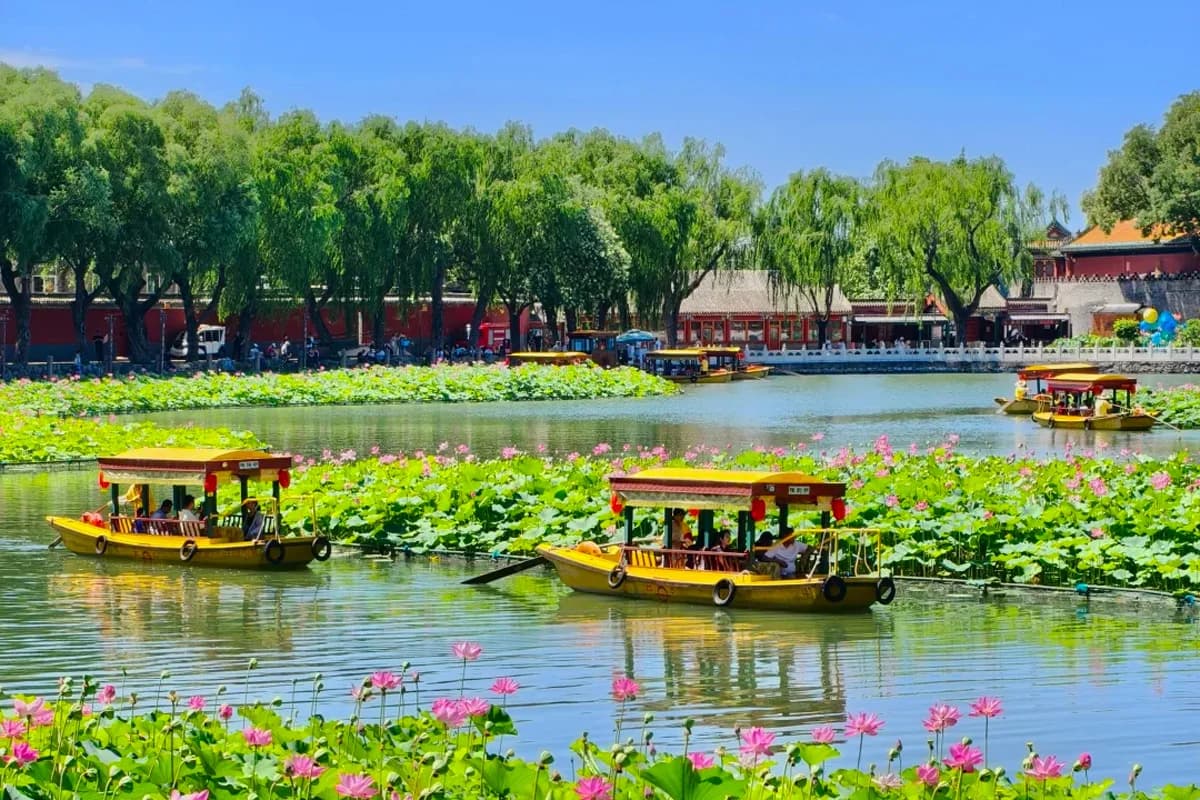
Gubei Water Town is a resort town that blends the charm of northern frontier life with the elegance of a Jiangnan water town。Gubei Water Town offers a variety of activities throughout the year, and its night view is particularly enchanting, making it an ideal place to experience the leisurely life of Beijing's suburbs and immerse oneself in its historical culture.

Badaling Great Wall
Beijing·historical

Badaling Great Wall

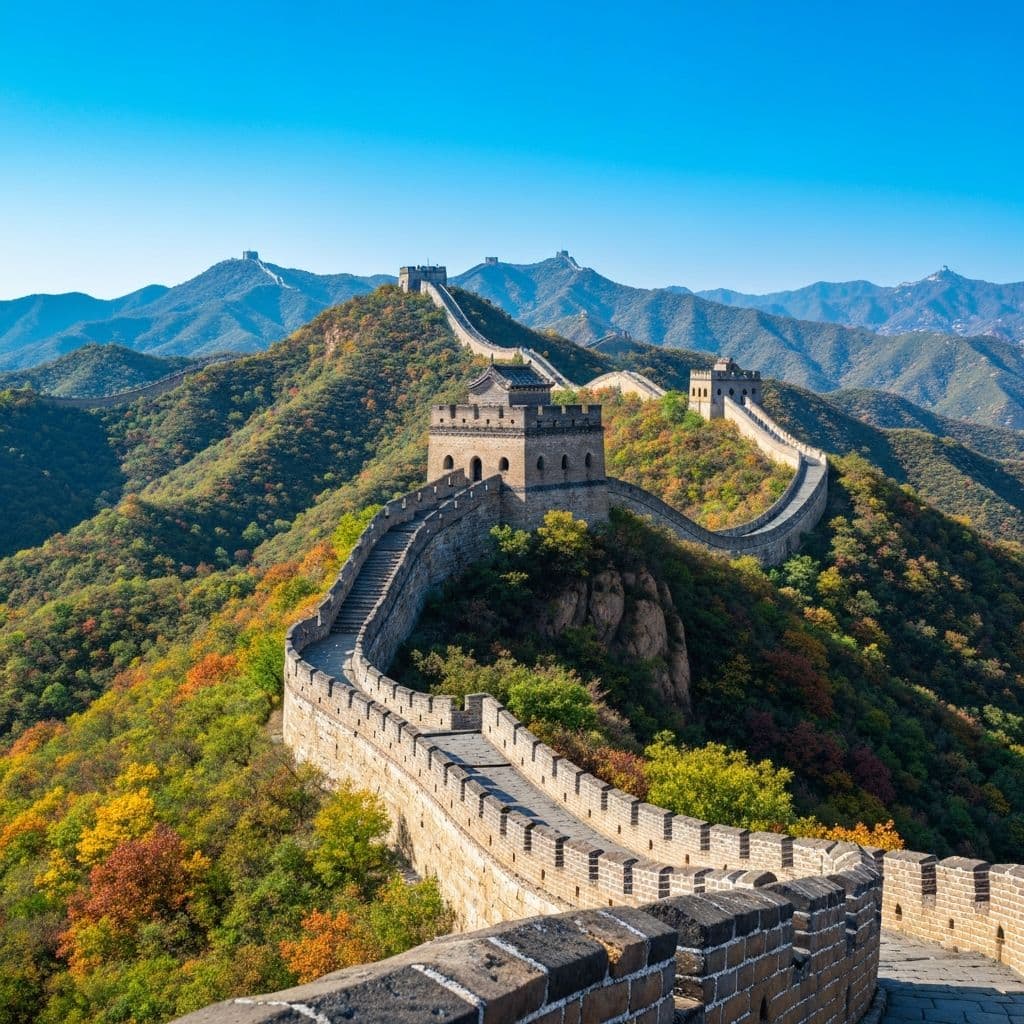
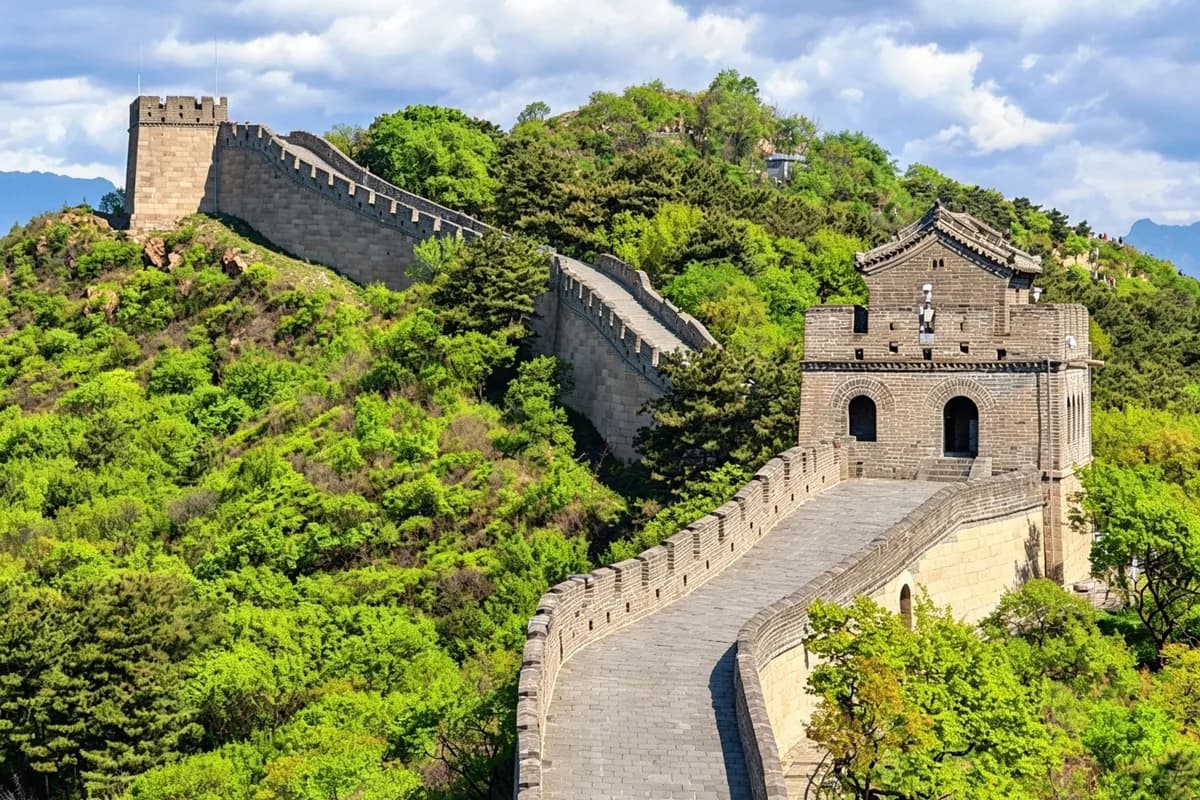
Badaling, the most famous and best-preserved section of the Great Wall, is located about 80 kilometers northwest of Beijing. As an important military fortress during the Ming Dynasty, it holds immense historical significance, having protected the capital from northern invasions. Today, visitors can stroll along the expansive walls, climb the beacon towers, and enjoy panoramic views of the rolling mountains, truly experiencing the grandeur of this ancient wonder.

Mutianyu Great Wall
Beijing·historical

Mutianyu Great Wall

The Mutianyu section is one of the best-preserved parts of the Great Wall, featuring 23 watchtowers along its 5.4km stretch. Less crowded than Badaling, it offers stunning mountain views, cable car access, and a thrilling toboggan ride down. The wall here dates back to the Northern Qi Dynasty (550-577 AD) and was rebuilt during the Ming Dynasty.

Forbidden City (Palace Museum)
Beijing·historical

Forbidden City (Palace Museum)

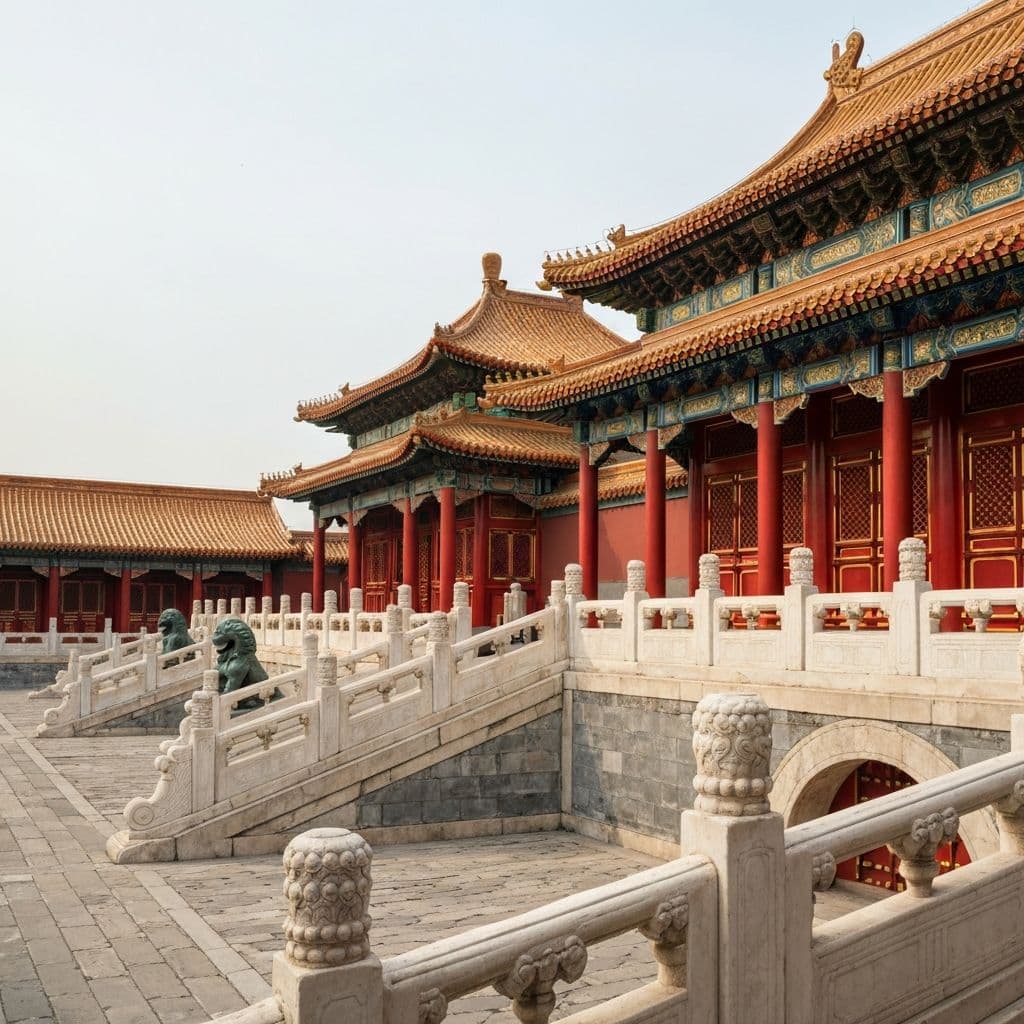
The world's largest palace complex spans 180 acres and contains 980 surviving buildings with 8,886 rooms. Home to 24 emperors of the Ming and Qing dynasties for nearly 500 years, it represents the pinnacle of traditional Chinese palatial architecture. The Palace Museum now houses over 1.8 million artifacts from the imperial collection.