naturalGuiyang
Qianlingshan Park
Discover Qianlingshan Park in Guiyang, a scenic city park known for its hills, lakes, temples, and relaxed local atmosphere. A great stop for travelers who want to experience nature and everyday life in Guizhou’s capital.
Opening Hours
7:00 AM - 8:00 PM
Ticket Price
Free(Cable car round trip: ¥30)
Location
Qianling Mountain Park is located at No. 187 Zaoshan Road, Yunyan District, Guiyang City.
Overview
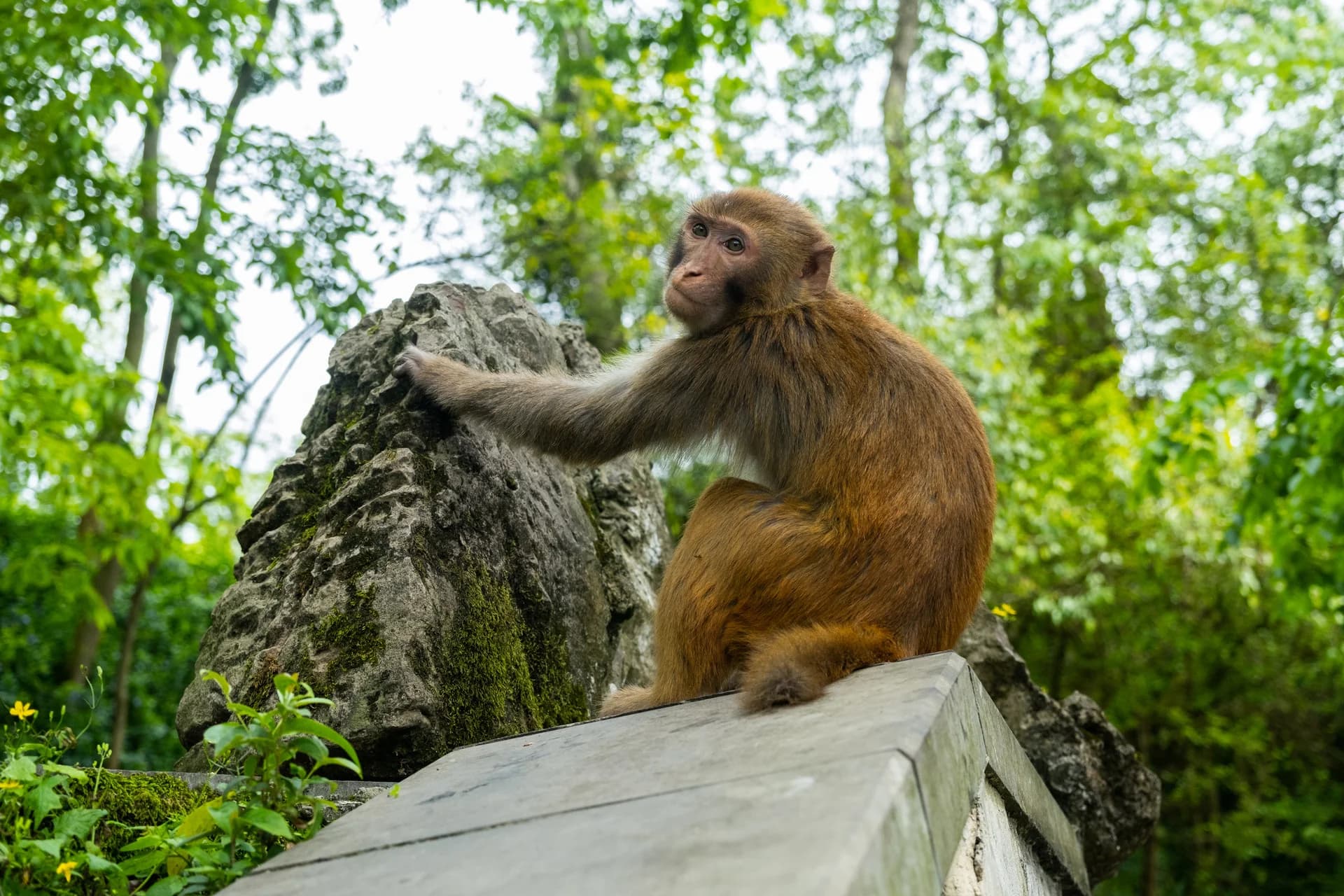
Qianling Mountain Park, located in the center of Guiyang City, is a national 4A-level scenic area integrating mountains, forests, lakes, ancient temples, karst caves, and wild macaques. Known as the "First Mountain in Southern Guizhou," it is currently open to the public free of charge. The best time to visit the park is year-round, with spring and autumn offering the most comfortable weather. It is recommended to enter the park in the early morning, when the air is fresh, there are fewer tourists, and the macaques are most active. A tour of the entire park takes approximately 3 to 4 hours.
How to Get There
Qianling Mountain Park is easily accessible, with the subway being the recommended option. Take Guiyang Metro Line 3 to "Qianling Mountain Park Station," exit from Exit C, and walk approximately 5 minutes to reach the park's south gate. Alternatively, you can take bus routes 1, 2, 16, 22, etc., and get off at "Qianling Mountain Park Station." If taking a taxi, tell the driver to drop you off at "Qianling Hotel Entrance," from which it's about a 3-minute walk to the south gate entrance. The park has multiple entrances, but most visitors choose to enter from the south gate located on Zaoshan Road. From here, you can take the cable car to the "Kanzhu Pavilion" on Xiangwang Ridge for panoramic views of Guiyang, then visit Hongfu Temple, a sacred Buddhist site in Guizhou, to pray for blessings. Afterwards, visit the zoo and panda enclosure, home to giant pandas, and finally stroll or boat along the expansive Qianling Lake, experiencing the unique charm of this urban oasis.
What to Expect
The mountain paths in Qianling Mountain Park are mainly gentle slopes with stone steps, but some sections, such as the "Nine-Bend Path," have many steps, so comfortable sneakers are recommended. The park recently upgraded all 16 public restrooms, significantly improving hygiene and adding accessible restrooms. A visitor service center is located within the park, equipped with a sightseeing cable car and a boat dock. Souvenir shops and snack stalls are available outside the South Gate and near Hongfu Temple within the park, where you can purchase drinks and snacks. Please note that the park is home to a large number of wild macaques; please do not bring food out in the open, do not feed or provoke the monkeys, and keep your backpack zipped up to prevent them from "stealing" your belongings.
Practical Tips
- 1To see the lively pandas and avoid tour groups, it's recommended to arrive at the South Gate before 8:30 AM.
- 2When watching the monkeys, do not tease or feed them; maintain a safe distance.
- 3Vegetarian meals are available inside Hongfu Temple (10 yuan/person), but you need to arrive early.
- 4On holidays, it's recommended to enter and exit through the East or West Gate to avoid the crowds at the South Gate.
Share This Attraction
Found this helpful? Share it with fellow travelers!
Explore Guiyang
Discover more attractions, food, and travel tips for Guiyang.
View destination
More Attractions to Explore
Guiyang·natural
Libo Xiaoqikong Scenic Area
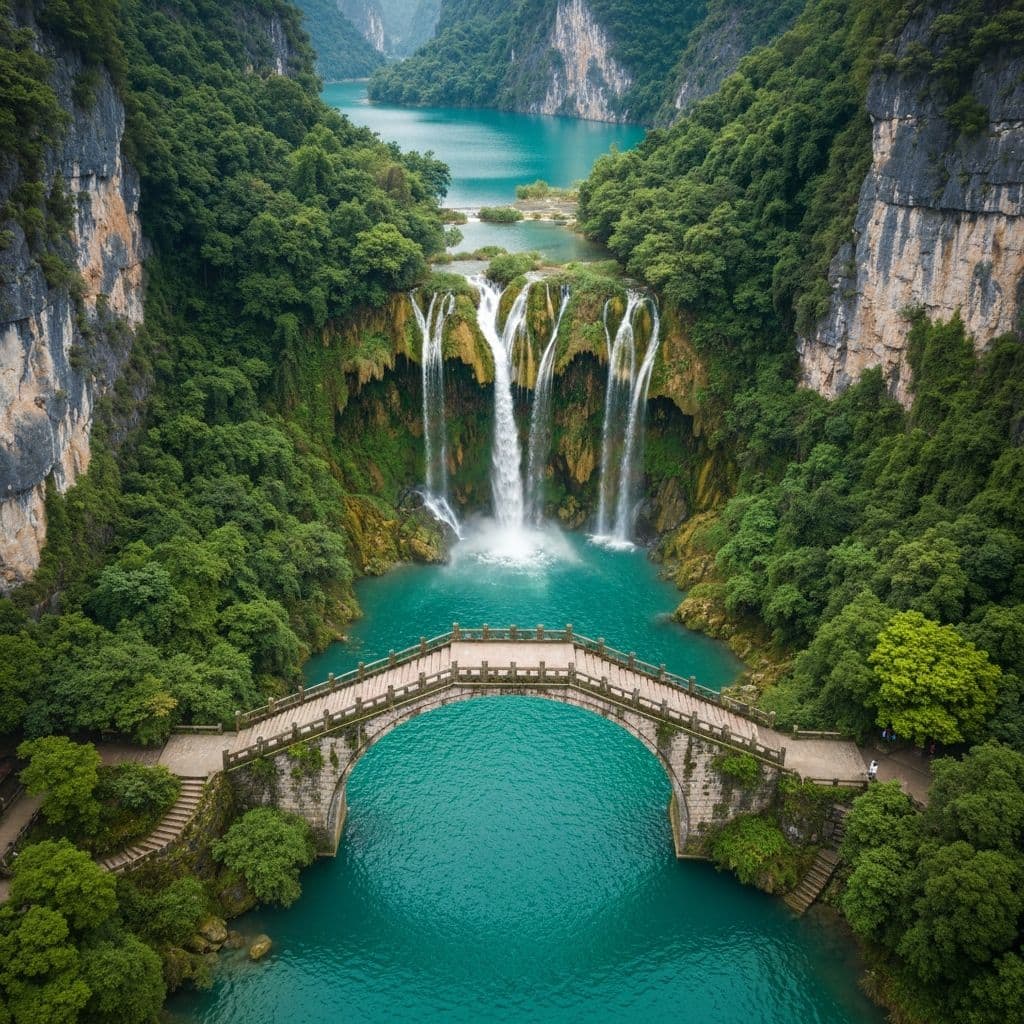
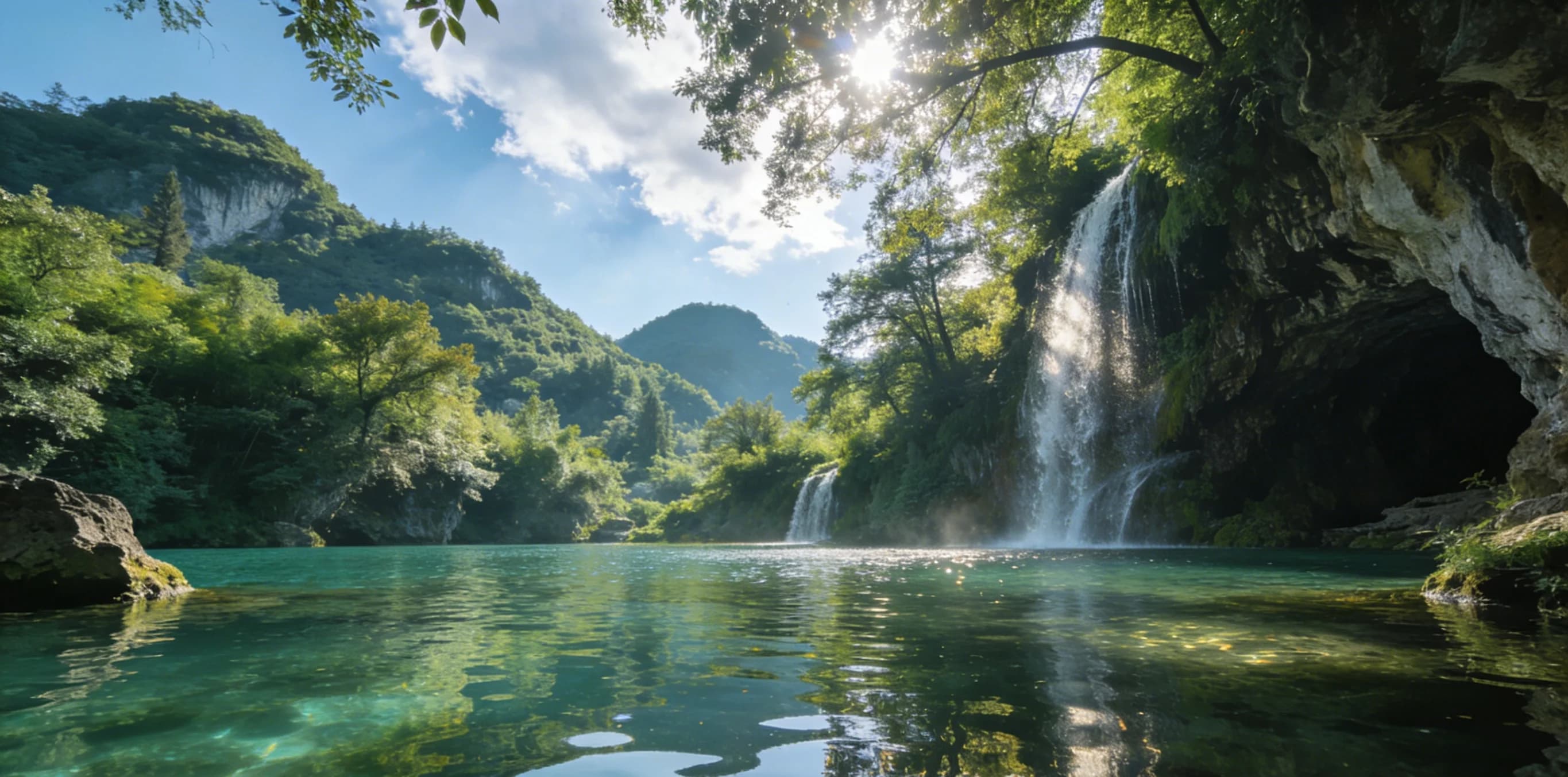
Part of the South China Karst UNESCO World Heritage Site, Xiaoqikong (Small Seven Holes) showcases stunning karst forest landscapes with turquoise waters, waterfalls, and ancient trees. The iconic seven-arched bridge dates to 1835. Crystal-clear water flows through 68 cascades, and primeval forest covers limestone formations. One of Guizhou's most beautiful natural areas.
Guiyang·natural
Huangguoshu Waterfall
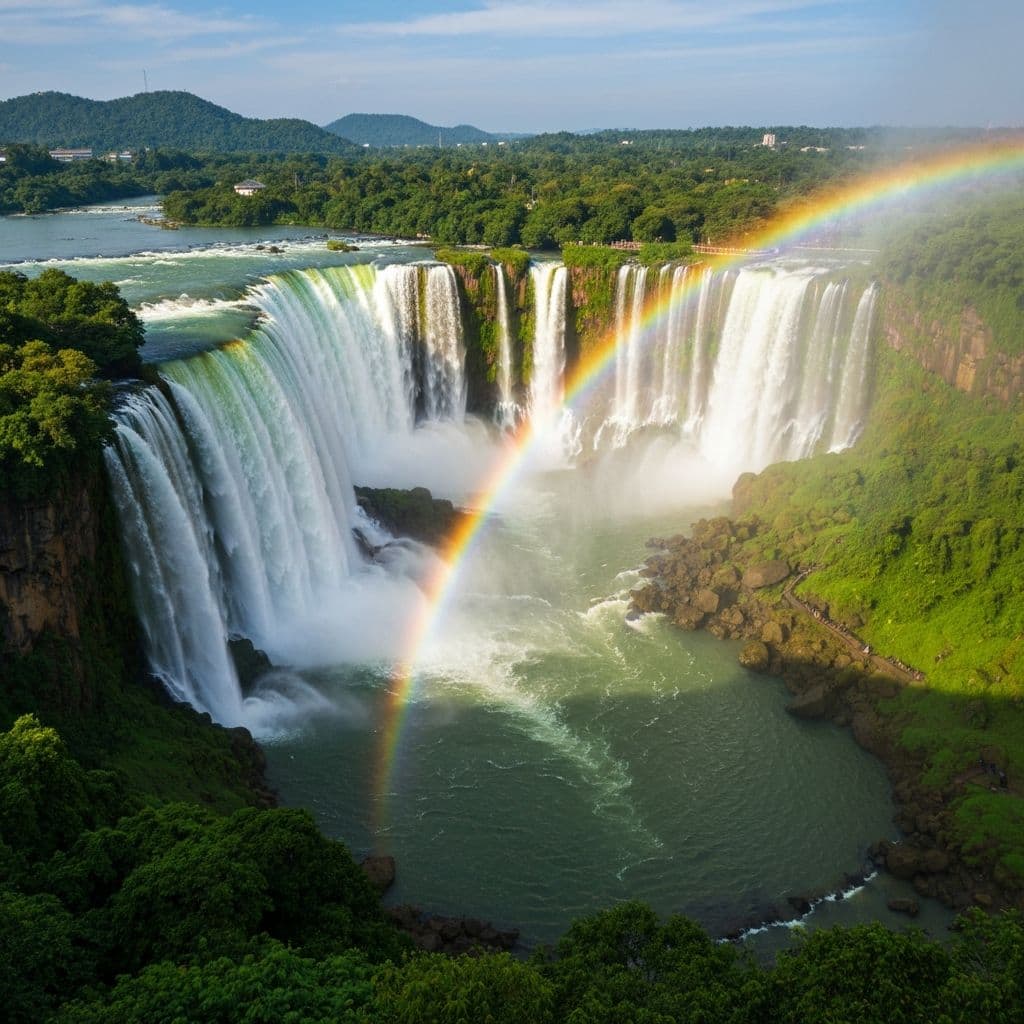
China's largest waterfall and one of the world's most spectacular, Huangguoshu plunges 77.8 meters into Rhinoceros Pool. A unique feature is the 134-meter-long Water Curtain Cave behind the falls, allowing visitors to walk through the thundering water. The surrounding scenic area includes Doupotang Waterfall and the beautiful Tianxingqiao karst formations.
Guiyang·natural
Tianhetan
Tianhe Beach is a natural scenic area in Guiyang, renowned for its integration of karst caves, waterfalls, rivers, and mountain scenery, making it ideal for a day trip. Located about 24 kilometers southwest of downtown Guiyang, it is famous for boat tours of limestone caves and admiring the classic Guizhou karst landforms formed over millions of years. The scenery here belongs to the vast South China karst landscape, and the term "mountain and water" is frequently used in local folklore, referring to the beautiful scenery where mountains and water complement each other.