central China
Changsha
2–3 days in Changsha: spicy food, Hunan history, and an easy Zhangjiajie add-on
Best time: March-May and September-November
3 days suggested
5 highlights
Why Visit Changsha
Plan 2–3 days in Changsha to enjoy spicy Hunan food, historic sight, Xiang River views, lively night streets, local culture, and an easy Zhangjiajie add-on trip
Top Highlights
History & culture: pair Hunan Museum with Mawangdui Han Tomb artifacts and Yuelu Academy in one trip; reserve the museum in advance and allow 2–3 hours inside
City viewpoints: take the cableway or shuttle up Yuelu Mountain, then walk down via Aiwan Pavilion and Yuelu Academy; budget half a day and ¥20–¥80 depending on transport choices
Food-first evening: eat your way through Pozi Street and Huangxing Road Pedestrian Street — stinky tofu, chopped chili fish head, sugar oil baba — with most snacks at ¥10–¥25
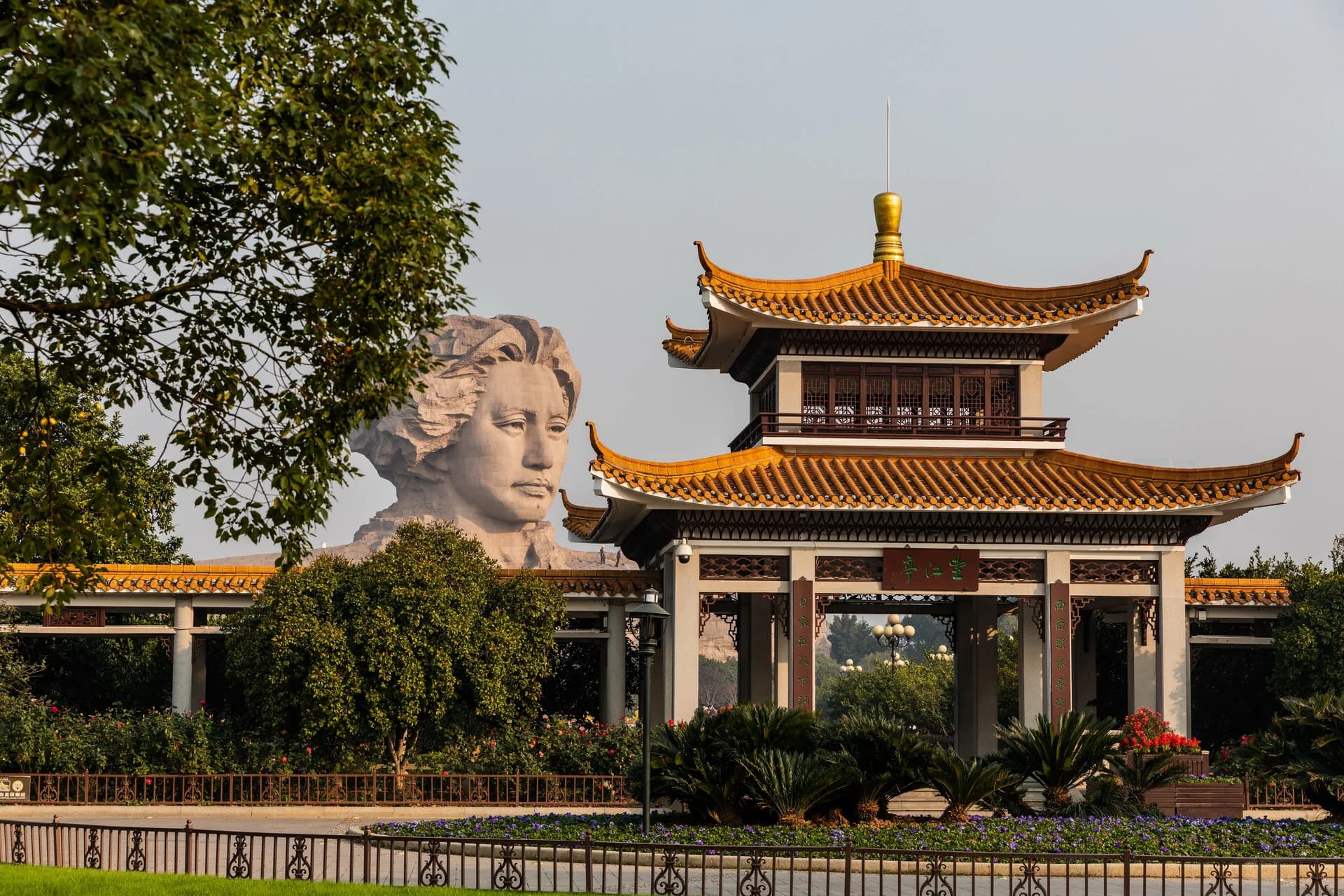
Riverfront & skyline: use Orange Isle for a low-cost sunset walk and Mao statue stop; the island is long, so use the sightseeing shuttle if you do not want a 4km+ walk
Modern city stop: combine IFS, Taiping Old Street, and the riverside in Tianxin/Furong districts for shopping, cafés, and easy night views all linked by metro
Must-See Attractions
2 attractions to explore in Changsha
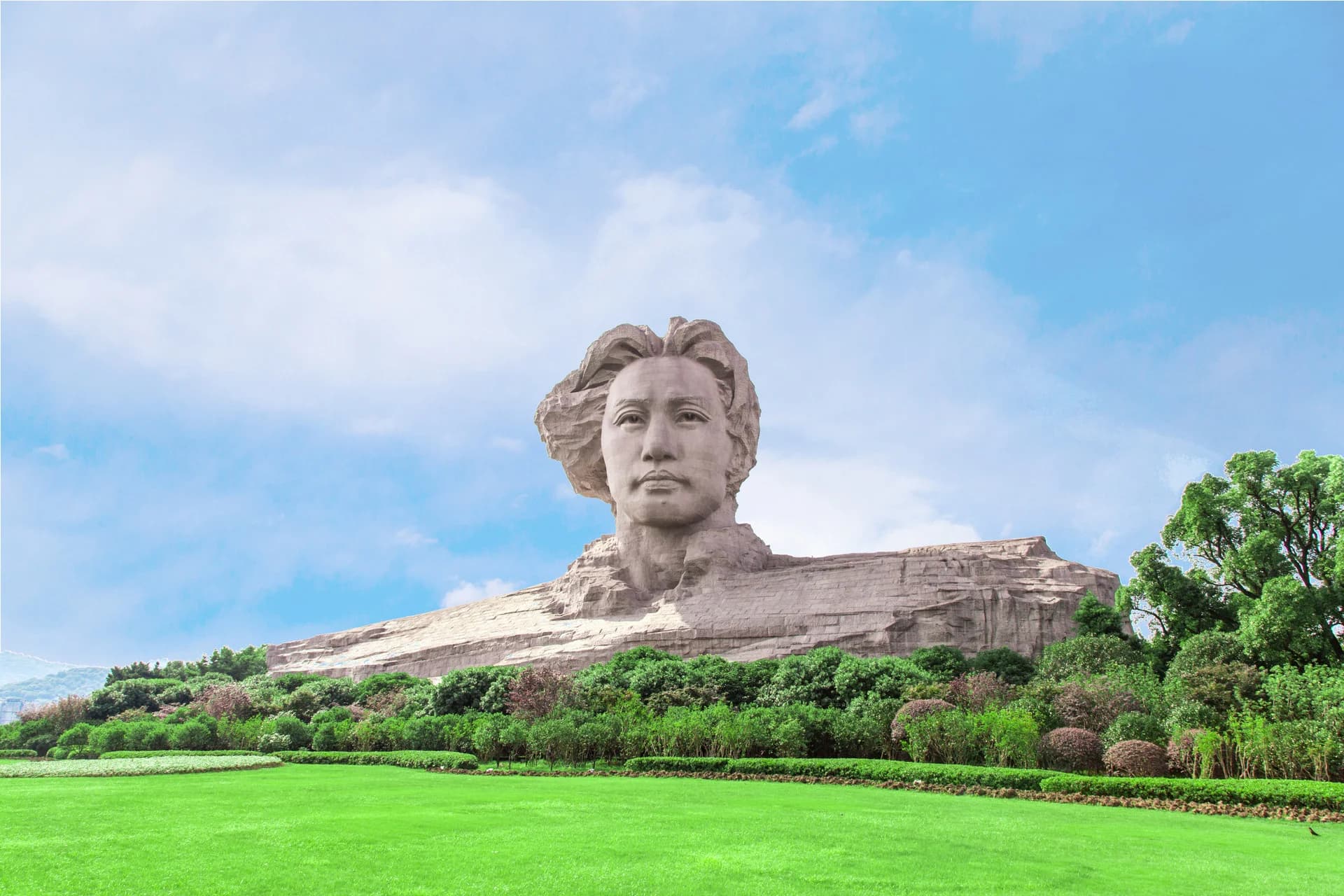
Orange Isle Head
Discover Orange Isle Head in Changsha with highlights, history, views, and travel tips for planning a memorable visit to this scenic island landmark .
historical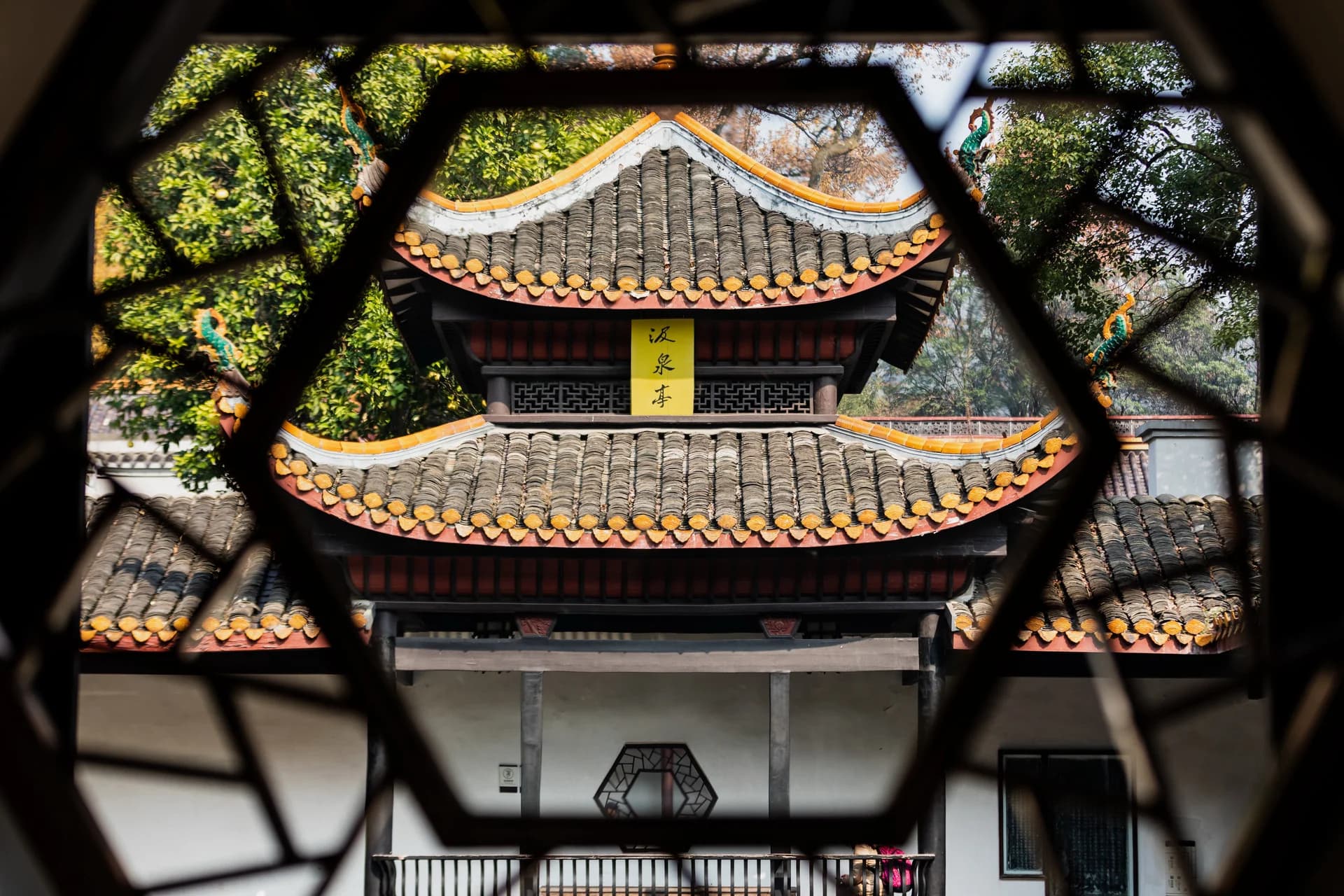
Yuelu Mountain
Discover Yuelu Mountain in Changsha, known for scenic trails, historic sites, and city views. Plan your visit with essential travel tips and highlights.
naturalTrip Planning Guide
Changsha is a great city for short trips and transit through Hunan province. Its appeal lies not only in its tourist attractions, but also in its Hunan cuisine, snacks, nightlife, the Xiang River scenery, the culture of Yuelu Mountain, and its relaxed urban atmosphere. Who is Changsha a good place to visit? Changsha is suitable for tourists who enjoy the vibrant atmosphere of a city and its local cuisine. It's also suitable for groups of friends, young tourists, short city trips, and those planning a stopover before or after visiting Zhangjiajie. How many days should I spend in Changsha? 1 day: Suitable for transit tourists. Includes visits to Wuyi Square, Taiping Old Street, Orange Isle, and the Xiangjiang River night view. 2 days 1 night: Highly recommended for first-time visitors. Includes Yuelu Mountain, Yuelu Academy, Hunan University, and local city dining. 3 days 2 nights: Suitable for a more relaxed pace. Includes the Hunan Provincial Museum, Du Fu Pavilion, and more local restaurant experiences. 4 days or more: Suggested to include Zhangjiajie, Fenghuang Ancient Town, Yueyang, or Hengshan. Most tourists allocate 2-3 days for the most suitable itinerary, allowing time to see the main attractions while also enjoying leisurely dining and sightseeing. How to plan your trip in Changsha's main areas? 1. Wuyi Square / Huangxing Road / Taiping Old Street This is Changsha's most vibrant area, best visited in the evening. Snacks, drinks, shopping malls, and pedestrian streets are all concentrated here, perfect for experiencing Changsha's nightlife. 2. Yuelu Mountain / Yuelu Academy / Hunan University Suitable for daytime visits. With mountains, academies, and a campus atmosphere, you can see a more culturally rich side of Changsha. 3. Orange Isle / Xiangjiang Riverbank Suitable for evening or nighttime strolls. On a clear day, you can enjoy the Xiangjiang River scenery and take photos of the city's nightscape. 4. Area around the Hunan Provincial Museum Suitable for tourists interested in learning about Hunan's history and culture. The Hunan Provincial Museum is well worth a visit, but advance reservations are usually required. What are the best travel styles for Changsha? Changsha can be planned in three ways: Food and Nightlife Tour:Wuyi Square, Huangxing Road, Taiping Old Street, Xiangjiang River Night View Cultural Light Tour:Yuelu Mountain, Yuelu Academy, Hunan Provincial Museum Hunan Combination Tour:Changsha + Zhangjiajie / Fenghuang Ancient Town / Yueyang / Hengshan For first-time visitors to Changsha, it's recommended to follow a "daytime cultural attractions + evening food streets" schedule, and avoid over-packing your itinerary. What places can you combine with Changsha? Changsha + Zhangjiajie: The most classic combination, suitable for tourists who want to experience both urban cuisine and natural scenery. Changsha + Fenghuang Ancient Town: Suitable for those who enjoy the night view of the ancient town and the culture of western Hunan. Changsha + Yueyang: Suitable for those who appreciate history, Yueyang Tower, and the scenery of Dongting Lake. Changsha + Hengshan: Suitable for those who want to add hiking, temples, and natural scenery to their itinerary. If it's your first time visiting Hunan, I highly recommend Changsha and Zhangjiajie.
Food & Dining
Changsha is a city perfectly suited for "eating on the go." The cuisine here is distinctive: spicy, fragrant, strongly flavored, and full of local flavor. Must-Try Foods 1. Stinky Tofu One of Changsha's most representative snacks. The outer layer is fried until crispy, while the inside is soft. It's usually served with chili, garlic sauce, and cilantro. It smells strong, but tastes delicious. Where to Eat: Wuyi Square, Huangxing Road, Taiping Old Street, Pozi Street area Reference Price: 10–20 RMB/serving 2. Changsha Rice Noodles A common breakfast or light meal for Changsha locals. Common varieties include beef rice noodles, shredded pork rice noodles, spare rib rice noodles, and rice noodles with toppings. Both soup and mixed rice noodles are worth trying. Where to eat: Community noodle shops, around Wuyi Square, near Hunan University Reference price: 12–25 RMB/bowl Ordering tips: You can say "less spicy" or "not spicy." Going for breakfast will give you a more authentic local experience. 3. Crayfish A representative late-night snack in Changsha, especially popular in summer. Common flavors include spicy crayfish, garlic crayfish, and thirteen-spice crayfish. Where to eat: Wenheyou, Pozi Street, Jiefang West Road, late-night snack streets Reference price: 80–180 RMB per person, depending on the season and portion size 4. Steamed Fish Head with Chopped Chili A classic Hunan dish, this dish features a steamed fish head with chopped chili peppers. The flavor is distinctly spicy and fresh, making it perfect for tourists wanting to experience authentic Hunan cuisine. Where to Eat: Hunan restaurants, local restaurants, restaurants near hotels Reference Price: 88–168 RMB/serving 5. Stir-fried Pork with Chili Peppers A representative Hunan home-style dish, simple yet very appetizing. The fragrant chili peppers and tender pork slices form the foundation for understanding the flavors of Hunan cuisine. Where to eat: Regular Hunan restaurants, restaurants in residential areas Estimated price: 40–70 RMB/serving Ordering tip: If you can't eat spicy food, be sure to tell them "less spicy" beforehand. Recommended food areas Wuyi Square / Huangxing Road: Best for first-time visitors to Changsha. Concentrated with snacks, restaurants, tea shops, and nightlife; convenient transportation, but also the most crowded. Taiping Old Street / Pozi Street: Ideal for traditional Changsha snacks such as stinky tofu, sugar-coated glutinous rice cakes, rice noodles, and snack platters. Popular with tourists, but the selection is concentrated. Jiefang West: More focused on nightlife and late-night snacks; best visited in the evening. Popular with young people, suitable for groups of friends. Hunan University / Yuelu Mountain Area: Ideal for finding rice noodles, snacks, or simple meals after daytime sightseeing; prices are relatively more affordable.
Getting There & Around
Changsha is one of the most important transportation hubs in Hunan Province, making it a suitable transit city for travelers to places like Zhangjiajie, Fenghuang Ancient Town, Yueyang, and Hengshan. How to get to Changsha? 1. By plane | Changsha Huanghua International Airport Changsha's main airport is Changsha Huanghua International Airport, located approximately 25-30 kilometers from the city center. Methods to get to the city center: Subway/Maglev + Subway: Inexpensive, suitable for travelers with light luggage Taxi/Didi ride-hailing: More convenient, suitable for travelers with luggage or arriving late Airport bus: Some routes go to the city center, but less flexible than taxis Estimated costs: Subway/Public Transportation: Approximately 10–25 yuan Didi/Taxi: Approximately 80–150 yuan, depending on road conditions 2. High-speed rail | Changsha South Station Changsha South Station is Changsha's most important high-speed rail station, suitable for arrivals from cities such as Guangzhou, Shenzhen, Wuhan, Zhangjiajie, Guilin, and Shanghai. Subway: Approximately 4–8 RMB Didi / Taxi: Approximately 50–100 RMB 3. Regular Train | Changsha Station Changsha Station is closer to the city center, closer to the old city and Wuyi Square area than Changsha South Station. Changsha Station → Wuyi Square: Approx. 10–20 minutes Changsha Station → Orange Isle: Approx. 20–30 minutes Changsha Station → Yuelu Mountain: Approx. 30–45 minutes How to get around Changsha? 1. Subway: The Changsha subway is suitable for most tourists, covering major areas such as the airport, high-speed rail station, Wuyi Square, Orange Isle, and Yuelu Mountain. A one-way trip generally costs about 2-8 yuan. 2. Didi/Taxi: If you have luggage, are traveling at night, or are traveling in a group, Didi and taxis are more convenient. Short trips in the city center: about 15-40 yuan. 3. Walking: Changsha's core business districts are easy to walk in, especially the areas around Wuyi Square, Huangxing Road, Taiping Old Street, and Pozi Street. Accommodation and Transportation Recommendations First time visiting Changsha: We recommend staying near Wuyi Square/Huangxing Road/Xiangjiang River. This area offers convenient access to restaurants, nightlife, subway, and attractions. Want to visit Zhangjiajie: We suggest choosing a location near Changsha South Railway Station or with convenient subway access for easy access to high-speed rail or long-distance transportation. Prefer a quieter atmosphere: Consider the area along the Xiangjiang River/around Yuelu Mountain, which offers a more relaxing experience than Wuyi Square.
Frequently Asked Questions
Is 2 days enough for Changsha?
Yes, 2 days is enough for a solid first visit if you focus on two clusters: central food streets plus Hunan Museum on one day, and Yuelu Mountain, Yuelu Academy, and Orange Isle on the other. You will miss suburban sights, but you can cover the city’s main reasons to visit without feeling rushed.
Should I stay near Wuyi Square or near Yuelu Mountain?
For most first-time visitors, stay near Wuyi Square or Huangxing Square. You will be within walking distance of Changsha’s best food streets and nightlife, and metro access to Yuelu Mountain is easy in 20–30 minutes. Stay near Yuelu Mountain only if you want a quieter base near the university area.
Do I need to book Hunan Museum in advance?
Usually yes, especially for weekends, school holidays, and national holiday periods. Timed-entry slots can fill, and booking ahead avoids wasting half a day. Plan 2–3 hours inside, longer if you read exhibit labels carefully or use an audio guide.
Can I visit Changsha and Zhangjiajie in one trip?
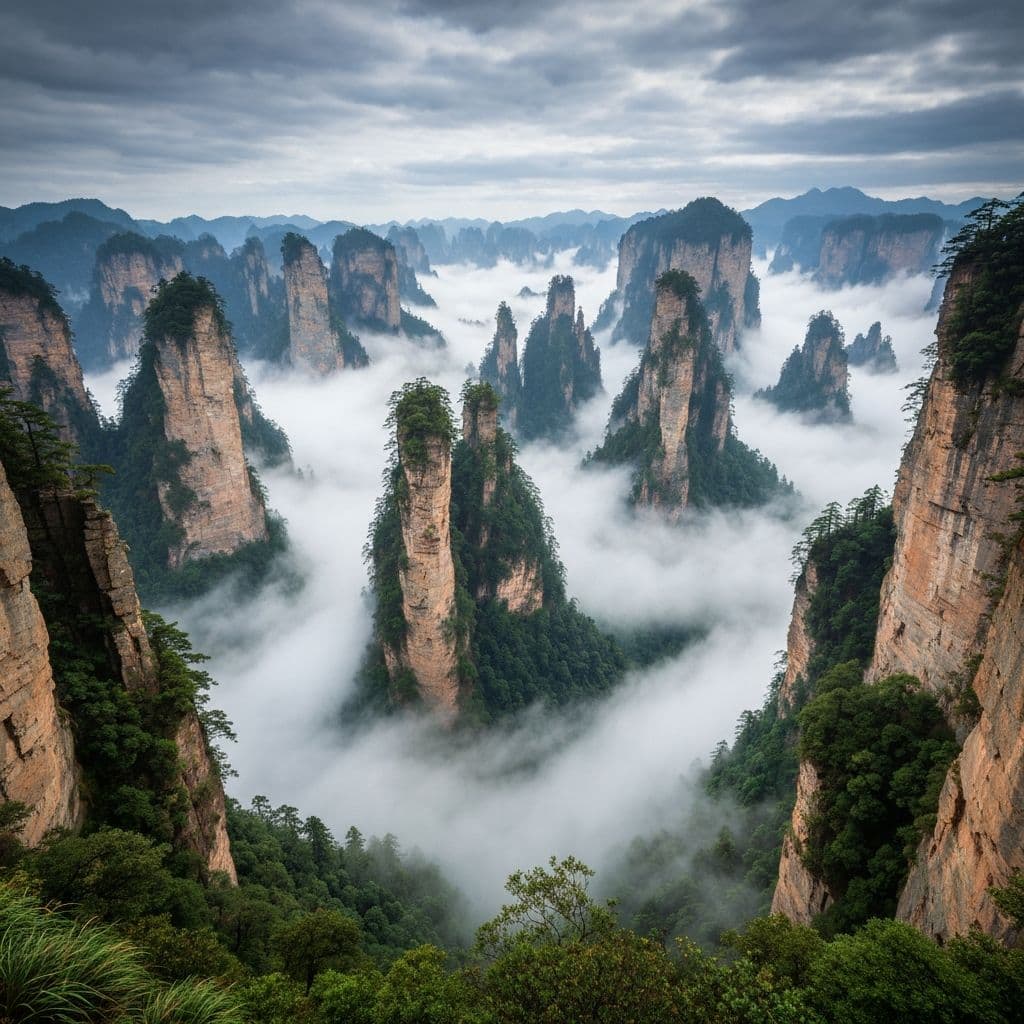
Yes — this is one of the most practical Hunan combinations. A common plan is 2 days in Changsha and 3–4 days in Zhangjiajie/Wulingyuan, connected by high-speed rail in roughly 2.5–3.5 hours. If you have only 4 days total, keep Changsha to 1–2 nights.
Is Changsha easy for travelers who do not speak Chinese?
It is manageable, especially in the metro, major hotels, and popular food areas, but English is less common than in Beijing or Shanghai. Use translation apps for menus, keep your destination written in Chinese, and rely on Didi or metro signage. The city is straightforward to navigate if you stay central.
When is the best time to visit Changsha?
The easiest seasons are spring and autumn, especially April, May, October, and November, when temperatures are milder for walking and climbing Yuelu Mountain. Summer is hot and humid, often above 33°C, while winter is damp-cold rather than severely freezing. If food is your main goal, Changsha works year-round.
Quick Info
- Region
- central China
- Best Time to Visit
- March-May and September-November
- Suggested Duration
- 3 days
Weather & Climate
Monthly climate overview for Changsha
Jan2°–8°C63mm
Feb4°–11°C86mm
Mar8°–16°C137mm
Apr14°–22°C177mm
May19°–27°C192mm
Jun23°–30°C219mm
Jul27°–34°C141mm
Aug26°–33°C114mm
Sep21°–29°C82mm
Oct16°–23°C82mm
Nov10°–17°C73mm
Dec4°–10°C49mm
Best time to visit
March-May and September-November
Plan Your Trip
Need help planning your Changsha itinerary? Get personalized travel advice from our team.
Contact Us