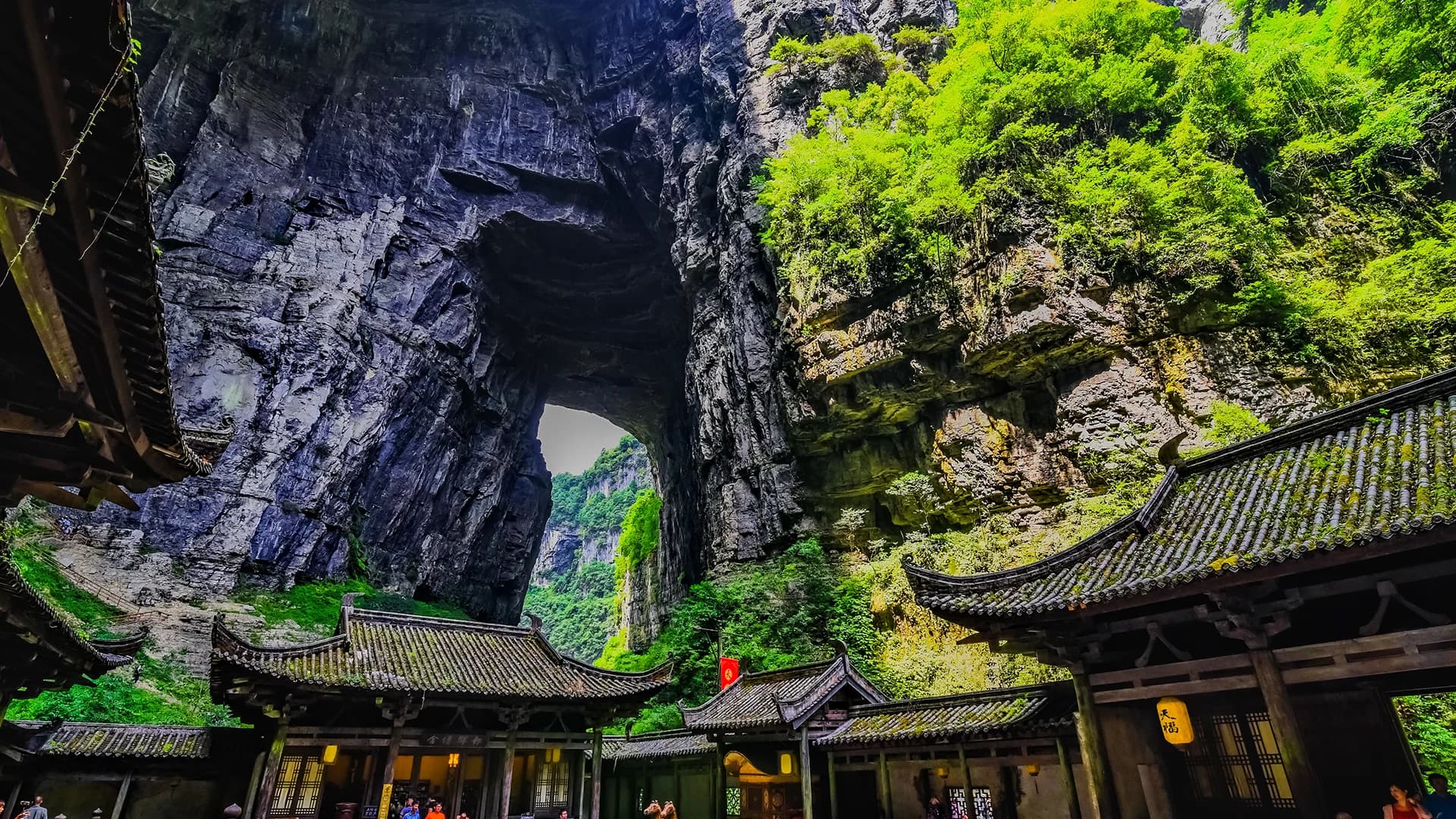

This Chengdu travel guide gives international visitors a practical 2026 plan for seeing the city’s highlights, choosing the right area to stay, using local transport, and handling essentials such as visas, mobile payments, and safety. Chengdu is one of the easiest big cities in western China for first-time travelers because major sights are well connected by Metro, food is affordable, and core districts such as Jinjiang, Qingyang, and Wuhou are visitor-friendly.
For most travelers, the best Chengdu travel guide advice is simple: stay near Tianfu Square or Chunxi Road, spend 2 to 4 days, use Metro plus taxis, and book panda and Leshan trips early. In 2026, Chengdu remains famous for the Giant Panda Breeding Research Base, Kuanzhai Xiangzi, Wuhou Shrine, Jinli, Sichuan cuisine, and teahouse culture. It is also a strong base for day trips to Leshan Giant Buddha, Mount Qingcheng, and Dujiangyan. If you prepare your passport, digital payment apps, and a realistic itinerary, Chengdu is straightforward, safe, and rewarding for independent travel.
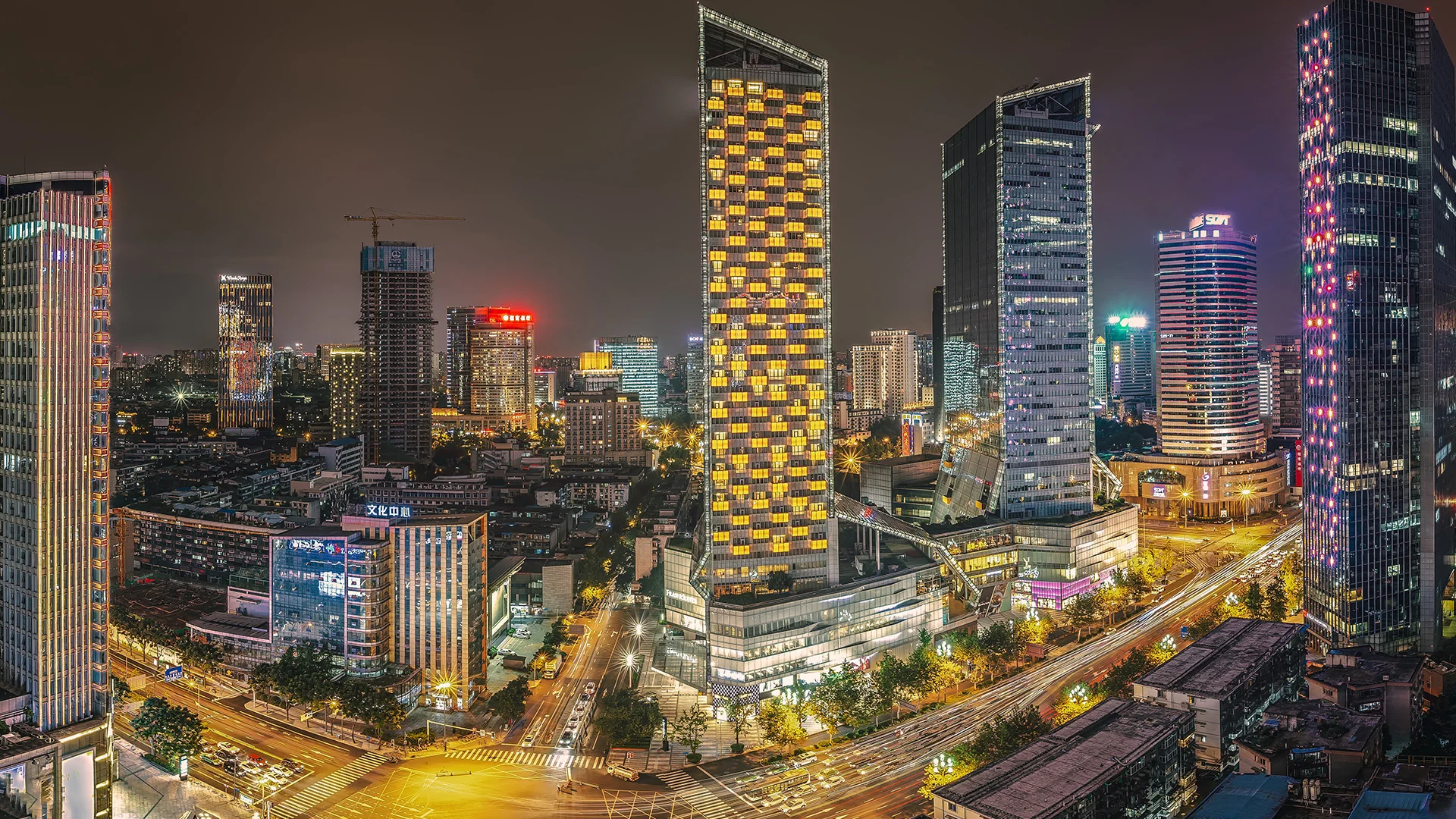
Chengdu travel guide essentials: plan 2 to 4 days and book key sights early
The fastest way to plan Chengdu well is to base yourself centrally, prioritize pandas and old-city culture, and leave at least one flexible day for a day trip or food exploration. Chengdu is large, but most first-time visitors spend most of their time within 10 km of Tianfu Square, Chunxi Road, Wenshu Monastery, and Wuhou Shrine.
For 2026, the main planning questions are entry requirements, payments, connectivity, and advance reservations. China’s visa policy can change by nationality, so check the latest rules with your nearest Chinese embassy or official visa center before booking. Some travelers may qualify for transit or temporary visa-free arrangements, but do not assume eligibility without confirming the current policy.
What to prepare before you arrive
Passport and visa: Keep at least 6 months’ passport validity and check official 2026 entry rules for your nationality.
Payments: Set up Alipay and WeChat Pay before departure if possible; both are widely accepted in Chengdu, from malls to small noodle shops.
Cash: Carry a small backup amount, such as ¥200-¥500, because digital payment dominates.
SIM or eSIM: A data connection helps with ride-hailing, translation, and map apps.
Apps: Alipay, WeChat, Didi, Amap, Baidu Maps, Trip.com, and a translation app are the most useful.
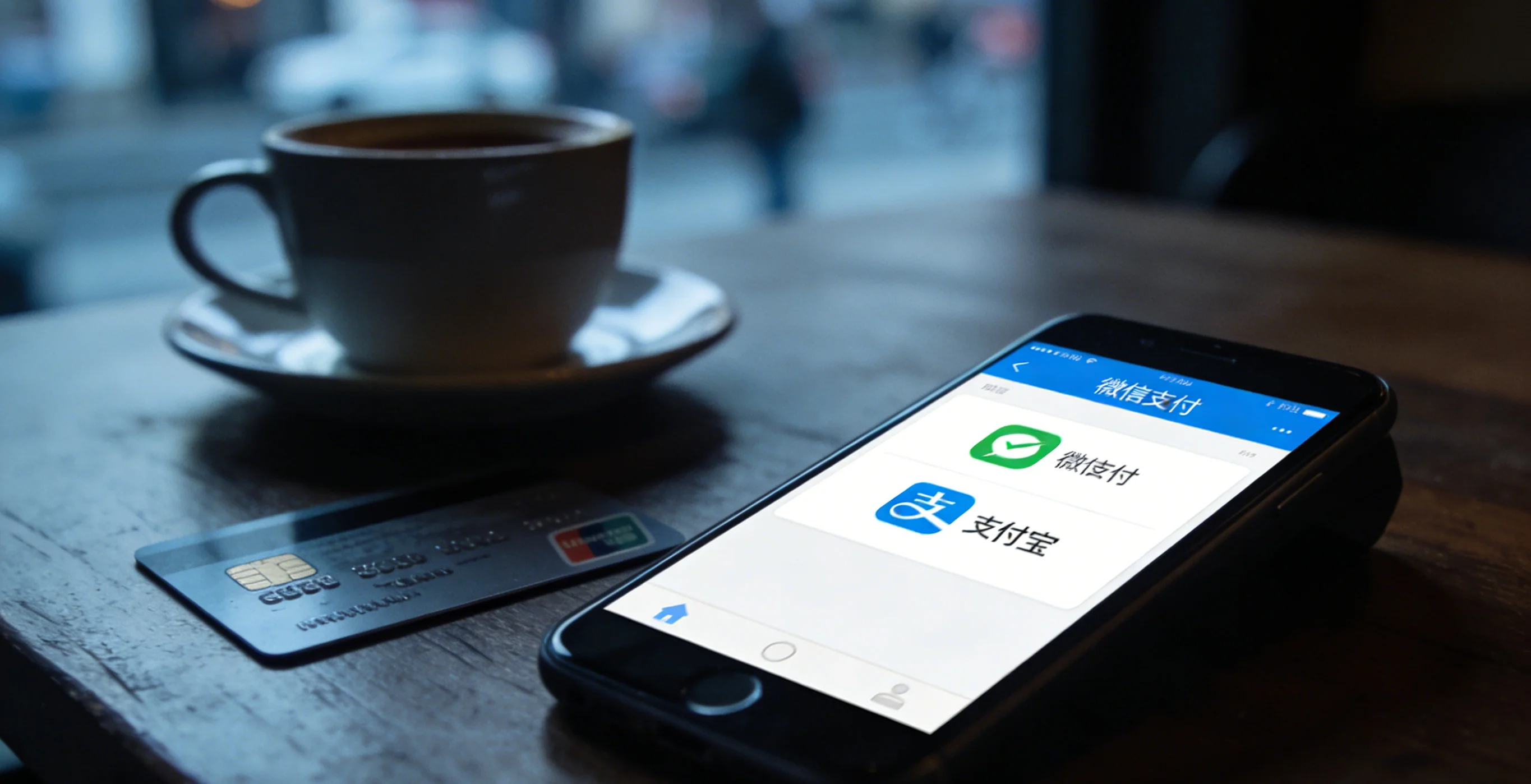
Chengdu is easiest when you treat payment setup and transport apps as part of itinerary planning, not as an afterthought.
How many days do you need?
2 days: Panda Base, Wuhou Shrine, Jinli, Kuanzhai Xiangzi, and one hotpot or Sichuan dinner.
3 days: Add People’s Park, Wenshu Monastery, a teahouse, and a deeper food route.
4 days: Add a full-day trip to Leshan, Dujiangyan, or Mount Qingcheng.
5+ days: Use Chengdu as a western China gateway for Jiuzhaigou, Emei Shan, or broader Sichuan travel.
Typical daily costs for a mid-range independent traveler in 2026 are about ¥450-¥900 per person excluding flights. Budget travelers can manage on roughly ¥250-¥400 per day with hostels, Metro, and simple meals, while upscale travelers can easily spend ¥1,200+ per day.
Chengdu attractions guide: the best first-trip sights and Chengdu itinerary planning
The top first-time sights in Chengdu are the Giant Panda Breeding Research Base, Wuhou Shrine, Jinli, Kuanzhai Xiangzi, Wenshu Monastery, and People’s Park, with Leshan and Dujiangyan as the most popular day trips. This is the core of a practical Chengdu attractions guide for visitors who want both famous landmarks and local atmosphere.
Top attractions inside the city
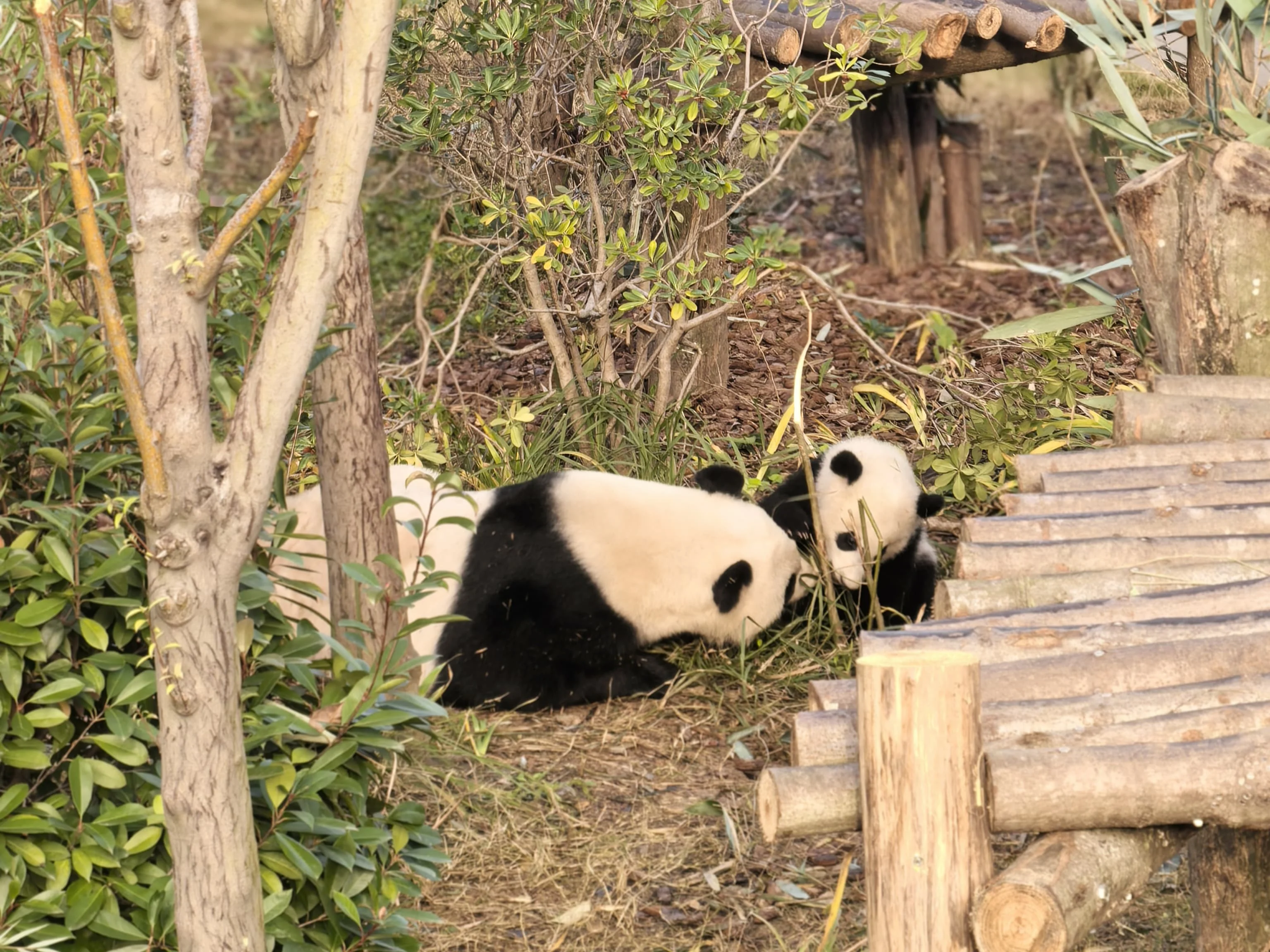
Chengdu Research Base of Giant Panda Breeding (成都大熊猫繁育研究基地): The city’s signature attraction. Go early, ideally at opening time, because pandas are most active in the morning and crowds build fast.
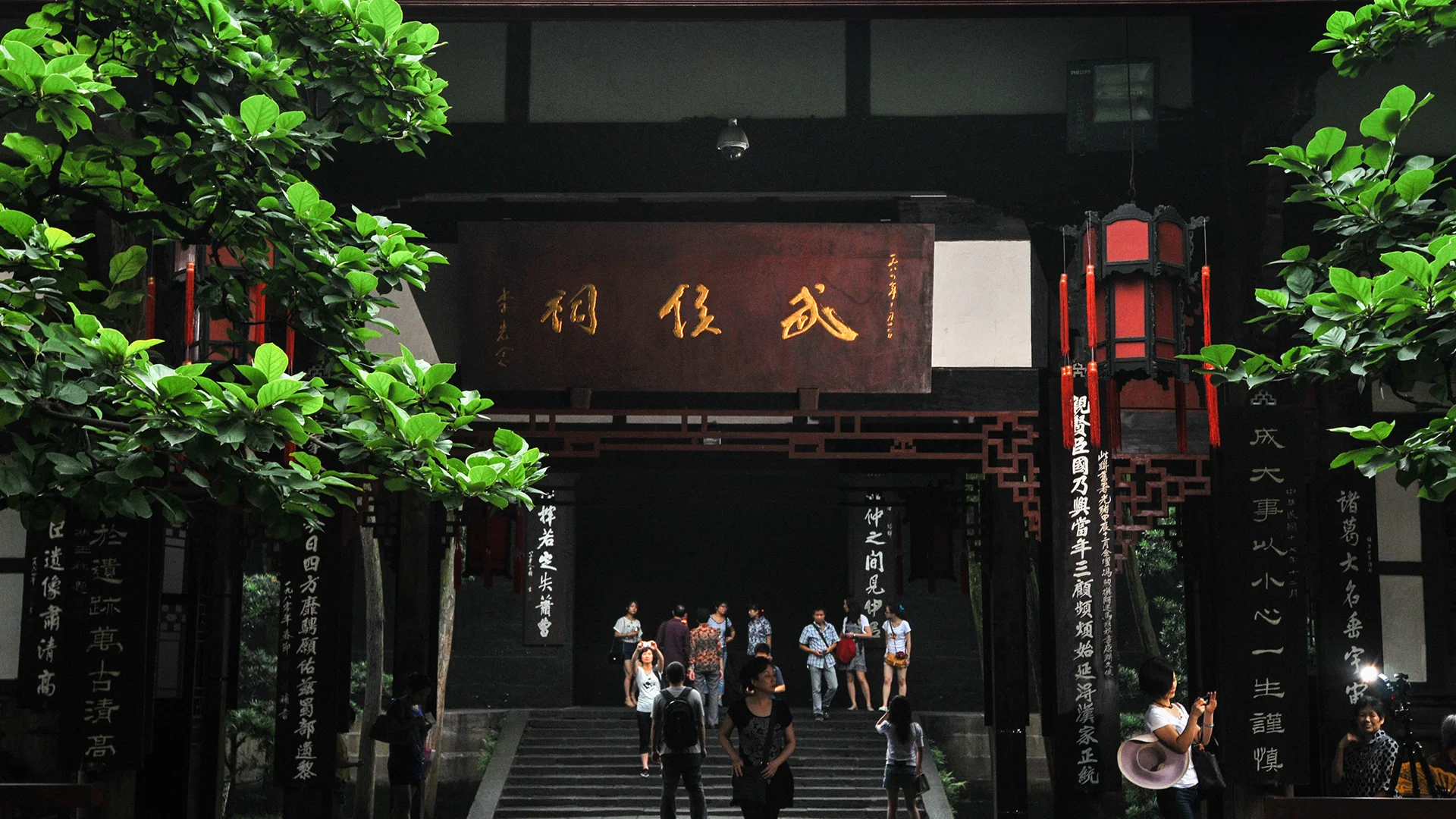
Wuhou Shrine (武侯祠): A major Three Kingdoms site linked to Zhuge Liang and Liu Bei. It is one of the best places to understand Chengdu’s historical identity.
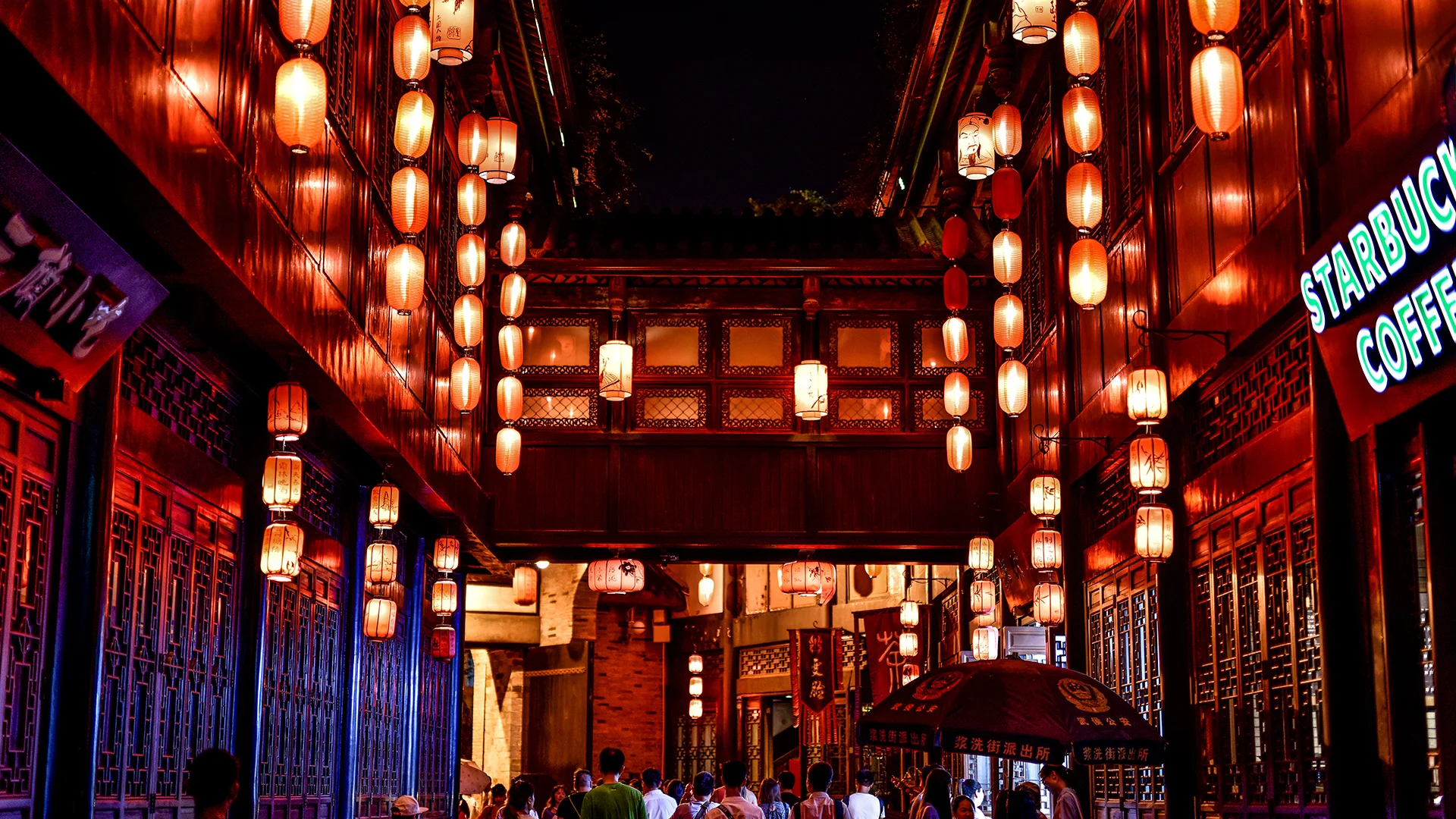
Jinli Ancient Street (锦里): A reconstructed traditional-style lane next to Wuhou Shrine, known for snacks, souvenirs, and evening lights.
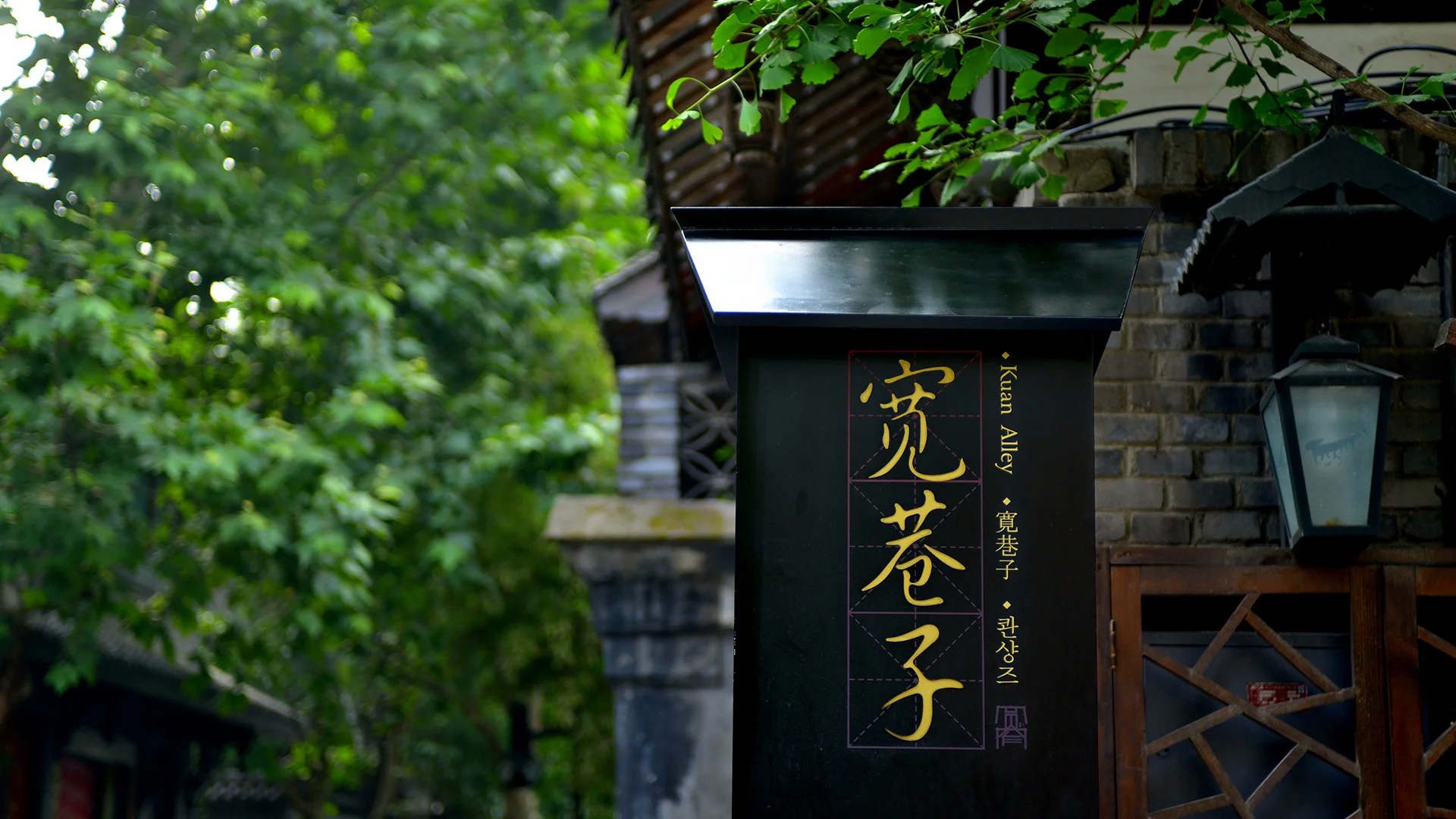
Kuanzhai Xiangzi (宽窄巷子): “Wide and Narrow Alleys,” a Qing-dynasty urban lane area with teahouses, courtyards, and tourist shops.
Wenshu Monastery (文殊院): An active Buddhist temple with calmer surroundings than the busiest tourist lanes.
People’s Park (人民公园): Best for teahouse culture, local life, and the famous ear-cleaning experience.
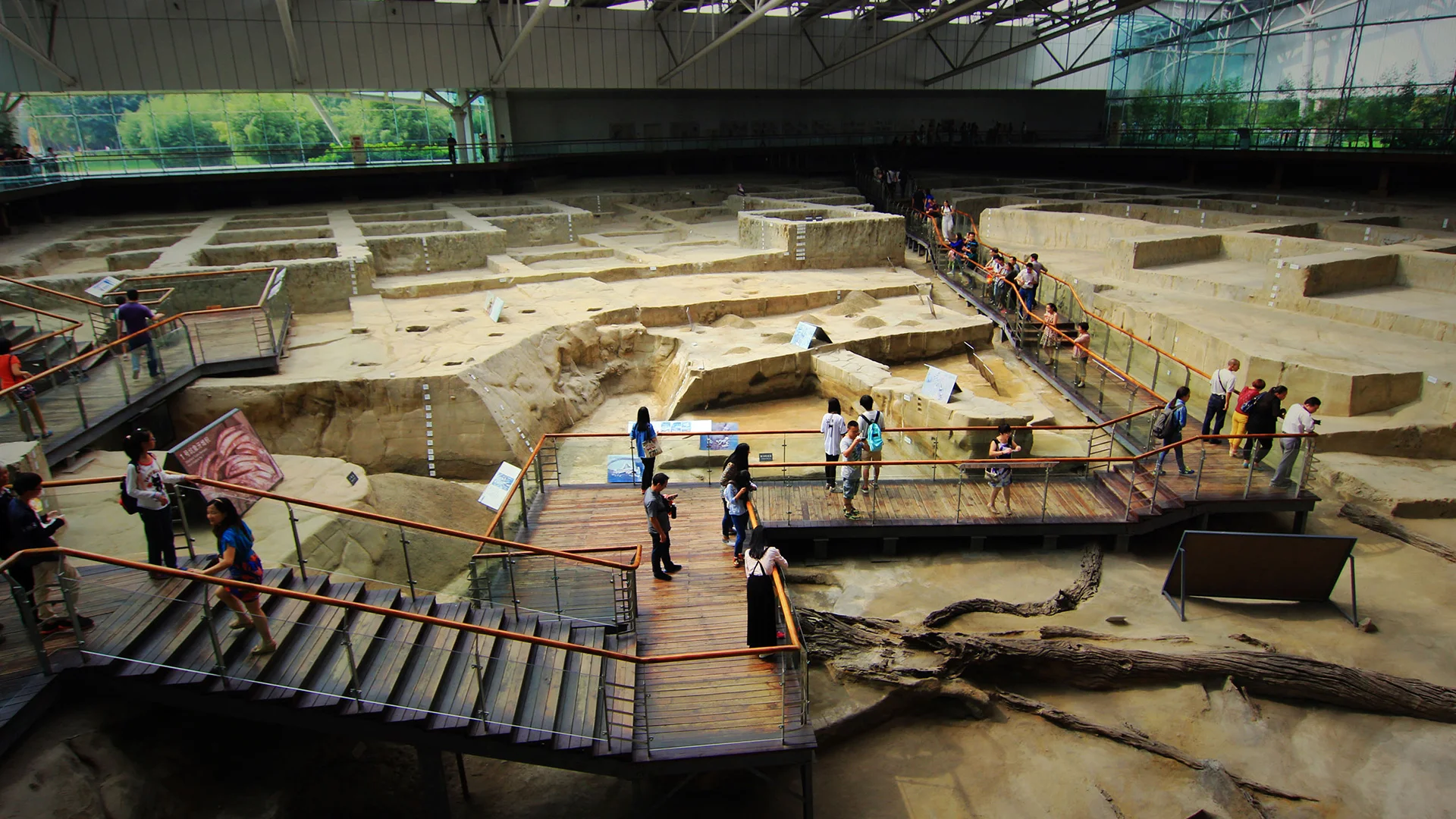
Jinsha Site Museum (金沙遗址博物馆): Important for ancient Shu civilization history and excellent for travelers who want archaeology beyond the standard list.
If you only have one morning in Chengdu, use it for the Panda Base; if you only have one afternoon, choose Wuhou Shrine and Jinli.
Popular day trips from Chengdu
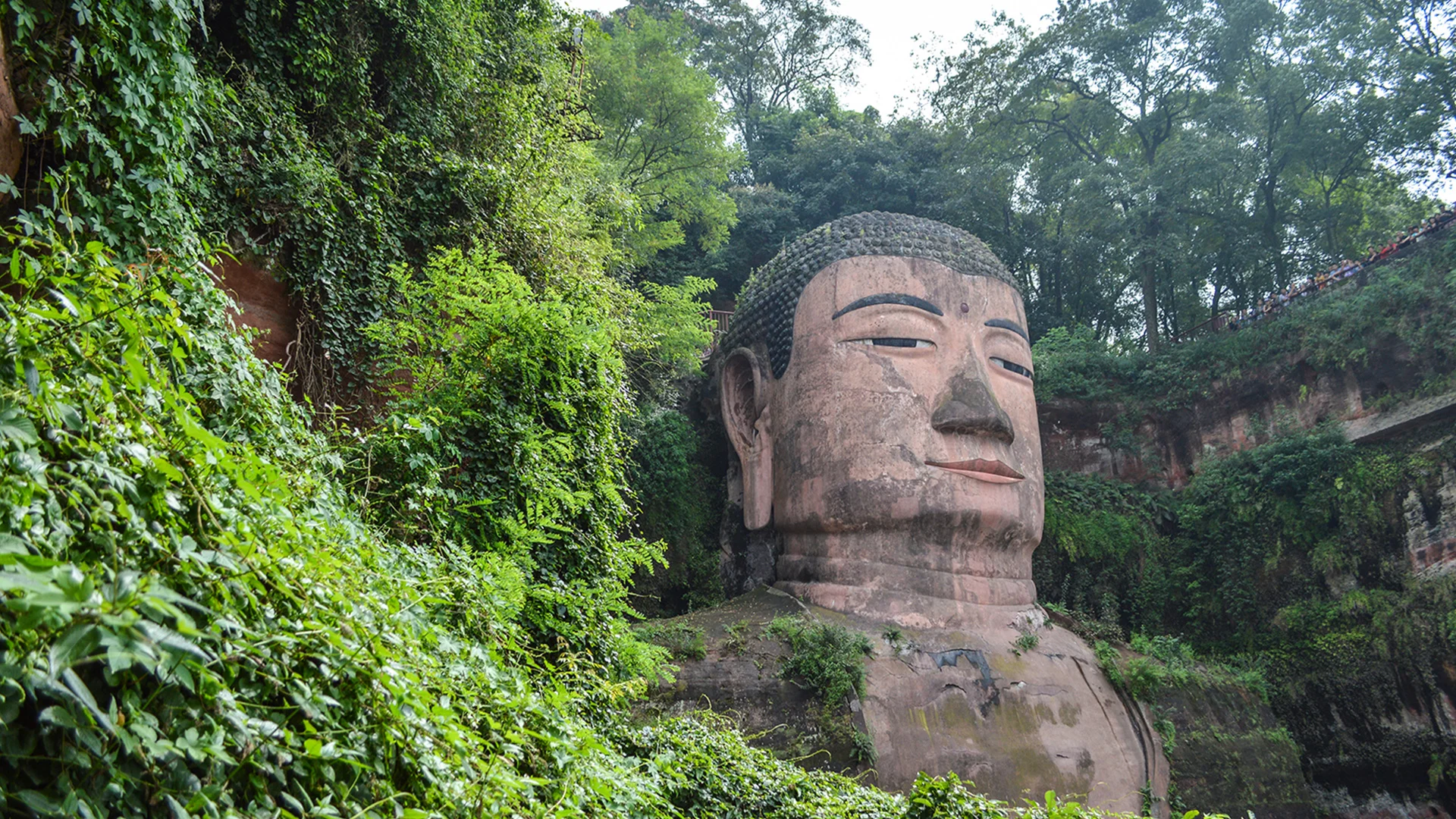
Leshan Giant Buddha (乐山大佛): About 150 km from Chengdu. High-speed rail from Chengdu East to Leshan often takes around 50-60 minutes, followed by bus or taxi to the scenic area.
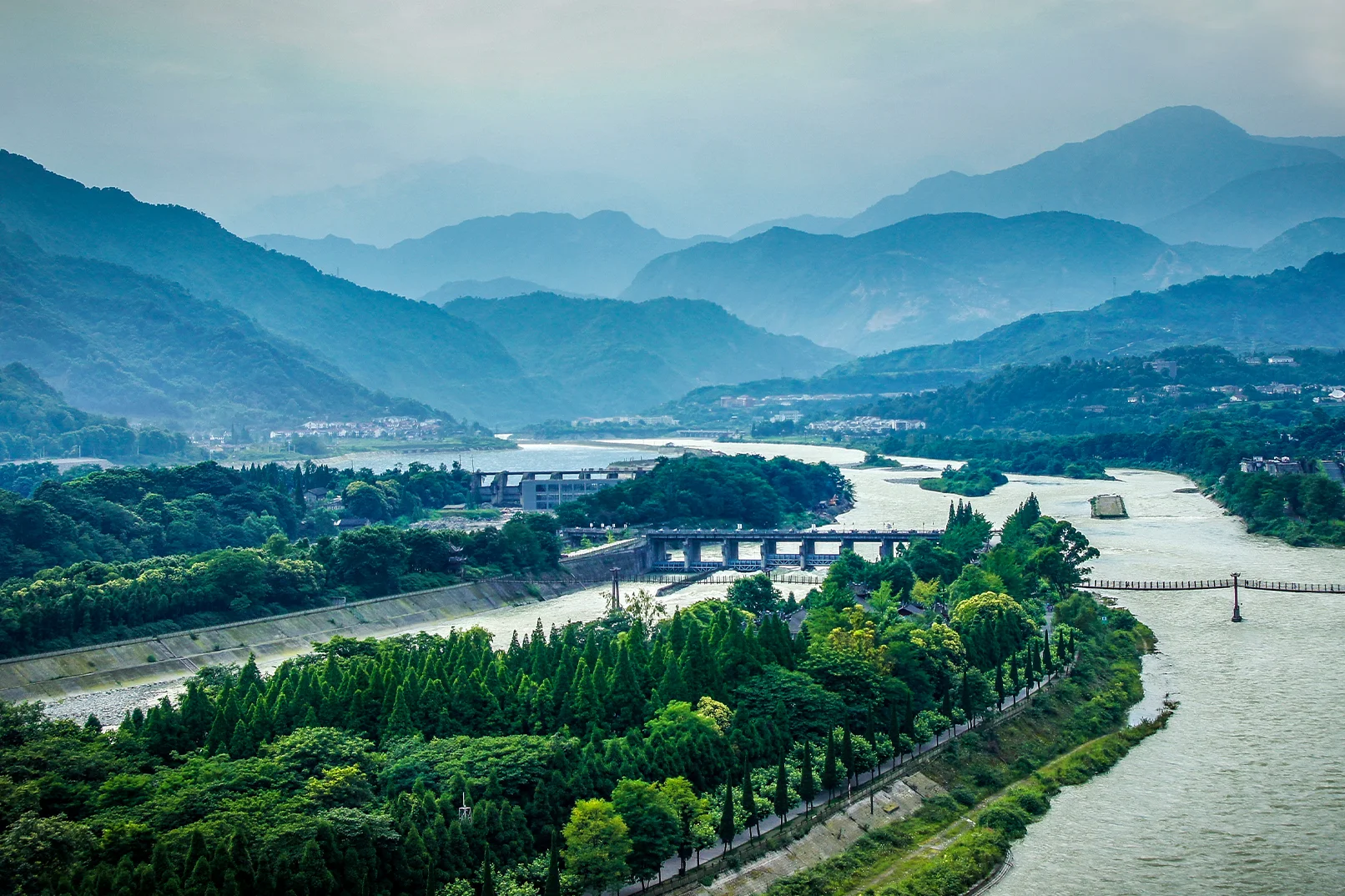
Dujiangyan Irrigation System (都江堰): An ancient hydraulic engineering project first built in 256 BCE during the Qin state. It is both historically significant and visually impressive.
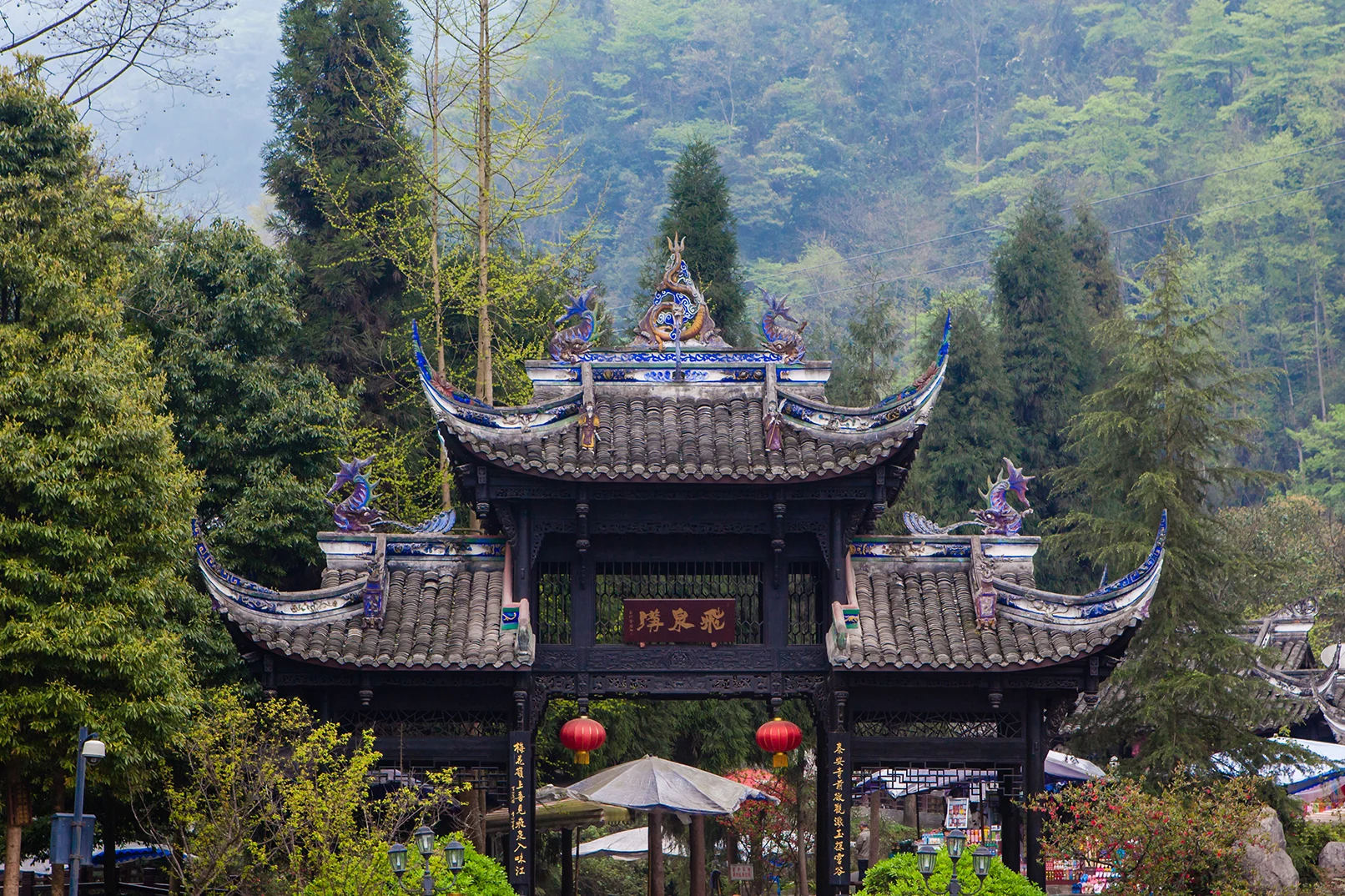
Mount Qingcheng (青城山): A major Daoist mountain associated with early Daoism. Often paired with Dujiangyan in one long day.
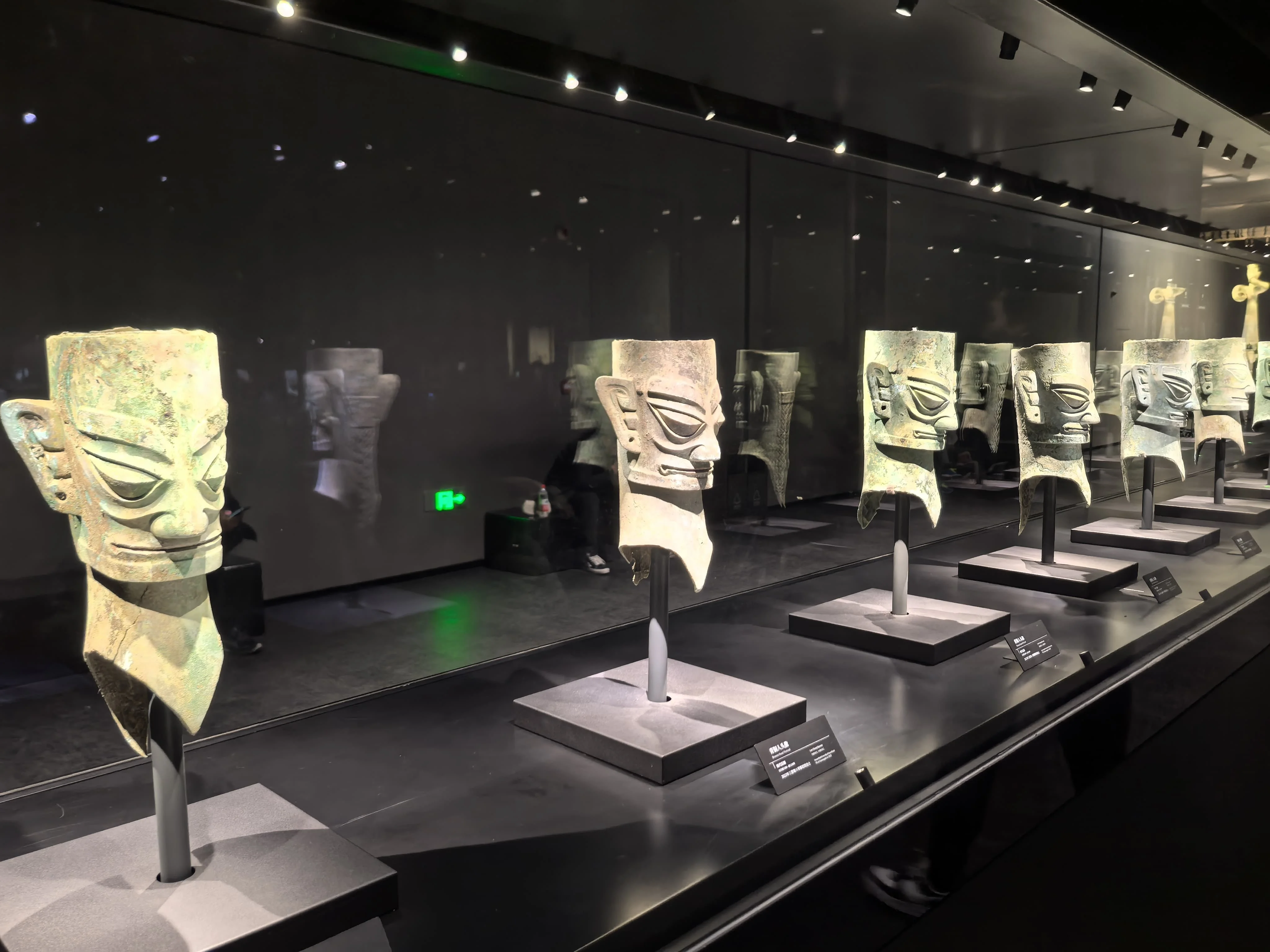
Sanxingdui Museum (三星堆博物馆) in Guanghan: Best known for bronze masks and ancient Shu artifacts; a strong choice for travelers interested in Chinese archaeology.
Entrance fees and booking systems can change, but typical 2026 expectations are around ¥55 for Wuhou Shrine, about ¥50-¥60 for Jinsha Site Museum, and a higher combined budget for panda base transport and tickets. Major attractions increasingly favor online booking or time-slot reservations, especially on weekends and Chinese public holidays.
Sample Chengdu itinerary planning
Day 1: Panda Base in the morning, lunch near Chunxi Road, People’s Park in the afternoon, hotpot dinner.
Day 2: Wuhou Shrine, Jinli, Sichuan cuisine break, Kuanzhai Xiangzi at dusk.
Day 3: Wenshu Monastery, Jinsha Site Museum or shopping around Taikoo Li, then a Sichuan opera show with face-changing performance.
Day 4: Day trip to Leshan or to Dujiangyan and Mount Qingcheng.
The best Chengdu itinerary planning balances one major attraction, one cultural site, and one food or leisure experience per day.
Where to stay in Chengdu: the best neighborhoods for first-time visitors
For most international travelers, the best answer to where to stay in Chengdu is Tianfu Square, Chunxi Road, Taikoo Li, or the Wenshu Monastery area because these neighborhoods combine Metro access, dining, and easy sightseeing. A good Chengdu accommodation guide depends more on location than on star rating.
Best areas by travel style
Tianfu Square: Best all-round base. Central location, strong Metro connections, and easy access to museums, shopping, and taxis.
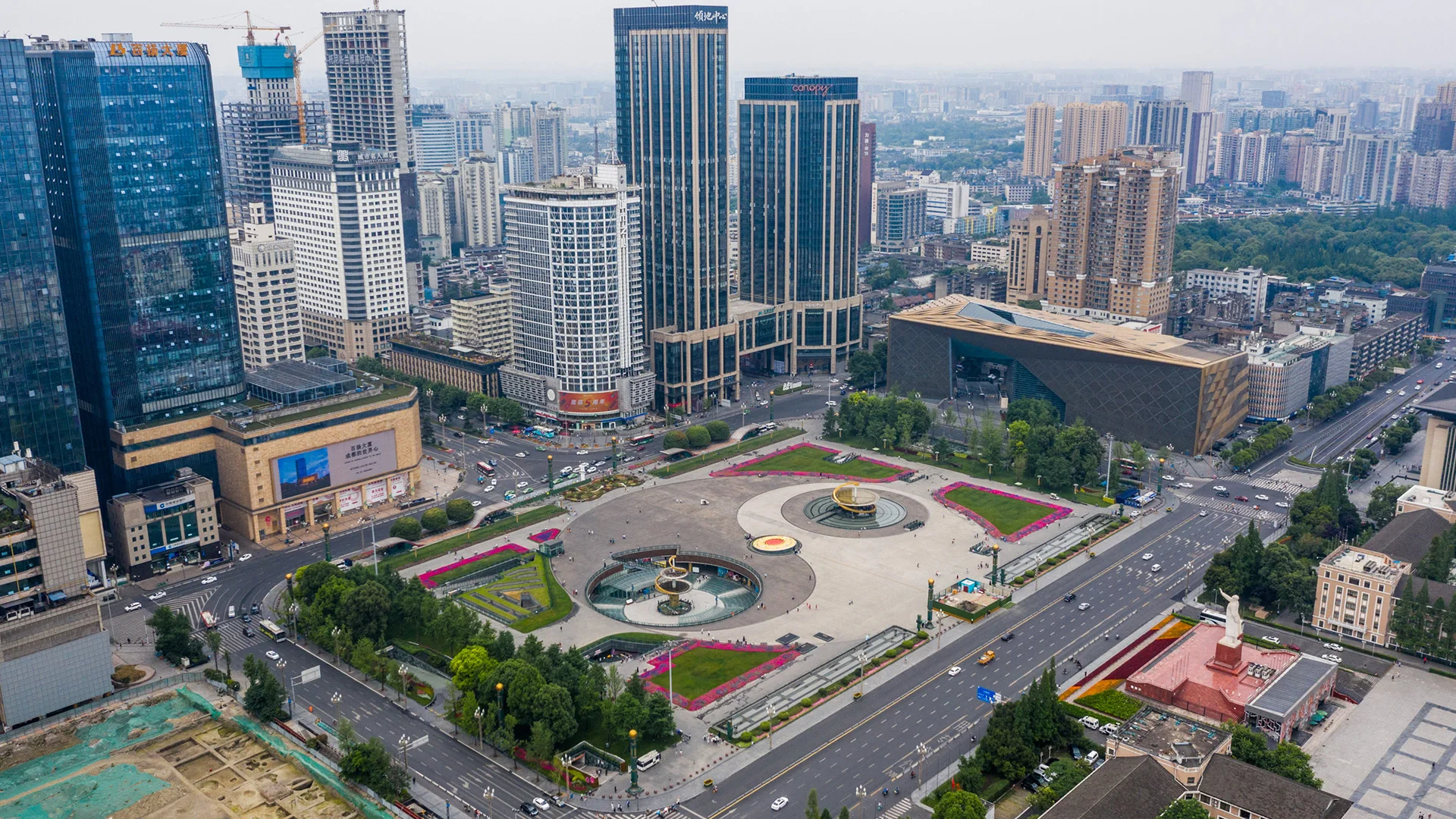
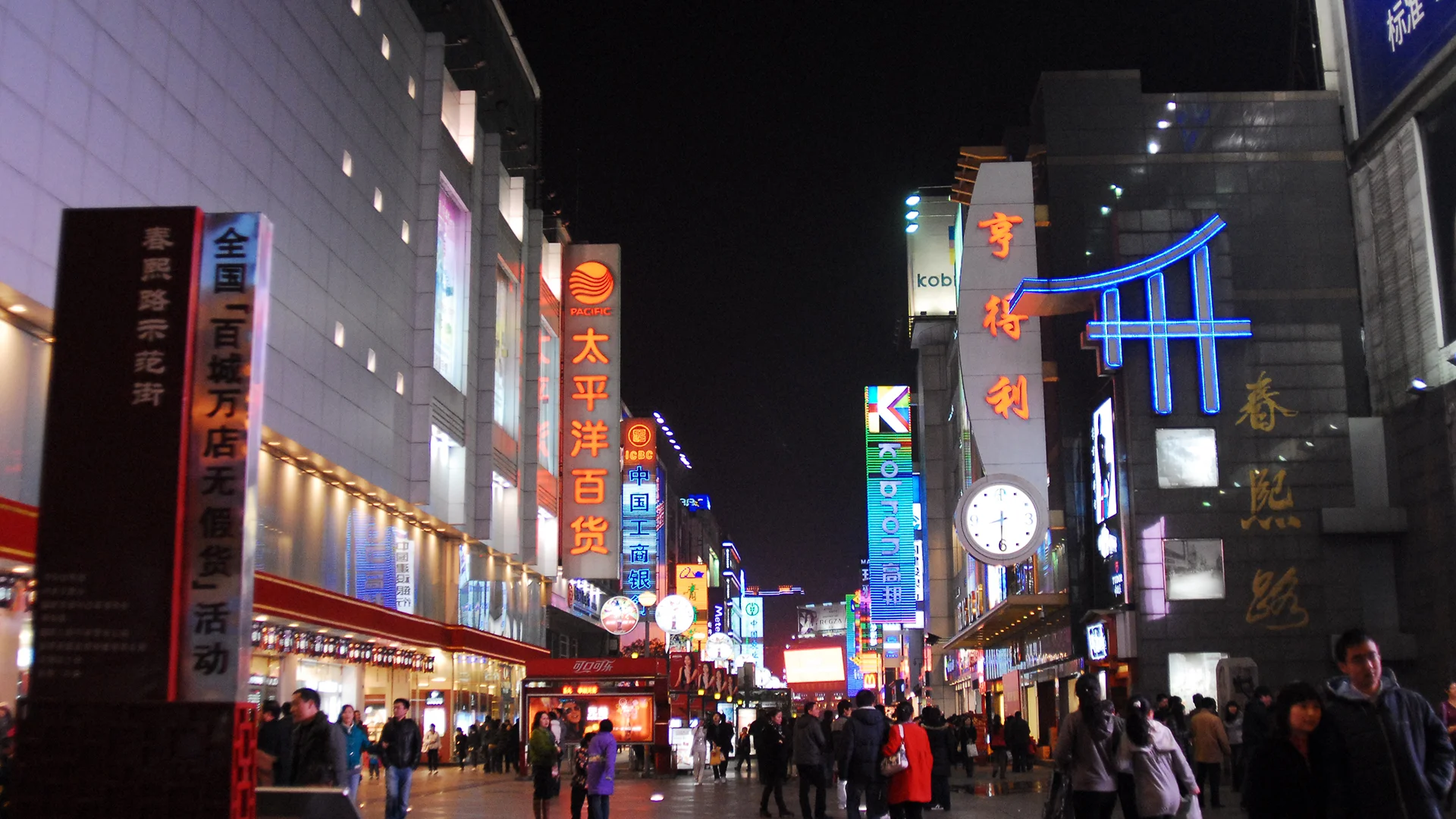
Chunxi Road and Taikoo Li: Best for first-timers who want shopping, nightlife, and modern city energy. Many international brands and restaurants are nearby.
Wenshu Monastery area: Better for quieter stays with local food streets and a more relaxed atmosphere.
Kuanzhai Xiangzi / Tonghuimen area: Convenient for atmospheric lanes and old-city sightseeing, though some streets are busier and more touristy.
South Railway Station / Financial City: Good for business travel, modern hotels, and airport convenience, but less charming for a short leisure trip.
If you want the simplest first visit, book within walking distance of a Metro station on Lines 1, 2, 3, or 4.
Typical hotel price ranges in 2026
Hostels and budget inns: ¥60-¥180 per bed or simple room.
Mid-range hotels: ¥250-¥550 per night.
Upscale international or luxury hotels: ¥700-¥1,500+ per night.
Prices rise on weekends, summer holidays, and major Chinese holiday periods such as National Day in early October and Chinese New Year travel season. Booking 2 to 4 weeks ahead is usually enough for ordinary dates, but book earlier for holiday periods or panda-heavy family travel seasons.
What to check before booking
Foreign guest acceptance: Confirm that the hotel accepts international travelers with passports.
Metro distance: A hotel 300-800 meters from a station is usually ideal.
Breakfast style: Useful for early day trips, especially if you plan a pre-7:30 departure.
Laundry: Helpful in humid weather or longer Sichuan trips.
Translation support: Properties used to international guests often provide smoother check-in.
In a practical Chengdu accommodation guide, the winning strategy is to avoid over-prioritizing scenic streets and instead choose a central hotel with strong transport links. That usually saves more time than paying extra for a heritage-style lane view.
Chengdu transportation guide: how to get around Chengdu efficiently
The most reliable way to get around Chengdu is to combine Metro for major routes, Didi taxis for door-to-door convenience, and high-speed rail for day trips. This Chengdu transportation guide is especially important because the city is spread out, and road traffic can be slow at peak hours.
Arriving in Chengdu
Chengdu Tianfu International Airport (TFU): The newer long-haul gateway southeast of the city. It is far from central Chengdu, so allow about 50-80 km and around 1 to 1.5 hours depending on destination and mode.
Chengdu Shuangliu International Airport (CTU): Closer to the urban core and still convenient for many domestic and some international routes.
Chengdu East Railway Station: Main high-speed rail hub for many visitors coming from Xi’an, Chongqing, Leshan, or other Chinese cities.
If you land at Tianfu Airport late at night, a taxi or pre-booked transfer is often worth the extra cost over a complex Metro connection.
Metro, taxis, and app-based transport
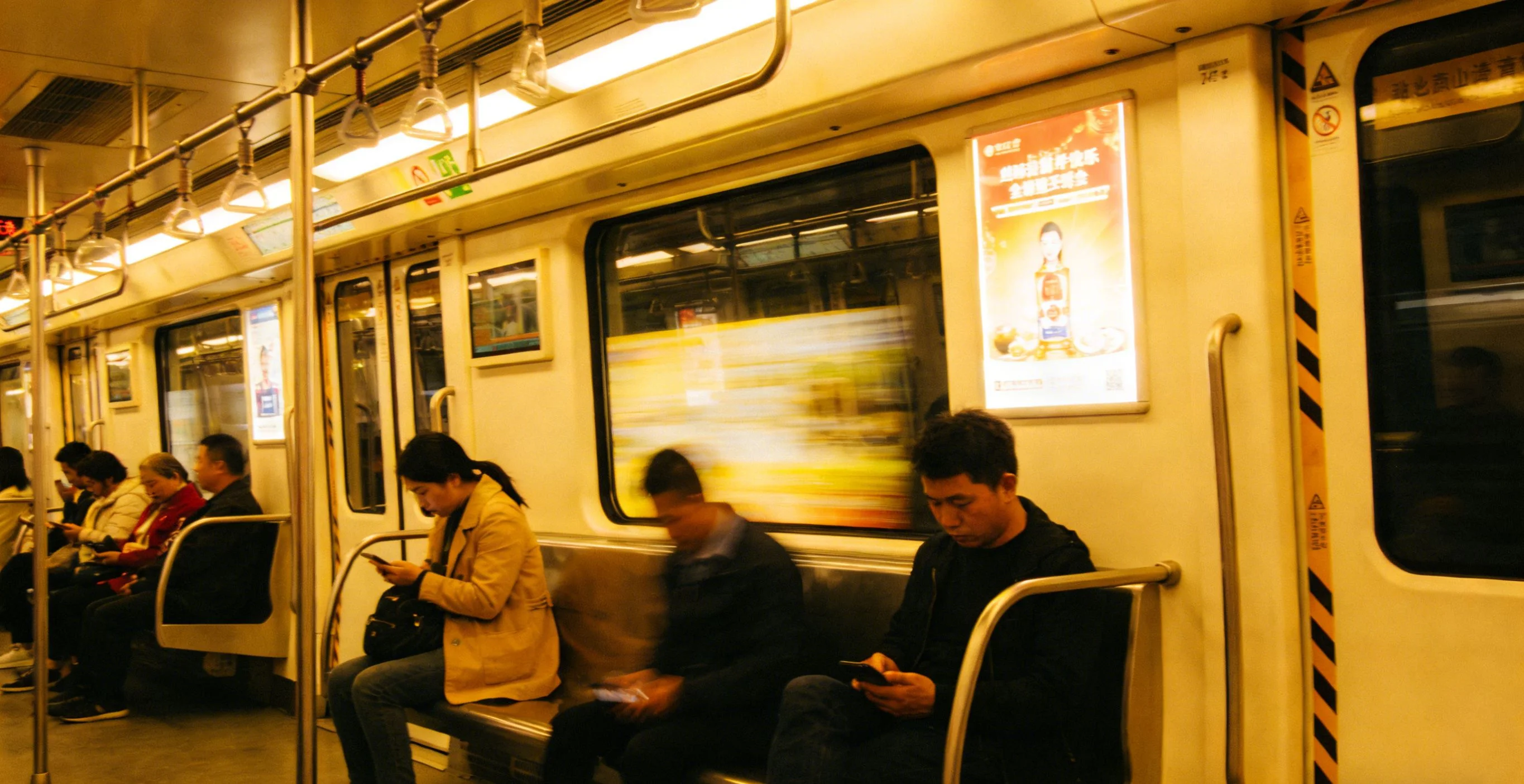
Metro: Fast, cheap, and bilingual enough for most travelers. Single fares are usually around ¥2-¥8 depending on distance.
Taxis: Reasonable by big-city standards. Short urban rides often cost about ¥15-¥35, while airport runs vary much more by distance.
Didi: The easiest ride-hailing app for many foreigners, especially when linked through Alipay or a supported payment method.
Buses: Very cheap, but less convenient if you do not read Chinese well.
For most visitors wondering how to get around Chengdu, the answer is simple: use Metro by day, Didi at night, and avoid driving yourself. Station names are usually easier to match than street addresses, so save Chinese names of hotels and attractions in your phone.
Useful route examples
Tianfu Square to Chunxi Road: Roughly 2 km; Metro or taxi both work well.
Chunxi Road to Wuhou Shrine: About 4-5 km depending on route; taxi can be quick off-peak, Metro more predictable in rush hour.
Central Chengdu to Panda Base: Usually around 10-15 km depending on starting point; allow 40-70 minutes total in the morning.
Chengdu East to central hotel zones: Often 8-12 km; allow 25-45 minutes.
In central districts, distance in kilometers matters less than traffic timing, so always add a time buffer before train departures or reservation slots.
High-speed rail for side trips
Book with passport details on Trip.com, 12306, or an agency platform.
Arrive 30-45 minutes early because security and station navigation take time.
Use your passport as ID where accepted for ticket collection or station entry under current procedures.
Keep destination names in Chinese to show station staff if needed.
Leshan, Dujiangyan, and other Sichuan destinations are much easier by rail than by long taxi ride. For independent travelers, high-speed rail is one of the biggest reasons Chengdu works so well as a base city.
Practical 2026 tips: payments, food, culture, and safety in Chengdu
Chengdu is generally safe, affordable, and easy to enjoy if you prepare for cashless payment, spicy food, and basic app-based navigation. For most visitors, the biggest adjustment is not language but the digital ecosystem.
Payments and money
Alipay and WeChat Pay are standard across Chengdu in 2026, including convenience stores, museum kiosks, cafés, and many street-food counters. International bank card linking has improved, but setup can still vary by country and card issuer, so test your account before travel.
Best practice: Use one primary app and one backup method.
Cash backup: Keep small notes for contingency, though many places rarely handle cash.
ATMs: Available in banks and large malls, but international card compatibility varies.
If your mobile payment works, Chengdu becomes dramatically easier within minutes.
Food and dining etiquette
Chengdu is one of China’s great food cities, known for málà flavor, or the hot-and-numbing combination of chili and Sichuan peppercorn. Famous dishes include huǒguō (hotpot), dandan noodles, mapo tofu, kung pao chicken, chuanchuan, and rabbit dishes.
Spice level: Ask for less spicy if needed; many restaurants can adjust.
Useful phrase: “Bú yào tài là” means “not too spicy.”
Tea culture: Try gaiwan tea in a teahouse at People’s Park.
Dining hours: Lunch is commonly around 11:30-13:30; dinner around 17:30-20:30.
A normal local meal may cost ¥20-¥50, while hotpot often ranges from ¥80-¥180+ per person depending on restaurant and ingredients. In tourist lanes, expect somewhat higher prices and more variable quality.
Safety, etiquette, and common sense
Personal safety: Central Chengdu is generally safe for solo travelers, including women, with normal urban precautions.
Scams: Tourist-tea or bar scams are less common than in some cities but still possible; use established venues.
Crossing streets: Traffic awareness matters, especially with e-bikes.
Weather: Summers are hot and humid; winters are damp and chilly rather than severely cold.
Air quality: Check local readings if you are sensitive, especially in winter.
The most useful safety tip in Chengdu is to save your hotel name, address, and nearest Metro station in Chinese characters.
Cultural context that improves the trip
Chengdu is the capital of Sichuan and one of southwest China’s most historically important cities. It was central to the ancient Shu civilization and later became closely associated with the Shu Han state of the Three Kingdoms period, which is why sites tied to Zhuge Liang and Liu Bei remain major draws today.
The city is also famous for a slower local rhythm often described as comfortable and livable. Teahouses, mahjong, shaded parks, and long meals are not just tourist images; they are part of Chengdu’s real social life.
Frequently Asked Questions
How many days do I need in Chengdu in 2026?
Most first-time visitors need 3 days for the main city sights and 4 days if they want one day trip such as Leshan or Dujiangyan. A 2-day trip is possible, but you will need to prioritize the Panda Base and one historical area.
How much does a Chengdu trip cost in 2026?
A practical mid-range budget is about ¥450-¥900 per person per day excluding flights, depending on hotel choice and day trips. Budget travelers can spend less by using hostels, Metro, and simple local meals.
What is the best area for where to stay in Chengdu?
Tianfu Square and Chunxi Road are the best all-round choices for first-time international visitors because they are central and well connected. Wenshu Monastery is a good alternative if you want a quieter neighborhood with local character.
How do I get around Chengdu without speaking Chinese?
Use Metro for major routes and Didi for point-to-point trips, and keep attraction and hotel names saved in Chinese characters. Alipay, Amap, and a translation app make how to get around Chengdu much easier in practice.
Is Chengdu safe for solo travelers?
Yes, Chengdu is generally safe for solo travelers in the main urban districts if you use normal city precautions. The most common problems are practical ones such as transport confusion, peak-hour traffic, or payment setup issues rather than serious safety risks.
Do I need cash in Chengdu, or can I pay by phone?
Phone payment is the norm in 2026, and Alipay or WeChat Pay will cover most everyday spending. Still, carrying a small cash backup such as ¥200-¥500 is smart in case of app or card-linking problems.
Disclaimer: This information is provided for reference only and was last updated on . Requirements and regulations may change. Always verify with official sources before making travel plans.