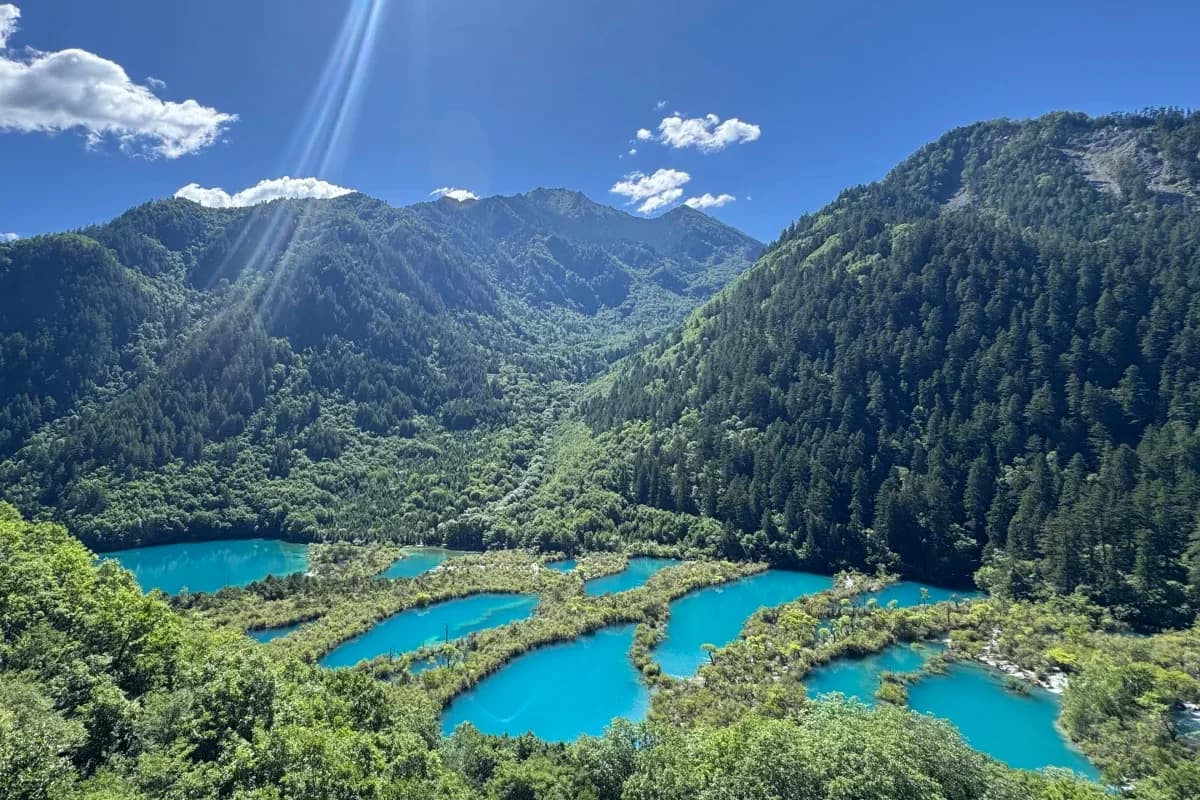
Overview
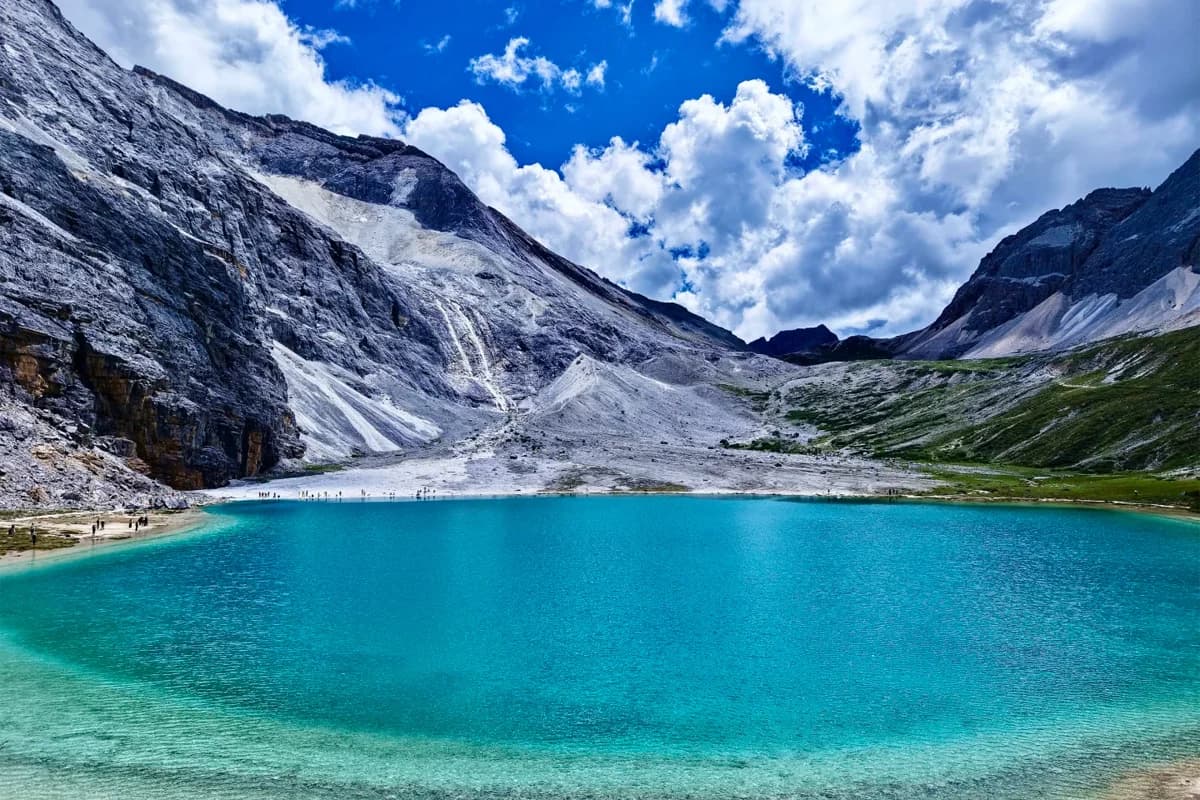
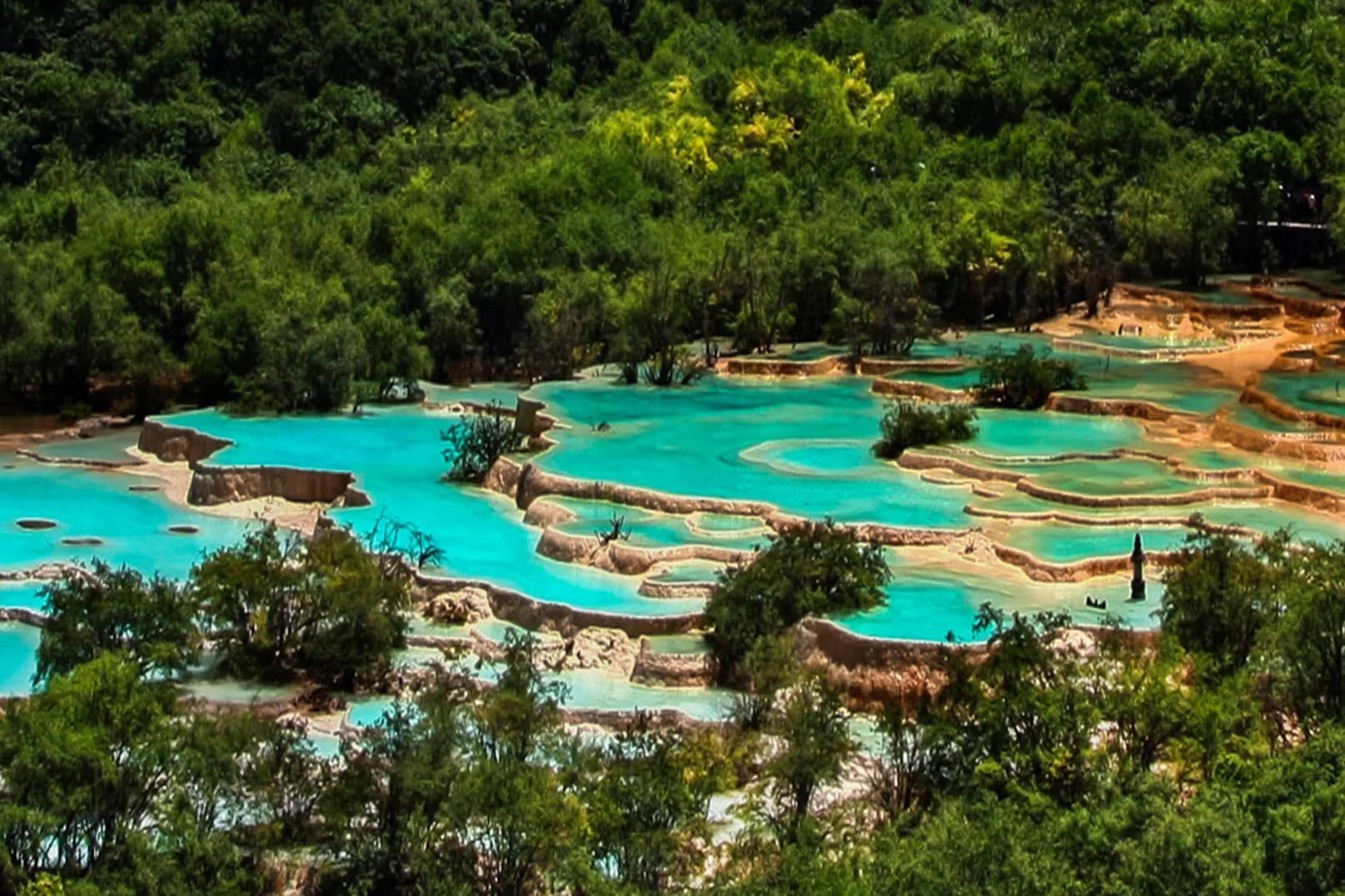
Jiuzhaigou is known as the "King of Waterscapes." The scenic area is laid out in a "Y" shape and requires 1-2 days to explore. The best time to visit is in late October (mid-to-late October), when the colorful forests and lakes reflect each other, creating a vibrant spectacle. It is recommended to take the sightseeing bus and use a "get on first, then get off" strategy.
How to Get There
Getting to Jiuzhaigou is now very convenient. The most common way is to take the high-speed train from Chengdu East Station to Huanglong Jiuzhaigou Station (about 2 hours). After exiting the station, you can book a direct shuttle bus to the scenic area through the WeChat mini-program "Jiulv Yuexing" or share a ride outside the station (about 2 hours). This will take you to the entrance of the park.
Once inside the scenic area, you will need to take a sightseeing bus. The bus will operate in a public transport-like manner to the top of the "Y"-shaped route. It is recommended to first take the bus to Changhai Lake or the primeval forest, then descend to visit the highlights such as Five-Colored Pool and Five-Flower Lake, and finally hike through Shuzheng Valley, making full use of the combination of travel by car and walking.
What to Expect
The facilities within the Jiuzhaigou Scenic Area are very comprehensive. Clear signs and viewing platforms are provided along the way. The Nuorilang Visitor Center is the only smoking area and dining area within the scenic area, featuring a restaurant, gift shop, and convenience store where visitors can rest and replenish their energy. In addition, the visitor center offers hot water, drinking water, and luggage storage services. Multilingual signage and smart navigation make exploring the area easier and more convenient.
Practical Tips
- Book tickets online in advance - daily limits strictly enforced
- Mid-October offers peak autumn colors
- Take the shuttle to the top and walk down
- Five Flower Lake and Pearl Shoal Waterfall are must-sees