Overview
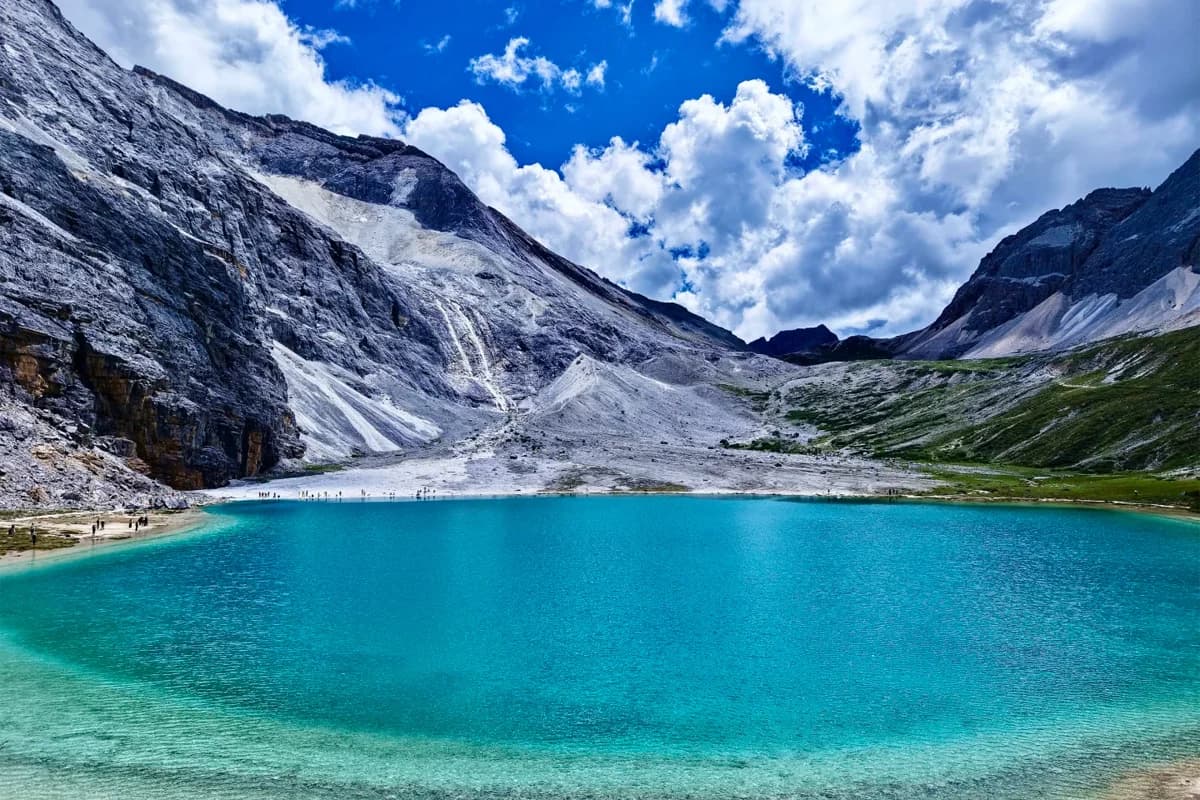
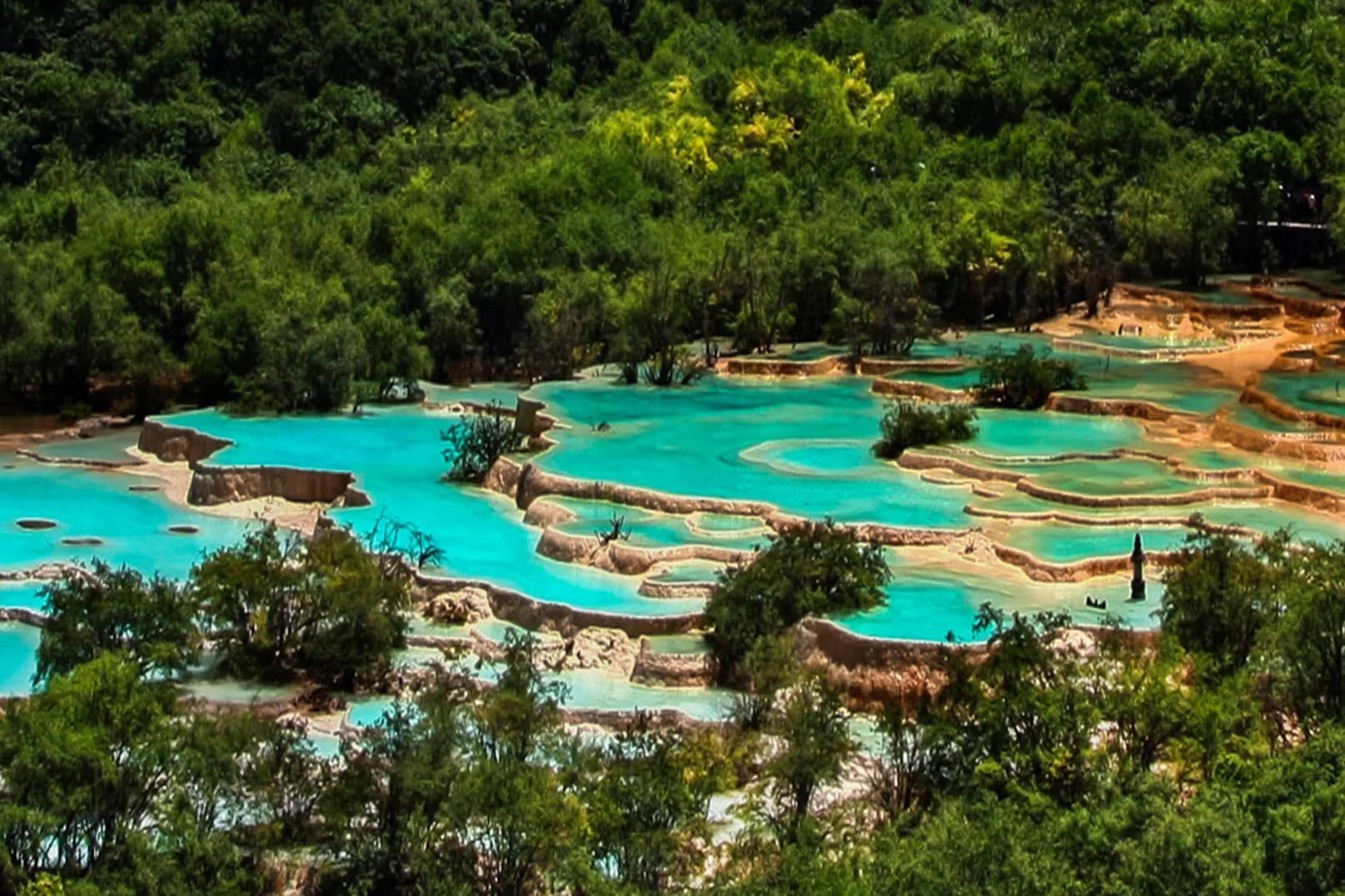
Huanglong Scenic Area is a plateau wetland listed as a World Natural Heritage site, renowned for its several-kilometer-long golden travertine terraces and over three thousand colorful pools. It is nicknamed "Jade Pool of the Human World" because its shape resembles a golden dragon when viewed from above.
The core scenic area is located in Huanglong Valley, at an altitude of approximately 3100 to 3500 meters. A visit of 4 to 5 hours is recommended. The best time to visit is from June to November each year, with July to October being the high-water season. During this time, the pools are full of water, and the blue, green, and yellow colors displayed under the sunlight are at their most dazzling.
How to Get There
The most convenient way to get there is by high-speed rail. From Chengdu East Station, it takes approximately 1 hour and 39 minutes to reach Huanglong Jiuzhaigou Station or Songpan Station. After exiting the station, you can purchase tickets on-site and take a direct shuttle bus to Huanglong Scenic Area. The fare is approximately 28-33 yuan, and the journey takes about 50-70 minutes.
A recommended itinerary is "cable car up the mountain + hiking down the mountain" to save energy: Take the cable car (80 yuan uphill) from the visitor center to the top of the mountain. After exiting the station, you can transfer to a sightseeing electric cart (advance booking is required during peak season) to reach the core scenic spot, Five-Colored Pools. Then, hike down the mountain along the boardwalk, visiting highlights such as Huanglong Ancient Temple, the Five-Colored Pools, and the Golden Sands.
What to Expect
The scenic area boasts well-developed hiking trails, primarily consisting of wooden boardwalks built along the valley. The routes are clearly marked and connect all major attractions. The trails include uphill and downhill sections and numerous stairs; due to the high altitude, climbing can be physically demanding, so a slow pace is recommended. Several restrooms and free oxygen rooms are available along the way (useful for a few yuan by purchasing straws). Free hot water is also available in some areas. Gift shops and restaurants are located near the scenic area entrance and cable car station, offering simple meals (such as sausages and boxed lunches) and souvenirs, but prices are generally higher than outside. Bringing your own food is also advisable.
Practical Tips
- Start early and aim to arrive before 10:00 to avoid afternoon clouds and tour-group congestion around the colorful pools.
- Bring layers, sunscreen, and water — Huanglong sits at high altitude, and even in summer mornings can feel cold while UV exposure is strong.
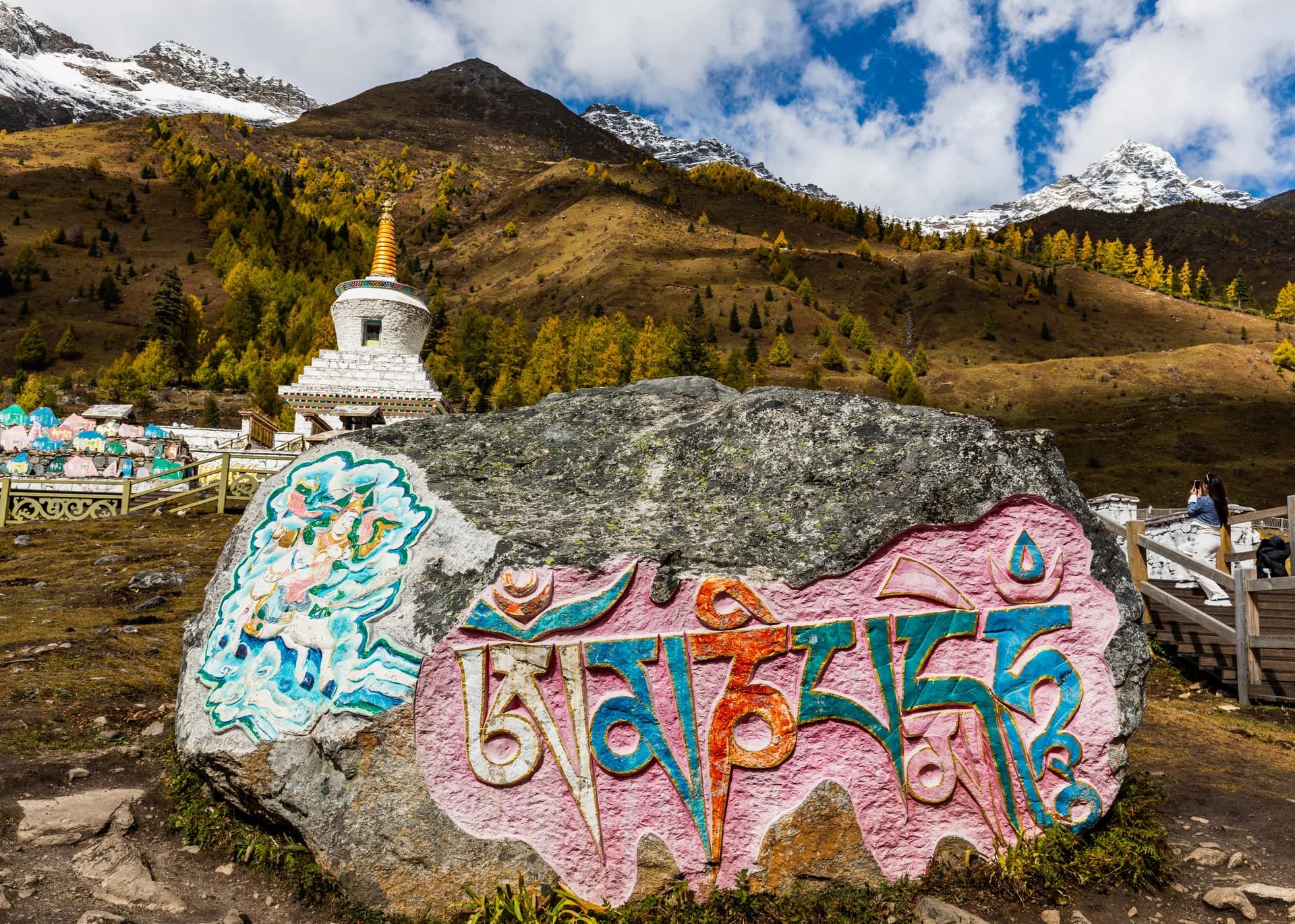
- When passing by temples and other places, please keep quiet and respect the beliefs and customs of the local Tibetan and Qiang people.
- For altitude sickness, you can take Rhodiola rosea in advance and avoid strenuous exercise.