
historicalLijiang
Lijiang Old Town
A UNESCO World Heritage Site, Lijiang's 800-year-old old town is a maze of cobblestone streets, traditional Naxi wooden buildings, and flowing canals. Unlike most Chinese ancient towns, Lijiang was never walled and developed organically along its waterways. The Naxi minority culture, with its unique Dongba script and music, remains visible despite heavy tourism.
Opening Hours
24 hours (maintenance fee checkpoint 7:00 AM - 6:00 PM)
Ticket Price
¥50 (ancient city maintenance fee)
Location
Lijiang Old Town, Yunnan
Overview
Lijiang Old Town (also known as Dayan Old Town), located in Yunnan Province, is a World Cultural Heritage site with over 800 years of history and the center of Naxi culture. It is recommended to allocate one day for a visit. While it can be visited year-round, the best times are spring (March-May) and autumn (September-November) when the weather is mild and the scenery is at its most beautiful. For a local experience, head to the Zhongyi Market for an early morning market, and enjoy the dazzling lights and lively bars of the old town at night.
How to Get There
Arriving in Lijiang from other cities, you can choose to fly (Lijiang Sanyi International Airport) or take the train (Lijiang Railway Station). From the airport, you can take an airport shuttle bus (approximately 20 RMB) or a taxi into the city center; from the railway station, there are buses (such as routes 103 and 104), taxis, or ride-hailing services that go directly to the outskirts of the Old Town. Exploring the Old Town itself is entirely on foot. If you plan to visit the surrounding areas, we highly recommend the economical tourist bus routes: to Jade Dragon Snow Mountain, take bus 101 (departing from near Zhongyi Market, fare 15 RMB); to Shuhe Ancient Town, take bus 111 (fare 2 RMB); and to Baisha Ancient Town, there is a dedicated bus line (fare 5 RMB). In addition, the newly opened snow mountain sightseeing train connects attractions such as Baisha Ancient Town, offering a unique sightseeing experience. A suggested route is to start from the Big Waterwheel at the entrance of the Old Town, pass through Sifang Street to Mu's Residence, and finally take a dedicated bus line extending to Shuhe or Baisha.
What to Expect
The entire interior of Lijiang Old Town is pedestrianized; motor vehicles are not allowed. Comfortable, non-slip shoes are recommended. Signage and a visitor service center (for inquiries or luggage storage) are located at the main entrance. Gift shops (souvenir shops) are scattered throughout the streets and alleys, mainly selling shawls, silverware, Dongba paper crafts, and flower cakes; bargaining is advisable. Overall, the Old Town is well-developed commercially, but it retains a large number of historical buildings. Please respect the local culture when visiting.
Practical Tips
- 1Wake early to enjoy the town before tour groups arrive
- 2The northern area around Zhongyi Market is less touristy
- 3Attend a Naxi ancient music performance
- 4Many guesthouses are converted traditional courtyards
Share This Attraction
Found this helpful? Share it with fellow travelers!

Explore Lijiang
Discover more attractions, food, and travel tips for Lijiang.
View destination
More Attractions to Explore
Lijiang·historical
Baisha Old Town
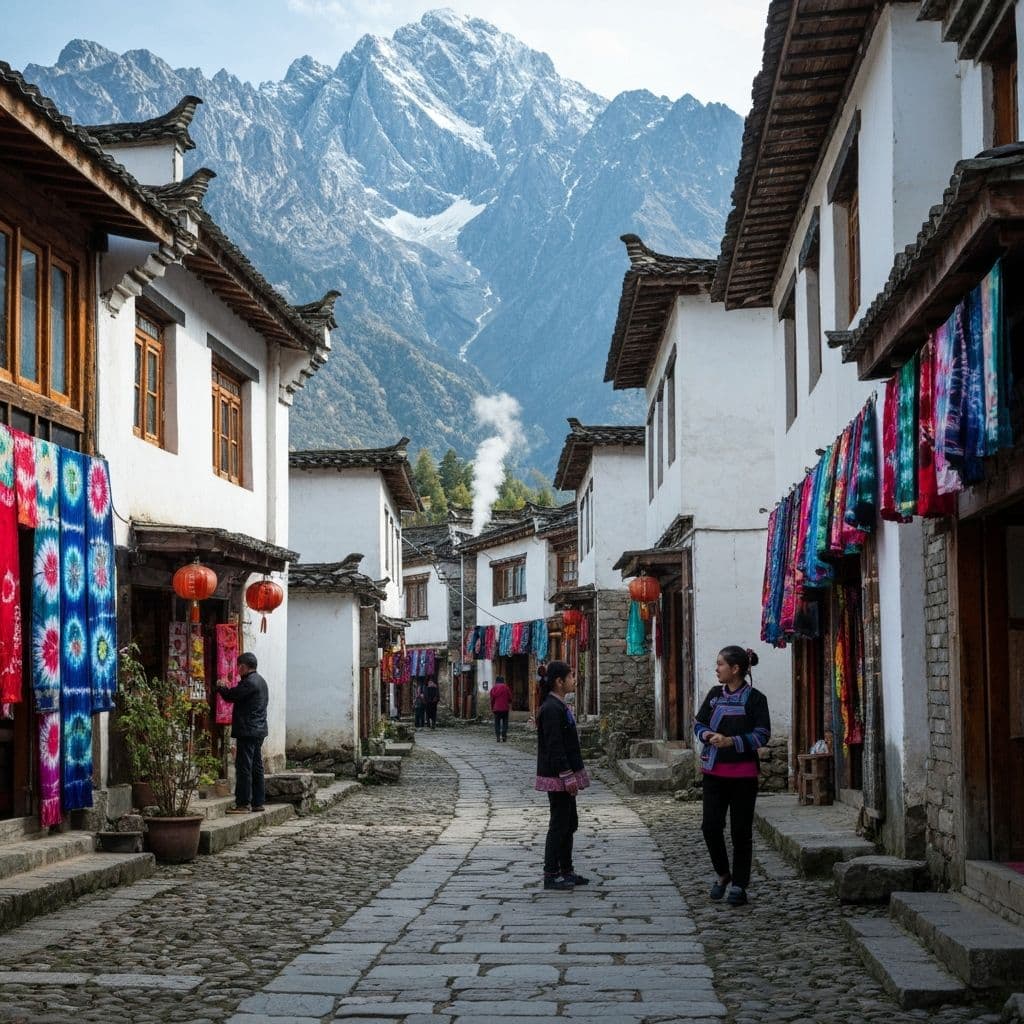
Baisha Old Town is the earliest settlement of the Naxi Kingdom and serves as a tranquil alternative to the bustling Lijiang Old Town. Located at the foot of Jade Dragon Snow Mountain, this historic village offers a glimpse into authentic local life with its traditional cobblestone streets and well-preserved mud-brick houses. Visitors can explore the famous Baisha Murals, which depict a unique fusion of Taoist, Buddhist, and Tibetan art, and wander through quiet courtyards away from the commercial crowds. The town retains a slow-paced, rural atmosphere, making it perfect for those seeking cultural immersion and relaxation. It is an ideal spot for photography and enjoying a cup of local tea while watching the world go by.

Lijiang·historical
Yuhu Village

Lijiang·natural
Lugu Lake
Explore Lugu Lake and get travel tips, popular attractions, and visitor reviews. Discover its stunning scenery, local culture, and must-see experiences.