historicalLhasa
Barkhor Street(八廓街)
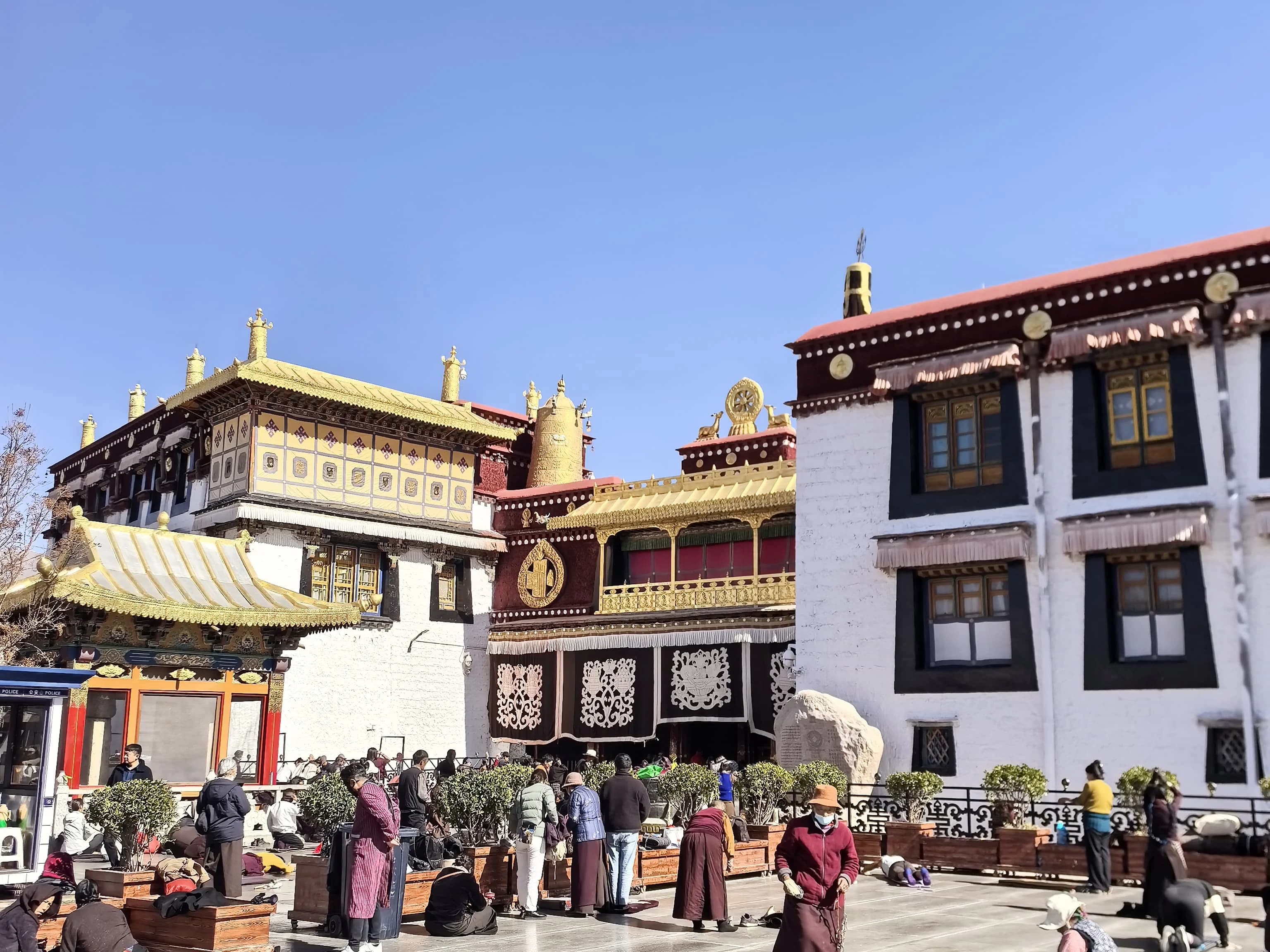
Barkhor Street(八廓街) is a historic landmark in Lhasa, renowned for its pilgrimage route around the Jokhang Temple and the vibrant blend of Tibetan religion, commerce, and daily life. Walking clockwise with pilgrims is both a cultural tradition and an important way to experience the Tibetan circumambulation ritual. Compared to many newly developed areas, the alleyways surrounding Barkhor Street retain more of the charm of old Lhasa.
Opening Hours
24 hours (some attractions have set hours)
Ticket Price
Free(You need to bring your passport)
Location
Chengguan District, Lhasa City, Tibet Autonomous Region
Overview
Barkhor Street, located in the heart of Lhasa, is an ancient street with over 1300 years of history, encircling the Jokhang Temple. Its Tibetan name means "Middle Circumambulation Route," and it is the most important circumambulation route and commercial center of Tibetan Buddhism. The street is approximately 1000 meters in circumference and paved with hand-polished stone slabs, lined with traditional Tibetan buildings featuring white walls and red windows. A visit of 1 to 3 hours is recommended. The best time to visit is from August to October, when the weather is pleasant and the lighting is optimal. When visiting, please be sure to circumambulate clockwise, aligning yourself with other pilgrims and respecting local beliefs.
How to Get There
Barkhor Street is located in the heart of Lhasa's old city and is easily accessible. If you are staying in the city center, walking is the best option; it's about a 15-minute walk from the Potala Palace. Taking public transportation is also convenient; take bus routes 7, 8, 20, 23, or 25 to "Cuomeilin Station" or "Lhasa Maternal and Child Health Hospital Station," and then walk for about 5 to 10 minutes. Taxi fares in Lhasa start at 10 yuan; simply tell the driver you want to go to "Barkhor Street" or "Jokhang Temple." A suggested route is to start at Jokhang Temple Square and proceed clockwise along the pilgrimage route, passing through Barkhor East Street, South Street, West Street, and North Street. Experience the religious atmosphere and everyday life of this circular street, and visit famous landmarks along the way, such as Makye Ame and the former residence of the Qing Dynasty's Resident Minister in Tibet.
What to Expect
Barkhor Street features standardized multilingual signage and a guided tour system. Popular shops offer QR codes for audio guides in three languages. Small visitor service points and volunteer service points are located at street corners, providing multilingual assistance. Restrooms are distributed at major intersections and public areas around the street, with directional signs along the way. The street boasts a wide variety of gift shops, with over 120 handicraft shops and more than 200 stalls offering over 8,000 kinds of goods, including Thangka paintings, Tibetan incense, prayer wheels, and Tibetan carpets. Remember to bargain when shopping. Please note that Barkhor Street requires security checks; please carry your passport for verification.
Practical Tips
- 1Walk clockwise around Barkhor with the pilgrim flow; moving against the kora is considered disrespectful.
- 2Barkhor Street itself is free in 2026, but if you also plan to enter Jokhang Temple, carry cash or mobile payment and budget about ¥85 for foreign visitor admission, subject to same-day policy.
- 3Go early, around 07:30-09:00, for softer light, fewer tour groups, and the strongest local prayer atmosphere.
- 4You can carry spare change with you at any time, making it convenient to offer lamps and make donations according to your own preferences.
Share This Attraction
Found this helpful? Share it with fellow travelers!
Explore Lhasa
Discover more attractions, food, and travel tips for Lhasa.
View destination
More Attractions to Explore
Lhasa·historical
Potala Palace
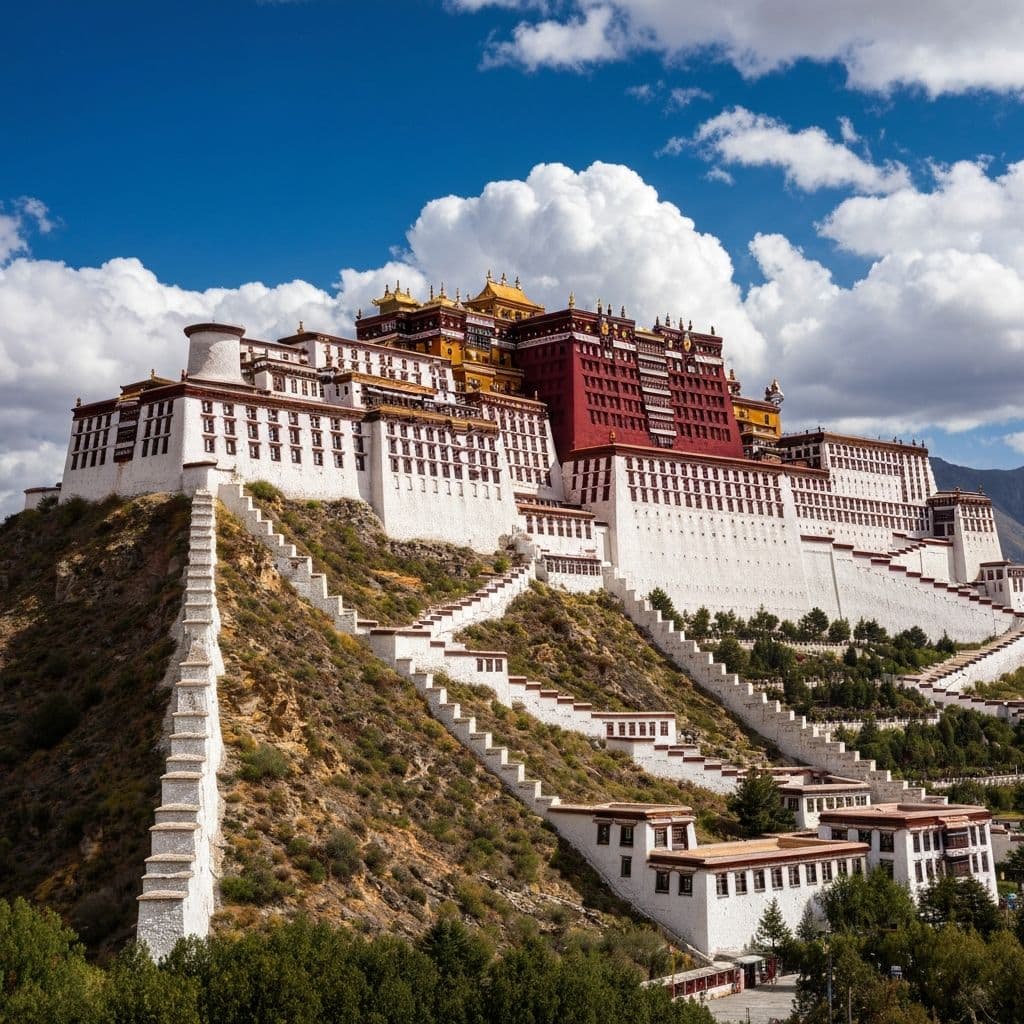
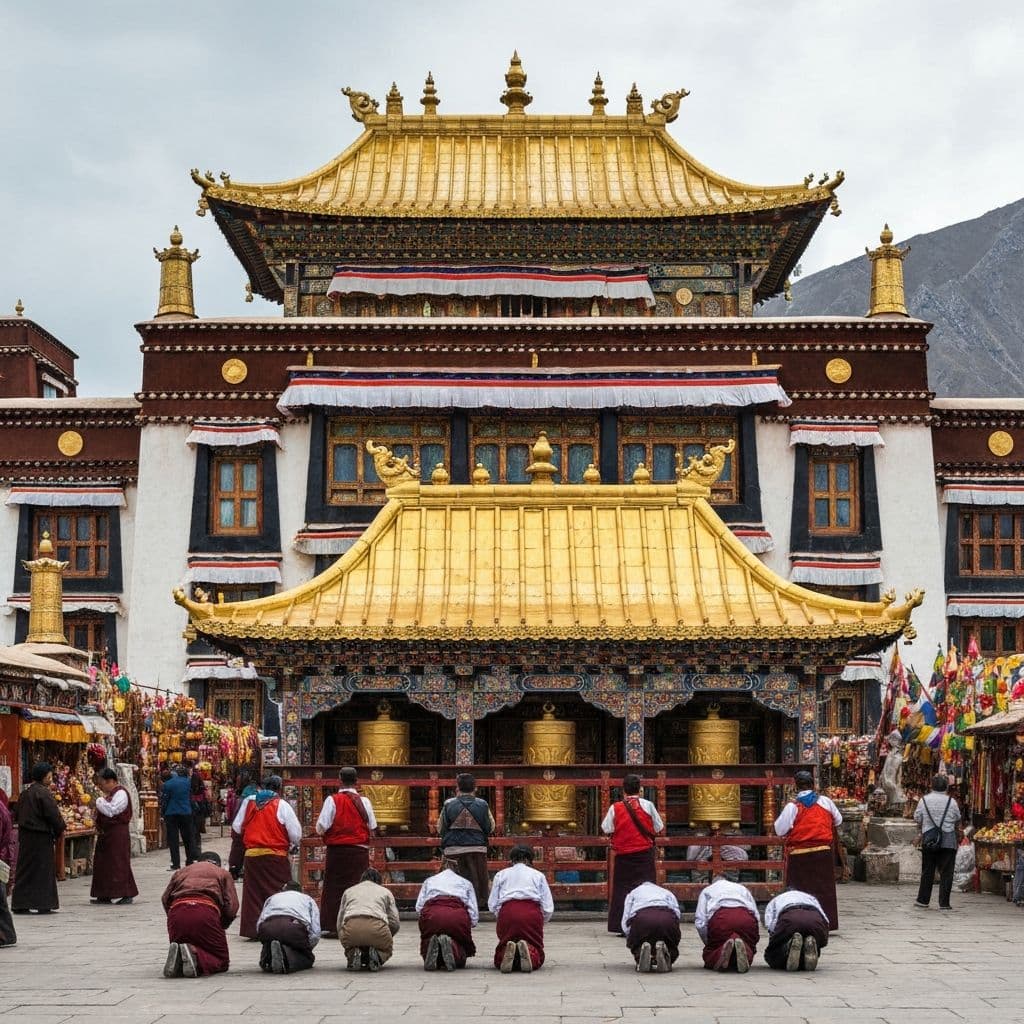
The iconic symbol of Tibet, this 13-story fortress-palace rises 117 meters above Lhasa at 3,700m elevation. Built in the 7th century and expanded by the 5th Dalai Lama, it served as the winter residence of successive Dalai Lamas until 1959. The White and Red Palaces contain over 1,000 rooms, 10,000 shrines, and 200,000 statues. A UNESCO World Heritage Site of profound spiritual significance.
Lhasa·religious
Jokhang Temple
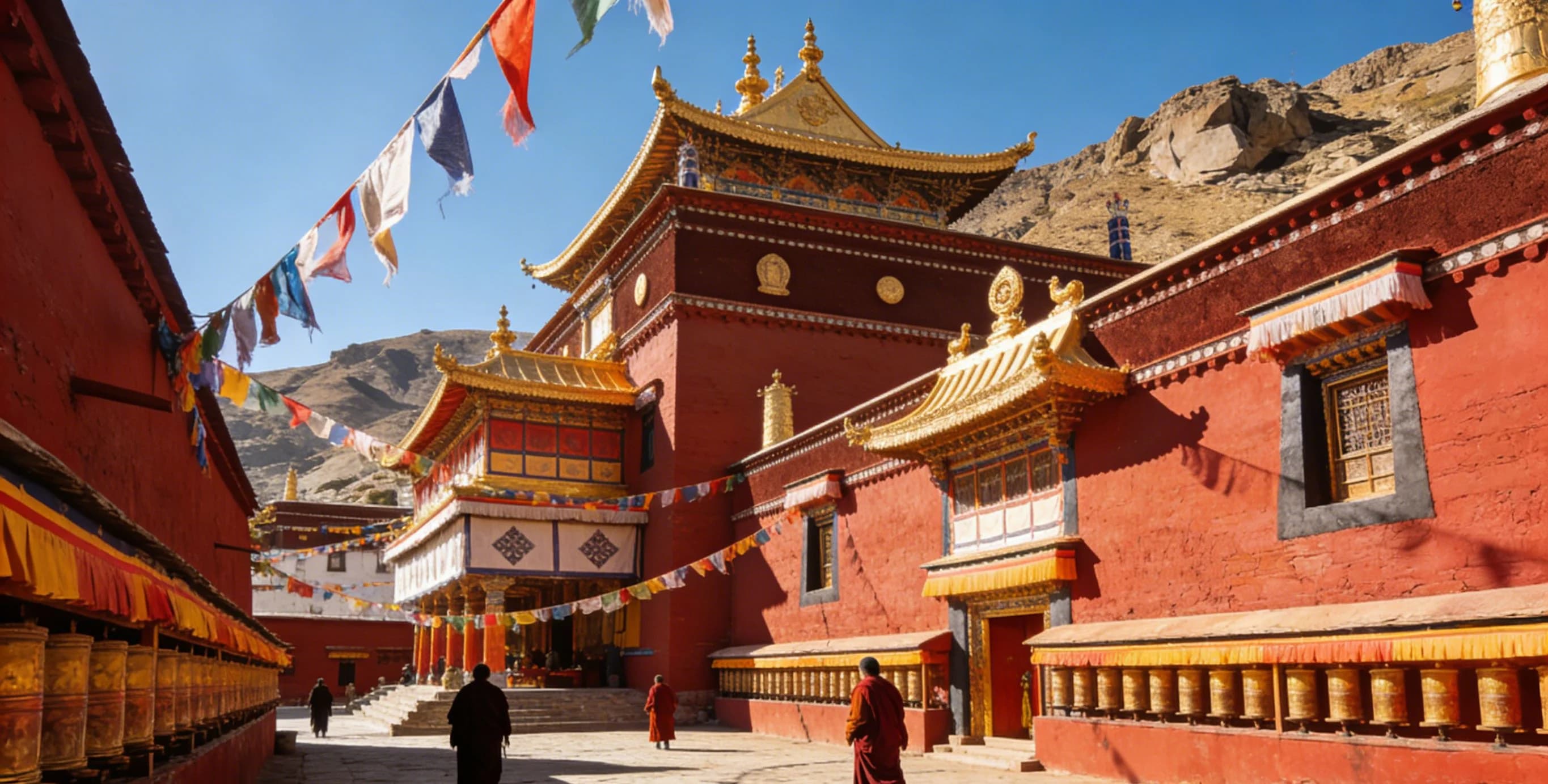
Tibet's most sacred temple, Jokhang is the spiritual heart of Tibetan Buddhism. Built in 647 AD, it houses the Jowo Rinpoche - a gold statue of the young Buddha said to have been blessed by Buddha himself. Pilgrims prostrate around the temple on the Barkhor circuit, spinning prayer wheels and burning juniper incense. The rooftop offers stunning views of Potala Palace.
Lhasa·religious
Sera Monastery
Sera Monastery is a religious attraction in Lhasa known for its dramatic monk debates, major Gelugpa heritage, and hillside setting beneath Tatipu Hill. Founded in 1419 during the Ming period by Jamchen Chojey, a disciple of Tsongkhapa, it became one of the “Three Great Monasteries” of Lhasa in Tibetan Buddhism. For travelers, it is not only a monastery but also a living center of study, prayer, and ritual.