religiousLhasa
Zhaqi Temple
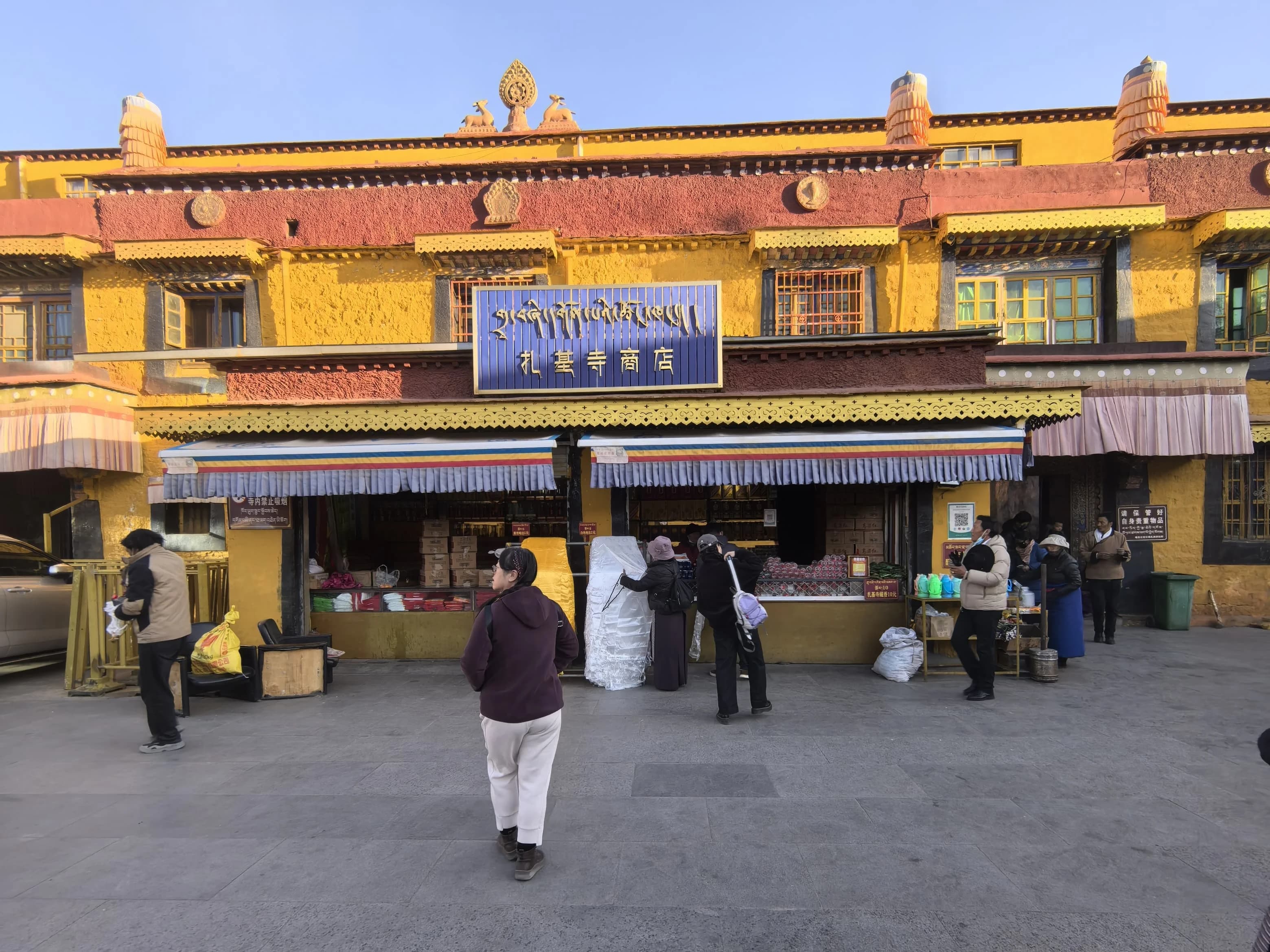
Zhaqi Temple is a religious attraction in Lhasa known for its lively local worship of Zhaqi Ram (扎基拉姆), a protector deity widely associated with luck, prosperity, and everyday blessings. This small Tibetan Buddhist temple is one of the city’s most active neighborhood shrines rather than a grand monument, which is exactly why many travelers find it memorable.
Opening Hours
(Monday-Tuesday, Thursday-Sunday) 9:00 AM - 4:30 PM; Wednesday 7:00 AM - 4:30 PM
Ticket Price
Free
Location
Zhaqi Road, northern suburb of Lhasa, the capital city of the Tibet Autonomous Region
Overview
Zhaqi Temple, located in the northern suburbs of Lhasa, is the only temple dedicated to the God of Wealth in Tibet, enshrining the goddess Zhaqi Lhamo, who is fond of wine. Although small, the temple is extremely popular, with a local saying: "Pray for peace on Monday, for wealth on Wednesday, and for health on Friday," with Wednesday being the busiest day. A visit takes about an hour and is free. When worshipping, you can buy liquor, hada (ceremonial scarves), and mulberry branches at the entrance. Inside the main hall, offer the liquor and spare change, and afterwards, you can go up to the second floor to experience divination, a rare practice in Tibetan areas.
How to Get There
Zhaqi Temple is conveniently located on Zhaqi East Road, Chengguan District, Lhasa. By bus: Take bus routes 13, 24, or 28 and get off at the "Zhaqi Temple" stop; or take bus routes 7, 14, 15, or 32 and get off at the "Zhaqi Temple Intersection" stop, then walk for about 5-10 minutes; bus routes 1 and 23 also reach the vicinity. By taxi/ride-hailing service: From the Potala Palace or Barkhor Street area, the journey takes about 20-30 minutes and costs approximately 20-30 RMB. Tour Route: Purchase wine and a hada (ceremonial scarf) from the small shop at the entrance → Light mulberry branches in the incense burner outside the temple for blessings → Enter the main hall, remove your hat and sunglasses, give the white wine to the monks to pour into a wine vat, and offer a hada → Exchange for small change and offer it clockwise to each Buddha statue → Go up to the second floor to have your personal belongings consecrated by a lama.
What to Expect
Zhaqi Temple is compact in size and situated on relatively flat terrain. Stairs are only found in the main hall and the second floor, making it easy to walk. Public restrooms are available inside the temple, and several small shops around the temple sell offerings such as liquor, hada (ceremonial scarves), and Tibetan incense. A change exchange point is usually located at the entrance to the main hall for visitors' convenience. Note that the temple's passageways are narrow, and it can become very crowded, especially during peak Wednesday hours; please be patient while queuing. Wearing long sleeves and trousers is recommended as a sign of respect. Hats and sunglasses must be removed before entering the halls, and photography is prohibited.
Practical Tips
- 1Go before 10:00am for the most atmospheric prayer activity; Wednesdays are the busiest day for local worshippers.
- 2There is no metro in Lhasa in 2026, so use a taxi, DiDi, or Gaode/Baidu Maps and search for “扎基寺” or “Zhaqi Temple”.
- 34. When lighting incense, do not blow it out with your mouth, and try not to photograph incense sticks or candles, as there are rumors that this is bad for you.
- 4When visiting temples, it is recommended to respect local customs, complete the worship process clockwise, and leave the temple without looking back, following the traditional procedure.
Share This Attraction
Found this helpful? Share it with fellow travelers!
Explore Lhasa
Discover more attractions, food, and travel tips for Lhasa.
View destination
More Attractions to Explore
Lhasa·religious
Jokhang Temple
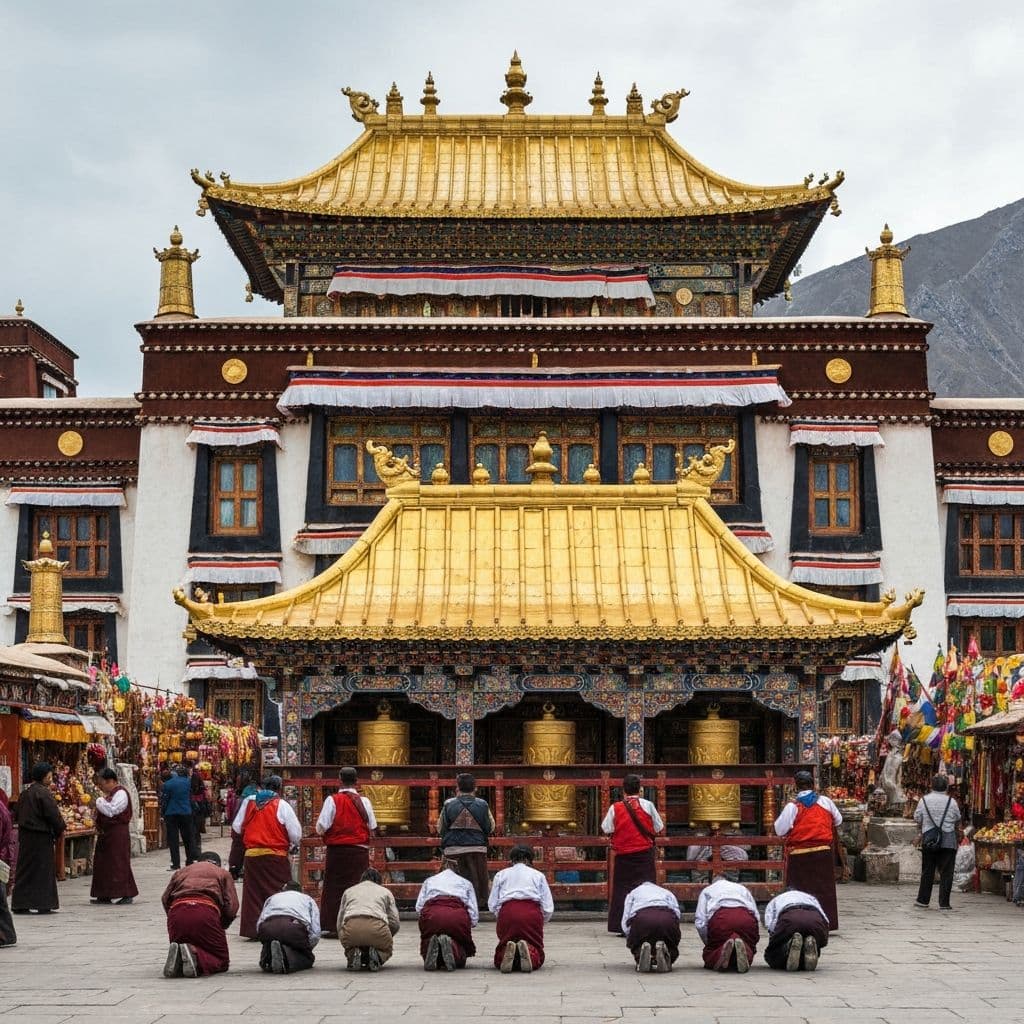
Tibet's most sacred temple, Jokhang is the spiritual heart of Tibetan Buddhism. Built in 647 AD, it houses the Jowo Rinpoche - a gold statue of the young Buddha said to have been blessed by Buddha himself. Pilgrims prostrate around the temple on the Barkhor circuit, spinning prayer wheels and burning juniper incense. The rooftop offers stunning views of Potala Palace.
Lhasa·religious
Sera Monastery
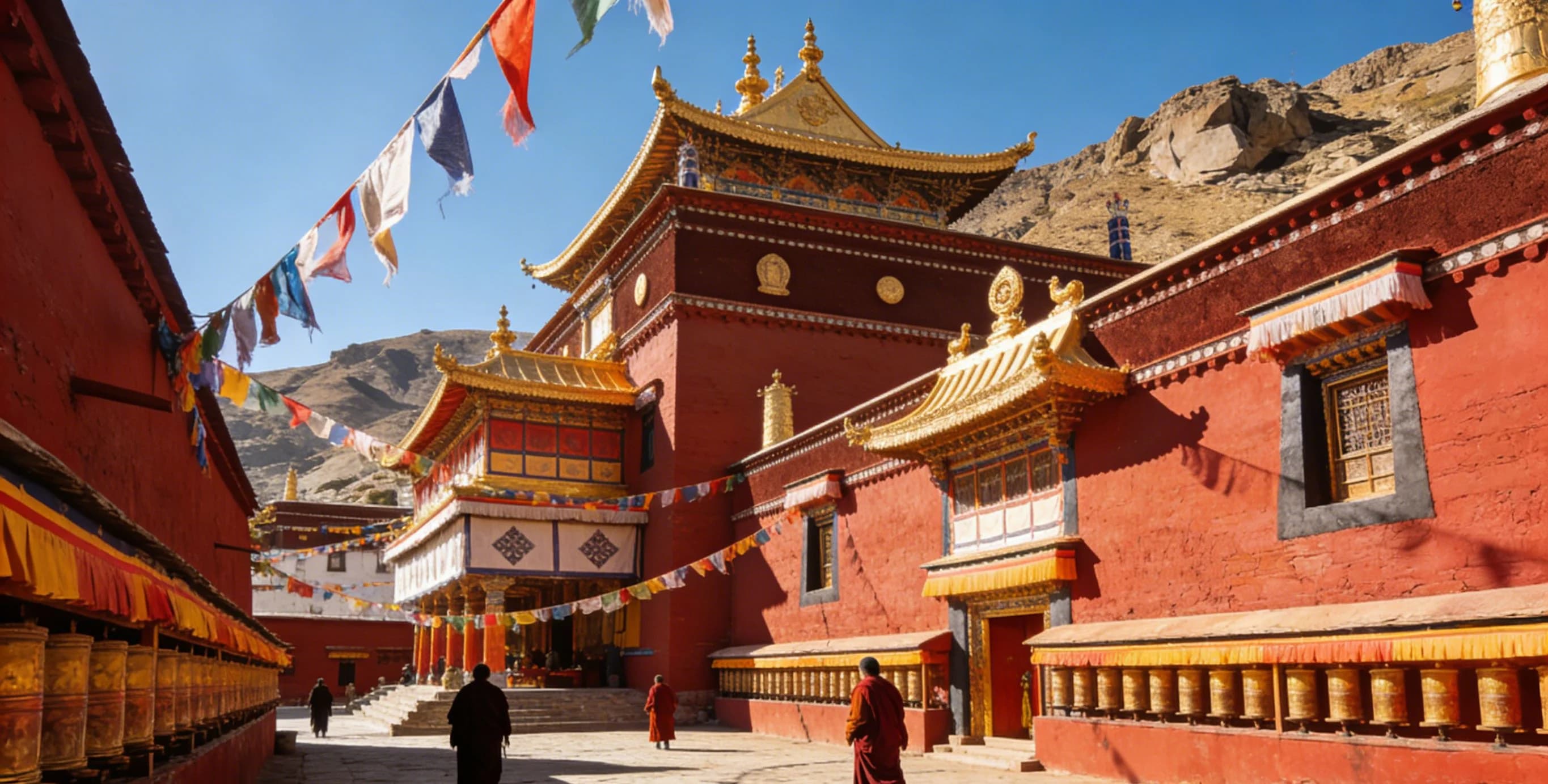
Sera Monastery is a religious attraction in Lhasa known for its dramatic monk debates, major Gelugpa heritage, and hillside setting beneath Tatipu Hill. Founded in 1419 during the Ming period by Jamchen Chojey, a disciple of Tsongkhapa, it became one of the “Three Great Monasteries” of Lhasa in Tibetan Buddhism. For travelers, it is not only a monastery but also a living center of study, prayer, and ritual.
Lhasa·historical
Barkhor Street(八廓街)
Barkhor Street(八廓街) is a historic landmark in Lhasa, renowned for its pilgrimage route around the Jokhang Temple and the vibrant blend of Tibetan religion, commerce, and daily life. Walking clockwise with pilgrims is both a cultural tradition and an important way to experience the Tibetan circumambulation ritual. Compared to many newly developed areas, the alleyways surrounding Barkhor Street retain more of the charm of old Lhasa.