west China
Lhasa
3–4 days in Lhasa: monasteries, old-city circuits, and high-altitude pacing
Best time: May to October
4 days suggested
6 highlights
Why Visit Lhasa
Discover Lhasa, the Roof of the World. Explore the Potala Palace and Tibetan culture. Get expert travel tips and start your Lhasa adventure with ChinaTravelBook
Top Highlights
Cultural: Book a timed Potala Palace entry 3–7 days ahead, then pair it with Norbulingka on the same day; the two sites are about 4 km apart by taxi and make a manageable low-exertion first full sightseeing day.
Old City walk: Spend half a day around Jokhang Temple and the Barkhor kora circuit; the walking loop is roughly 1 km, with side lanes for teahouses, incense shops, and small monasteries that are easiest to visit on foot.
Monastery circuit: Combine Sera Monastery and Drepung Monastery in one day by taxi or hired driver; they sit on the northwestern edge of Lhasa, about 10 km apart, and Sera's afternoon monk debate sessions are the key scheduling anchor.
Scenic day trip: Add Yamdrok Lake as a 10–12 hour day trip from Lhasa if you want one high-altitude landscape day without committing to Everest Base Camp; private car prices typically start around ¥700–1,000 in 2026.
Pilgrimage atmosphere: Walk sections of the Barkhor early morning or at dusk to see local devotional circuits rather than midday tour groups; this is the best low-cost, high-context experience in central Lhasa.
Overland extension: Use Lhasa as the launch point for longer Tibet routes to Shigatse, Gyantse, Namtso, or Everest Base Camp, all of which require organized permits and transport rather than independent self-drive travel.
Must-See Attractions
9 attractions to explore in Lhasa
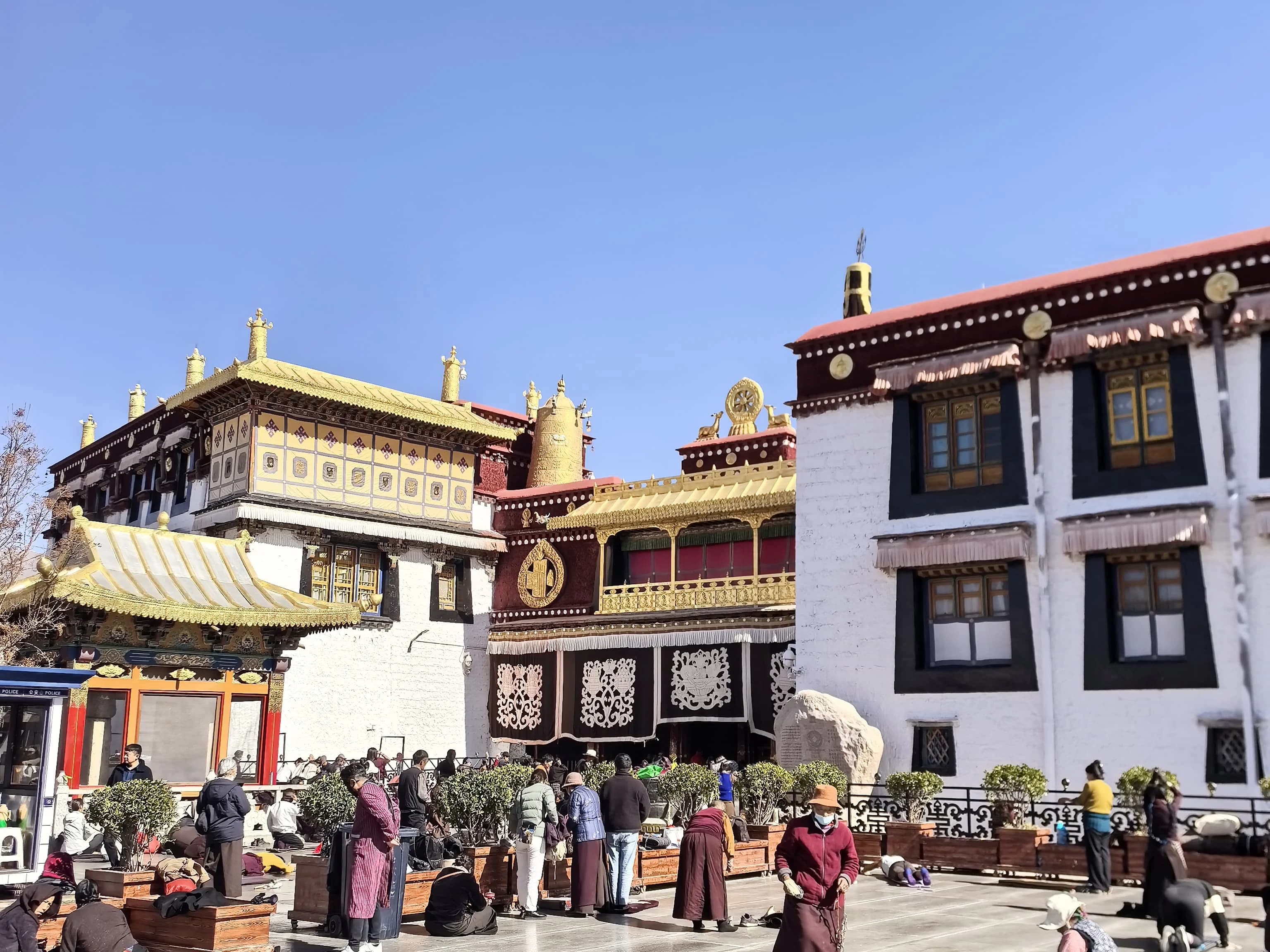
Barkhor Street(八廓街)
Barkhor Street(八廓街) is a historic landmark in Lhasa, renowned for its pilgrimage route around the Jokhang Temple and the vibrant blend of Tibetan religion, commerce, and daily life. Walking clockwise with pilgrims is both a cultural tradition and an important way to experience the Tibetan circumambulation ritual. Compared to many newly developed areas, the alleyways surrounding Barkhor Street retain more of the charm of old Lhasa.
historical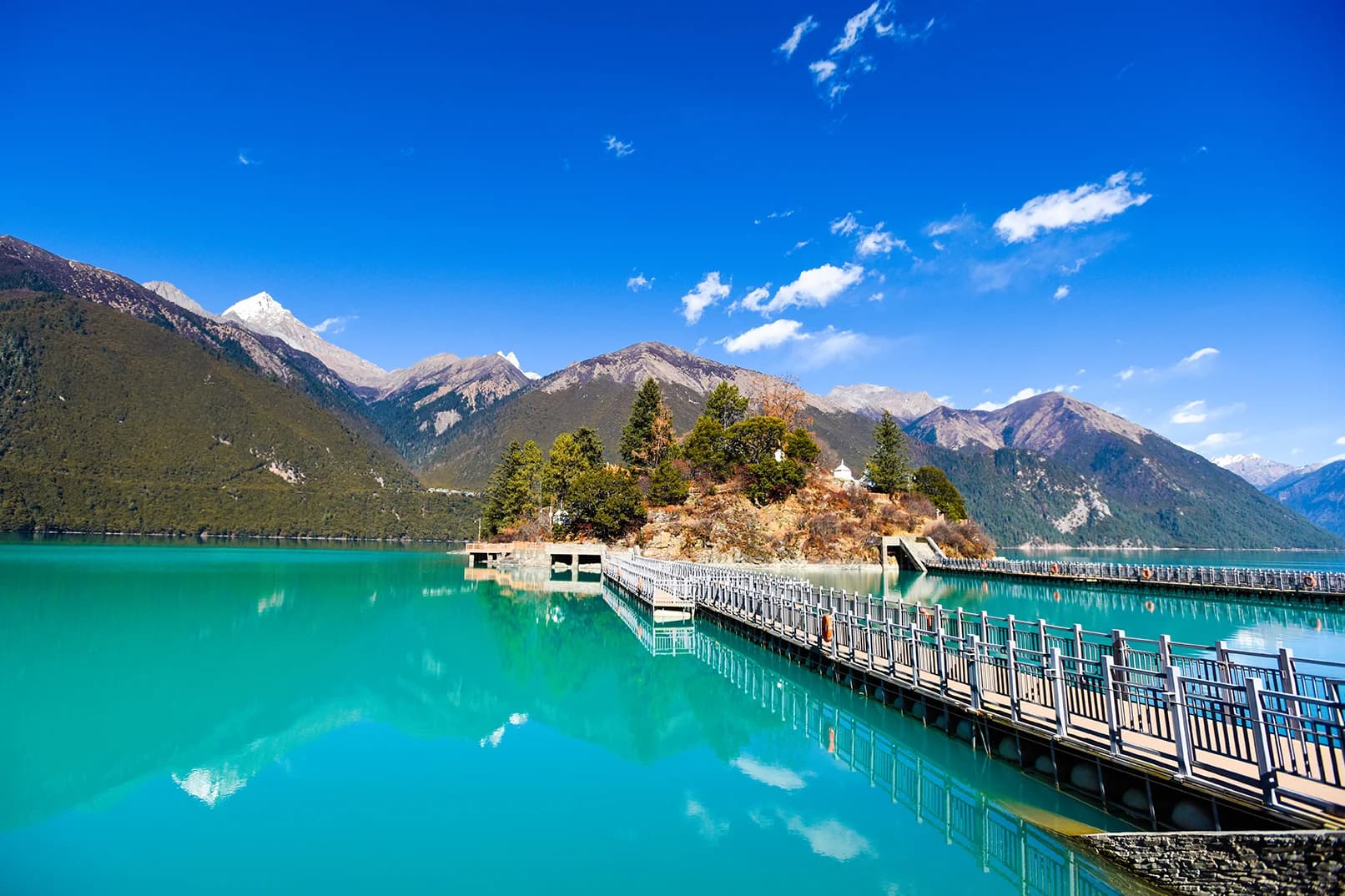
Basongcuo Scenic Area
Basum Tso Scenic Area is a high-altitude natural landscape, renowned for its turquoise alpine lake, lush slopes, and Tibetan Buddhist cultural heritage. Although sometimes incorrectly listed under Xi'an in some online databases, it is actually located in Gongbo'gyamda County, Nyingchi City, Tibet Autonomous Region. Basum Tso Lake has long been revered in Tibetan culture, and the island monasteries in its center have close ties to the Nyingma school of Tibetan Buddhism, with a history dating back to the Tubo Dynasty and continuing religious activities into the 17th century.
natural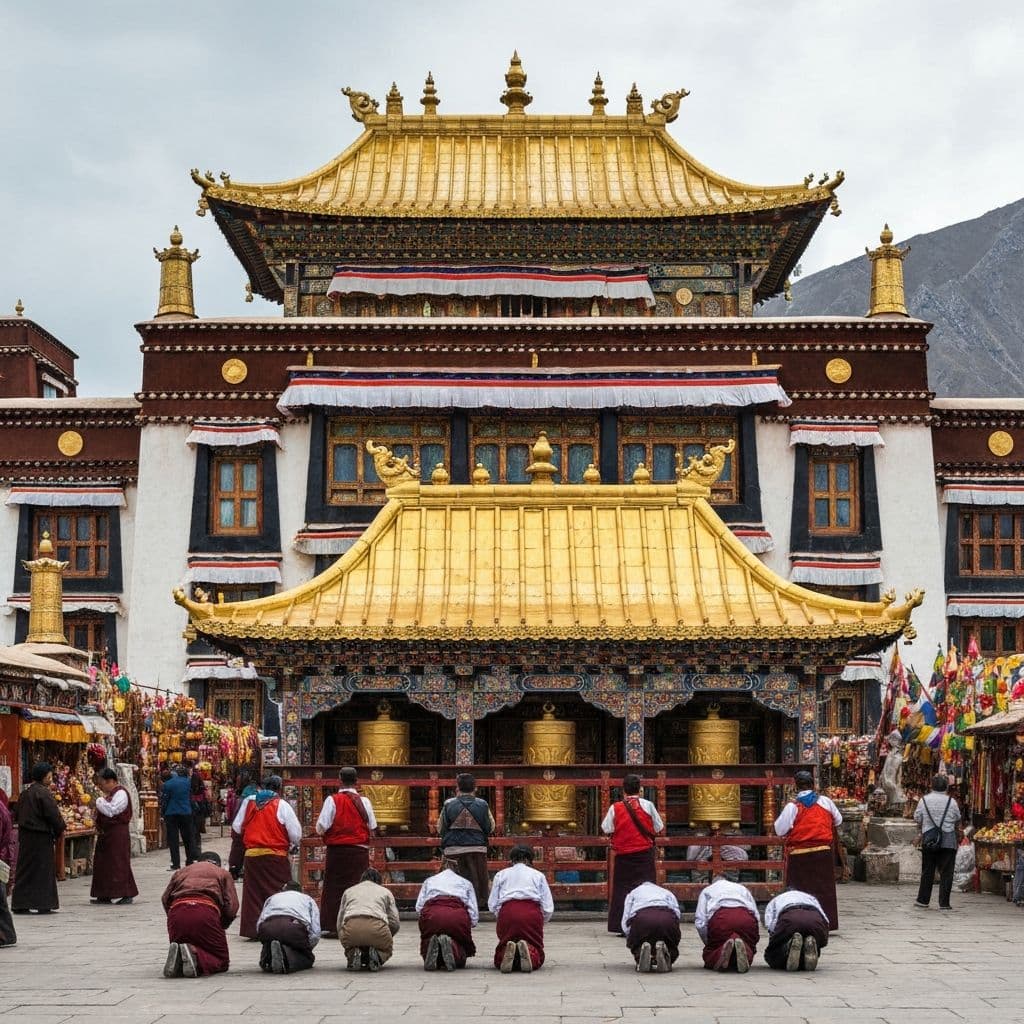
Jokhang Temple
Tibet's most sacred temple, Jokhang is the spiritual heart of Tibetan Buddhism. Built in 647 AD, it houses the Jowo Rinpoche - a gold statue of the young Buddha said to have been blessed by Buddha himself. Pilgrims prostrate around the temple on the Barkhor circuit, spinning prayer wheels and burning juniper incense. The rooftop offers stunning views of Potala Palace.
religious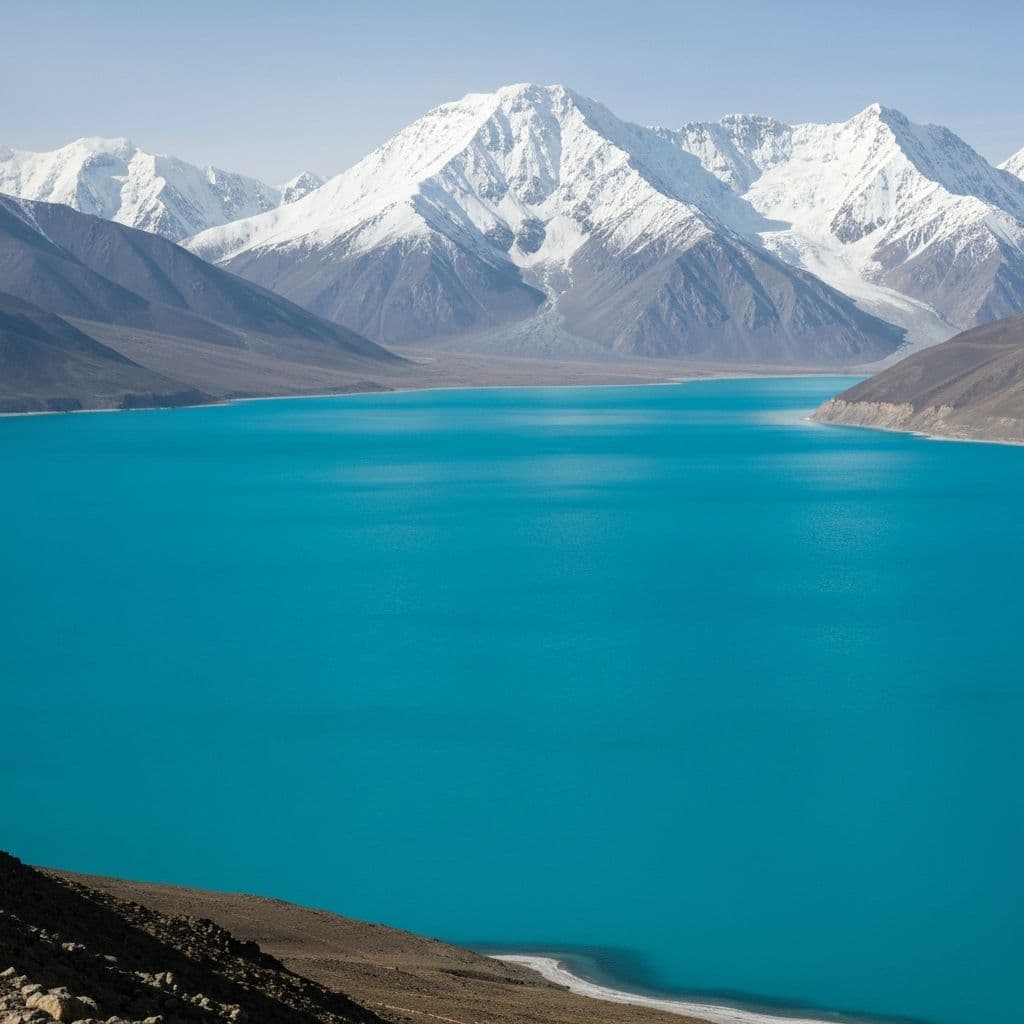
Namtso Lake
Tibet's largest lake and the world's highest saltwater lake at 4,718 meters, Namtso means 'Heavenly Lake' in Tibetan. The vast turquoise expanse backed by the 7,000m+ Nyenchen Tanglha mountain range creates a scene of incomprehensible beauty. Tashi Dor Peninsula with its cave hermitages is the main destination. Stargazing here reveals skies like nowhere else on Earth.
natural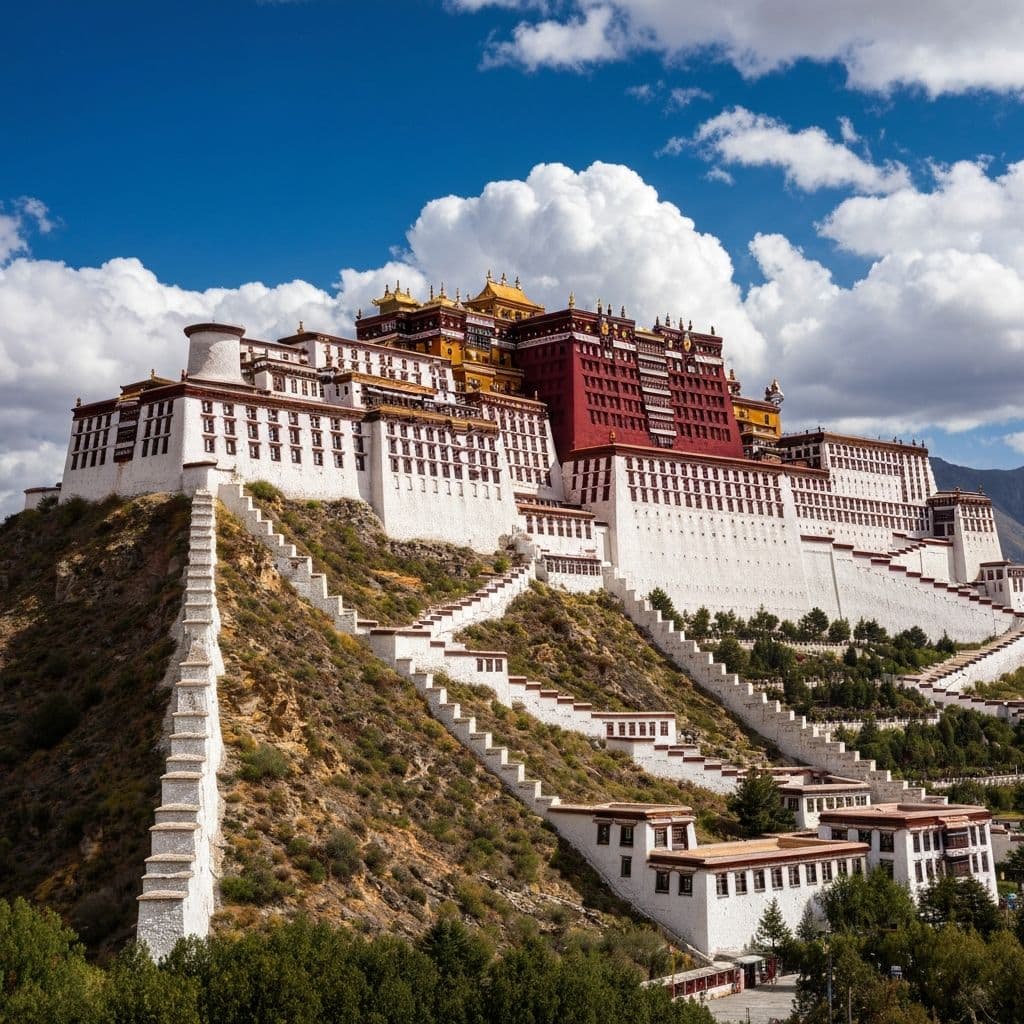
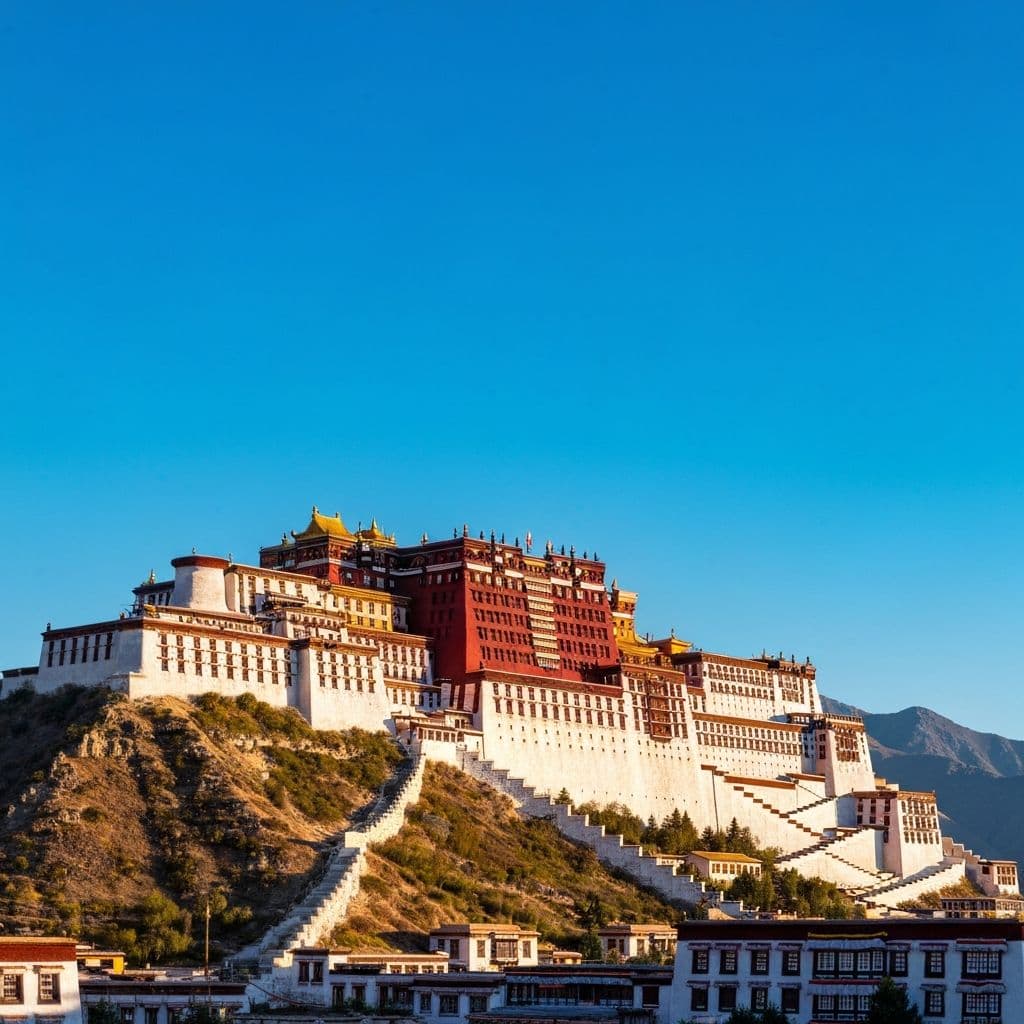
Potala Palace
The iconic symbol of Tibet, this 13-story fortress-palace rises 117 meters above Lhasa at 3,700m elevation. Built in the 7th century and expanded by the 5th Dalai Lama, it served as the winter residence of successive Dalai Lamas until 1959. The White and Red Palaces contain over 1,000 rooms, 10,000 shrines, and 200,000 statues. A UNESCO World Heritage Site of profound spiritual significance.
historicalTrip Planning Guide
Lhasa is the most important starting point for travel in Tibet and a core city for foreign tourists to understand Tibetan culture, high-altitude life, and Tibetan Buddhism. It is not suitable for a "quick checklist" tour, but rather for slowly acclimatizing to the altitude and exploring temples, teahouses, and the old city streets. Lhasa is suitable for the following types of tourists First-time visitors to Tibet: Ideal as their first stop for acclimatization to the high altitude. Those who enjoy cultural and religious experiences: The Potala Palace, Jokhang Temple, and Sera Monastery are all representative sites. Those who want to understand the Tibetan way of life: Barkhor Street, teahouses, and Tibetan restaurants are perfect for a leisurely experience. Those planning trips to Yamdrok Lake, Shigatse, Mount Everest, or Nyingchi: Lhasa is the most common departure point. Those who prefer slow travel and a spiritual and cultural atmosphere: Lhasa is more suitable for a slower pace rather than a rushed sightseeing tour. How many days should I spend in Lhasa? 2 days: Suitable for visiting only the core attractions, such as the Potala Palace, Jokhang Temple, and Barkhor Street. 3 days 2 nights: Highly recommended for first-time visitors, with the option to add Sera Monastery, a tea house, and a leisurely city tour. 4-5 days: Suitable for better acclimatization and a day trip to Yamdrok Lake. 6 days or more: Allows for a longer trip from Lhasa to Shigatse, Nyingchi, or the Mount Everest region. For most foreign tourists, a three-day trip to Lhasa is recommended. Don't overschedule the first day; allow time to acclimatize to the altitude. The second and third days can then be dedicated to the main attractions, making the trip more comfortable. How are the main areas of Lhasa grouped? 1. Potala Palace Area: Lhasa's most iconic landmark, suitable for half a day. It's recommended to book tickets in advance and allow ample time for a leisurely visit; avoid a rushed tour immediately upon arrival. 2. Jokhang Temple/Barkhor Street Area: This is the heart of Lhasa's old city and the best place for foreign tourists to experience local life. You can see pilgrimages, prayer wheels, old street architecture, teahouses, and small shops; suitable for a leisurely stroll. 3. Sera Monastery/Drepung Monastery Area: Suitable for tourists interested in Tibetan Buddhism, monastery architecture, and monastic life. Sera Monastery's debating sessions are particularly noteworthy; suitable for half a day. 4. Yamdrok Lake Area: A day trip from Lhasa to Yamdrok Lake. The lake, snow-capped mountains, and high-altitude highway scenery are all representative, but the journey is long and requires advance planning. Lhasa offers three travel options: Cultural Immersion: Potala Palace + Jokhang Temple + Barkhor Street + Tea House In-Depth Monastery Visit: Sera Monastery + Drepung Monastery + Ramoche Temple + Slow Walk Through the Old City Extended Tibet Tour: Lhasa + Yamdrok Lake / Shigatse / Nyingchi / Mount Everest What are some good combinations with Lhasa? Lhasa + Yamdrok Lake: The most classic short trip, suitable for 3-4 days. Lhasa + Shigatse: Suitable for tourists who want to see Tashilhunpo Monastery and the culture of the Tsang region. Lhasa + Nyingchi: Suitable for those who enjoy snow-capped mountains, forests, canyons, and relatively mild altitudes. Lhasa + Everest Base Camp: Suitable for tourists with ample time and good physical acclimatization. Lhasa + Namtso Lake: Suitable for seeing high-altitude lakes, but the altitude is even higher, so careful planning is needed. If it's your first time in Tibet, Lhasa + Yamdrok Lake is the safest option. If time and physical condition permit, you can then extend the trip to Shigatse or Nyingchi.
Food & Dining
Lhasa cuisine features Tibetan food, yak meat, butter tea, barley, sweet tea, and Nepalese/Indian restaurants. Must-Try Foods 1. Yak Meat One of Lhasa's most representative ingredients, it can be made into yak meat hot pot, stir-fried yak meat, yak jerky, etc. Where to Eat: Tibetan restaurants, restaurants around Barkhor Street, yak meat hot pot restaurants Reference Price: 60–150 RMB/serving 2. Butter Tea A daily beverage in Tibetan areas, made with tea, butter, and salt. It has a salty taste and is high in energy. Where to drink: Sweet tea houses, Tibetan restaurants, tea houses near temples Reference price: 5–15 yuan/pot or cup 3. Sweet Tea A very common drink in Lhasa, similar to black tea with milk and sugar, and more palatable than butter tea. Where to drink: Guangming Gangqiong Sweet Tea House, Canggu Temple Tea House, tea houses around Barkhor Street Reference price: 1–5 yuan/cup 4. Tsampa( 糌粑) Made from barley flour, it's a traditional staple food in Tibet, often served with butter tea or dairy products. Where to eat: Tibetan restaurants, traditional teahouses, folk experience restaurants Reference price: 10–30 yuan/serving 5. Yak Yogurt(牦牛酸奶) Thick and flavorful with a pronounced sour taste; can be sweetened with sugar or honey. Where to eat: Dessert shops, Tibetan restaurants, and yogurt shops around Barkhor Street Reference price: 8–25 yuan/bowl 6. Tibetan Hot Pot Typically made with yak meat, vegetables, mushrooms, and bean products, suitable for a group dinner. Where to eat: Tibetan restaurants, yak hot pot restaurants, city restaurants Estimated price: 80–180 yuan/person Recommended Dining Areas: Barkhor Street/Jokhang Temple Area: Restaurants are most concentrated here, with convenient access to Tibetan cuisine, teahouses, Nepalese restaurants, and snacks, making it suitable for first-time visitors to Lhasa. Potala Palace Area: Suitable for finding light meals or cafes before or after your trip, but prices in tourist areas may be slightly higher. Teahouses: Ideal for experiencing local life; you don't necessarily need a fancy meal. A cup of sweet tea and a bowl of Tibetan noodles will give you a feel for the daily rhythm of Lhasa. Tibetan Restaurants in the City Center: Suitable for formal dinners, offering a wider selection of yak meat, Tibetan hot pot, tsampa, and dairy products.
Getting There & Around
Lhasa is the most important transportation hub for travel in Tibet and a common starting point for trips to Yamdrok Lake, Shigatse, Nyingchi, Namtso Lake, and Mount Everest. How to get to Lhasa? 1. By plane | Lhasa Gonggar International Airport Lhasa Gonggar International Airport is the most common way to get to Lhasa, suitable for connecting flights or direct flights from cities such as Chengdu, Chongqing, Xi'an, Beijing, Shanghai, and Kunming. Means to the city center: Airport bus: Lower price, suitable for travelers with light luggage, approximately 30-50 RMB/person Didi/Taxi: More convenient, suitable for travelers with luggage or arriving late, approximately 170-250 RMB/vehicle Private transfer: Suitable for families, small groups, or first-time visitors to Tibet 2. Train | Lhasa Station Lhasa Station is an important terminus of the Qinghai-Tibet Railway, suitable for those traveling to Tibet by train from Xining, Lanzhou, Xi'an, Beijing, Shanghai, Chengdu, and other directions. Suitable for: Tourists who want to experience the Qinghai-Tibet Railway People who are not in a hurry to arrive and want to acclimatize slowly People who enjoy long-distance train travel How to get around Lhasa? 1. Didi/Taxi Lhasa city center isn't particularly large. Didi and taxis are suitable for getting between hotels, Potala Palace, Jokhang Temple, Barkhor Street, and Sera Monastery. Estimated Costs: Short distance within the city: Approx. 15–40 RMB City center → Sera Monastery: Approx. 30–60 RMB City center → Drepung Monastery: Approx. 40–80 RMB 3. Public Transportation: Lhasa has public transportation, but the routes and language may be inconvenient for foreign tourists. For short independent trips, Didi/taxi is recommended. 4. Chartered Car/Private Vehicle: For trips to Yamdrok Lake, Shigatse, Nyingchi, Namtso Lake, and Mount Everest, it is recommended to arrange a chartered car, small group tour, or a qualified travel service in advance. Suitable for: Foreign tourists visiting Tibet for the first time; those visiting attractions outside the city; families or small groups; and those who need to handle documents, routes, and long-distance travel. Travel Time to Major Areas: Potala Palace → Jokhang Temple / Barkhor Street: Approx. 10–20 minutes by car, 30–45 minutes on foot Barkhor Street → Sera Monastery: Approx. 20–40 minutes Barkhor Street → Drepung Monastery: Approx. 30–50 minutes Lhasa City → Yamdrok Lake: Approx. 2–3 hours one way Lhasa → Shigatse: Approx. 4–6 hours Lhasa → Nyingchi: Approx. 5–7 hours Lhasa → Namtso Lake: Approx. 4–5 hours one way (high altitude) Lhasa → Everest Base Camp: Usually requires multiple days, not suitable for a day trip Special Note for Foreign Tourists: Foreign tourists typically need to obtain the relevant travel permits in advance to travel to Tibet. It is not recommended to arrange all routes after arriving in Lhasa. For destinations such as Yamdrok Lake, Shigatse, Nyingchi, and Mount Everest, it is advisable to confirm vehicle, document, and accommodation arrangements in advance. Do not overschedule your itinerary in high-altitude areas; allow rest time during driving. On your first day in Lhasa, it is recommended to only arrange hotel rest, a leisurely walk, or a simple meal. If you are feeling unwell, do not force yourself to visit high-altitude lakes or take long routes.
Frequently Asked Questions
Is 2 days enough for Lhasa?
Two days is enough only for a very compressed first look. Most travelers can cover Barkhor, Jokhang Temple, and Potala Palace, but altitude often makes day 1 less productive than expected. If this is your only Tibet stop, 3–4 days is the better minimum.
Do foreign travelers need a permit to visit Lhasa in 2026?
Yes. Foreign passport holders need a Tibet Travel Permit, which must be arranged through a registered Tibet travel agency before entering Tibet. You cannot apply independently, and airlines or railway staff may check the permit before boarding.
How far in advance should I book Potala Palace tickets?
For 2026 travel, ask your Tibet agency to secure Potala Palace entry as soon as your dates are fixed, especially for June to October and Chinese holiday periods. Timed slots can be limited, and your visit usually needs to fit around permit and guide arrangements. Entry fees and booking rules can vary by season, so confirm the current rate when finalizing the trip.
Can I visit Sera and Drepung monasteries on the same day?
Yes, and many first-time visitors should group them together. The two monasteries are about 10 km apart, and a taxi transfer is usually 30–40 minutes. Start with Drepung in the morning and reach Sera in time for the afternoon monk debate session.
Is Lhasa safe at this altitude for first-time travelers?
For most healthy travelers, yes, but only if you build in acclimatization time. Lhasa is around 3,650 m above sea level, so headaches, shortness of breath, and fatigue are common on the first day. Sleep, hydrate, avoid heavy exertion, and seek medical advice before travel if you have heart or lung conditions.
Should I fly or take the train to Lhasa?
Fly if you are short on time; it is the practical choice from cities like Chengdu, Chongqing, Beijing, or Shanghai. Take the Qinghai-Tibet train if you want the overland experience and can spare 20–40+ hours depending on your departure city. Some travelers prefer train in, fly out, so they get the railway scenery without using too many vacation days.
Quick Info
- Region
- west China
- Best Time to Visit
- May to October
- Suggested Duration
- 4 days
Weather & Climate
Monthly climate overview for Lhasa
Jan-10°–7°C1mm
Feb-7°–9°C1mm
Mar-2°–12°C3mm
Apr2°–16°C7mm
May6°–20°C28mm
Jun10°–23°C71mm
Jul11°–22°C117mm
Aug10°–21°C121mm
Sep8°–20°C68mm
Oct1°–17°C8mm
Nov-5°–12°C2mm
Dec-9°–8°C1mm
Best time to visit
May to October
Plan Your Trip
Need help planning your Lhasa itinerary? Get personalized travel advice from our team.
Contact UsExplore More Destinations
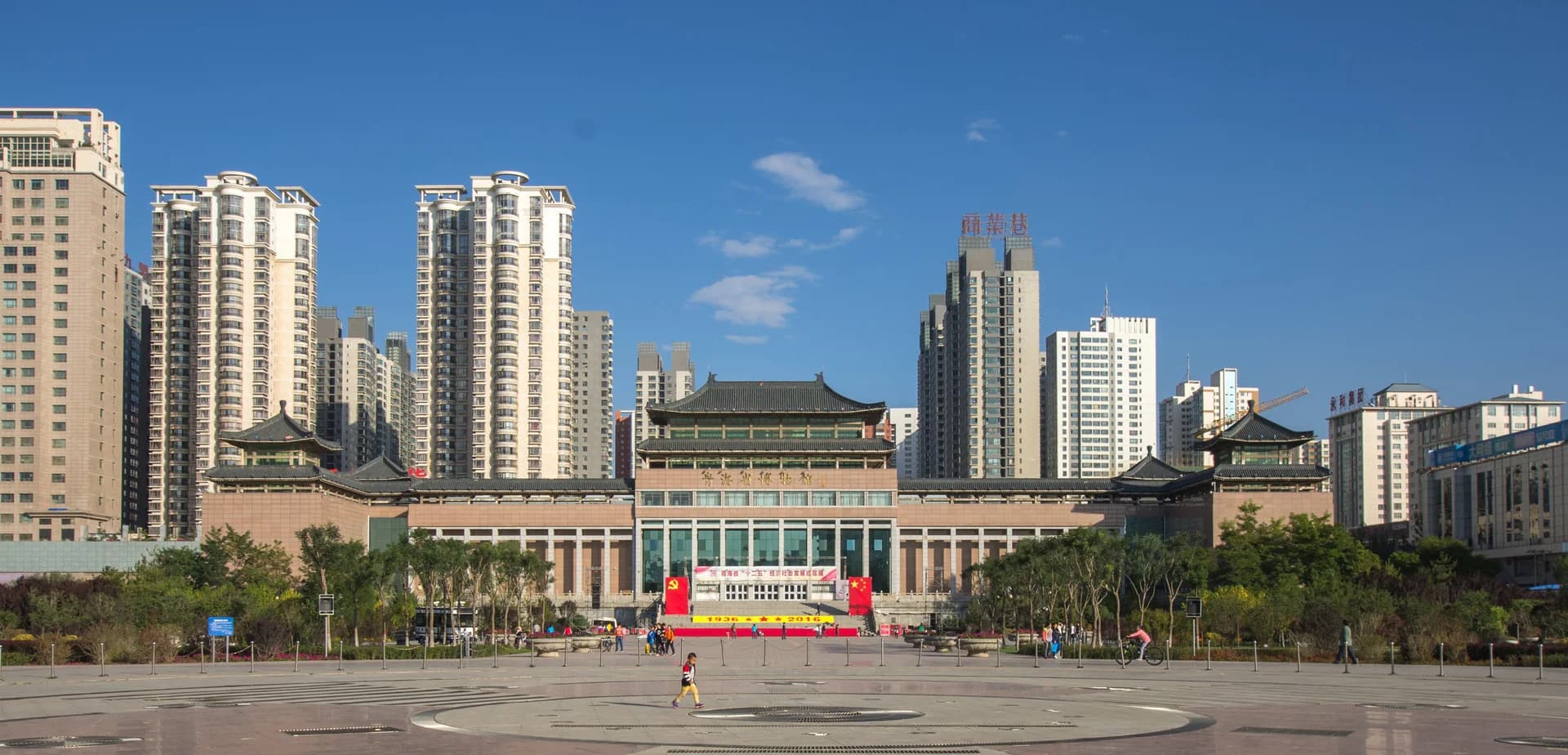
Xining
Is Xining worth 2-4 days? Gateway to Tibetan culture, mosques, and Qinghai Lake
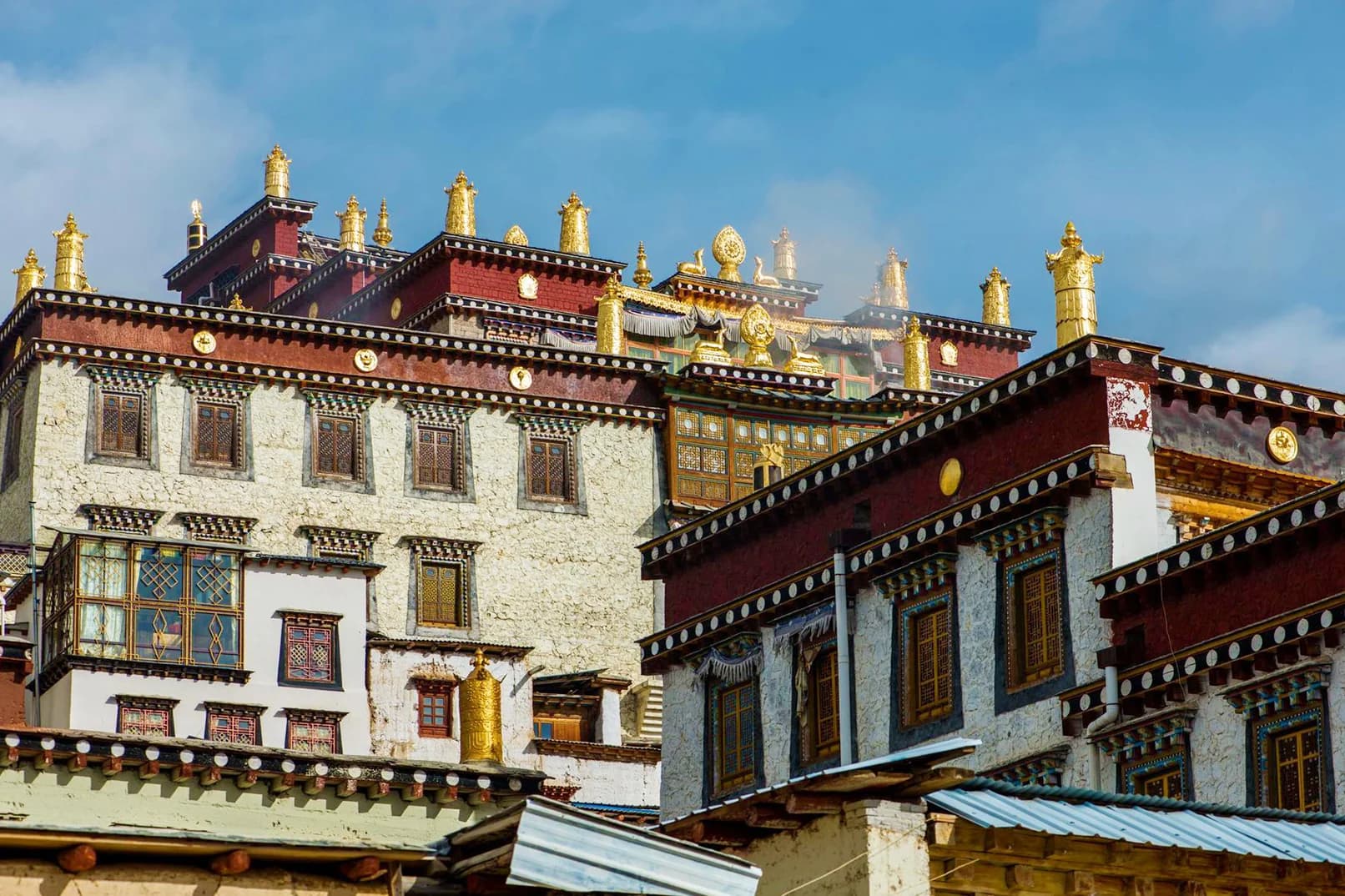
Shangri-La
2–4 days in Shangri-La: Tibetan monasteries, grasslands, and altitude-ready day trips
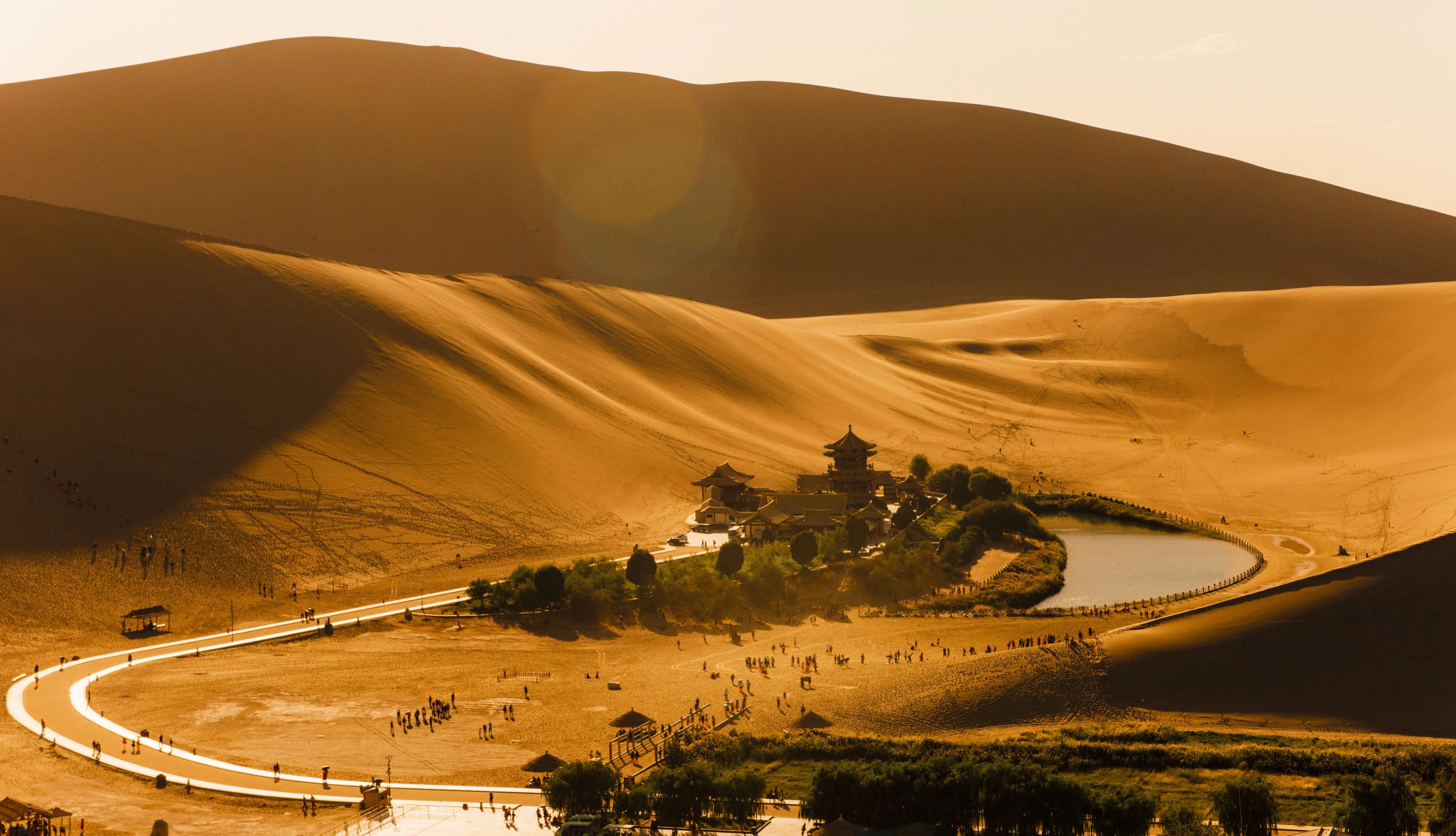
Dunhuang
Is Dunhuang worth 2–3 days? Mogao Caves, desert dunes, and Silk Road history
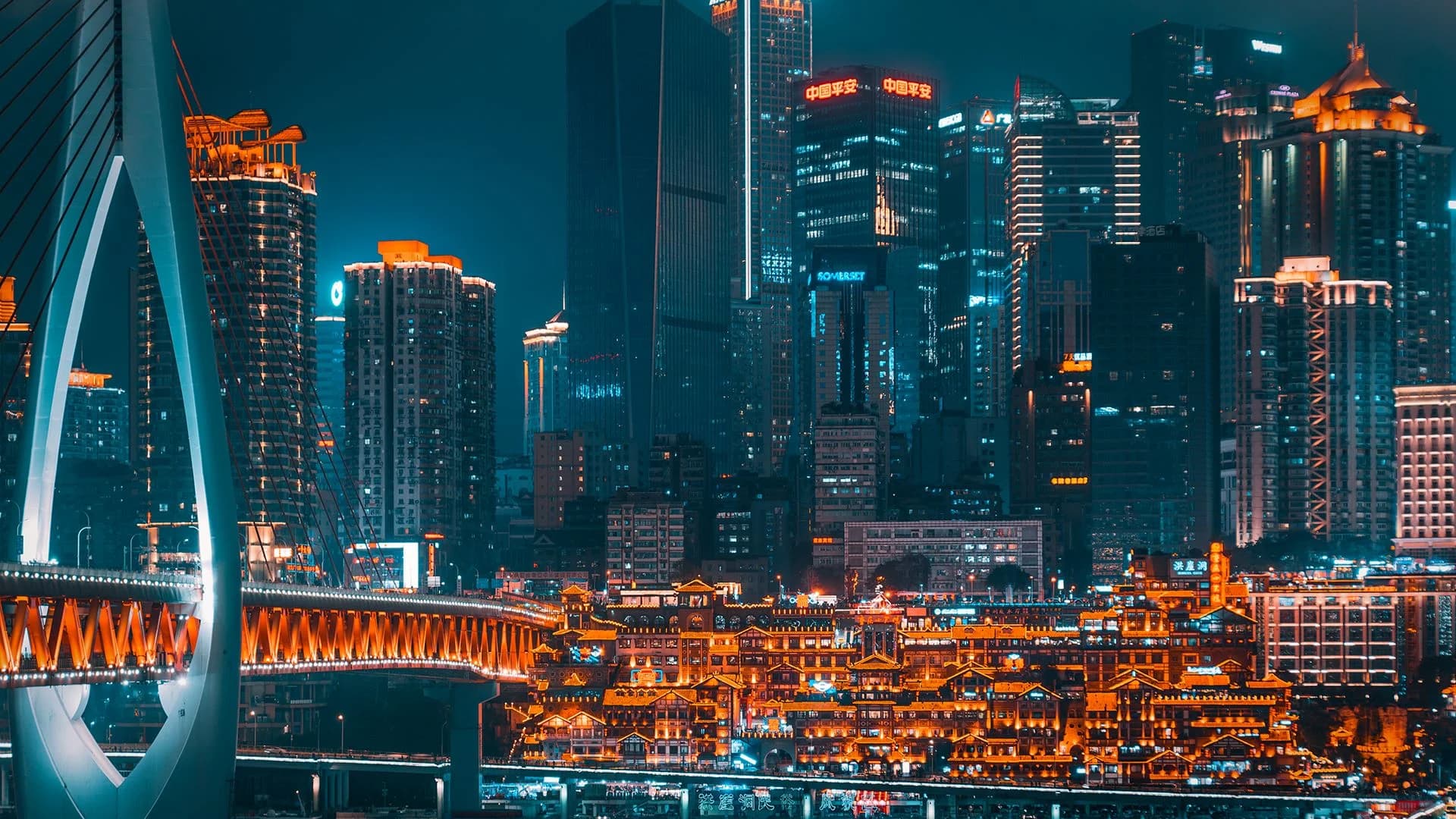
Chongqing
The Mountain City of fog and flavor.