Overview
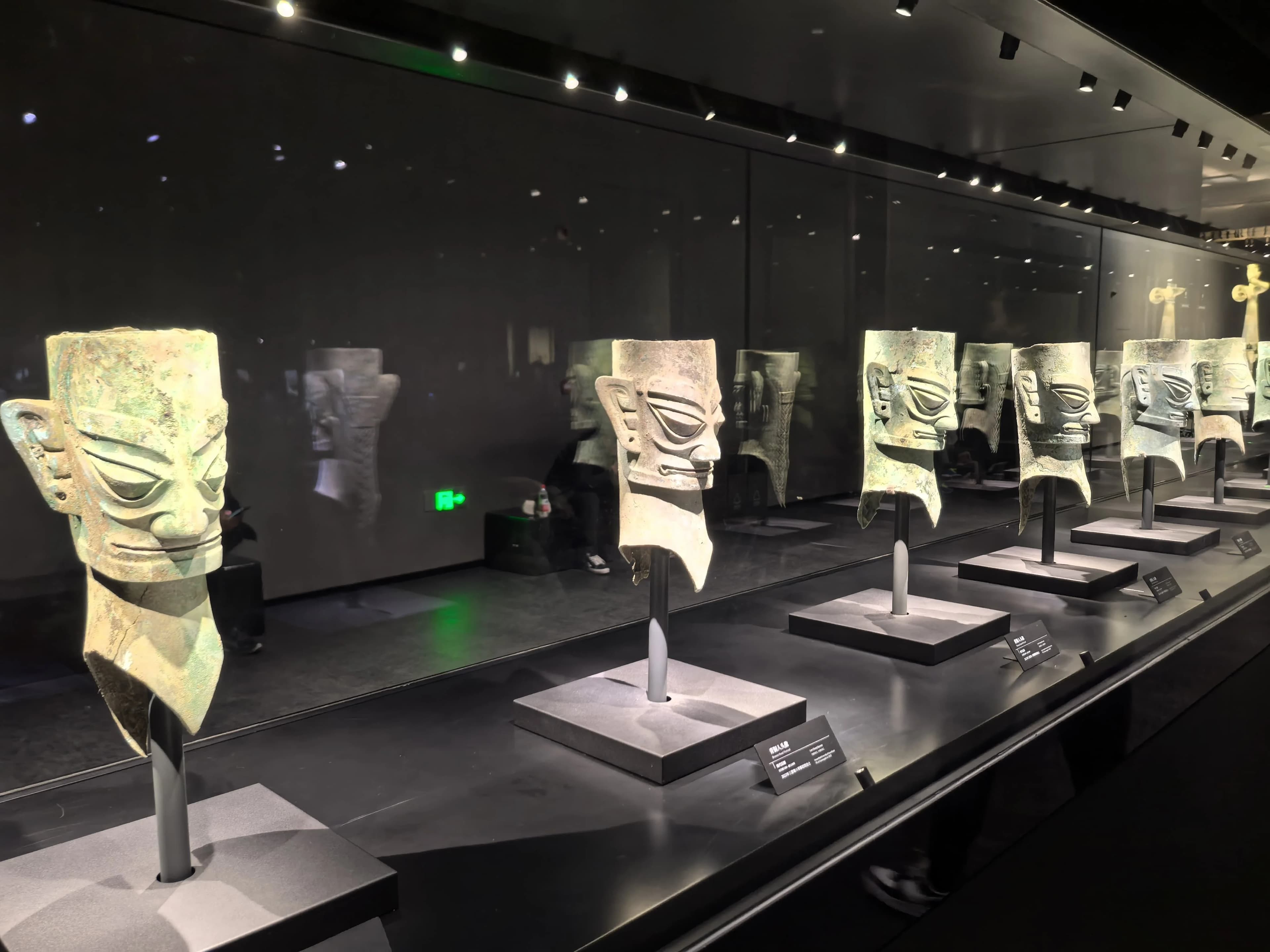
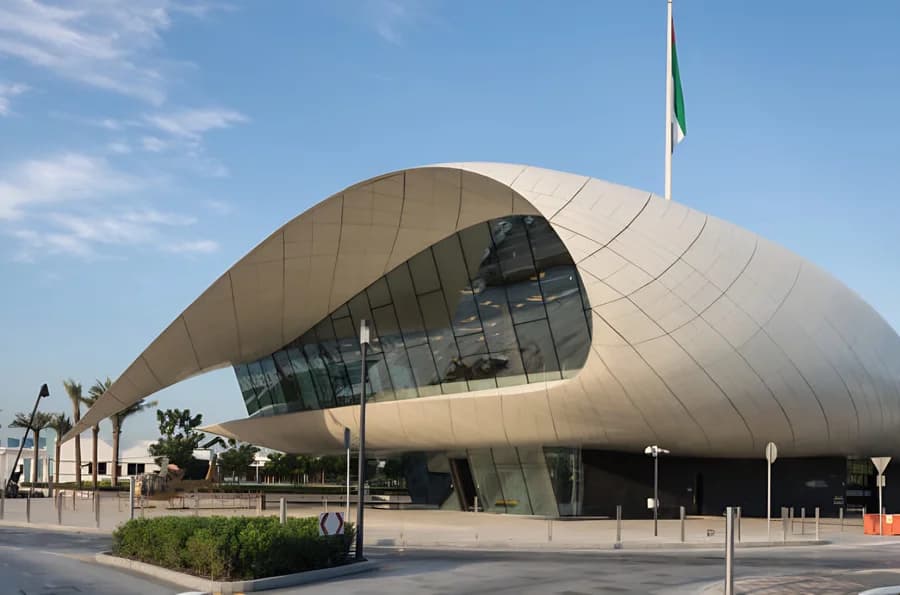
Chengdu Museum, located west of Tianfu Square in the city center, is the best place to learn about Chengdu's history. Admission is free, but advance reservations are required. The museum boasts a rich collection, ranging from ancient bronzes to Han Dynasty storytelling figurines, a water-suppressing stone rhinoceros, as well as old Chengdu street scenes and shadow puppetry performances, all worth seeing. A visit of 2 to 3 hours is recommended. The best time to visit is to avoid weekends and choose a weekday morning when the museum first opens, avoiding peak hours of 10:00-12:00 and 14:00-16:00 for a more comfortable experience.
How to Get There
The most convenient way is to take Metro Line 1 or 2 and get off at Tianfu Square Station; alternatively, you can take bus routes 13, 30, 43, or 78 and get off at Xiyujie Station.
Recommended itinerary: After entering, take the elevator down to the B1 level to visit the "Man and Nature" exhibition. Then, go up to the 2nd and 3rd floors to carefully view the core historical relics of Chengdu. Afterward, head to the 4th floor to experience shadow puppetry art. Finally, go to the 5th floor cultural and creative area for shopping and then to the rooftop garden for a panoramic view of Tianfu Square. This route avoids backtracking.
What to Expect
Chengdu Museum is a modern venue with comprehensive accessibility facilities. An accessible ramp is located at the entrance, and elevators throughout the museum provide access to all floors. Spacious accessible restrooms and family restrooms are also available. The first-floor service desk offers free rentals of wheelchairs, strollers, hearing aids, reading glasses, and other equipment. Visually impaired individuals can also bring guide dogs. Rest areas are available on each floor, and a café is located on the fifth floor. Several cultural and creative gift shops are also available for purchasing souvenirs.
Practical Tips
- Reserve your free timed-entry ticket in advance through the official WeChat channel or on-site system — permanent exhibitions are free as of 2026, but passports may be needed for foreign visitors during registration.
- Arrive before 10:30 if you want a quieter visit; school groups and domestic tour groups often make late morning and mid-afternoon busier.
- Budget extra if a temporary exhibition is running — special shows commonly charge ¥30-¥60 in 2026 even though the main museum is free.
- Smoking is prohibited inside the museum. Please remember to turn off the flash when taking photos.