Loading...

Home of Giant Pandas
The laid-back capital of Sichuan province is famous for its spicy cuisine, teahouse culture, and beloved giant pandas. Chengdu moves at a slower pace than China's coastal cities, inviting visitors to linger over hot pot, play mahjong in bamboo-shaded tea gardens, and experience the face-changing magic of Sichuan Opera. A UNESCO City of Gastronomy.
22 attractions to explore in Chengdu

Batang Cuopu Scenic Area is a natural attraction on the western Sichuan tourism route from Chengdu, renowned for its alpine lakes, forest valleys, hot springs, and rich Tibetan cultural atmosphere. Located in the historically significant Kham region, Cuopu is closely intertwined with the Tea Horse Road culture and Tibetan Buddhist traditions.
natural
Bipenggou is a naturally scenic valley near Chengdu, renowned for its alpine lakes, red maple forests, and snow-capped peaks. It is also one of the most relaxing day trip destinations on the plateau in western Sichuan. This ancient route has been closely connected with the Tibetan and Qiang ethnic groups since ancient times, and its cultural landscape gradually took shape during the Tang Dynasty (618-907 AD) and the Qing Dynasty's frontier period. Today, Bipenggou is not only famous for its glacial landscapes but is also highly regarded for showcasing the culture of the western Sichuan plateau to visitors.
natural
Chengdu Museum, a renowned historical site in Chengdu, is conveniently located in Tianfu Square and is famous for showcasing Chengdu's history from ancient Shu civilization to modern Sichuan. For visitors, the museum is an excellent place to learn about Chengdu's rich urban history, with its collections covering life in western China during the Qin and Han dynasties, Tang and Song dynasties, and Ming and Qing dynasties.
historical
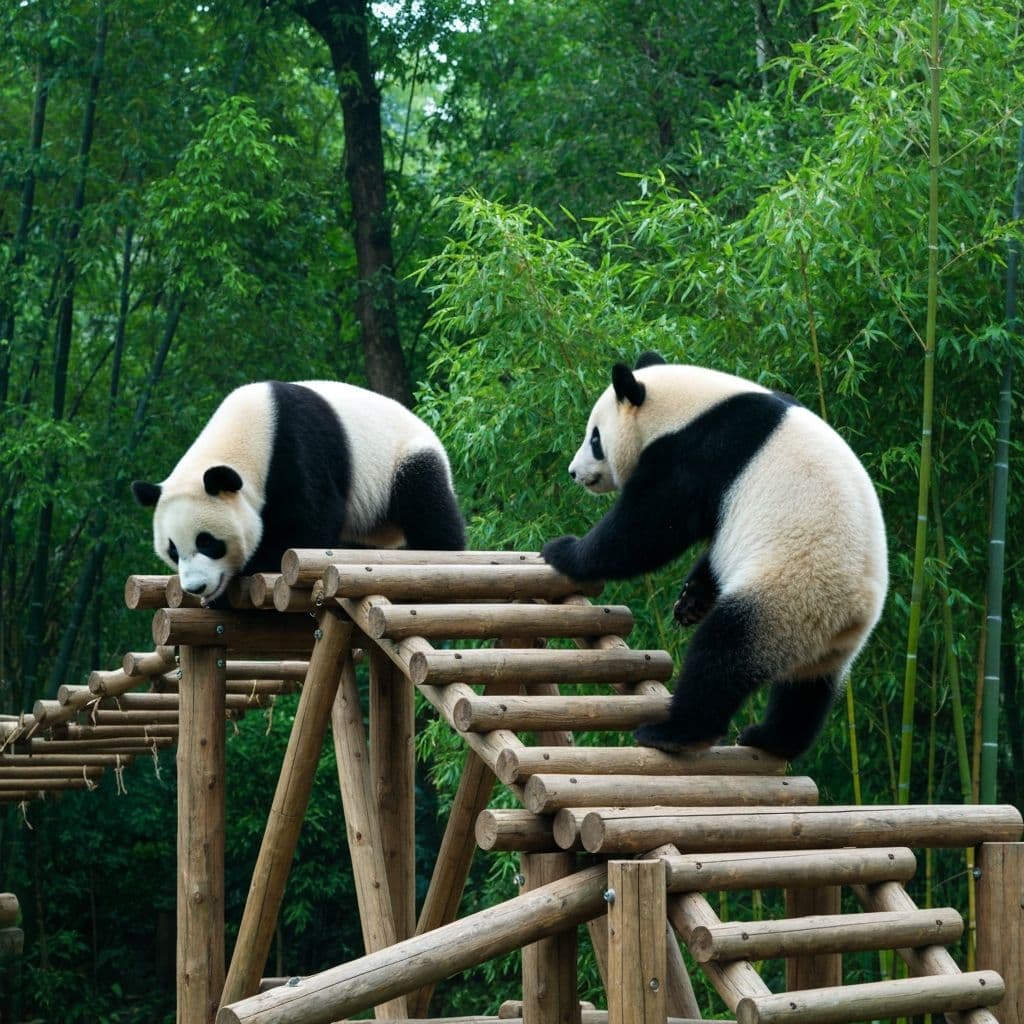
The Chengdu Research Base of Giant Panda Breeding, located near the city center, is a world-renowned conservation park dedicated to protecting and breeding endangered giant pandas in a naturalistic habitat. Visitors can observe pandas of all ages, from cubs to adults, as well as red pandas. It serves as both a panda sanctuary and a scenic park, making it a popular destination for wildlife enthusiasts and families in Sichuan.
historical
Known as 'The Last Shangri-La,' this remote nature reserve features three sacred snow mountains, pristine alpine lakes, and vast meadows at 4,000-5,000m elevation. The three peaks - Chenrezig, Jambeyang, and Chanadorje - are sacred to Tibetan Buddhists. Challenging high-altitude hiking rewards visitors with some of China's most spectacular and untouched landscapes.
naturalChengdu is a perfect starting point for a trip to Southwest China. Compared to the faster pace of first-tier cities, Chengdu's appeal lies in its seamless integration of food, city life, cultural landmarks, and surrounding natural attractions. Who is Chengdu suitable for? Chengdu is especially suitable for the following types of travelers: First-time visitors to China looking for an easy-to-explore city: Chengdu has relatively convenient transportation, a relaxed pace of life, classic attractions, and a vibrant local atmosphere. Those who enjoy food and city culture: Hot pot, Sichuan cuisine, snacks, teahouses, and bustling street scenes are the most memorable aspects of Chengdu. Families and relaxed travelers: The Giant Panda Breeding Research Base, Kuanzhai Alley, and People's Park are well-established attractions suitable for family trips. Those looking to expand their Southwest China travel experience: Chengdu is also an important transit city for routes to Jiuzhaigou, Leshan, Emei Mountain, and the Western Sichuan Plateau. How many days should I spend in Chengdu? Here's a suggested itinerary for different types of tourists: 2 days 1 night: Suitable for tourists with limited time. Focus on the Giant Panda Breeding Research Base + Kuanzhai Alley/People's Park + a Sichuan meal or hot pot. 3 days 2 nights: This is the most recommended itinerary for first-time visitors to Chengdu. It allows for a more relaxed schedule including classic city attractions, food, and nightlife. 4 days 3 nights or more: Suitable for adding short trips to surrounding areas, such as Leshan Giant Buddha and Mount Emei, or extending further into western Sichuan. How to group Chengdu's main areas? When planning your Chengdu itinerary, it's recommended to arrange it by area rather than randomly piecing together attractions. 1. City Classics and Lifestyle Area Suitable for: Kuanzhai Alley, People's Park, Heming Tea House, Chunxi Road, Taikoo Li This area is suitable for first-time visitors to Chengdu, offering representative city sights and convenient access to teahouses, Sichuan cuisine, snacks, and the city's nightlife. 2. Culture and History Area Suitable for: Wuhou Shrine, Jinli Ancient Street, Du Fu Thatched Cottage If you're more interested in Three Kingdoms culture, classical gardens, and historical content, this group is worth including. 3. Pandas and Family-Friendly Area Suitable for: Chengdu Research Base of Giant Panda Breeding It's recommended to allocate a separate half-day and arrive as early as possible. It's suitable for first-time visitors to Chengdu, families, and overseas tourists. 3. Pandas and Family-Friendly Area Suitable for: Chengdu Research Base of Giant Panda Breeding It's recommended to allocate a separate half-day and arrive as early as possible. It's suitable for first-time visitors to Chengdu, families, and overseas tourists. What travel style suits Chengdu? Chengdu isn't a city that requires a "high-density checklist." It's more suitable for the following travel styles: Slow travel: enjoying tea, shopping, dining, and night views Food travel: hot pot, Sichuan cuisine, snacks, and late-night meals Cultural travel: Wuhou Temple, Du Fu Thatched Cottage, and old streets Family travel: Panda Base + parks + easy walking routes City + surrounding area combination travel: using Chengdu as a center, extending outwards to Leshan, Emei Mountain, or western Sichuan.
Chengdu is a city perfectly suited for those who want to "go there for the food." For first-time visitors to Chengdu, eating is not just a part of the trip, but almost the most direct way to understand the city. Must-Try Foods in Chengdu 1. Chengdu Hot Pot One of the most representative dishes of Chengdu. The beef tallow broth, chili peppers, Sichuan peppercorns, and a variety of side dishes create the classic Chengdu flavor. Where to Eat: It's easy to find reputable hot pot restaurants around Chunxi Road, Taikoo Li, Yulin, and Jianshe Road. Average price per person is approximately 80-180 RMB. If you can't handle too much spice, just specify "mild" when ordering. 2. Skewered Hot Pot Similar to hot pot, but the ingredients are skewered and cooked by yourself, creating a more relaxed atmosphere and perfect for chatting while eating. Where to eat: Authentic restaurants are easier to find in local residential areas, alleyways, Yulin, and community shopping districts. The average cost is about 50-100 yuan per person. Remember to confirm whether the price is based on the number of skewers or the weight. 3. Dan Dan Noodles A classic Chengdu snack, typically served in small portions, with a prominent savory sauce, spicy flavor, and Sichuan peppercorn aroma. Where to eat: Commonly found in traditional noodle shops, snack stalls, and areas around old streets. A bowl costs approximately 12-25 yuan; if you don't like spicy food, you can specify "less spicy" beforehand. 6. Sweet Water Noodles / Three Cannons / Iced Jelly These are sweet and spicy/dessert snacks in Chengdu that are perfect for tourists to experience. They have local flavor and are easy to grab while walking. Where to eat: Jinli Ancient Street, Kuanzhai Alley, Jianshe Road Night Market, snack streets. Approximately 8-20 RMB per serving. Where to eat in Chengdu? 1. Chunxi Road/Taikoo Li: Suitable for first-time visitors to Chengdu. Plenty of choices, stable environment, and easy to combine with shopping and city walking routes. 2. Kuanzhai Alley/Jinli: Suitable for tourists looking for an experiential experience. Convenient for trying multiple snacks at once, but some shops may feel more touristy. 3. Yulin/Neighborhood Streets: Better for those seeking a local atmosphere. Hot pot, skewers, and home-style Sichuan cuisine offer a more authentic dining experience. 4. Jianshe Road: Ideal for nighttime dining. High density of snacks, perfect for eating while walking. Practical Tips for Ordering Hot Pot in Chengdu: Don't eat hot pot every meal; it can easily lead to taste fatigue. Start with classic dishes and smaller portions; this is more suitable for first-timers. Even if you can handle spice, don't blindly order the spiciest option; many restaurants in Chengdu offer a fairly standard "normal spiciness." Long queues are common at popular hot pot restaurants during peak hours; it's recommended to avoid the latest meal times.
Chengdu's transportation advantages lie in its relatively concentrated attractions in the core urban area, extensive subway coverage, convenient Didi (a local transportation service), and well-developed surrounding transportation networks. However, Chengdu also has two airports and multiple train stations, so it's best to familiarize yourself with your arrival location and accommodation area before your first visit to avoid getting lost. I. How to get to Chengdu? 1. Chengdu Shuangliu International Airport (CTU) Shuangliu Airport is closer to the city center and is generally more suitable for tourists staying near Chunxi Road, Taikoo Li, Wuhou Temple, and Kuanzhai Alley. Time to city center: Approximately 30-50 minutes Subway/Airport shuttle: Approximately 30-50 minutes Taxi/Didi fare: Approximately 20-40 RMB 2. Chengdu Tianfu International Airport (TFU) Tianfu Airport is newer and larger, but significantly farther from the city center. If you're traveling into the city from here, you'll need to allow more time. Time to city center: Approximately 60-90 minutes Subway/Airport Line: Approximately 50-80 minutes Taxi/Didi fare: Approximately 100-120 RMB 3. High-speed rail to Chengdu Chengdu has several major train stations, the most common for tourists are: Chengdu East Station: Frequent high-speed rail services, convenient for getting to the city center Chengdu South Station: Closer to the city center and southern business district Chengdu West Station: Some train lines stop here If you are coming from Chongqing, Xi'an, Guiyang, Leshan, or other similar destinations, high-speed rail is usually a very convenient option. II. What's the most convenient way to get around Chengdu? 1. Subway For most tourists, the subway is the most reliable mode of transportation in Chengdu. It offers convenient connections to areas like Chunxi Road, Taikoo Li, Kuanzhai Alley, Wuhou Temple, and Chengdu East Railway Station. Fare reference: Approximately 2-7 RMB per ride Suitable for: Traveling between districts, avoiding traffic jams, and budget-conscious travel. 2. Didi / Taxi Didi is more convenient for evening travel, group travel, and when in a hurry. Taking a taxi in Chengdu is generally not difficult, but traffic jams can still occur during peak hours and around popular tourist attractions. Short trips within the city: Approximately 15-40 RMB Medium distances between districts: Approximately 40-80 RMB Airport/high-speed rail station transfers: Higher prices 3. Walking Many experiences in Chengdu are actually best done on foot, such as: Chunxi Road + Taikoo Li, the area around Kuanzhai Alley, People's Park + nearby neighborhoods, Wuhou Temple + Jinli. If you have good accommodations and a well-planned itinerary, you don't necessarily need to take taxis frequently when exploring Chengdu. III. Approximate travel time between key areas? Shuangliu Airport → Chunxi Road/Taikoo Li Taxi: Approx. 30-50 minutes Subway: Approx. 40-60 minutes Tianfu Airport → Chunxi Road/Taikoo Li Taxi: Approx. 60-90 minutes Subway: Approx. 60-80 minutes Chunxi Road → Kuanzhai Alley Subway/Taxi: Approx. 20-30 minutes Chunxi Road → Wuhou Temple/Jinli Taxi: Approx. 20-30 minutes Subway + Walking: Approx. 25-40 minutes Chunxi Road → Chengdu Research Base of Giant Panda Breeding Taxi: Approx. 40-60 minutes Subway + Shuttle: Usually longer IV. How to Arrange Transportation More Optimistically for Different Tourists? 1. First-time independent travelers to Chengdu Suggestion: Primarily use the subway, supplemented by Didi (ride-hailing services). This is the most convenient and best balances budget and time. 2. Families/Travelers with Elders/Travelers with Children Suggestion: Use taxis appropriately between key attractions. Especially for airport, panda base, and high-speed rail station pick-ups and drop-offs, it will be significantly easier. 3. Tourists with Short Trips Suggestion: Prioritize staying near Chunxi Road/Taikoo Li/City Center. This is more efficient than staying further away but cheaper.
If it's your first time visiting Chengdu, the Giant Panda Breeding Research Base is usually worth a visit. It's one of the city's most iconic attractions, especially suitable for families with children and first-time visitors to China.
Many Chengdu hot pot restaurants are indeed quite spicy, but most can adjust the spiciness to suit individual needs, and you can also choose a half-and-half pot (one side spicy, one side mild). If you can't handle too much spice, it's best to mention it when ordering.
Chengdu is well-suited for multi-stop trips, including Leshan Giant Buddha, Mount Emei, Dujiangyan, Mount Qingcheng, and Chongqing. It's suitable for both city stays and serving as a transportation hub for Sichuan and Southwest China routes.
Yes, it is. The Chengdu Metro is a very practical mode of transportation for tourists, covering many popular areas and transportation hubs. For first-time visitors to Chengdu, the metro is usually one of the most reliable ways to get around.
Spring and autumn are usually the most comfortable times to visit. The weather is relatively mild, perfect for city walks and short trips around the city. Summers are hotter, and winters are damp and cold, but Chengdu is suitable for eating, drinking, and city strolling all year round.
Monthly climate overview for Chengdu
Best time to visit
March to June, September to November
Need help planning your Chengdu itinerary? Get personalized travel advice from our team.
Contact Us