Overview
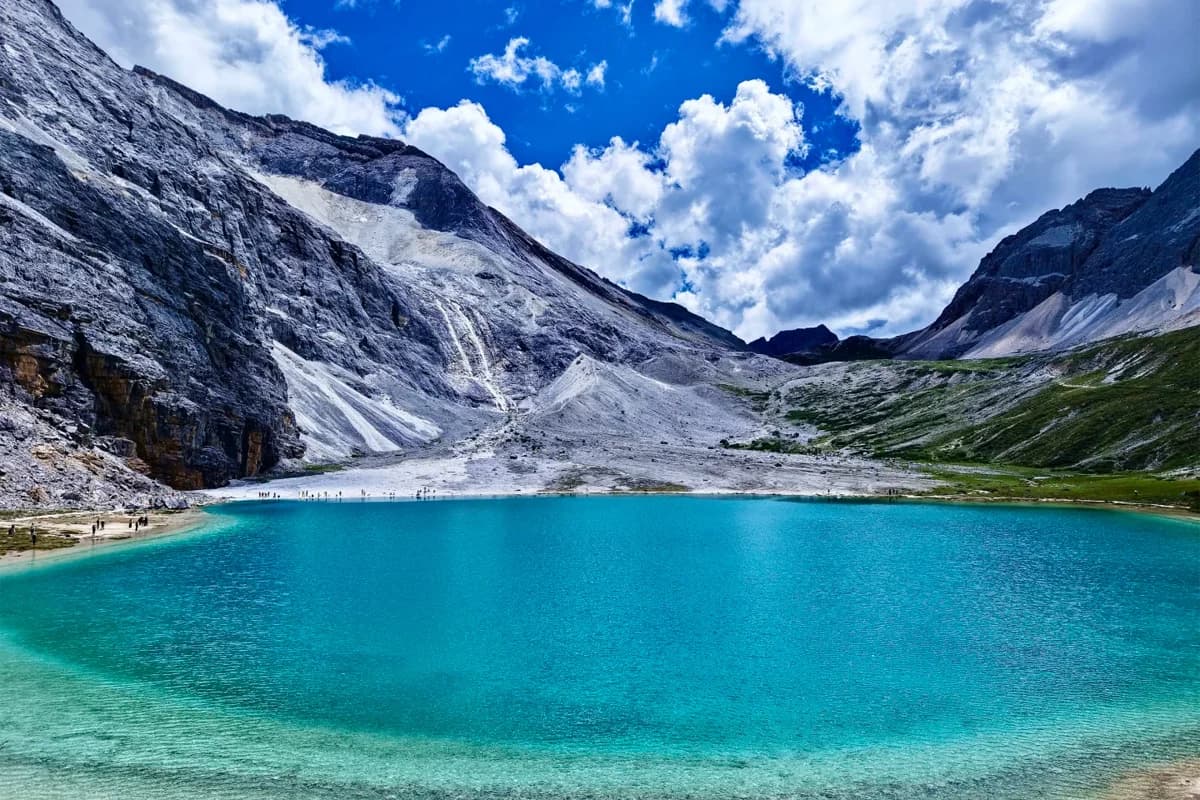
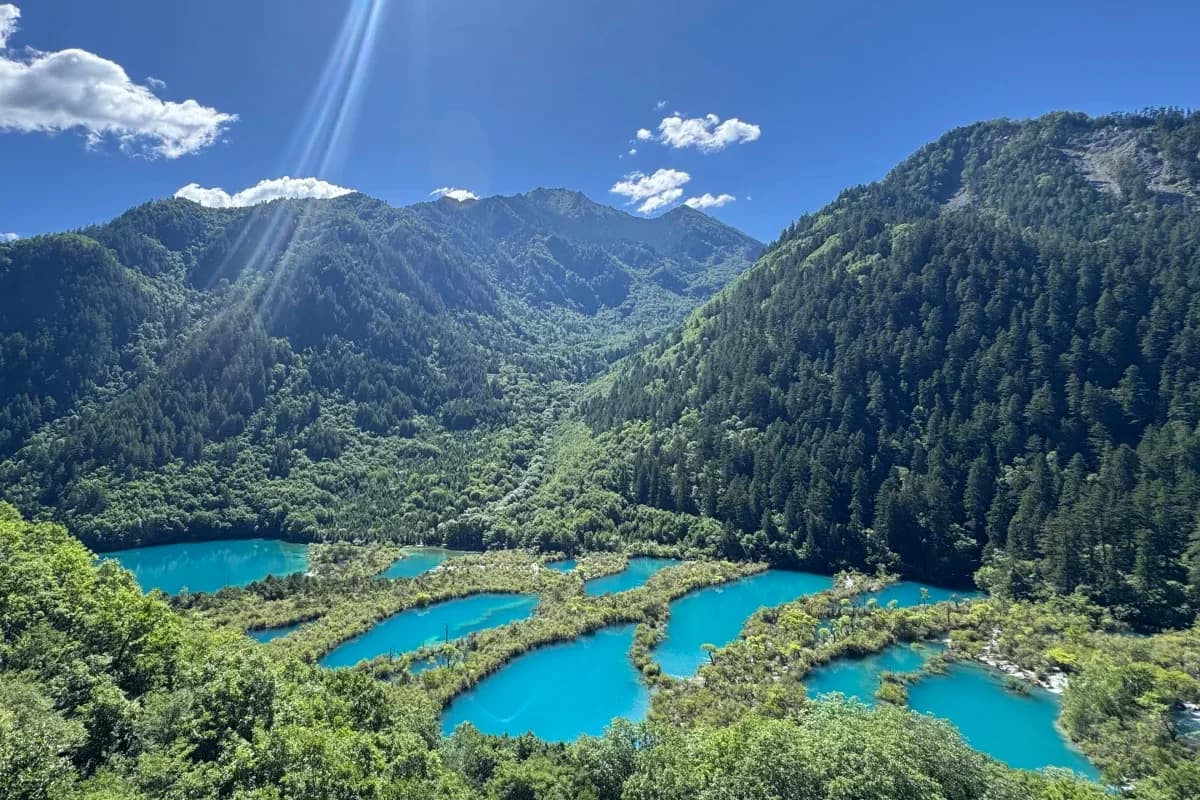
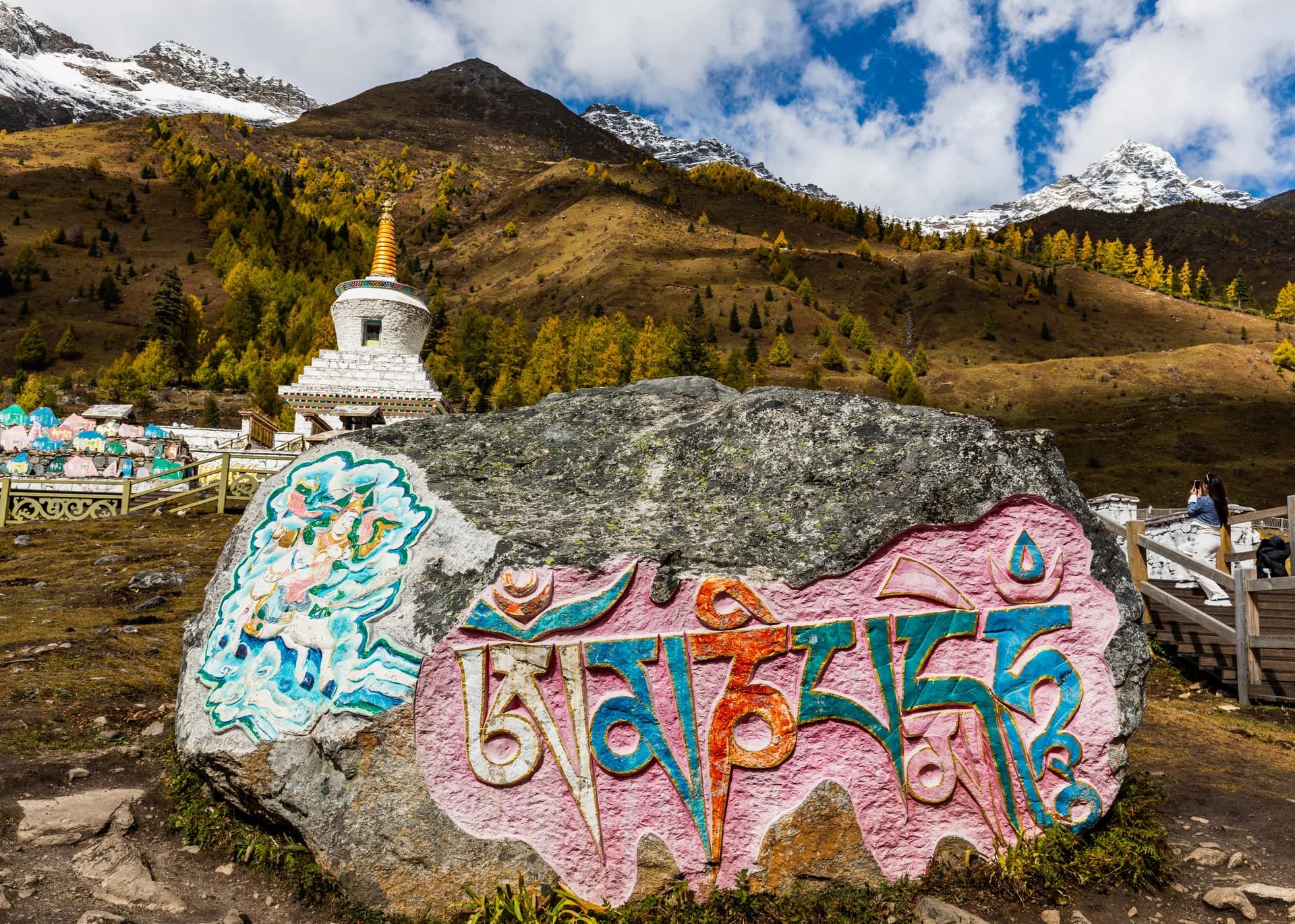
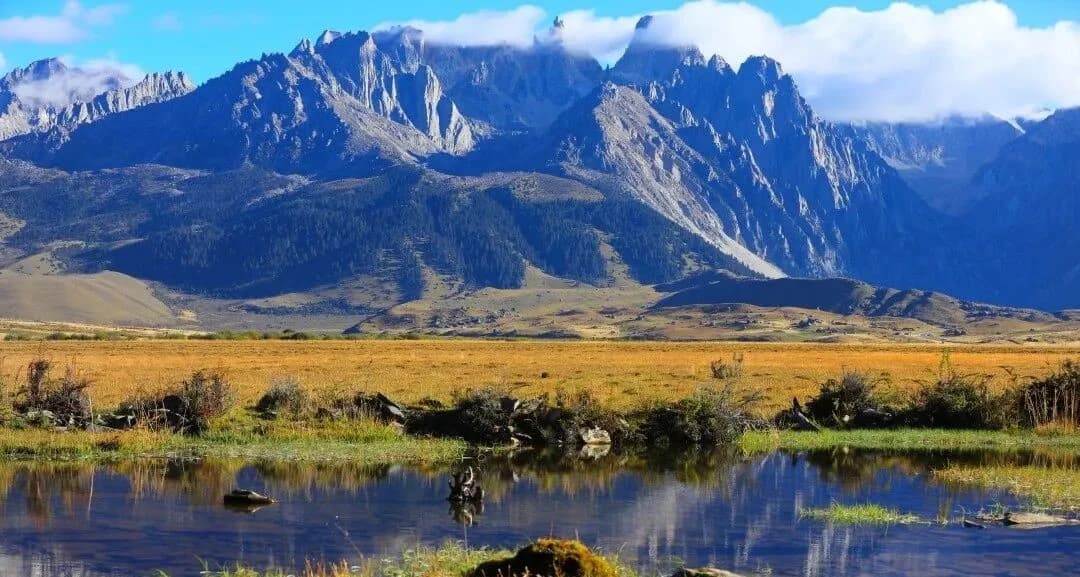
Batang Cuopu Valley Scenic Area, located in Ganzi Prefecture, Sichuan Province, is known as the "First Holy Lake of Kham," a secluded paradise integrating snow-capped mountains, lakes, forests, grasslands, and hot springs. Its core attractions include the jade-green Cuopu Lake, the magical lake where fish can be heard calling out, the steaming Rekeng Hot Spring Group, and Cuopu Monastery nestled against a sacred mountain.
A visit takes approximately 5-6 hours. The best time to visit is May-June (when alpine rhododendrons are in full bloom) and September-October (when autumn colors are golden and the weather is stable).
How to Get There
To reach Cuopu Valley, you usually need to travel along National Highway 318 to Batang County. Driving is the most convenient way; from Batang County, drive approximately 50 kilometers (1-1.5 hours) along National Highway 318 to reach the scenic area's visitor center. Road conditions are generally good, but some sections have many curves or loose gravel, so please drive carefully. Private vehicles are allowed within the scenic area, and you can also purchase a package ticket that includes entrance fees and a sightseeing bus.
Recommended Itinerary: After entering the scenic area, first take the sightseeing bus to the final stop, Cuopu Monastery, then walk to explore the two emerald-green sister lakes, Cuima Yongcuo and Kangzhu Lake. Finally, enjoy the magnificent scenery of Cuopu Lake and Zhajinjiabo Mountain along the lakeside boardwalk. Don't forget to experience the fun of boiling eggs in the hot springs along the way.
What to Expect
The core tourist area within the scenic spot is mainly connected by wooden boardwalks and walking trails. The paths are gentle, and the entire loop around Cuopu Lake is approximately 2.6 kilometers, making it suitable for hiking. Shuttle buses operate frequently between the main attractions, allowing for easy hop-on and hop-off service and saving energy. Due to its high altitude (above 4000 meters), rest areas are available along the trails. Restrooms are available at the visitor center and main parking areas. Restaurants and gift shops are primarily located outside the scenic area; dining options inside are very limited, so it is recommended to bring your own food and water.
Practical Tips
- Start early from your base city: if you are coming on a western Sichuan road trip from Chengdu, leave before 07:00 to avoid afternoon mountain weather and to allow time for altitude adjustment.
- Carry cash and offline maps as backup — mobile signal can be weak in parts of the valley, and Gaode or Baidu Maps may show the route better than international map apps.
- The scenic area is located in a high-altitude region, so it's advisable to drink Rhodiola rosea in advance and bring oral glucose solution.