Overview
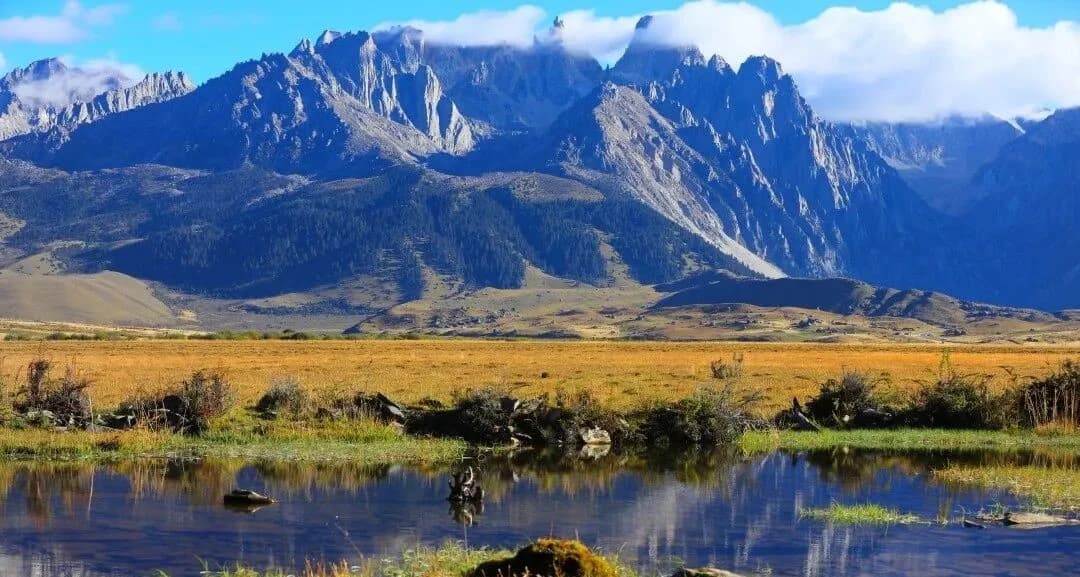
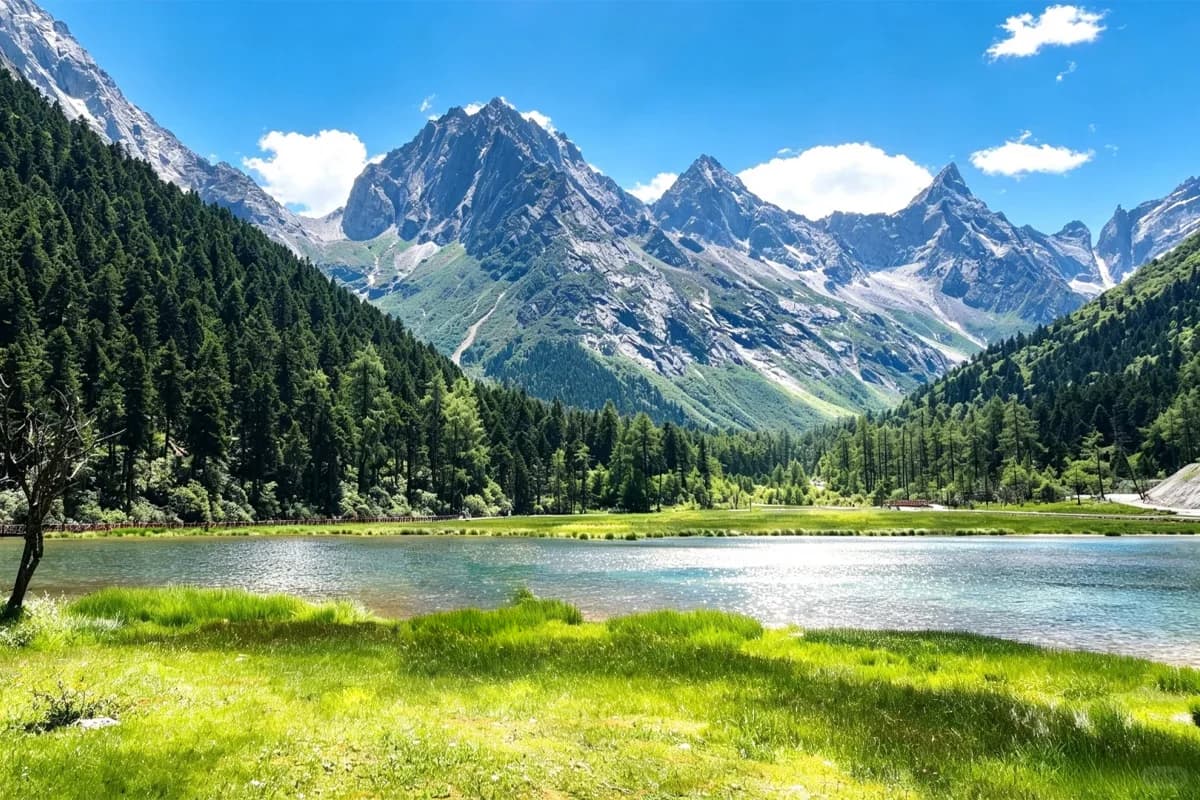
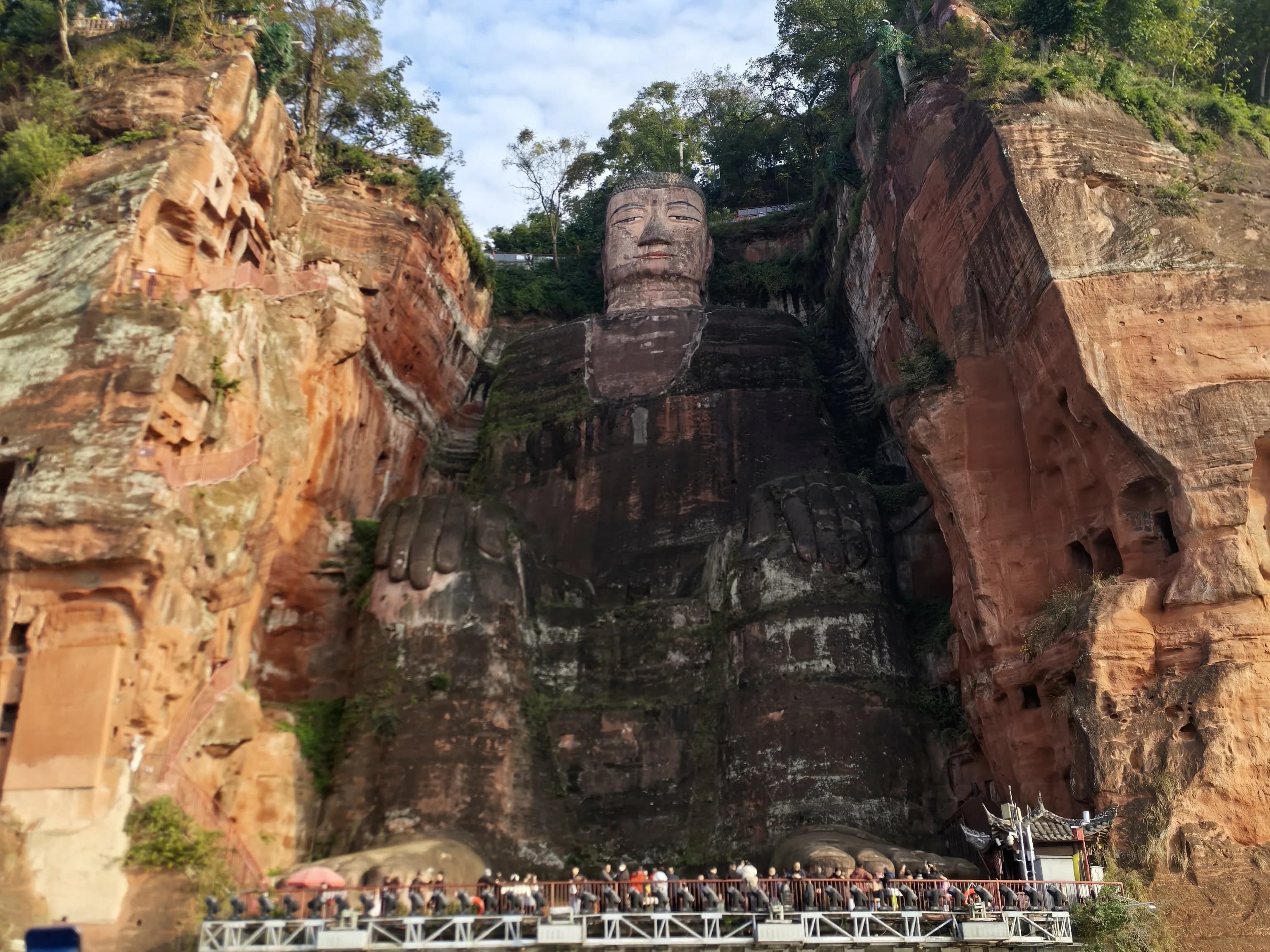
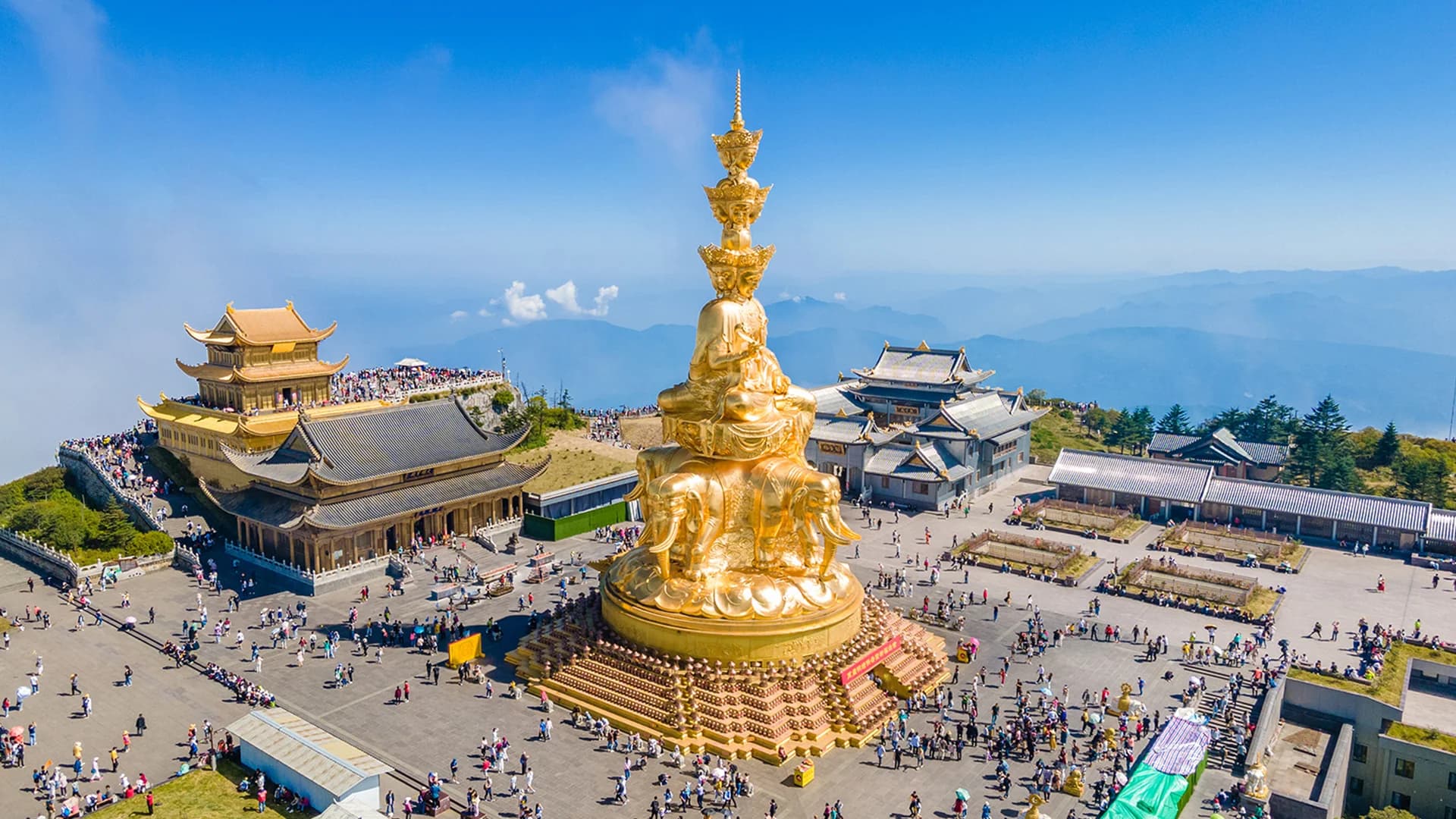
Mount Emei, located in Sichuan Province, is one of China's four sacred Buddhist mountains and a World Cultural and Natural Heritage site, renowned for its breathtaking scenery. Its core attraction is the Golden Summit, at 3079 meters above sea level, where the 48-meter-high Samantabhadra statue stands, offering stunning views of the sea of clouds, sunrise, and Buddha's light. The mountain also boasts numerous ancient temples, such as Baoguo Temple and Wannian Temple, as well as active Tibetan macaque troop activities.
The best time to visit is spring (April-June) when rhododendrons are in full bloom and the weather is pleasant; and autumn (September-November) when the weather is clear, the autumn colors are vibrant, and the probability of seeing the sea of clouds is highest. A 1-2 day visit is recommended.
How to Get There
The most convenient way is to take the high-speed train directly to [Emeishan Station] (please note it's not "Emei Station"), which takes about 1.5 hours from Chengdu. After exiting the station, it's about a 10-minute taxi ride or bus route 5A to reach Baoguo Temple, the entrance to the scenic area.
A 2-day, 1-night itinerary is recommended. On the first day, take the scenic area shuttle bus from the foot of the mountain (about 2 hours) to Leidongping, then walk to Jieyin Hall and take the cable car to the Golden Summit. Stay overnight at Leidongping or the Golden Summit to watch the sunrise the next day. On the second morning, after watching the sunrise and sea of clouds at the Golden Summit, take the cable car and shuttle bus down the mountain to Qingyin Pavilion halfway down. Hike along the boardwalk to the ecological monkey area to see the monkeys, and finally take a bus out of the scenic area from Wuxiangang Station.
What to Expect
The scenic area has well-developed facilities, but the mountain paths are quite long and require good physical fitness. There is approximately a 1.5-kilometer uphill walking path from Leidongping to the cable car station; the Golden Summit area is relatively open and flat. There are plenty of restrooms and supply points (small shops) on the mountain where you can buy water and snacks, so you don't need to carry too many supplies. Due to the high altitude, the temperature at the Golden Summit is 10-15°C lower than at the foot of the mountain; even in summer, be sure to bring a windproof jacket or light down jacket. There are gift shops and stalls offering simple meals along the way, but please do not use transparent plastic bags to avoid attracting wild monkeys to snatch them.
Practical Tips
- If you want sunrise at the Golden Summit, stay overnight near Leidongping or Jinding instead of trying to do the full route from Chengdu in one morning.
- Bring layers and a rain jacket — temperatures at the summit can be much colder than at Baoguo Temple, even in summer, and mist or light rain is common.
- Do not feed the mountain monkeys around the lower and mid-mountain areas; keep phones, snacks, and plastic bags secured.
- Carry Alipay or WeChat Pay as backup, but keep some cash for small shops and local buses in case mobile payment or signal is unreliable.