Overview
The Three Natural Bridges, located in Wulong, Chongqing, is a World Natural Heritage site. Composed of three magnificent natural stone arch bridges—Tianlong Bridge, Qinglong Bridge, and Heilong Bridge—it is the largest natural bridge complex in Asia and a filming location for *Transformers 4*. A complete tour of the scenic area takes approximately 2-4 hours. Visitors usually need to transfer to a shuttle bus at the Fairy Mountain Town Visitor Center. The best time to visit is spring (April-May) and autumn (September-October), when the weather is pleasant and the scenery is breathtaking.
How to Get There
To reach the Three Natural Bridges, you usually need to arrive in Wulong city first. You can take a train from Chongqing North Railway Station to Wulong Station, or a long-distance bus from Chongqing Sijiang Bus Terminal to Wulong Bus Station, and then transfer to a scenic area shuttle bus to the visitor center.
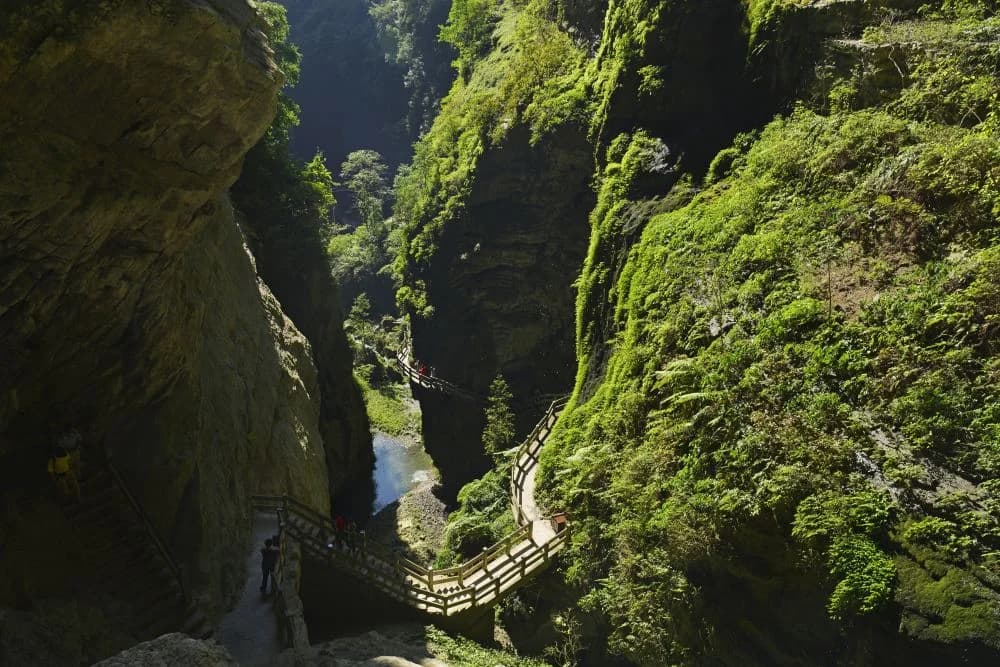
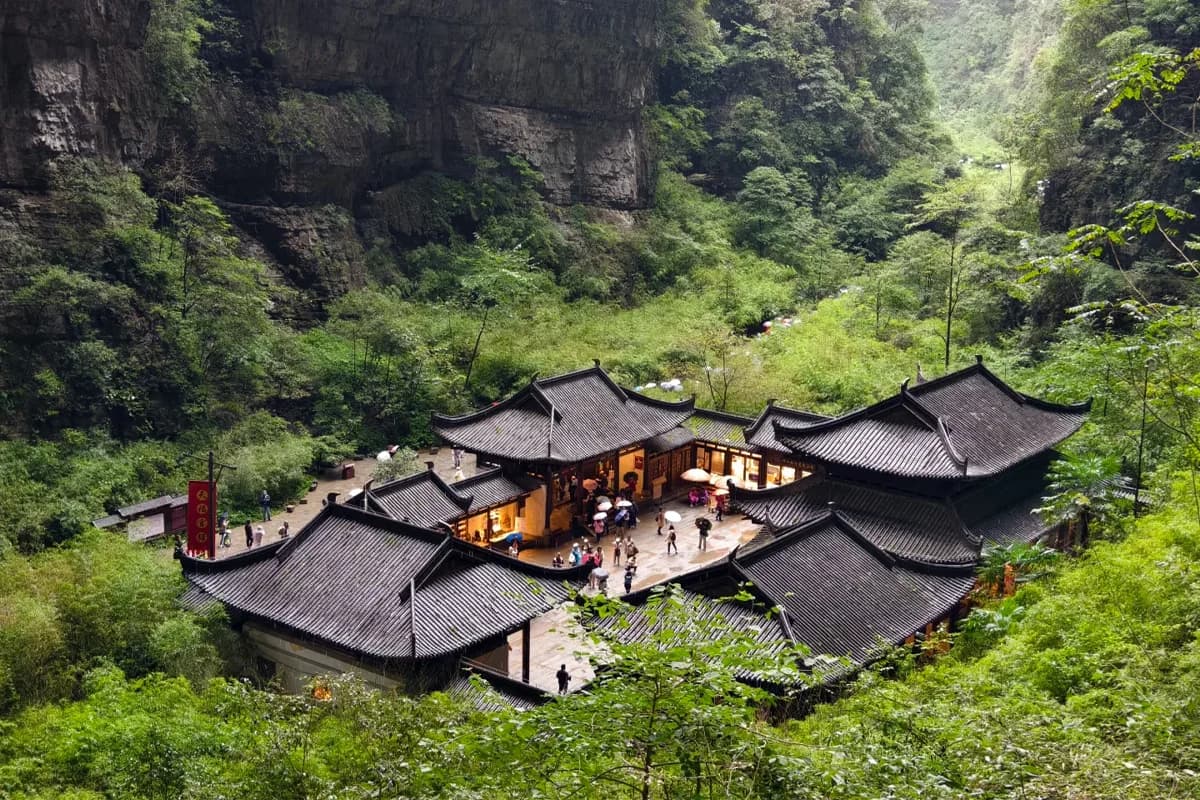
After transferring to the scenic area bus at the visitor center and arriving at the entrance, it is recommended to take the sightseeing elevator from Gate 1 directly to the valley floor to begin your tour. The core route involves following the boardwalk to visit Tianlong Bridge, Tianfuguan Post Station, Qinglong Bridge, and Heilong Bridge in sequence, without backtracking. After the tour, you can take an electric cart back to the bus station at the exit for 15 yuan (optional), and then transfer to the scenic area bus back to the visitor center.
What to Expect
Expect a significant amount of walking involving steep stairs and uneven terrain, so comfortable hiking shoes are essential. The route includes descending into the valley and climbing back out, though elevators are available for part of the journey. Basic facilities like restrooms and snack vendors are available along the path.
Practical Tips
- Wear non-slip shoes as the paths can be damp and steep.
- Visit early in the morning to avoid large tour groups.
- Bring a light raincoat or poncho due to mist from the waterfalls.
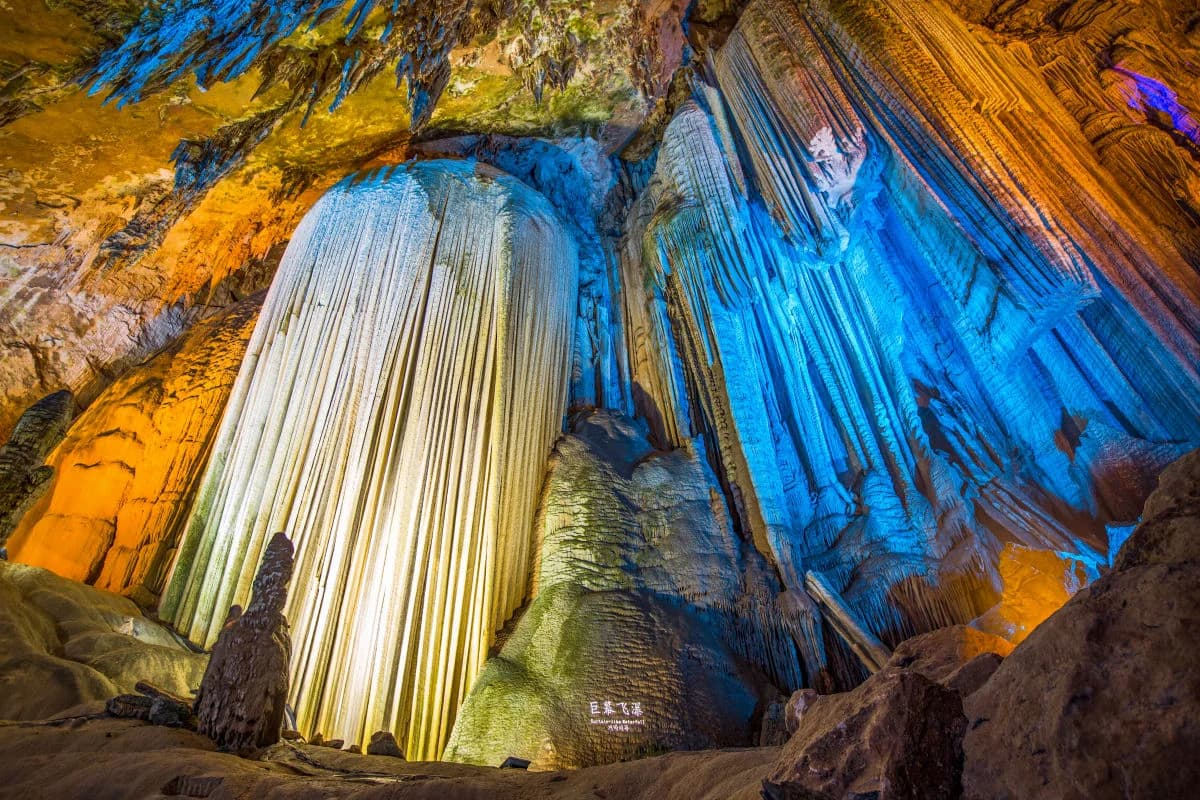
- Combine your trip with a visit to the nearby Furong Cave.