culturalChongqing
Chiyou Jiuli City
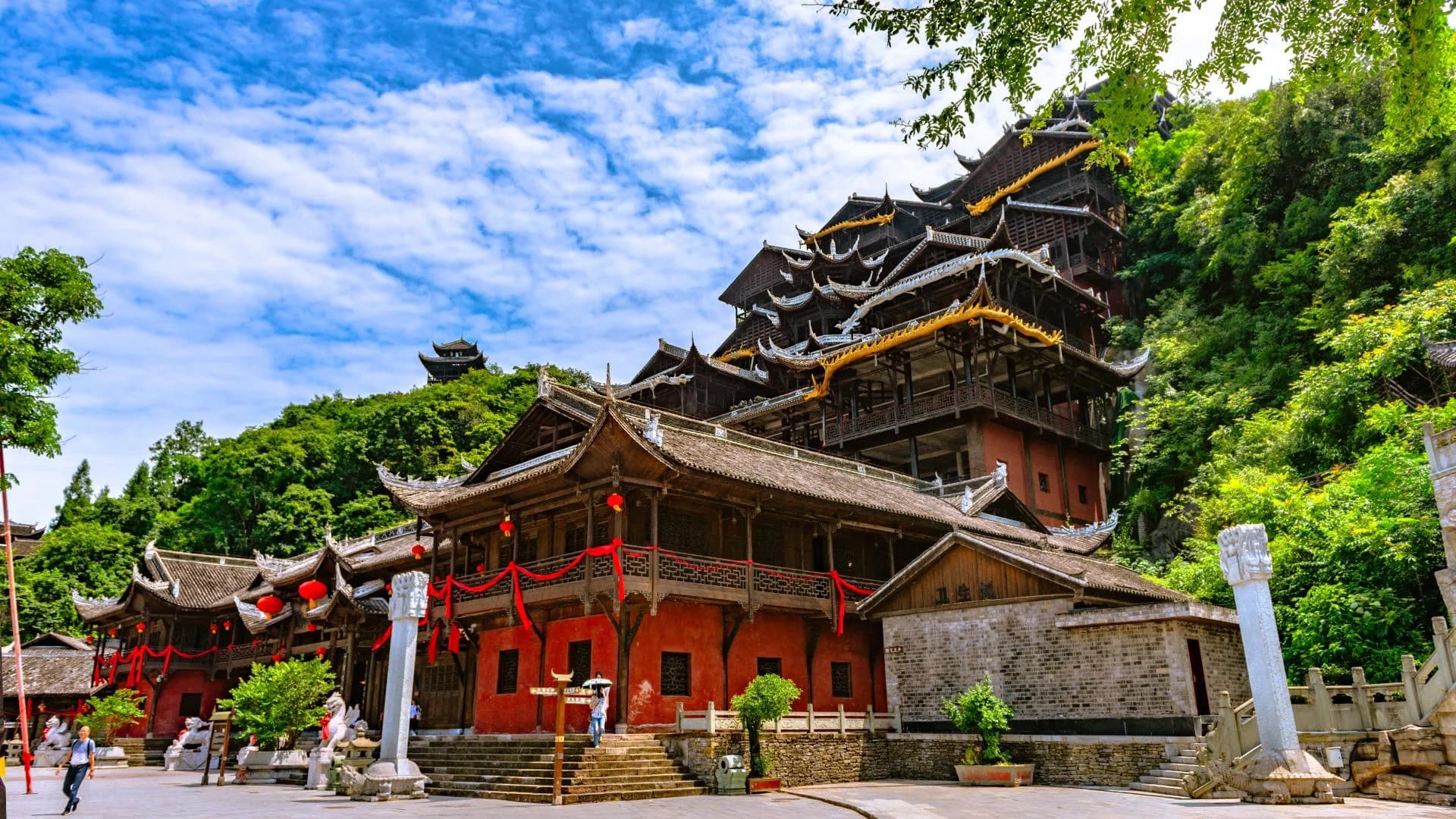
Chiyou Jiuli City is a cultural attraction in Chongqing, renowned for its magnificent Miao-style city gates, sacrificial architecture, and performances related to the legendary ancestor Chiyou. Located in Pengshui Miao and Tujia Autonomous County, it is one of the most famous Miao cultural experience destinations in Southwest China. The site blends Miao cultural traditions with the long history of the Wuling Mountains.
Opening Hours
(Summer) 8:30AM-6:00PM; (Winter) 8:30AM-5:3PM
Ticket Price
Tickets: ¥90
Location
Pengshui Miao and Tujia Autonomous County, Chongqing
Overview
Chiyou Jiuli City, located in Pengshui County, Chongqing, is the world's largest traditional Miao architectural complex, known as the "Oriental Miao Capital." Its core buildings include the world record-breaking Jiuli Palace (a 99-meter-high stilted building), nine gates, and the Nine Li Divine Pillars. A visit to the scenic area is recommended to last 4 to 6 hours. The best time to visit is from April to October each year, when the weather is pleasant. Visiting during Miao festivals such as the "Third Day of the Third Lunar Month," "Eighth Day of the Fourth Lunar Month," or the Miao New Year will allow you to experience the most authentic ethnic customs.
How to Get There
The most convenient way to get there from downtown Chongqing is by car. Take the G65 Baomao Expressway and exit at "Pengshui West," a journey of approximately 2.5 hours. Alternatively, take public transportation: from the Chongqing Sijiang Transportation Hub, take a bus to Pengshui County (about 3 hours), then a 15-minute taxi ride. High-speed rail is now available; take the Chongqing-Xiamen High-Speed Railway from Chongqing East Station to Pengshui West Station in just 40 minutes, then a 10-minute taxi ride to the scenic area. Recommended Itinerary: Enter through the "Nine Gates," then visit the "Jiuli Palace" to explore its architectural aesthetics, pay homage at the "Chiyou Hall," and subsequently visit the "Miao King's Palace" and the "Miao Ethnic Museum." If time permits, enjoy a long table banquet, and don't miss the bonfire party and light show on summer nights.
What to Expect
The scenic area is primarily paved with stone slabs, and due to its hillside location, there are many steps; comfortable walking shoes are recommended, and caution should be exercised when stepping. The facilities are relatively complete, with restrooms and gift shops in the core area, and a shopping arcade and food street offering silver jewelry, handicrafts, and Miao snacks. Rest areas are available in the main buildings, but the walking distance is quite long, which may be challenging for elderly people with mobility issues.
Practical Tips
- 1Plan at least 3-4 hours onsite; the complex is spread out, so consider the optional sightseeing car (about ¥20) if traveling with children or older family members.
- 2Go in spring or autumn and arrive before 10:00 or after 16:00 for softer light and fewer tour groups; summer afternoons in Pengshui can feel hot and humid.
- 3Use Gaode Maps or Baidu Maps in Chinese by searching '蚩尤九黎城' — English place names are less reliable for taxi drivers and local navigation.
- 4There is a live performance of "Miao Ancestor and Chi You" every Friday/Saturday evening (tickets are sold separately).
Share This Attraction
Found this helpful? Share it with fellow travelers!
More in Chongqing

Explore Chongqing
Discover more attractions, food, and travel tips for Chongqing.
View destination
More Attractions to Explore
Chongqing·cultural
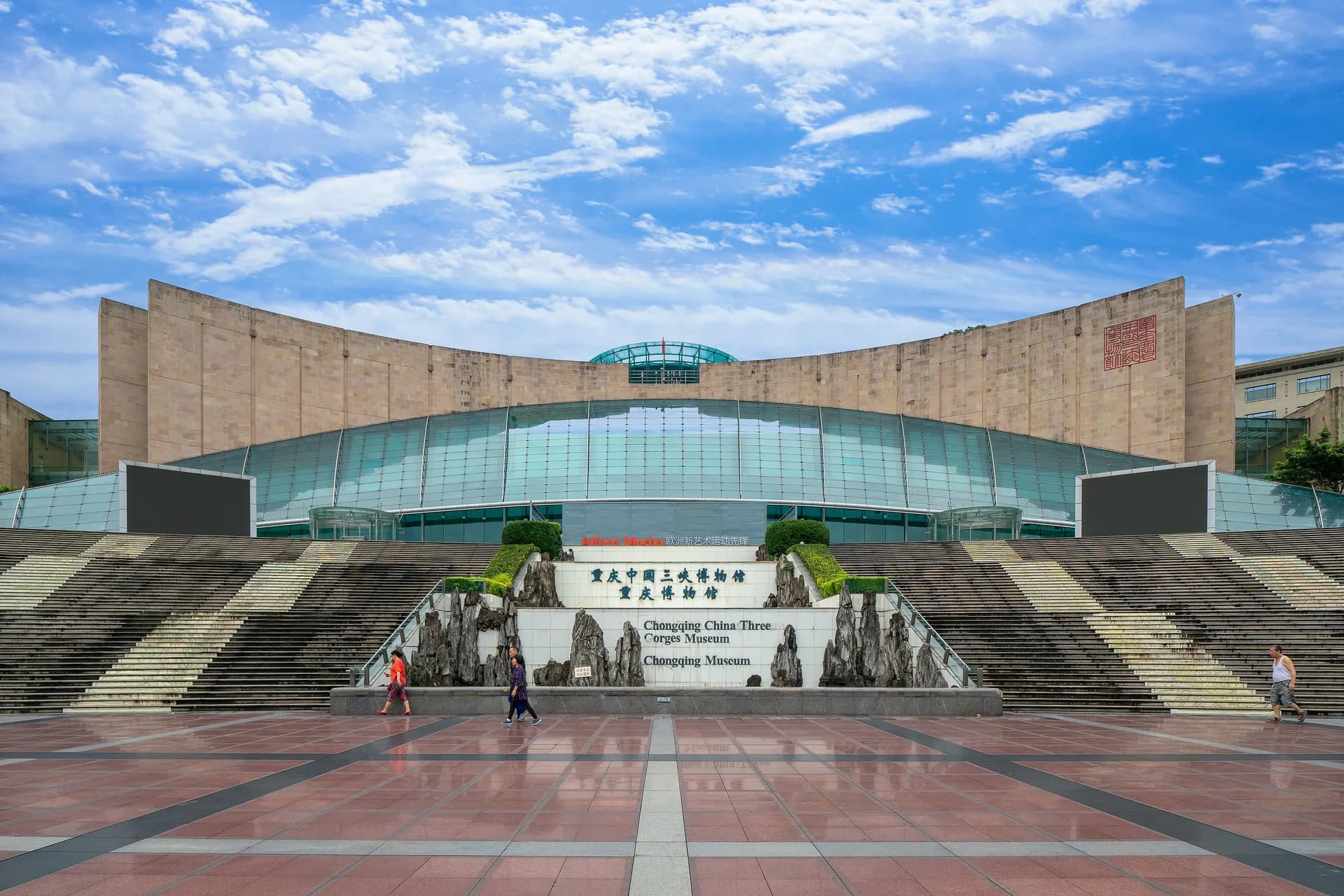
China Three Gorges Museum
The China Three Gorges Museum is a cultural attraction in Chongqing, renowned for its exploration of the Yangtze River, the Three Gorges Project, and the rich history of the Bayu culture in Southwest China. Its collection connects ancient regional history with modern changes, showcasing artifacts from the Qin and Han dynasties, items from the construction of the Three Gorges Dam, and accounts of migrations along the river in the late 20th and early 21st centuries.
Chongqing·cultural
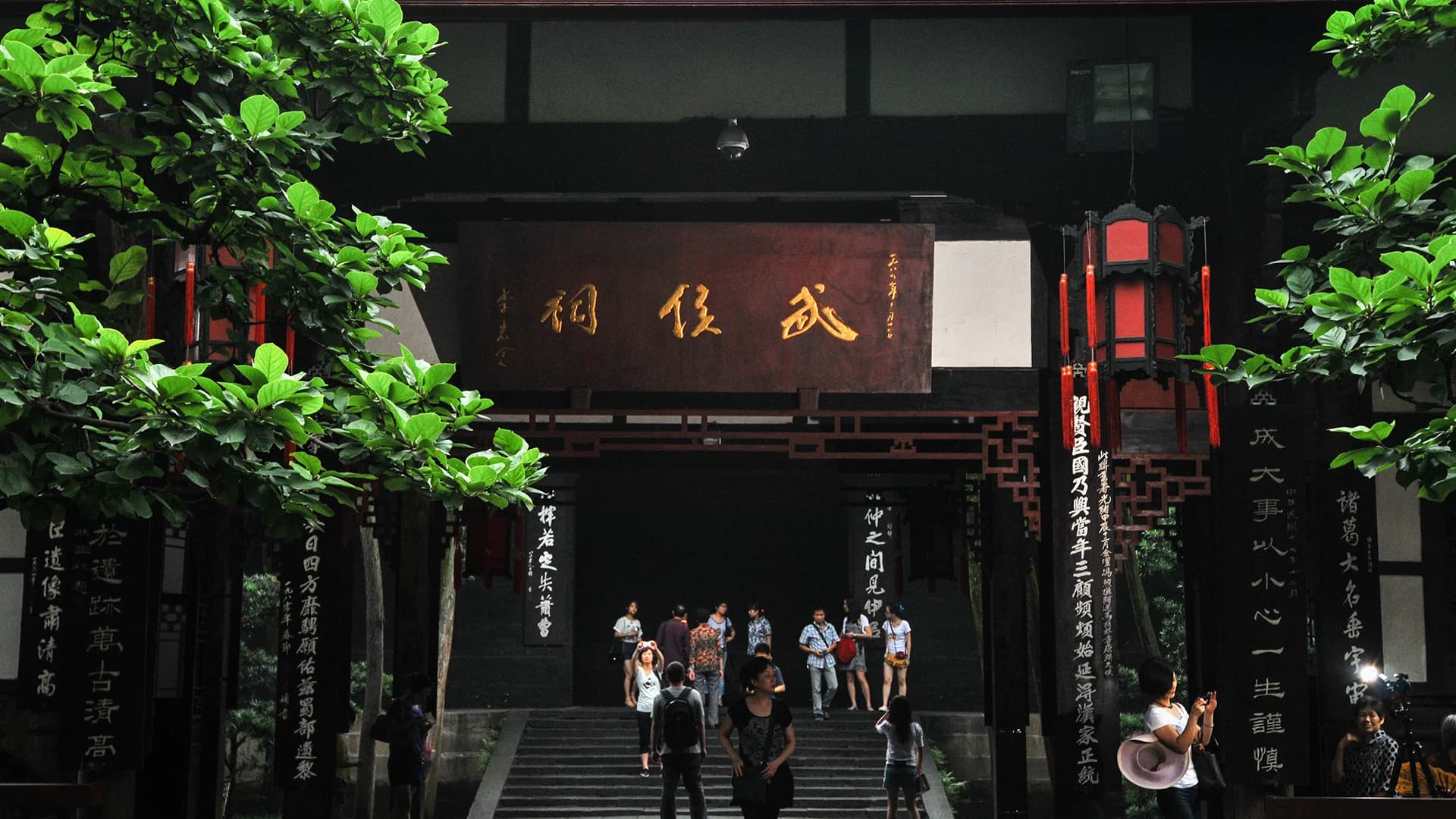
Wuhou Temple
Wuhou Temple is a cultural attraction in Chongqing known for honoring Zhuge Liang (诸葛亮), the famed Shu Han strategist of the Three Kingdoms period. Most visitors see it as part of the Baidi City scenic area in Fengjie, where history, river views, and classical memorial architecture come together in one visit.
Chongqing·natural
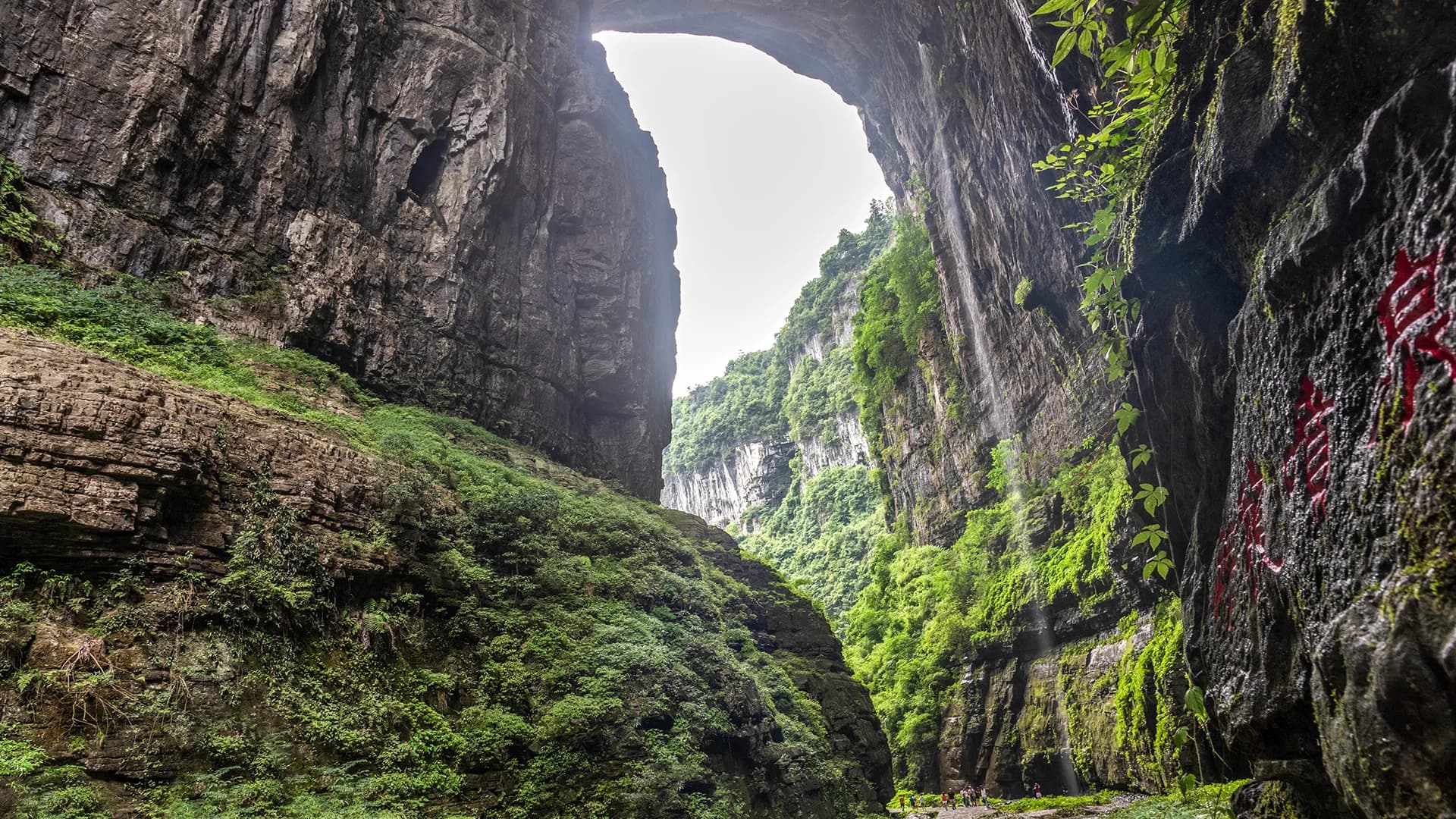
Three Natural Bridges
The Three Natural Bridges of Wulong County, Chongqing, are a magnificent geological wonder. This UNESCO World Heritage Site consists of three massive limestone karst bridges—Tianlong Bridge, Qinglong Bridge, and Heilong Bridge—formed by the erosion of the Yangshui River. It has served as a filming location for famous movies such as *Transformers: Age of Extinction*. It is a must-visit destination for nature lovers and photographers exploring China's unique landscapes.