naturalChengdu
Daocheng Yading
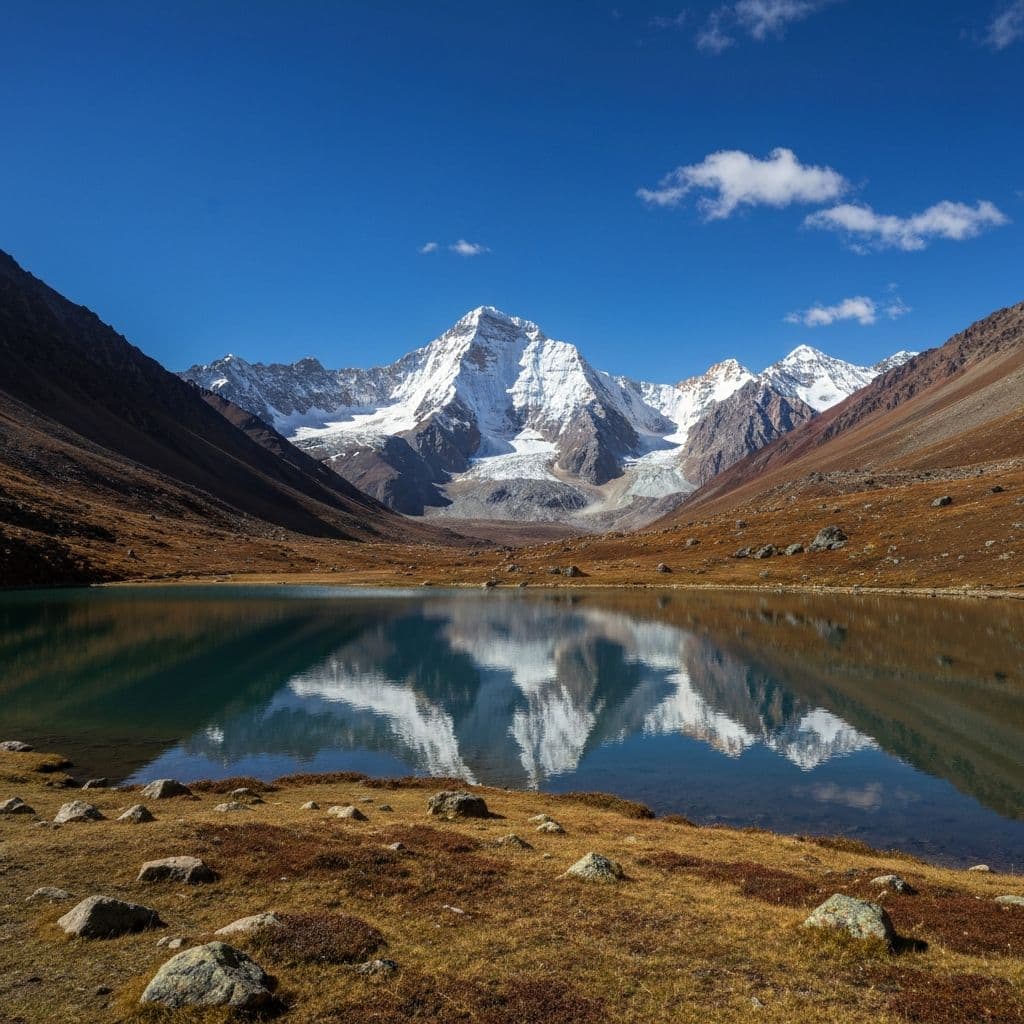
Known as 'The Last Shangri-La,' this remote nature reserve features three sacred snow mountains, pristine alpine lakes, and vast meadows at 4,000-5,000m elevation. The three peaks - Chenrezig, Jambeyang, and Chanadorje - are sacred to Tibetan Buddhists. Challenging high-altitude hiking rewards visitors with some of China's most spectacular and untouched landscapes.
Opening Hours
Peak season (April 1st - November 30th):7:00 AM - 4:40 PM ;Off-season (April 1st - March 31st):8:20 AM - 3:50 PM
Ticket Price
Peak season:¥146 + ¥120 shuttle bus;Off-season:¥120 + ¥120 shuttle bus
Location
Daocheng County, Ganzi Prefecture, Sichuan
Overview
Daocheng Yading, located in Ganzi Tibetan Autonomous Prefecture, Sichuan Province, is hailed as "the last pure land on the blue planet." Its core scenic features three snow-capped mountains arranged in a triangular formation (Xiannairi, Yangmaiyong, and Xiannaduoji) and three sacred lakes (Pearl Lake, Milk Lake, and Five-Color Lake). The best time to visit is from September to October, especially mid-to-late October in autumn. A 1-2 day trip is recommended to fully experience the unique charm of western Sichuan.
How to Get There
To reach Daocheng Yading, one typically flies to Chengdu first, then choose either a plane or a long-distance bus to proceed. The fastest way is to fly directly from Chengdu Shuangliu Airport to Daocheng Yading Airport (approximately 1 hour), then take an airport bus to Daocheng County or Shangri-La Town (approximately 1.5-2 hours). Upon arrival, from Shangri-La Town (recommended for accommodation, as it has a lower altitude), take a scenic shuttle bus to enter the core area of Yading. The scenic area is mainly divided into two routes: a short route hiking from Chonggu Temple to Pearl Lake, and a long route hiking or riding horses from Luorong Pasture (accessible by electric cart) to Milk Lake and Five-Color Lake, both taking 5-7 hours in total.
What to Expect
A visit to Daocheng Yading Scenic Area takes a considerable amount of time, and the longer routes often involve dirt and rock paths and steep slopes. Therefore, be sure to bring appropriate hiking shoes. The scenic area provides basic rest areas, drinks, and food supplies; you may also bring your own food. Restrooms are only available at the scenic area entrance, Chonggu Temple, and Luorong Pasture, among other major stops. Please note: The entire route is at a very high altitude, and the weather is unpredictable. It is recommended to travel light and bring rain gear, dry food, and plenty of water.
Practical Tips
- 1The hike to Milk Lake (4,500m) is strenuous but rewarding
- 2Best visited September-October for clear skies and autumn colors
- 3Bring warm layers - temperatures drop dramatically
- 4The scenic area is at a high altitude, so it is recommended to stay in Shangri-La Town, which is at a lower altitude, to acclimatize.
Share This Attraction
Found this helpful? Share it with fellow travelers!
Explore Chengdu
Discover more attractions, food, and travel tips for Chengdu.
View destination
More Attractions to Explore
Chengdu·natural
Jiuzhaigou Valley
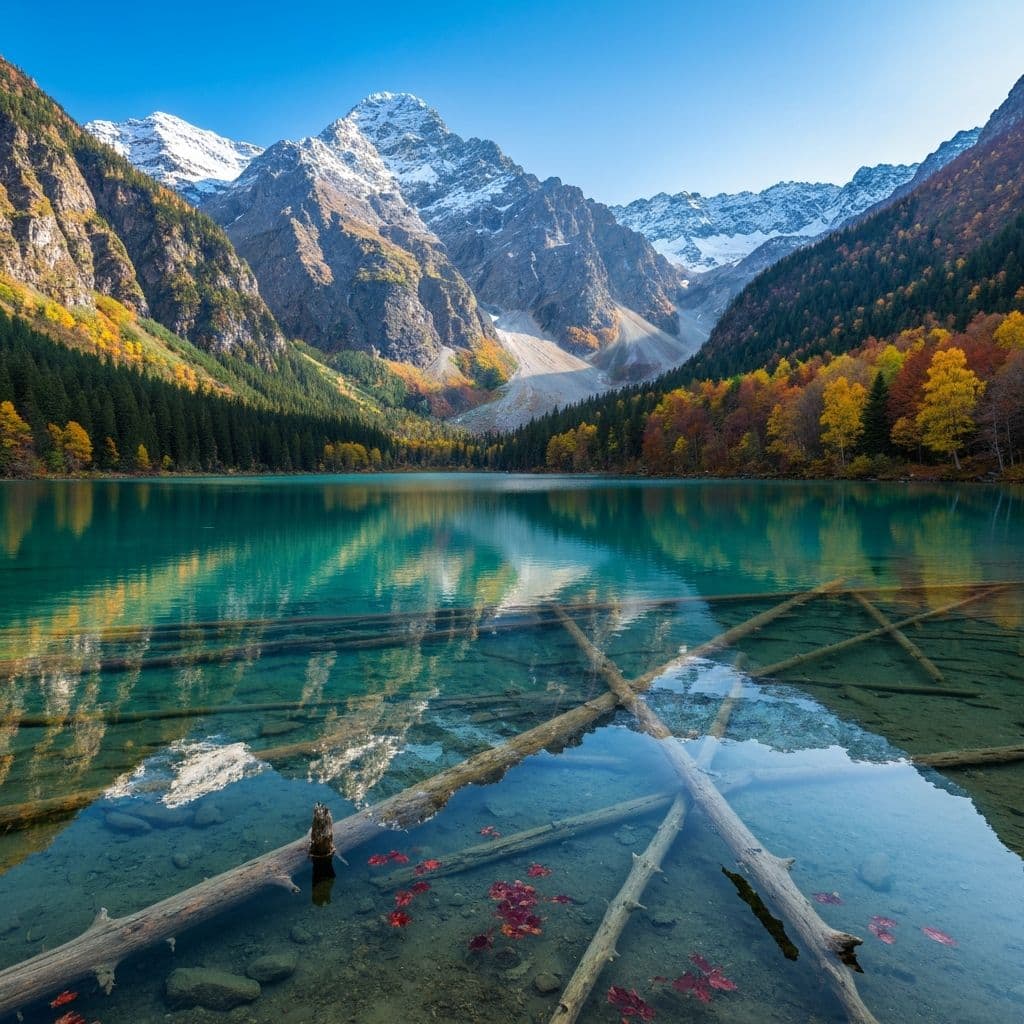
A UNESCO World Heritage Site famous for its otherworldly turquoise lakes, multi-tiered waterfalls, and snow-capped peaks. The valley's 72 crystal-clear lakes get their vivid colors from calcium carbonate deposits and algae. Autumn (October) brings spectacular foliage, while winter transforms the valley into a frozen wonderland. One of China's most beautiful natural reserves.
Chengdu·natural
Qingcheng Mountain
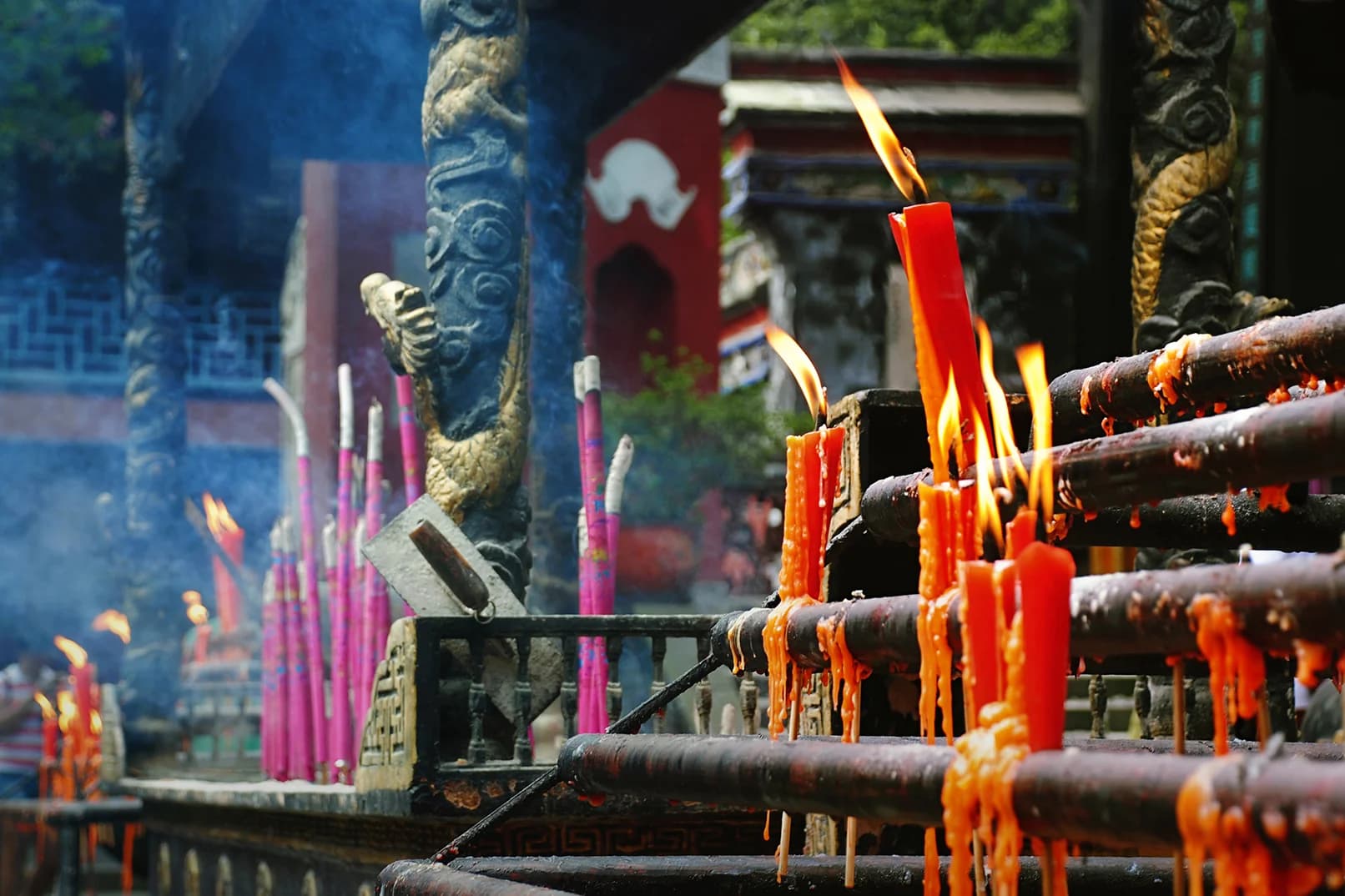
Mount Qingcheng is a natural scenic spot in Chengdu, renowned for its lush Taoist forests, cool air, and deep connection to the origins of Taoism in China. Located near Dujiangyan in Chengdu, it is traditionally divided into the front mountain (Qianshan) and the back mountain (Houshan). The front mountain is known for its temples and classical landscapes, while the back mountain is famous for its streams, bridges, and hiking trails.
Chengdu·natural
Huanglong Scenic Area
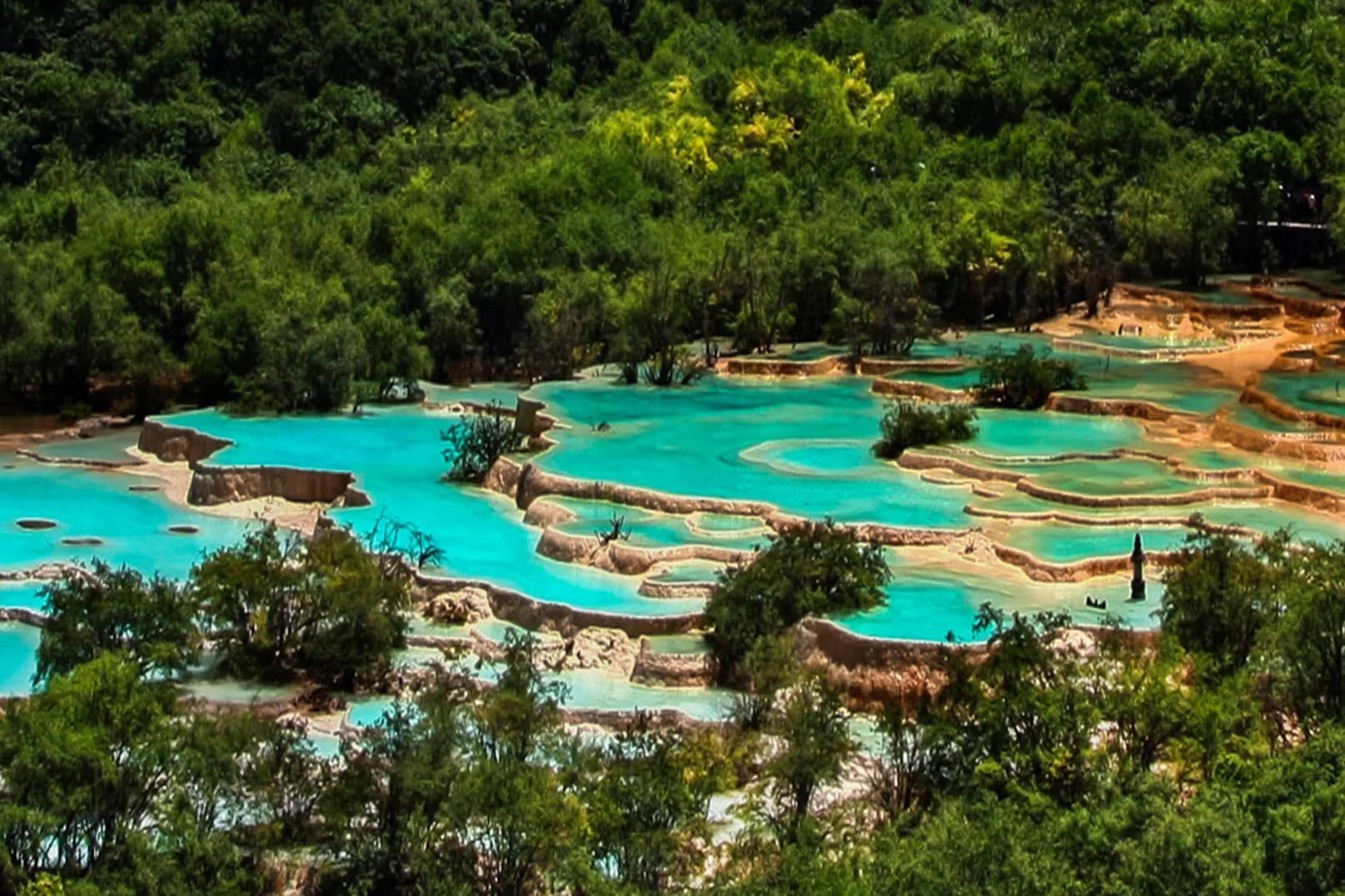
Huanglong Scenic Area, located near Chengdu, is renowned for its crystal-clear travertine pools, terraced limestone fields, snow-capped peaks, and lush, verdant mountains. Huanglong holds significant religious and cultural importance: its name means "Yellow Dragon," and the area has long been closely linked to Tibetan Buddhism and local temple traditions, particularly the Huanglong Ancient Temple, whose history often dates back to the Ming Dynasty.