naturalChongqing
Furong Cave
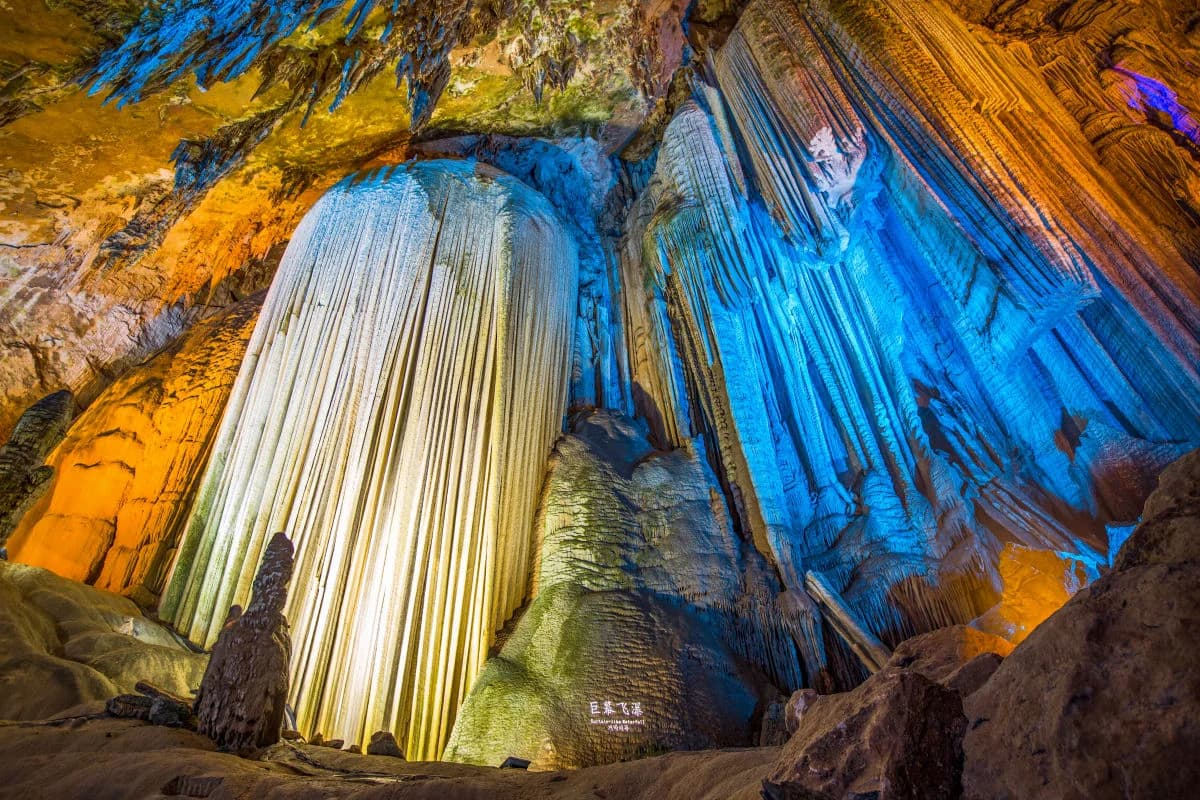
Furong Cave is a famous karst landscape in Chongqing, renowned for its vast caverns, dazzling stalactites, and iconic geological features of Wulong District. Located in Wulong District, Furong Cave is part of the South China Karst Landform Area recognized by UNESCO. The dense stalactites, curtains, and calcite deposits inside the cave attract numerous tourists.
Opening Hours
8:00 AM - 5:30 PM (March - October); 8:30 AM - 4:30 PM (November - February)
Ticket Price
Tickets + round-trip cable car: ¥150
Location
Furong Cave Scenic Area, Jiangkou Town, Wulong District, Chongqing
Overview
Furong Cave, located in Wulong District, Chongqing, is a UNESCO World Natural Heritage site, hailed as an "underground art palace." The cave is vast, filled with stalactites, stalagmites, and flowstones, among which the "Coral Pool" and "Source of Life" are extremely rare formations. The entire tour is approximately 2 kilometers long, and it is recommended to allow 2 to 3 hours for a leisurely exploration. The year-round temperature is around 16°C, making it a popular summer retreat, but the best time to visit is during the pleasant spring and autumn seasons (April-June and September-November).
How to Get There
The most convenient way to get to Furong Cave from downtown Chongqing is by high-speed rail: departing from Chongqing North Station or Chongqing West Station, it takes about 30-60 minutes to reach Wulong South Station. After exiting the station, transfer to a tourist bus to reach the scenic area directly. If choosing a long-distance bus, take a bus from Chongqing Sijiang Hub Station to Wulong Bus Station, then transfer to a bus bound for Jiangkou Town (approximately 6-8 yuan). For those driving, take the G65 Baomao Expressway, exit at Wulong Service Area, and follow the signs for about 20 minutes to reach the cave.
What to Expect
Furong Cave is a well-equipped 5A-level scenic area with excellent walking trails and lighting systems. However, the floor inside the cave can be slippery in some areas, so it is recommended to wear non-slip sports shoes. The visitor center offers restrooms, luggage storage, and a restaurant. There is a souvenir shop near the cave exit where you can purchase local specialties. The temperature inside the cave remains constant at around 16°C year-round, so it is advisable to bring a light jacket.
Practical Tips
- 1Check the official Wulong tourism WeChat account or your booking platform before going — adult tickets are usually about ¥150 as of 2026, and holiday slots can sell out early.
- 2Bring a light jacket even in summer; the cave stays cool and damp year-round, often noticeably colder than outdoor temperatures.
- 3From Wulong town or Wulong South Railway Station, confirm the last tourist bus or arrange a return taxi in advance — evening transport options are limited.
- 4Use Gaode Maps or Baidu Maps in Chinese for the most reliable navigation; searching for 芙蓉洞 usually works better than the English name.
Share This Attraction
Found this helpful? Share it with fellow travelers!
More in Chongqing

Explore Chongqing
Discover more attractions, food, and travel tips for Chongqing.
View destination
More Attractions to Explore
Chongqing·natural
Three Natural Bridges
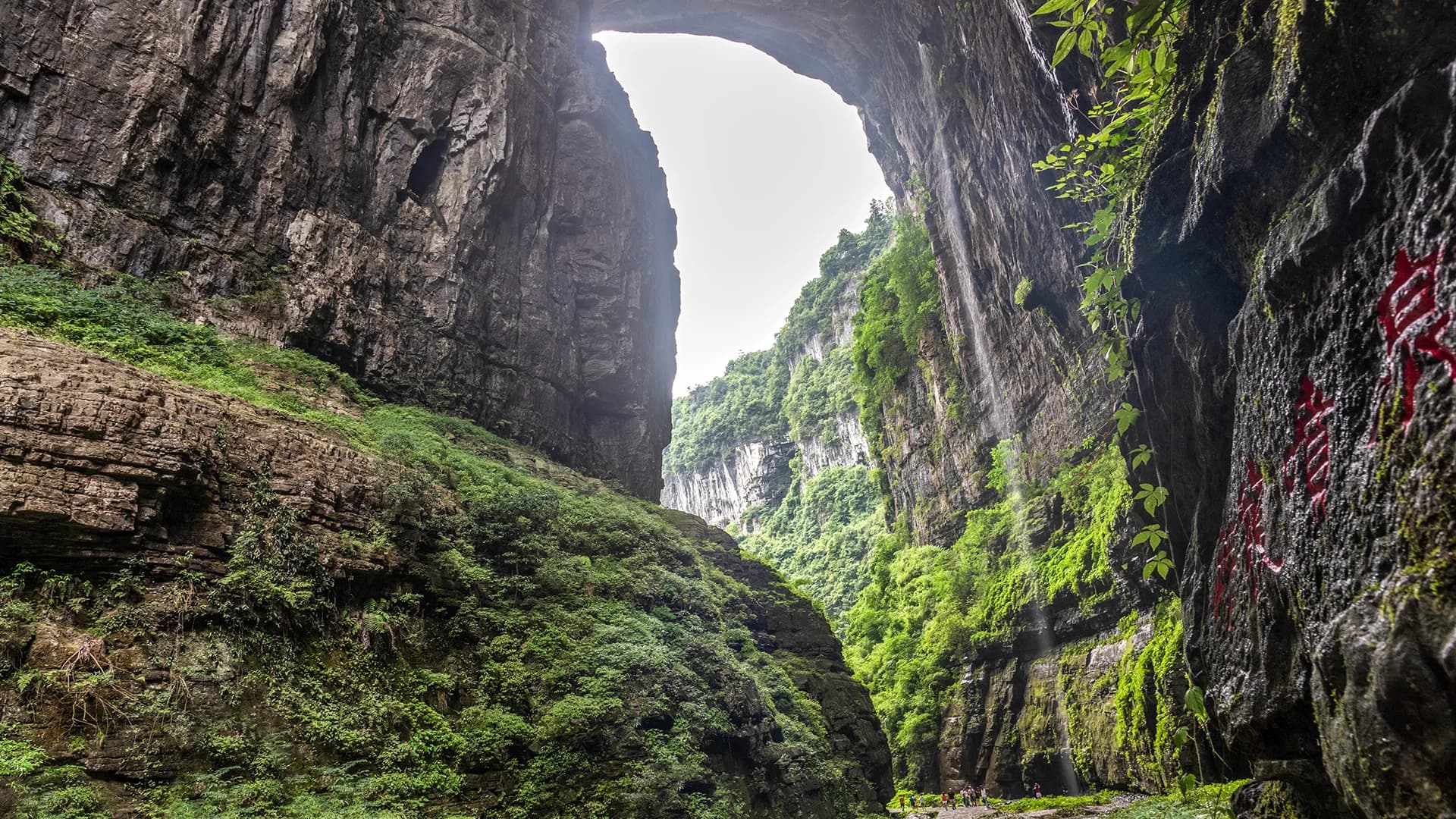
The Three Natural Bridges of Wulong County, Chongqing, are a magnificent geological wonder. This UNESCO World Heritage Site consists of three massive limestone karst bridges—Tianlong Bridge, Qinglong Bridge, and Heilong Bridge—formed by the erosion of the Yangshui River. It has served as a filming location for famous movies such as *Transformers: Age of Extinction*. It is a must-visit destination for nature lovers and photographers exploring China's unique landscapes.
Chongqing·natural
Fairy Mountain Forest Park
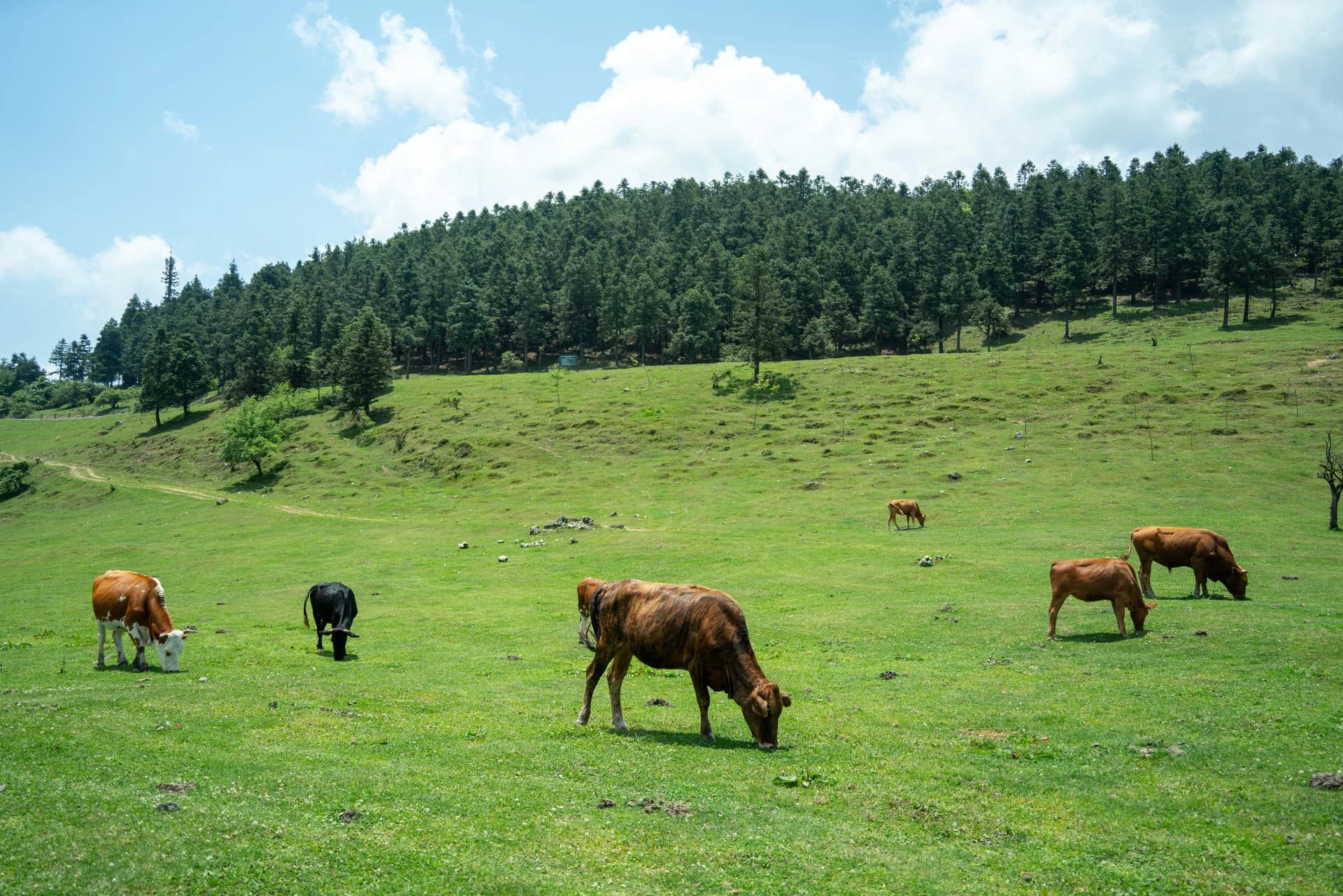
Fairy Mountain Forest Park is a famous natural scenic spot in Chongqing, known for its high-altitude grasslands, cool summer climate, and magnificent Wulong karst landforms. Located in Wulong District, at an altitude of about 1,900 meters, the park is often praised by domestic tourists as the "Oriental Switzerland" due to its meadows, forests, and cloud-shrouded ridges.
Chongqing·natural
Wujiang Gallery
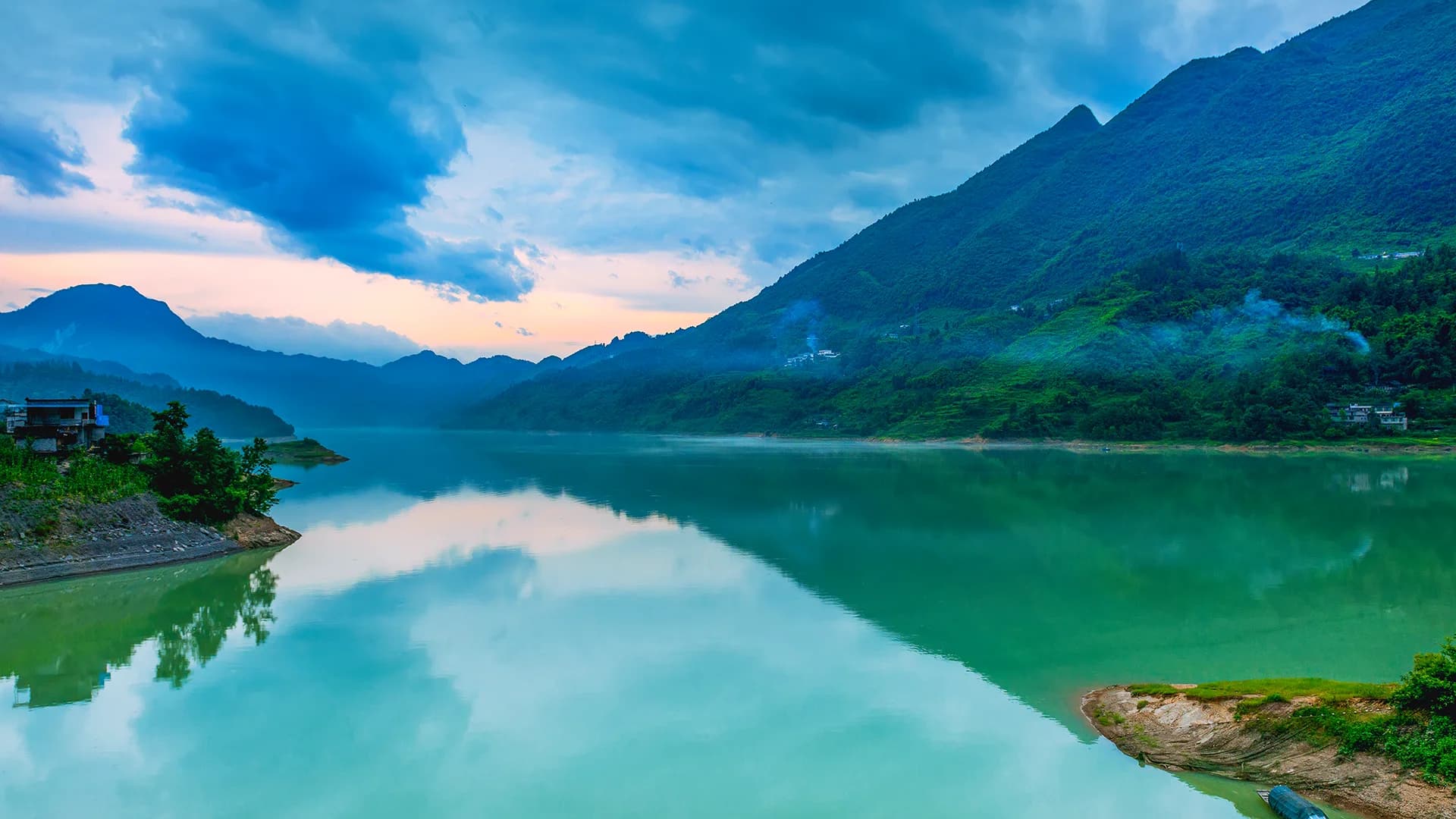
Wujiang Corridor is a famous natural landscape in Chongqing, renowned for its magnificent karst landforms, emerald green rivers, and the cultural features of the Tujia and Miao ethnic groups along its banks. Located in Pengshui Miao and Tujia Autonomous County, it is typically explored by boat. Situated in the historically significant Wuling Mountains, an area inhabited by the Tujia and Miao people for generations, the boat tours are best enjoyed in the morning when the light is ideal for photography.