naturalChongqing
Wujiang Gallery
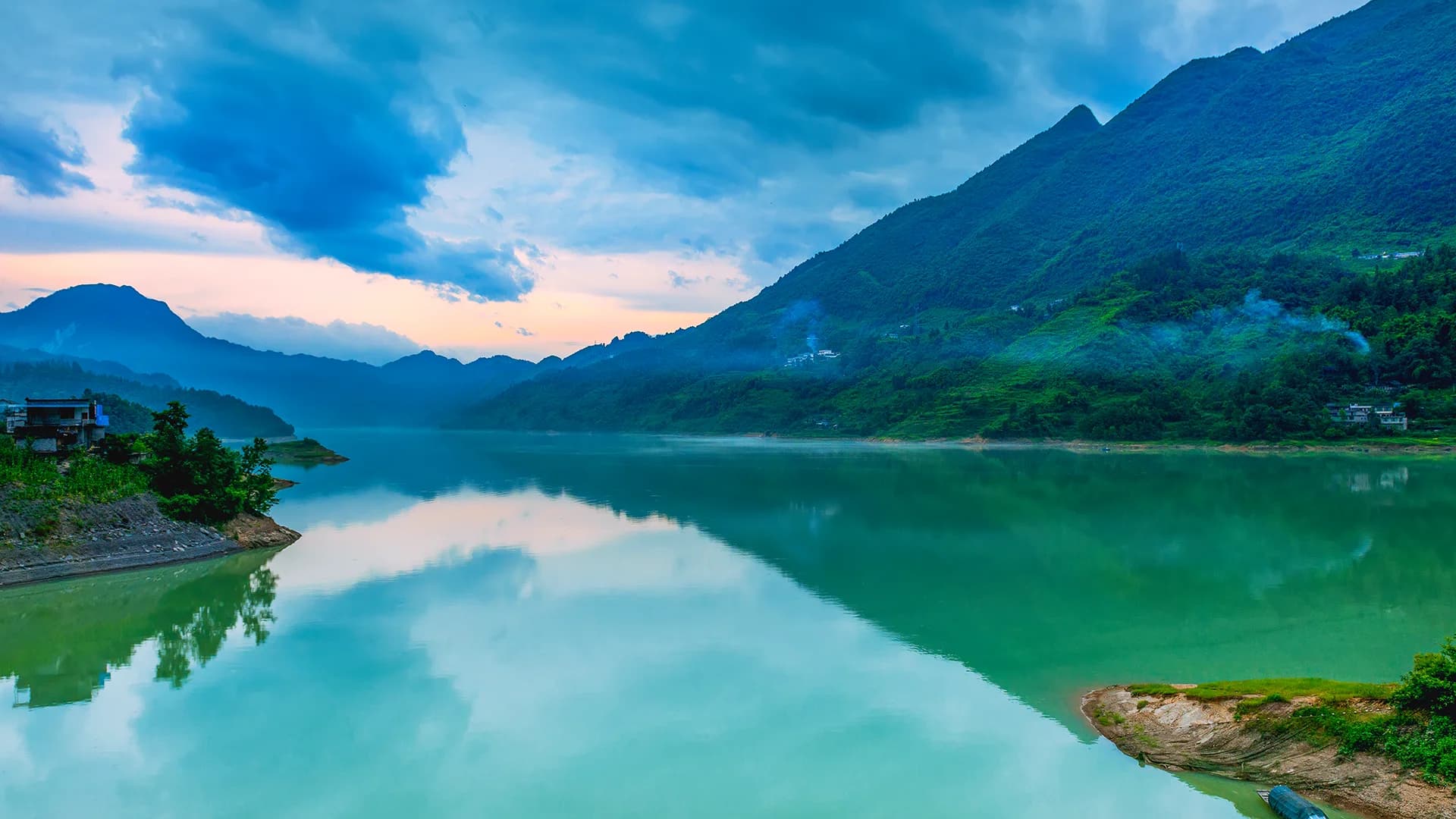
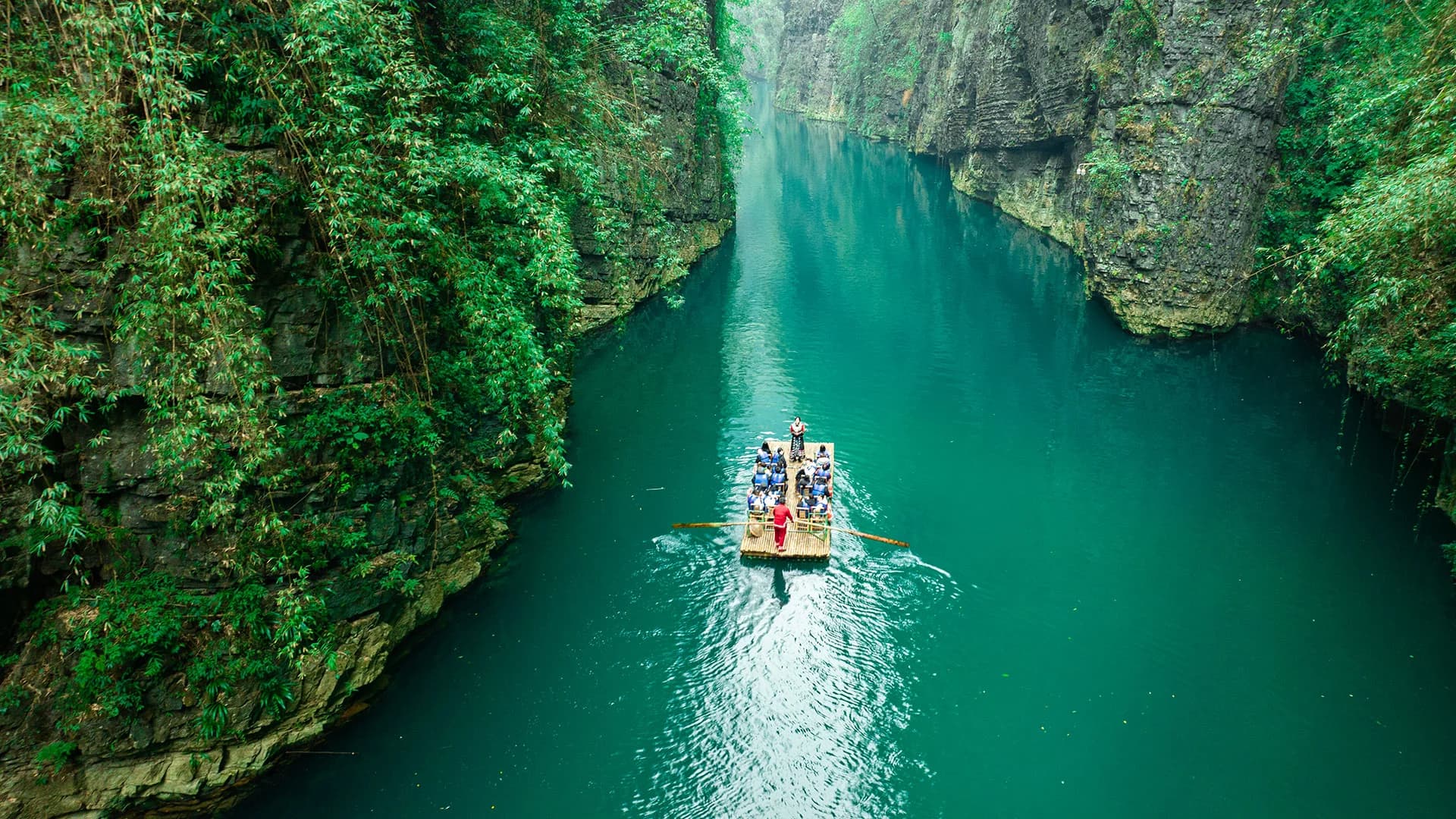
Wujiang Corridor is a famous natural landscape in Chongqing, renowned for its magnificent karst landforms, emerald green rivers, and the cultural features of the Tujia and Miao ethnic groups along its banks. Located in Pengshui Miao and Tujia Autonomous County, it is typically explored by boat. Situated in the historically significant Wuling Mountains, an area inhabited by the Tujia and Miao people for generations, the boat tours are best enjoyed in the morning when the light is ideal for photography.
Opening Hours
9:00 AM - 5:30 PM
Ticket Price
Cruise tickets range from ¥135 to ¥234 (depending on the cruise ship model).
Location
Wujiang Gallery Scenic Area, Wanzu Town, Pengshui Miao and Tujia Autonomous County, Chongqing
Overview
The Wujiang Gallery is the most scenic section of the "Thousand-Mile Wujiang River, Hundred-Mile Gallery," renowned for its karst canyon scenery characterized by "mountains as if cleaved by an axe, and water as green as jade." The core experience is a boat trip between the towering cliffs and peaks on both sides of the emerald waters, immersing oneself in a landscape reminiscent of a Chinese ink painting. It is recommended to visit during spring and autumn (March-May and September-November), when the weather is pleasant and the morning mist creates a picturesque scene. The tour takes approximately 3-4 hours; it is suggested to take the 9:30 AM cruise (approximately 2.5 hours). In the afternoon, you can visit the Gongtan Ancient Town on the riverbank to experience the Tujia ethnic culture.
How to Get There
Navigate to "Chongqing Pengshui Wanzu Wharf" or "Wujiang Gallery Visitor Reception Center." It takes approximately 3-4 hours to reach from downtown Chongqing via the G65 expressway. Public Transportation: Take a long-distance bus from Chongqing Sijiangli Transportation Hub to Pengshui County, then transfer to a taxi or the "Pengshui-Lujiao" county bus to the wharf; or take the Chongqing-Huaihua Railway to "Pengshui Station," then take a bus to the county's passenger transport center to transfer. Recommended Route: Purchase boat tickets at Wanzu Wharf (approximately 180 RMB per person one way for the Wanzu-Gongtan section), take the 9:30 AM cruise to Gongtan Ancient Town (approximately 2.5 hours), tour the ancient town, and return by boat at 3:30 PM.
What to Expect
The scenic area primarily features boat tours, with walking mainly concentrated in the dock area and along the cobblestone paths within Gongtan Ancient Town. The paths are relatively smooth but have many steps, so comfortable, non-slip athletic shoes are recommended. Restrooms are available at the dock and on the boats. The visitor center offers ticket sales, information, and simple dining services. Shops selling fried river shrimp, local snacks, and Tujia souvenirs are located within the ancient town and on the boats.
Practical Tips
- 1Bring your passport if you are buying tickets on site; some counters and mini-program bookings may require real-name registration in 2026.
- 2Use Gaode Maps or Baidu Maps to navigate to the visitor center in Pengshui, not just to "Wujiang Gallery," because several river viewpoints have similar names.
- 3Try to choose a seat on the upper deck or by the window for an unbeatable view! Arrive early to get a better spot.
Share This Attraction
Found this helpful? Share it with fellow travelers!
More in Chongqing

Explore Chongqing
Discover more attractions, food, and travel tips for Chongqing.
View destination
More Attractions to Explore
Chongqing·natural
Three Natural Bridges
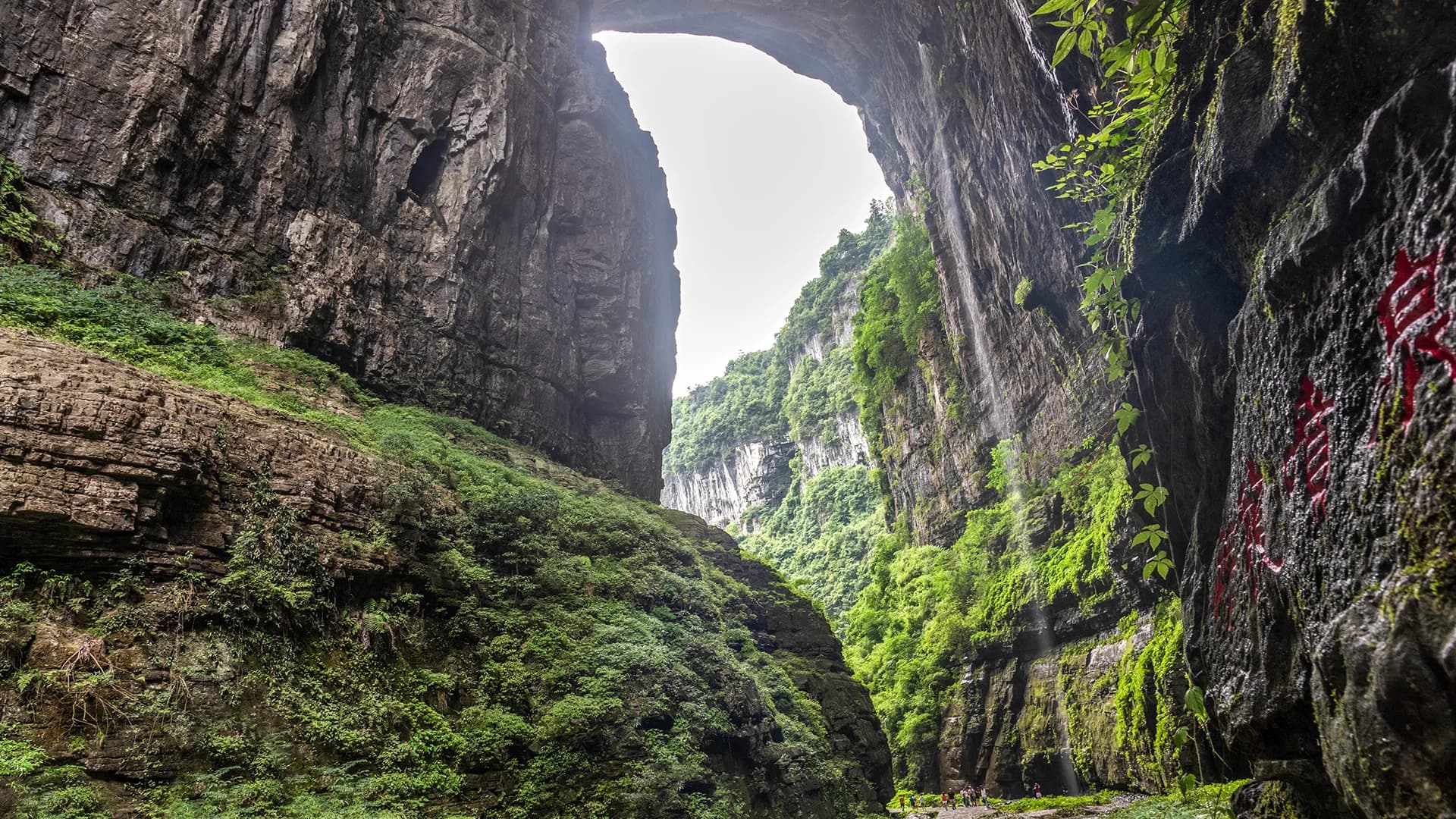
The Three Natural Bridges of Wulong County, Chongqing, are a magnificent geological wonder. This UNESCO World Heritage Site consists of three massive limestone karst bridges—Tianlong Bridge, Qinglong Bridge, and Heilong Bridge—formed by the erosion of the Yangshui River. It has served as a filming location for famous movies such as *Transformers: Age of Extinction*. It is a must-visit destination for nature lovers and photographers exploring China's unique landscapes.
Chongqing·natural
Furong Cave
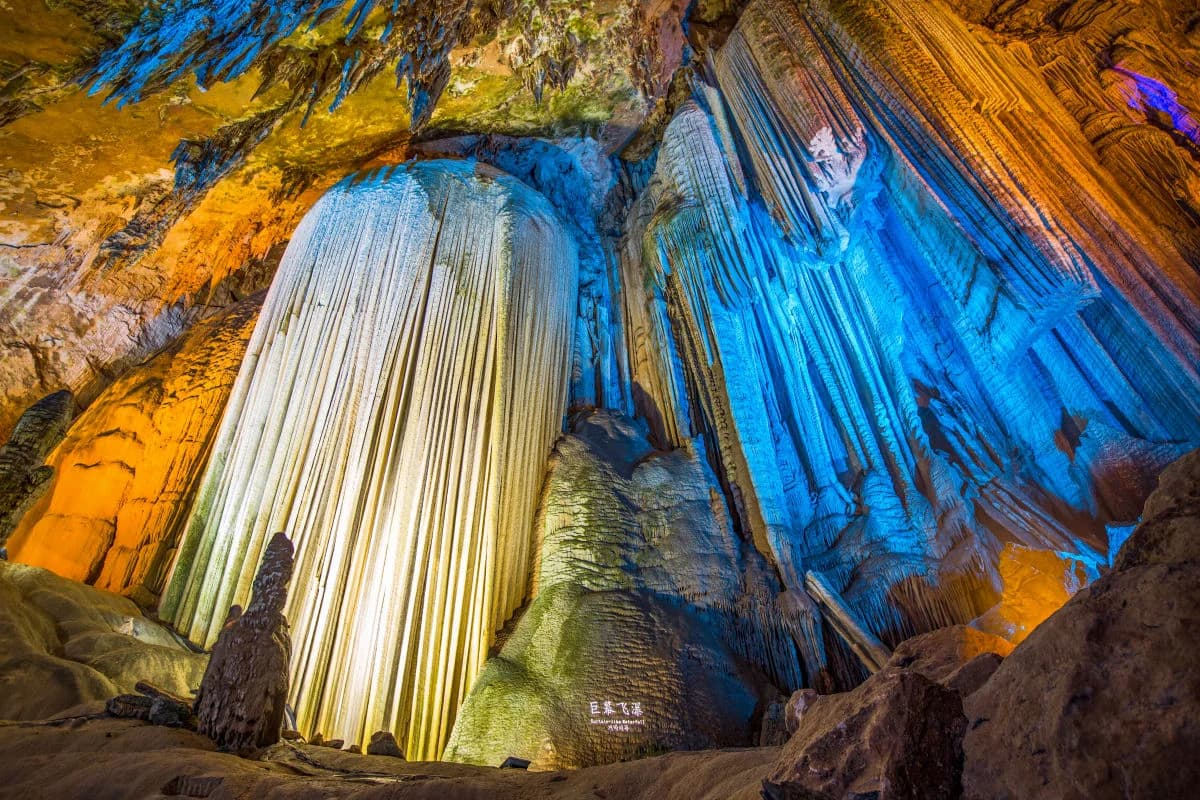
Furong Cave is a famous karst landscape in Chongqing, renowned for its vast caverns, dazzling stalactites, and iconic geological features of Wulong District. Located in Wulong District, Furong Cave is part of the South China Karst Landform Area recognized by UNESCO. The dense stalactites, curtains, and calcite deposits inside the cave attract numerous tourists.
Chongqing·natural
Fairy Mountain Forest Park
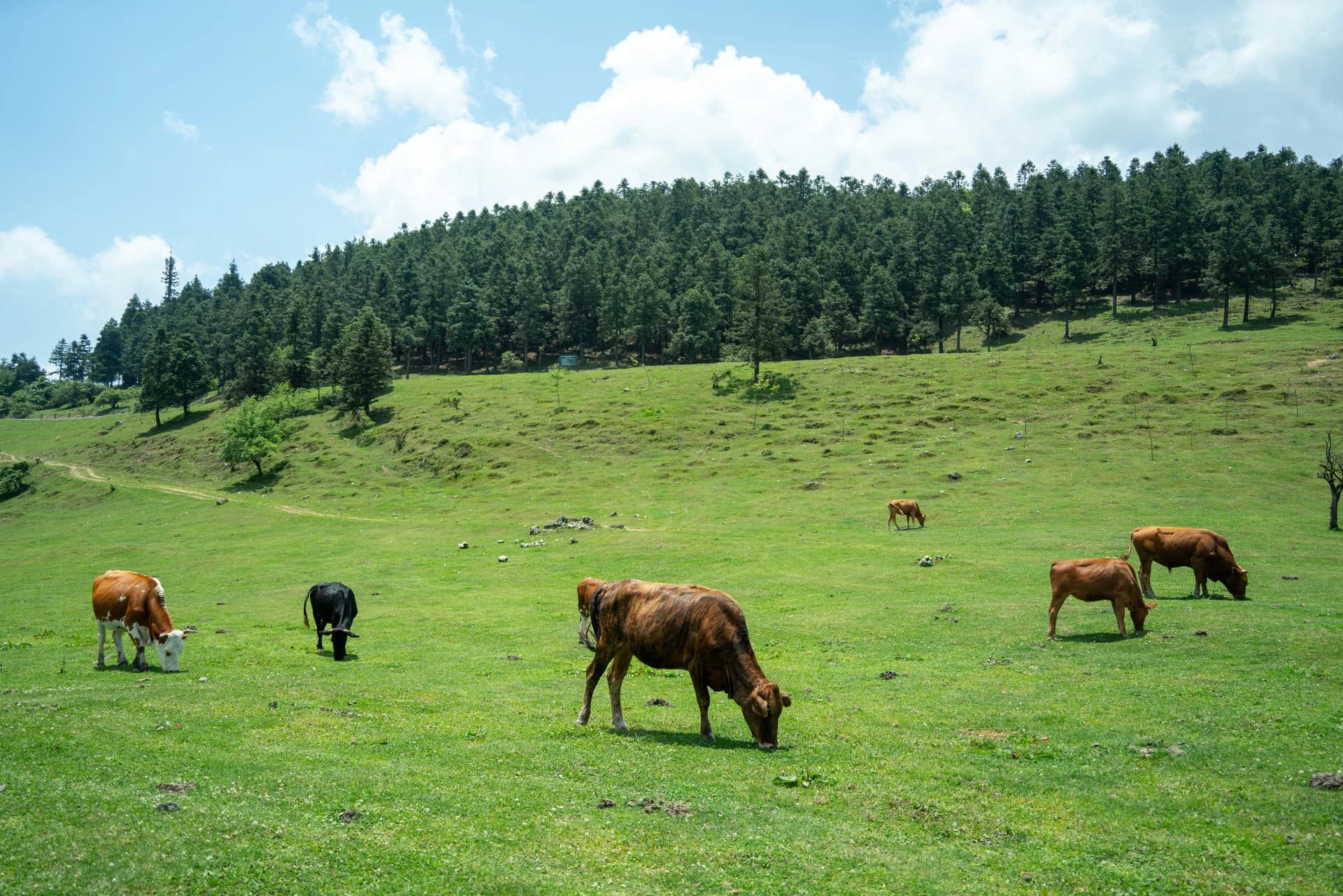
Fairy Mountain Forest Park is a famous natural scenic spot in Chongqing, known for its high-altitude grasslands, cool summer climate, and magnificent Wulong karst landforms. Located in Wulong District, at an altitude of about 1,900 meters, the park is often praised by domestic tourists as the "Oriental Switzerland" due to its meadows, forests, and cloud-shrouded ridges.