Overview
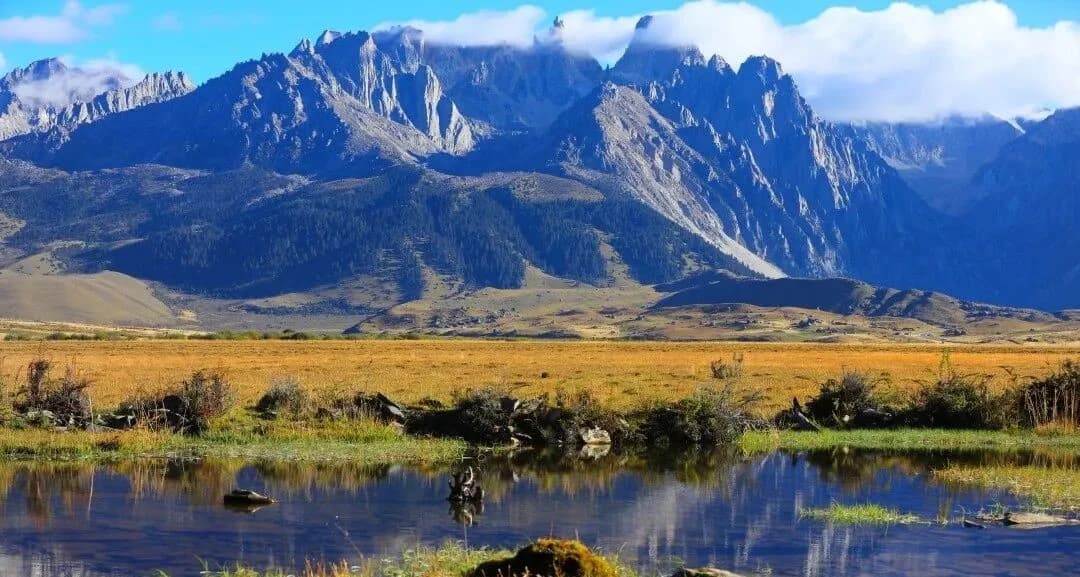
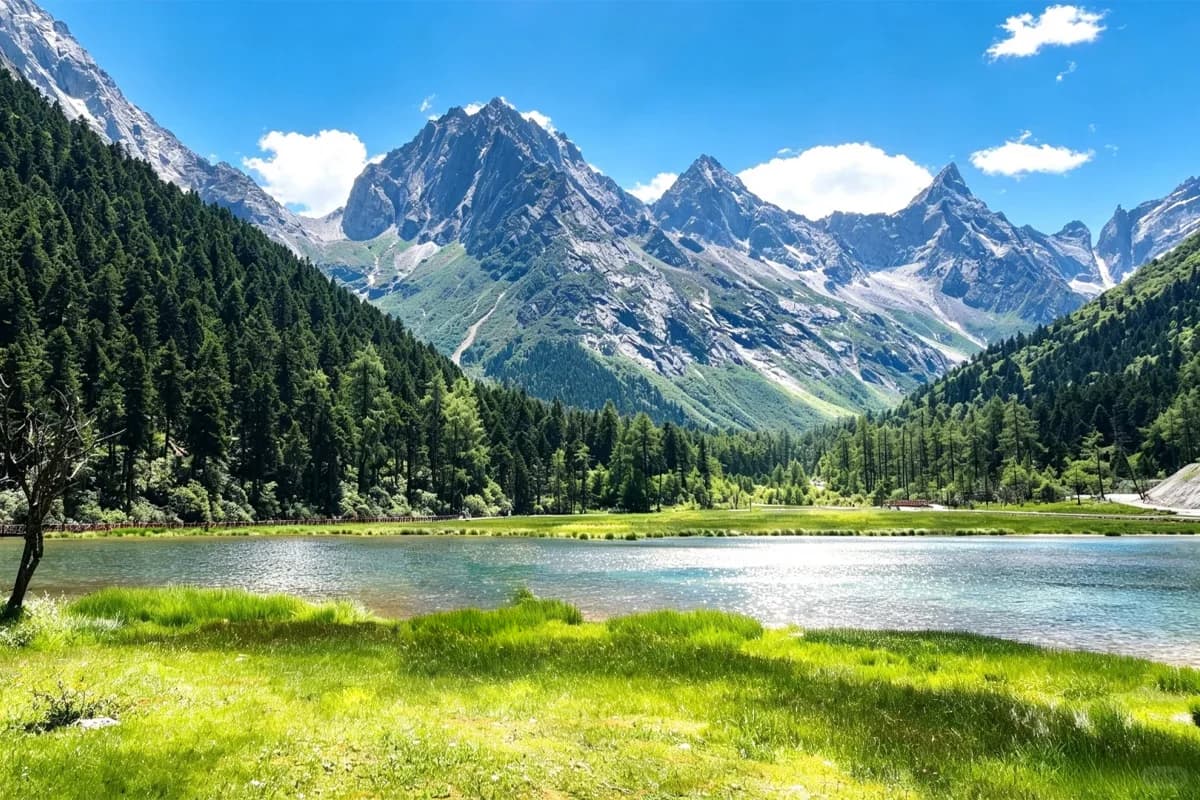
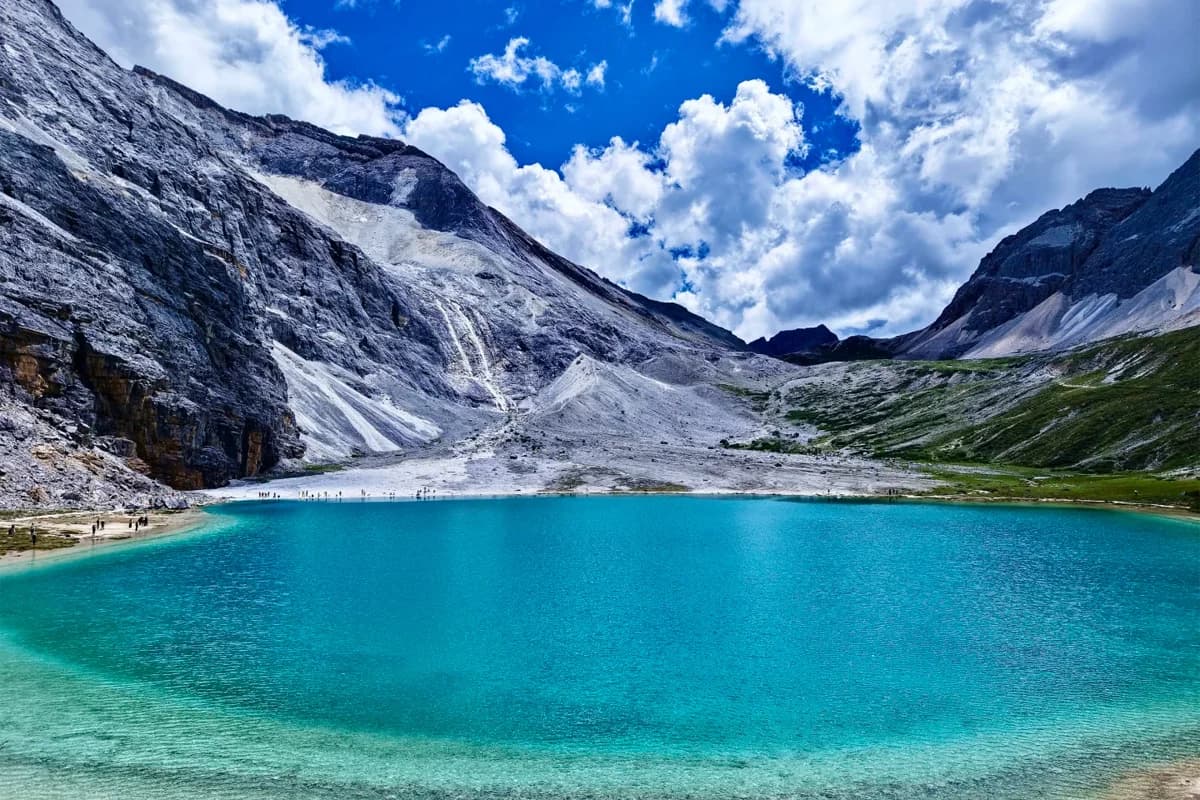
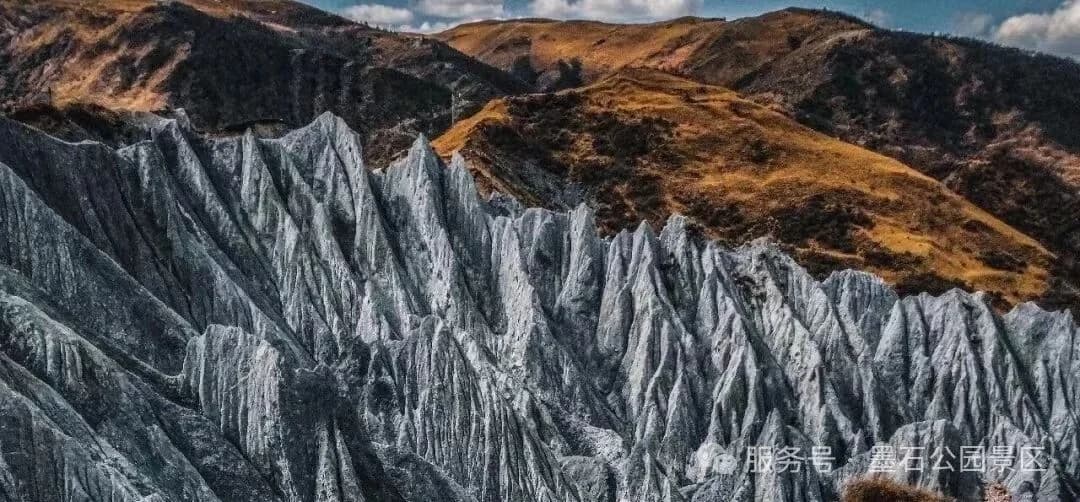
Moshishi Park, located in Bamei Town, Daofu County, Ganzi Prefecture, Sichuan Province, at an altitude of approximately 3,500 meters, is China's only plateau mylonite rock forest landscape, hailed as "the eighth most beautiful scenic road in China" and "an alien planet."
A visit of 2 to 3 hours is recommended. The best time to visit is from May to October each year, when the weather is pleasant, and the grasslands and seas of flowers create a picturesque scene. The best time for photography is between 9:00 and 11:00 AM on sunny days or in the evening.
How to Get There
Driving is the most flexible option. Starting from Chengdu, take National Highway G318 through Kangding and over Zheduo Mountain, or via Provincial Highway S434. The entire journey is approximately 400 kilometers and takes about 7 hours, ultimately arriving at the scenic area located 6 kilometers from Bamei Town. For public transportation, take a bus from Chengdu Xinnanmen Bus Station to Kangding, then transfer to a bus bound for Daofu or Bamei Town, getting off at the entrance of Moshishi Park.
The scenic area's tour route is very simple. It is recommended to take the sightseeing bus (20 yuan) from the main entrance to the highest point, then hike down the well-maintained wooden boardwalk, passing viewpoints such as Jiangshan Pavilion and Alien Planet, and finally take the sightseeing bus back from the back entrance. This route avoids backtracking.
What to Expect
The scenic area boasts well-developed facilities. The core area features flat wooden boardwalks and stone paths for easy walking, but some sections have steps, and due to the high altitude (approximately 3500 meters), visitors should be mindful of their pace. Rest pavilions are located along the main viewpoints, and a visitor center and parking lot are situated at the entrance. It's worth noting that while there is a geological museum and a few small shops within the scenic area, it's advisable to bring your own drinking water and snacks. Restrooms are primarily located at the entrance; some visitors have reported that the hygiene of some restrooms is less than ideal, so be prepared.
Practical Tips
- Go early, ideally before 09:00, for cooler weather, softer light, and fewer local exercise groups on the main lakeside paths.
- Bring Alipay or WeChat Pay — as of 2026, the ¥20 adult ticket and most snack stalls inside the park are easiest to pay for digitally.
- Use Gaode Maps or Baidu Maps to navigate the correct gate, since English map pins for Inkstone Park can vary and taxi drop-off points are not always the same as the ticket entrance.
- Strong winds and huge temperature differences! A light down jacket and hat are essential, and wear non-slip shoes! It's easy to sprain your ankle on rough roads.