Overview
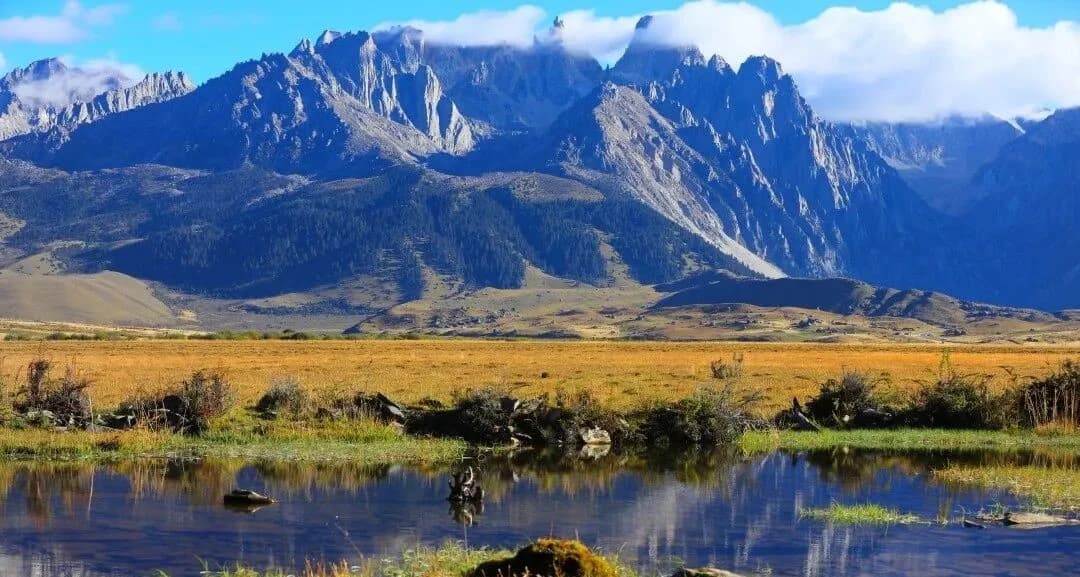
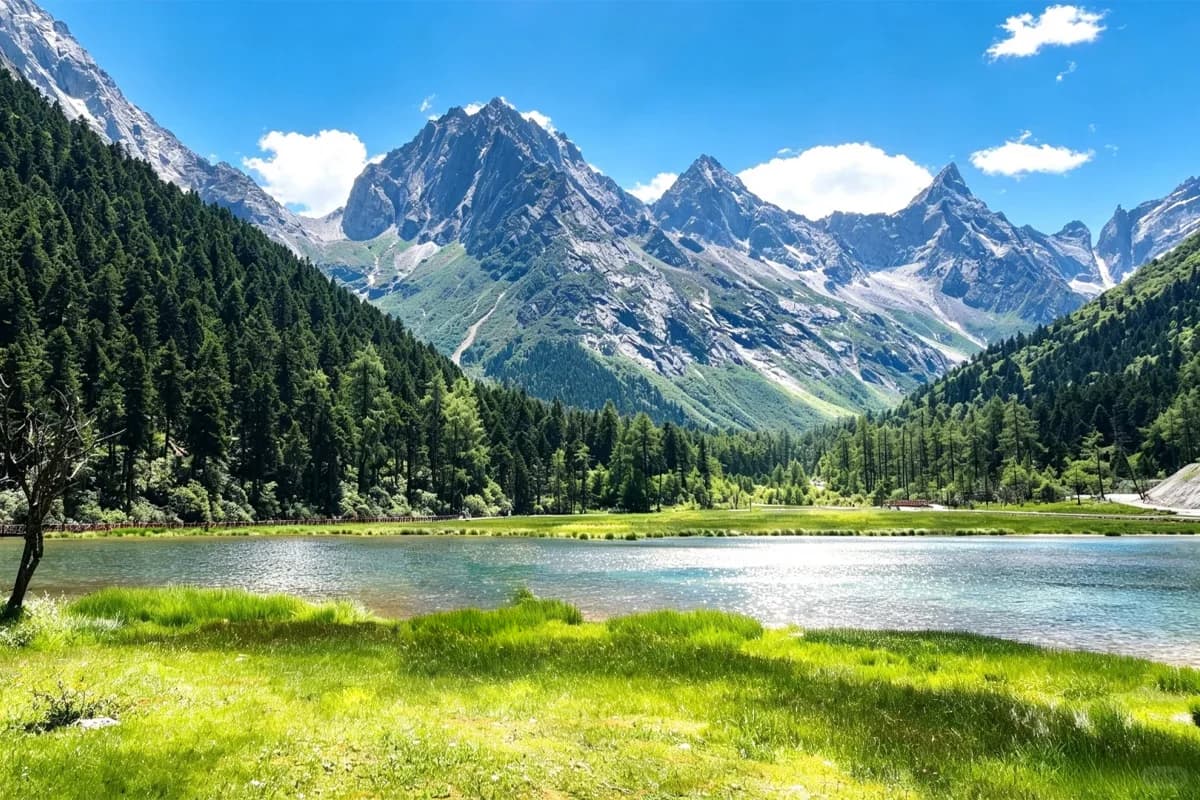
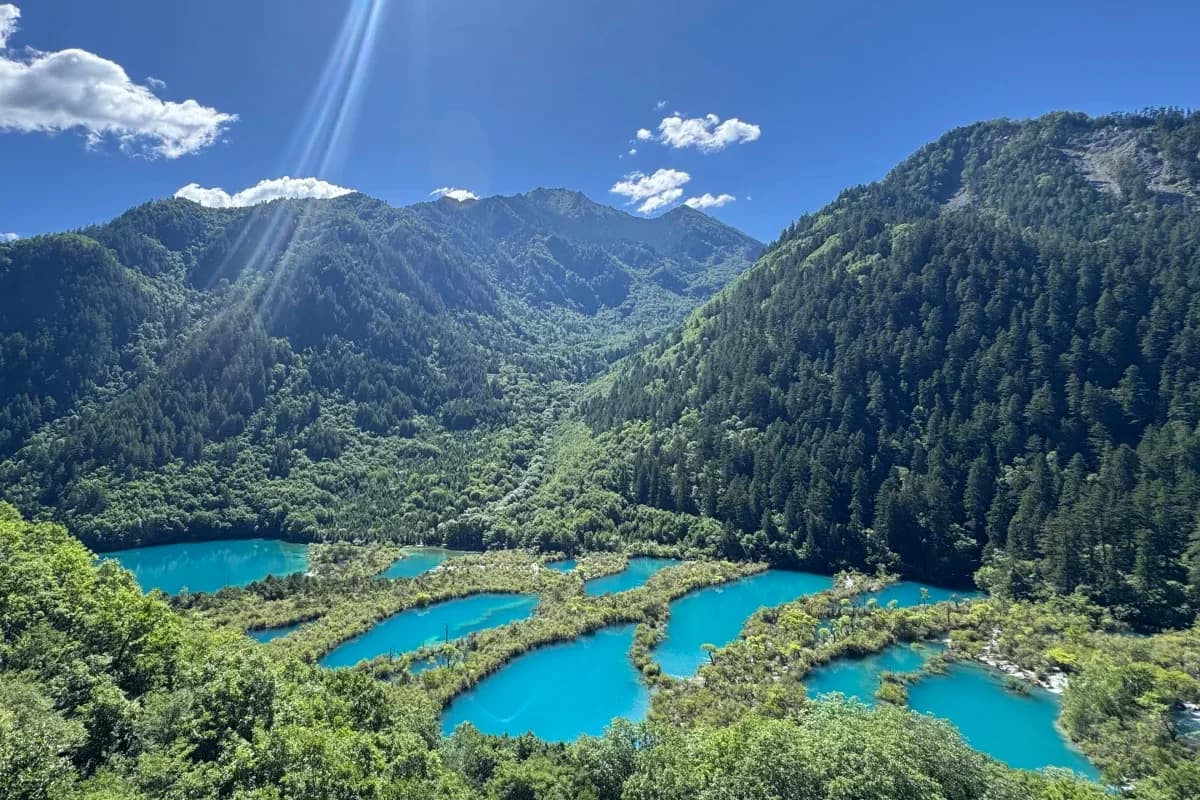
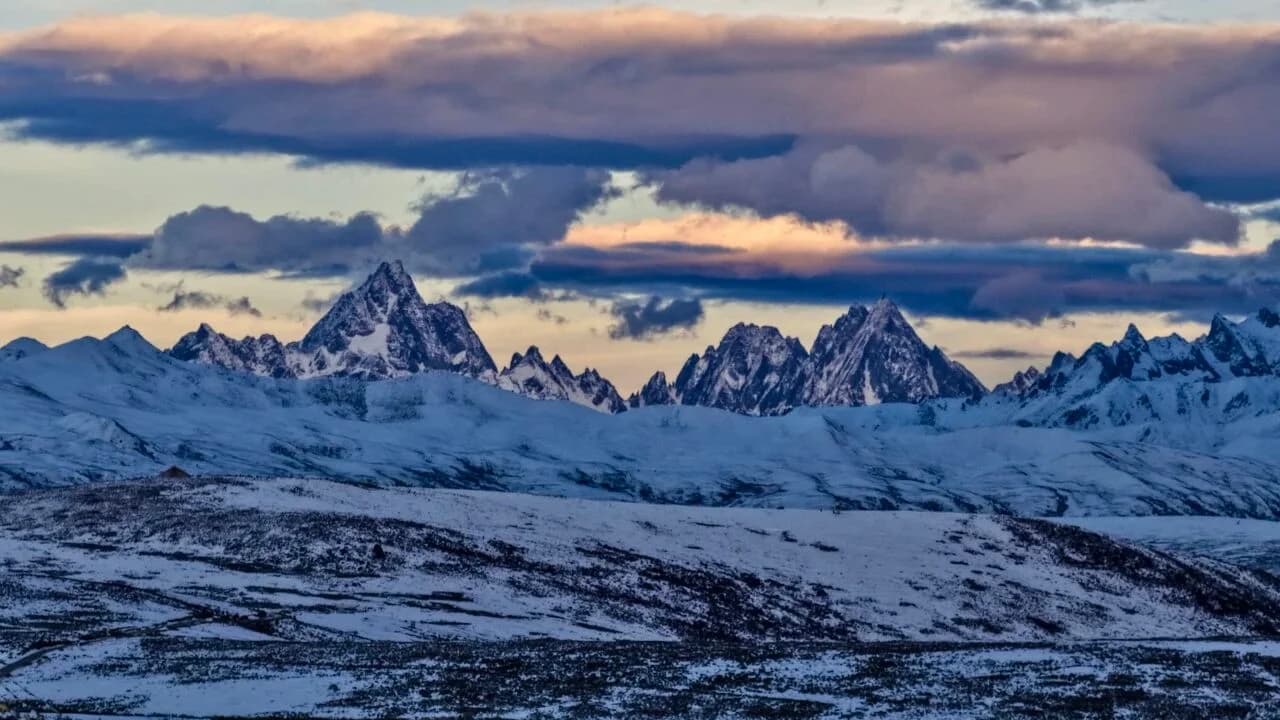
Mount Siguniang, located in Aba Prefecture, Sichuan Province, is composed of four continuous snow-capped mountains and is known as the "Oriental Alps." The scenic area mainly consists of three valleys: Shuangqiao Valley, Changping Valley, and Haizi Valley. For a comprehensive experience, it is recommended to allocate at least three days (one day for each valley).
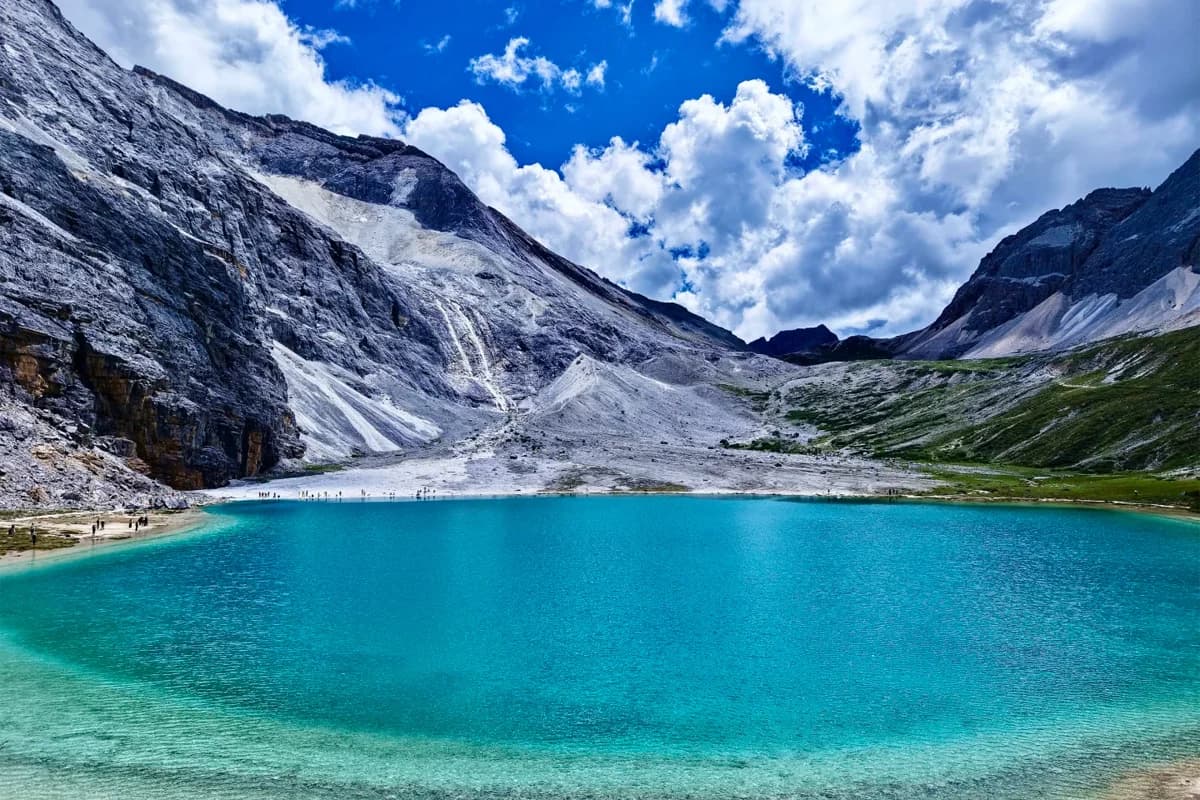
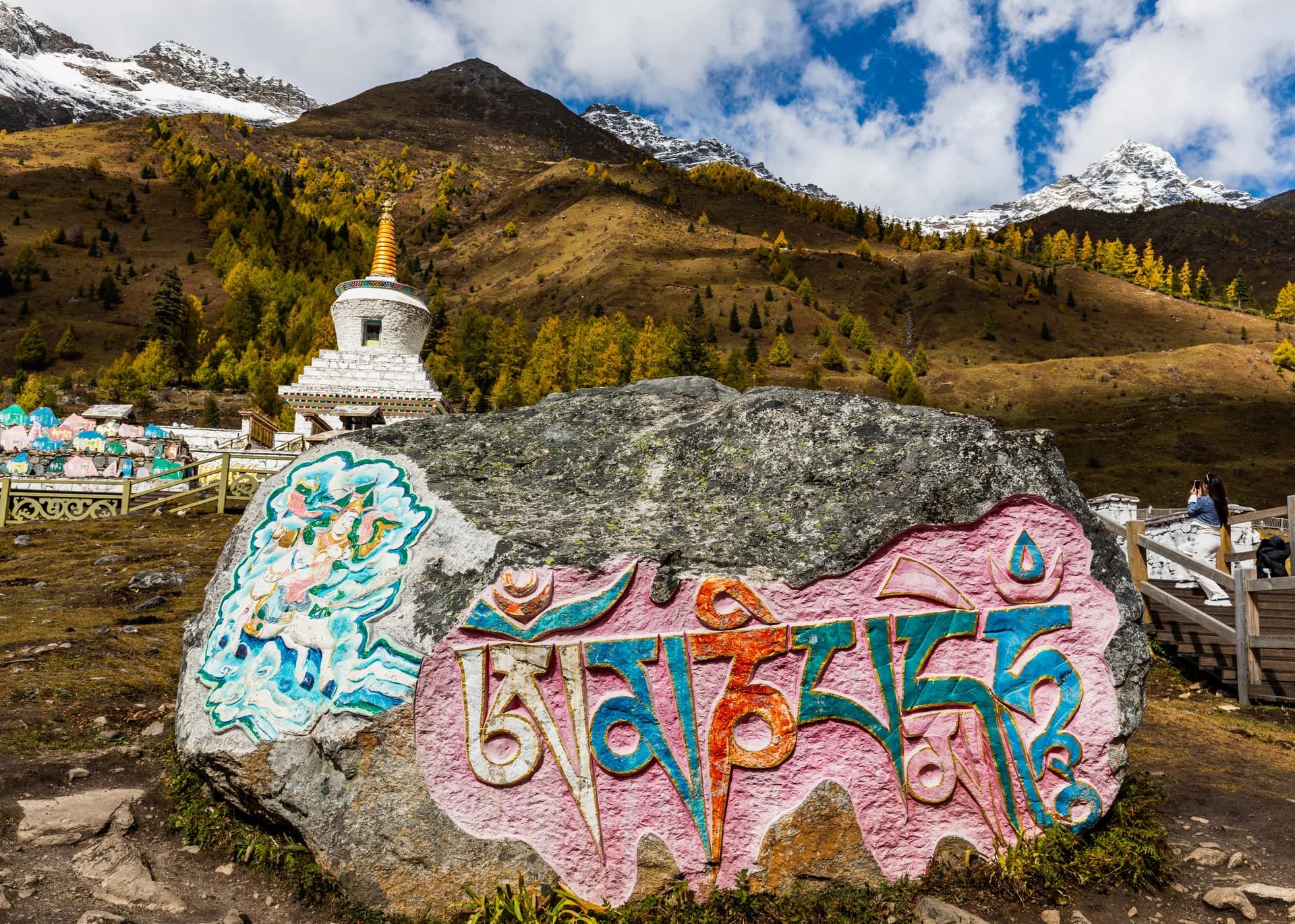
The best time to visit is summer (June-August) for flower viewing and escaping the heat, or autumn (September-October) for viewing the colorful forests against the backdrop of snow-capped mountains. There are various ways to enjoy the area: in Shuangqiao Valley, you can easily explore by sightseeing bus; in Changping Valley, it's suitable for hiking or horseback riding through the primeval forest; and in Haizi Valley, you can challenge yourself with high-altitude hiking and get up close to the snow-capped mountains—a paradise for outdoor enthusiasts.
How to Get There
There is no airport or train station at Mount Siguniang. The usual route is to first arrive in Chengdu, then take a bus from Chadianzi Bus Station to Xiaojin County, getting off at Siguniangshan Town (formerly Rilong Town). The journey takes about 4 hours and costs approximately 95-120 yuan. Alternatively, you can drive along the route "Chengdu—Yingxiu—Wolong—Balang Mountain—Mount Siguniang," which is about 175 kilometers and takes 3-4 hours.
Suggested itinerary: On the first day, after arrival, visit Shuangqiao Valley (the easiest route, accessible by sightseeing bus, about 4-5 hours); on the second day, head to Changping Valley (hiking or horseback riding, offering panoramic views of Yaomei Peak, about 1 day); on the third day, depending on your physical condition, choose Haizi Valley (pure hiking or horseback riding, viewing alpine meadows and lakes, suitable for challenging climbs of Dafeng and Erfeng).
What to Expect
The scenic area has relatively complete facilities. Shuangqiaogou has sightseeing buses throughout, and the trails are gentle, making it ideal for leisurely visitors. Changpinggou has a wooden boardwalk at the beginning, followed by a dirt road and horse trail, offering pristine scenery along the way. Restrooms are available along all three valleys, but there are few restaurants within the scenic areas, so it is recommended to bring your own food and water. There are several gift shops, restaurants, and accommodations at the valley entrances and in the town. Due to the high altitude (above 3000 meters), please walk slowly and be aware of altitude sickness.
Practical Tips
- Altitude in the area is over 3,000 meters, so arrive the night before if you can, drink water, avoid heavy drinking, and keep a basic altitude-sickness medicine kit with you.
- Large temperature difference between day and night! Even in summer, you'll need a windproof jacket and a light down jacket, and a sun hat and sunglasses are a must!
- Choose accommodation in Siguniangshan Town (there are many restaurants), and book your room one month in advance during peak season!