Overview
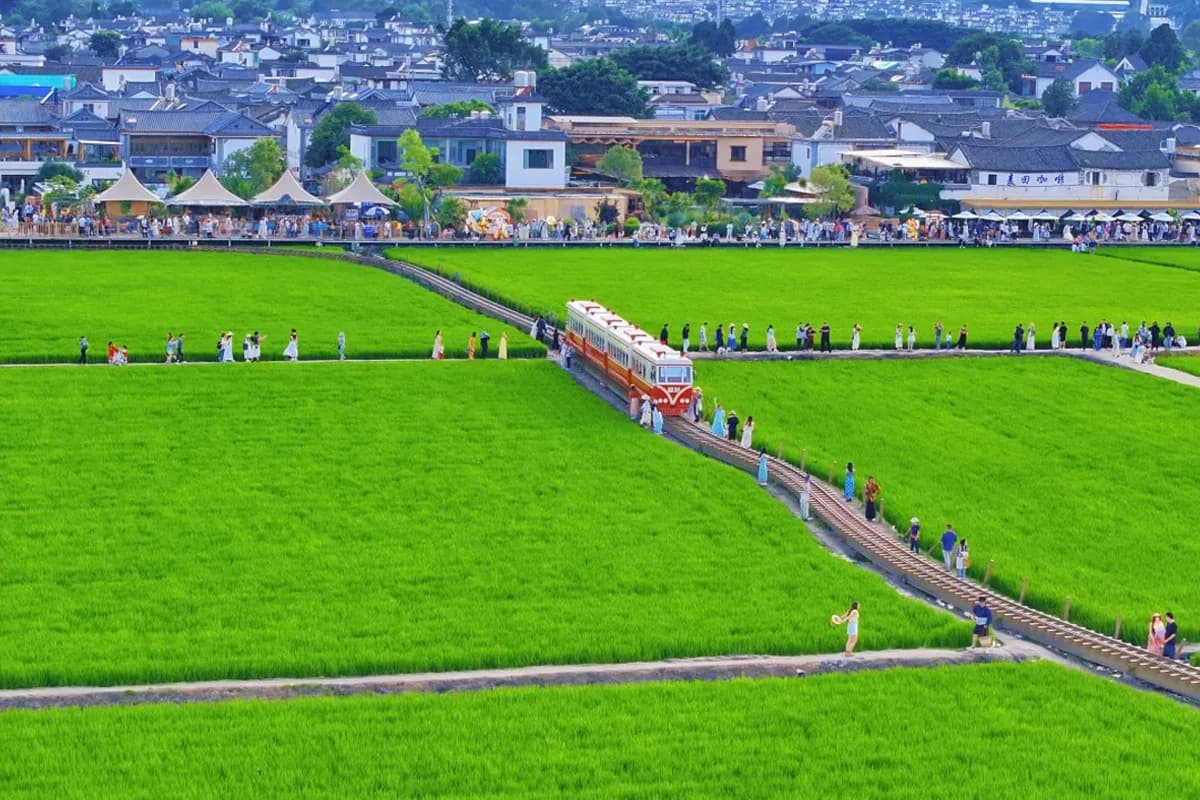
Jianchuan Ancient City, located in northern Dali Prefecture, Yunnan Province, between Dali and Lijiang, is a Bai ethnic minority ancient city with over 600 years of history, hailed as a "living fossil of northwestern Yunnan." The ancient city has remained largely untouched by commercialization, and a large number of original inhabitants still live there, creating a vibrant and authentic atmosphere.
The city preserves 21 Ming Dynasty courtyards and 146 Qing Dynasty residences. The Ximen Street ancient building complex is a national key cultural relics protection unit. The characteristic Bai ethnic residential styles of "three courtyards and one screen wall" and "four courtyards and five patios" are ubiquitous. Jianchuan is also a renowned "Hometown of Chinese Woodcarving," with its woodcarving techniques listed as a national intangible cultural heritage.
Suggested visit time: 2-4 hours; best time to visit: spring and autumn (March-May and September-November), when the climate is mild and pleasant.
How to Get There
How to get there: Jianchuan Ancient Town is located between Dali and Lijiang. You can first fly to Dali or Lijiang Airport and then transfer to ground transportation.
From Dali: There are buses from Dali North Bus Station to Jianchuan, the journey takes about 2-2.5 hours, and the fare is about 25-42 yuan; you can also purchase tickets through the "Caiyuntong" or "Dajiao Chuxing" mini-programs. Driving via the Dali-Lijiang Expressway takes about 1.5-2 hours and covers about 115-150 kilometers.
From Lijiang: There are direct buses from Lijiang Bus Station to Jianchuan, the journey takes about 1.5-2 hours, and the fare is about 25-30 yuan; driving takes about 1 hour and 20 minutes and covers about 66 kilometers.
After arriving at Jianchuan Bus Station, it's about a 10-minute taxi ride to the ancient town (about 8 yuan). Motor vehicles are prohibited within the ancient town; walking is the best way to get there.
The itinerary mainly involves strolling through the ancient city's streets and alleys, visiting the museum complex (including more than 20 themed sub-museums), admiring ancient architecture and wood carvings, exploring Bai ethnic minority courtyards, and tasting local snacks.
What to Expect
Jianchuan Ancient Town is primarily characterized by its cobblestone pedestrian walkways, which are flat, clean, and ideal for walking throughout. A parking lot is located at the South Gate, and a visitor center at the town entrance offers maps and tourist information. The town is largely uncommercialized, with almost no large gift shops or souvenir stores; however, some intangible cultural heritage workshops offer hands-on experiences such as wood carving and woodblock printing. For dining, there are a few local snack shops and cafes.
Practical Tips
- Jianchuan is a Bai ethnic minority area. Please respect the customs and lifestyles of the ethnic minorities when visiting.
- Jianchuan is at an altitude of about 2200 meters, with strong ultraviolet radiation. Sunscreen (SPF50+) and sunglasses are necessary.
- Network signal may be unstable within and around the ancient city; it is recommended to download offline maps in advance. Local residents mainly speak Mandarin and Southwestern Mandarin; English proficiency is low, so bring a translation app for communication.