naturalDali
Erhai Lake
Discover Erhai Lake with our travel guide to scenic views, cycling routes, nearby villages, and practical tips for planning an unforgettable Dali visit.
Opening Hours
Open all day
Ticket Price
Free
Location
No. 1 Erhe South Road, Xiaguan, Dali City, Dali Prefecture
Overview
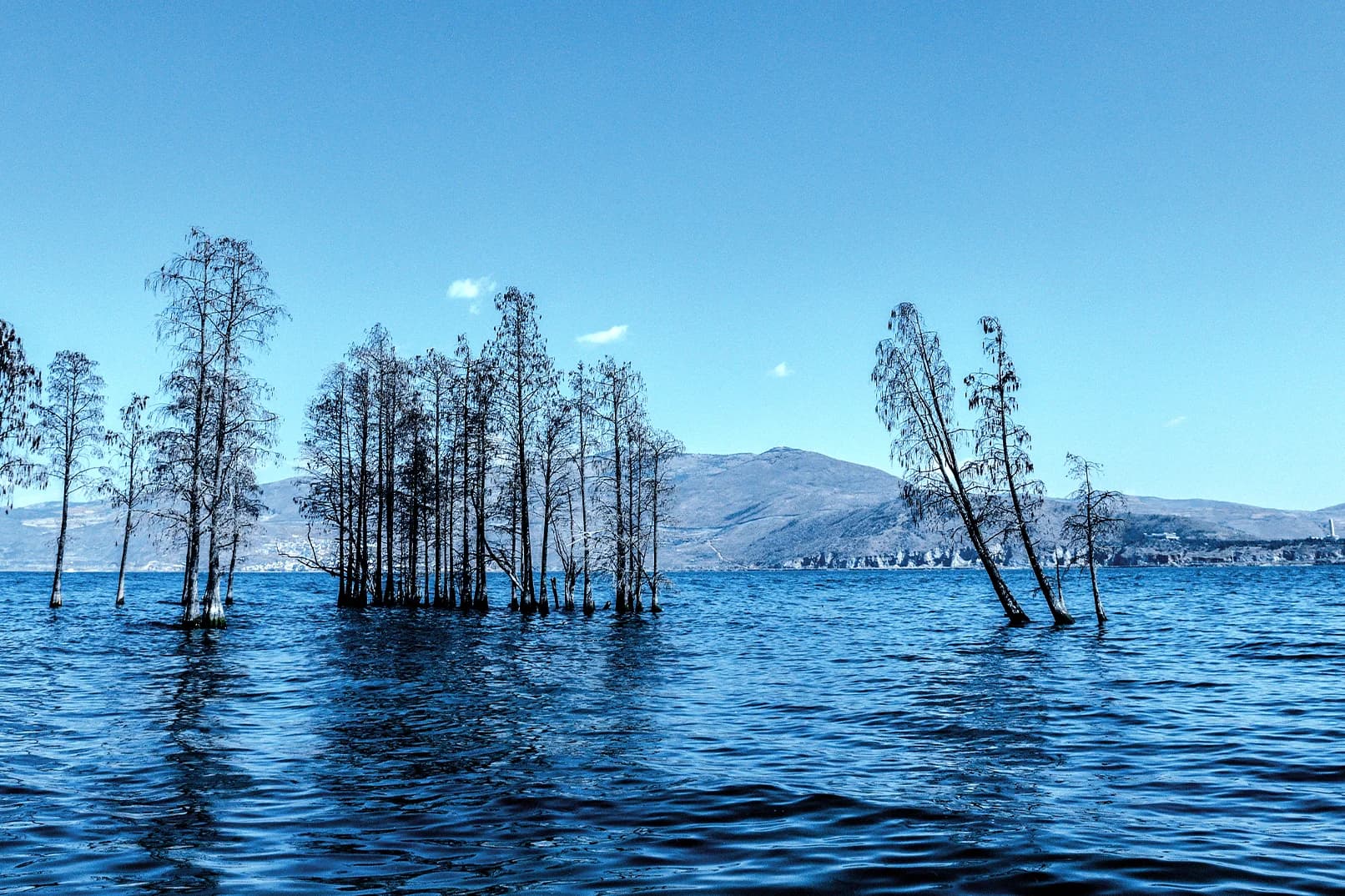
Erhai Lake is the second-largest freshwater plateau lake in Yunnan; it sits at an elevation of approximately 1,972 meters and has a circumference of about 130 kilometers. Admission to the lake is free, and it is open to visitors 24 hours a day. The best times to visit are spring (March–May) and autumn (September–November), when the weather is mild and the scenery—featuring both the lake and surrounding mountains—is at its finest. In winter (November through the following March), visitors can encounter red-billed gulls at locations such as Longkan Pier and Xiaoputuo; summers are cool and pleasant, though occasional showers may occur. It is recommended to set aside one to two days for your visit.
How to Get There
Getting to Erhai Lake: You can fly to Dali Fengyi Airport and then take an airport shuttle or a taxi to Erhai Lake (approx. 30 minutes); alternatively, take a high-speed train to Dali Railway Station and then a taxi or bus to the lake (approx. 20 minutes). Transportation around the lake: Cycling/E-scooters (Highly recommended): Renting an e-scooter in Dali Ancient City costs about 50–80 RMB/day; it is recommended to choose a model with a range of over 200 km. Motor vehicles are prohibited on the Haixi Ecological Corridor (approx. 46 km); only bicycles or scenic area e-shuttles are allowed. Sightseeing Bus: Search for "You Dali" (游大理) on WeChat to purchase a 3-day pass (approx. 98–118 RMB). It covers 14 stops—including Dali Ancient City, Shuanglang, and Ideal-Bang—and allows for hop-on, hop-off travel. Self-driving/Chartered Car: Car rental costs about 300 RMB/day, while a chartered car costs 500–600 RMB/day. The lakeside road on the eastern side (Haidong) offers expansive views and is ideal for self-driving. Cruise Boat: Routes run from Dali Port to Longkan and Shuanglang; the fare is approximately 140 RMB, and the journey takes 1.5 hours. The classic way to explore is to circle the lake in a clockwise direction: the western section features an ecological cycling corridor passing by Longkan Pier, the Panxi S-curve, and Xizhou Ancient Town, while the eastern section is best suited for a self-drive or chartered car trip to enjoy scenery such as Shuanglang Ancient Town and Xiao Putuo. Watching the sunrise at Longkan Pier in the morning and the sunset at Shuanglang in the evening are experiences not to be missed.
What to Expect
The Erhai Lake West Shore Ecological Corridor spans approximately 46 kilometers and features dedicated paths for walking and cycling; the route is flat and entirely free of steps, making it suitable for walking, running, and biking. Rest areas, restrooms, and service stations are located at intervals ranging from 300 meters to 5–8 kilometers along the route. Numerous guesthouses, restaurants, and cafés are situated nearby, while key attractions such as Longkan Pier and Xizhou Ancient Town offer gift shops and stores selling distinctive handicrafts. Major sightseeing spots, including the ecological corridor itself and Longkan Pier, are open to the public free of charge. Overall, the facilities are well-developed and meet basic visitor needs.
Practical Tips
- 1The temperature difference between day and night in Dali can exceed 10°C. Even when traveling in summer, it is advisable to carry a light jacket or windbreaker.
- 2Erhai Lake sits at an elevation of approximately 1,972 meters, and UV radiation is extremely strong. Regardless of the weather, be sure to bring SPF 50+ sunscreen, sunglasses, and a wide-brimmed hat.
- 3Strict ecological protection measures are in place for Erhai Lake; swimming and littering are prohibited.
Share This Attraction
Found this helpful? Share it with fellow travelers!


Explore Dali
Discover more attractions, food, and travel tips for Dali.
View destination
More Attractions to Explore

Dali·historical
Xizhou Ancient City
Xizhou Ancient City is a charming heritage town near Dali, celebrated for its well-preserved Bai architecture, traditional courtyards, and relaxed local atmosphere. Strolling through its old streets, visitors can discover historic residences, lively markets, regional cuisine, and a deeper look into Bai culture and everyday life in western Yunnan.
Dali·modern
Ideal State
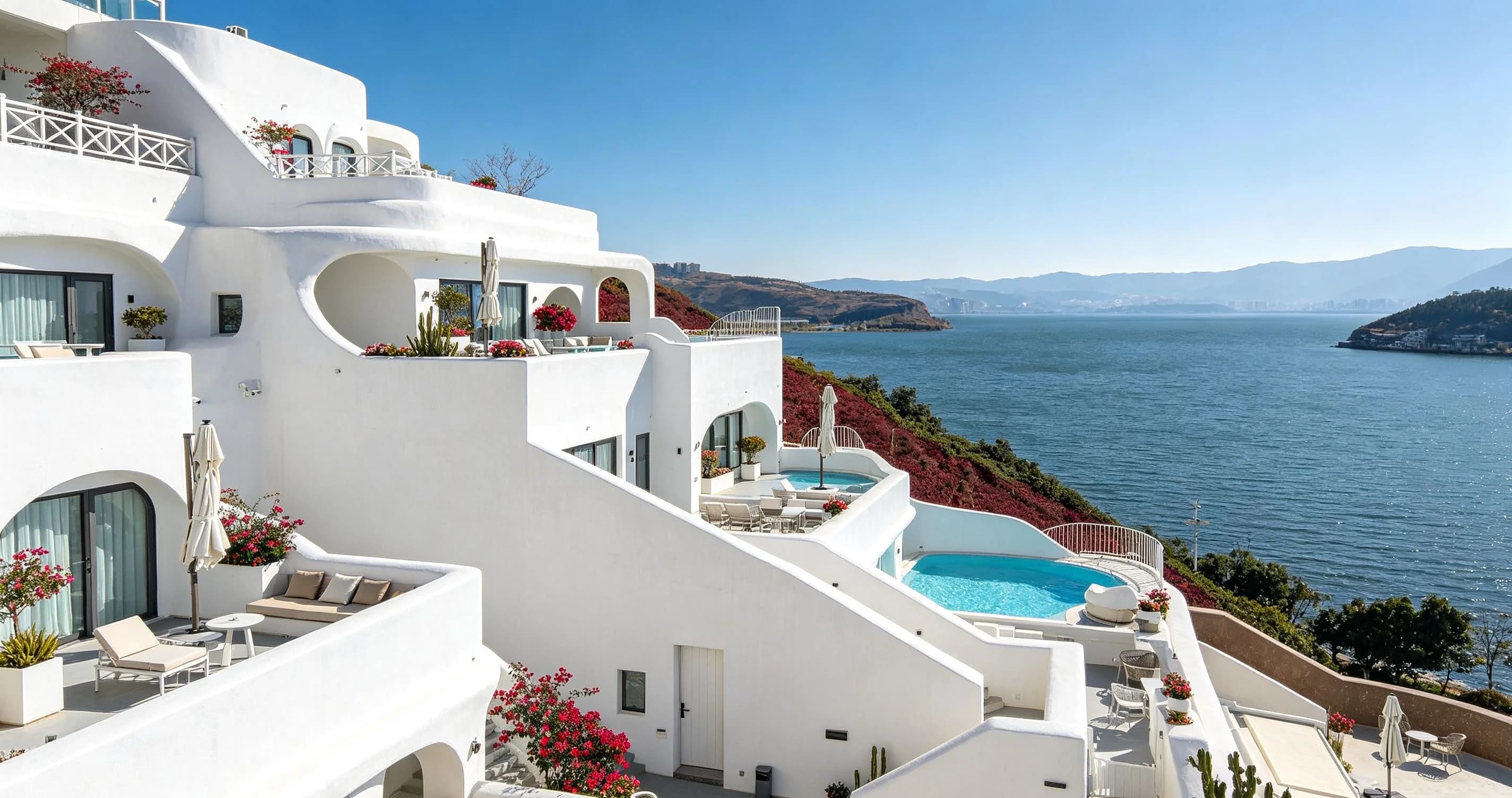
Ideal Land is a creative resort town that blends Mediterranean Santorini-style blue and white architecture with the scenery of Cangshan Mountain and Erhai Lake.

Dali·historical
Three Pagodas of Chongsheng Temple
Dali's most iconic landmark, these three Buddhist pagodas date back to the 9th century Tang Dynasty. The central pagoda stands 69.6 meters tall with 16 tiers, flanked by two smaller 10-tier pagodas. Built by the Nanzhao Kingdom, they survived multiple earthquakes that destroyed the original temple. The reflection in the pool at their base creates a famous photo opportunity.