Overview
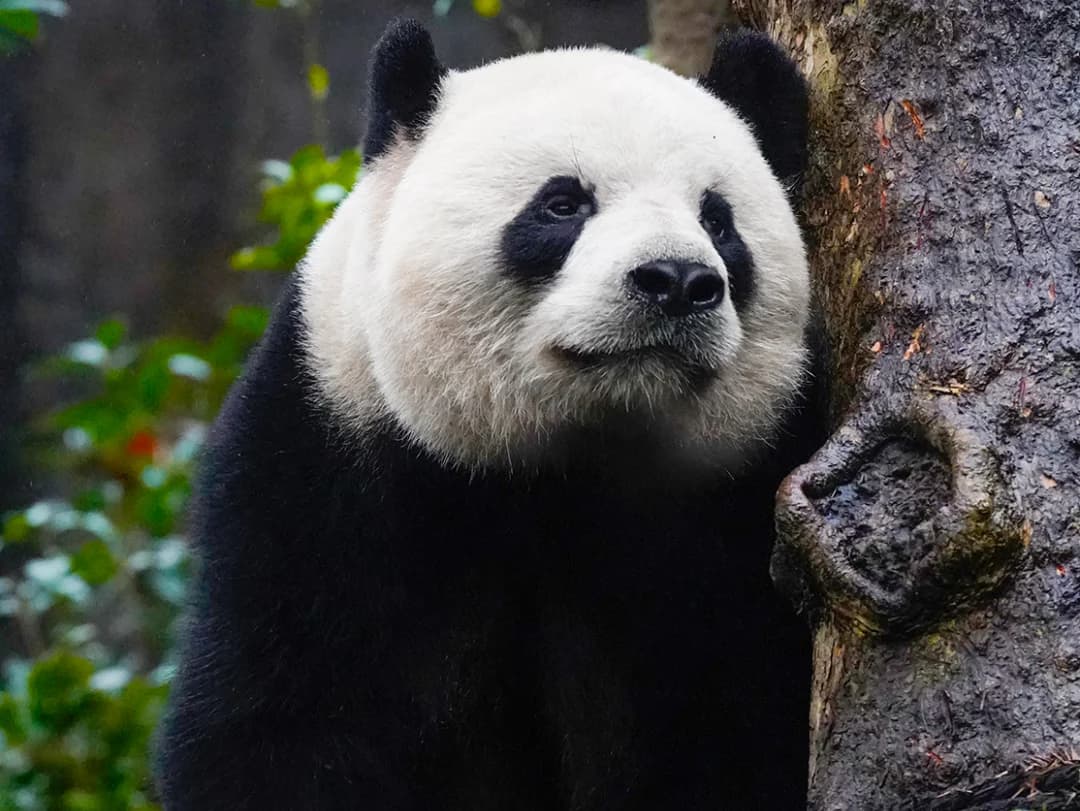
Dujiangyan Panda Valley is a panda habitat located in a secluded valley in Yutang Town, Dujiangyan City. Compared to the Chengdu Panda Base, the environment here is closer to nature, and there are relatively fewer tourists.
It is recommended to visit between 9:00 AM and 11:00 AM, as this is the pandas' feeding time and they are most active. During your visit, it is suggested to first visit the giant panda villa area to see the pandas eating, and then walk along the wooden boardwalk to the red panda enclosure. If you are lucky, you may see red pandas strolling along the path. A leisurely tour of the entire park takes about 2-3 hours.
How to Get There
From Chengdu, the most convenient way is to take Metro Line 2 to the final stop, "Xipu," and then transfer to an intercity train (C-series) to "Lidui Park Station" (approximately 20-30 minutes, fare around 10 yuan). From there, a taxi to Panda Valley takes about 15 minutes (fare around 20-30 yuan). Alternatively, you can take Dujiangyan Bus Route 14 from Lidui Park Station or Dujiangyan Station (Panda Valley is the final stop, fare 2 yuan, operating hours 7:10-19:00, bilingual announcements available). If driving, navigate to "Panda Valley," take the Chengdu-Guanxian Expressway to the Dujiangyan exit, parking costs approximately 10 yuan per day.
The entire park follows a one-way loop; walking along the main road will allow you to see all the exhibits without getting lost.
What to Expect
The Panda Valley Park is designed as an ecological walking trail, mainly consisting of gently sloping asphalt roads, stone steps, and wooden boardwalks. Walking the entire trail takes approximately 1-2 hours; comfortable walking shoes are recommended. There are many steps within the park, and some areas may be slippery after rain, so please exercise caution while walking. The park has comprehensive facilities, including a gift shop and restrooms at the entrance, as well as restrooms and benches for visitors to rest along the paths inside the park. Please note that feeding the animals and using flash photography are prohibited. Please remain quiet during your visit to avoid disturbing the pandas.
Practical Tips
- Arrive before 10:00 to see pandas when they are most active; by midday many rest in the shade or indoors.
- Use Gaode Maps or Baidu Maps in China and search for “都江堰熊猫谷” — from central Dujiangyan, a taxi usually costs about ¥20-35 one way.
- Keep quiet and avoid making loud noises or feeding the animals to prevent startling the pandas.
- A perfect one-day trip: Panda Valley in the morning, followed by Qingcheng Mountain in the afternoon!