Overview
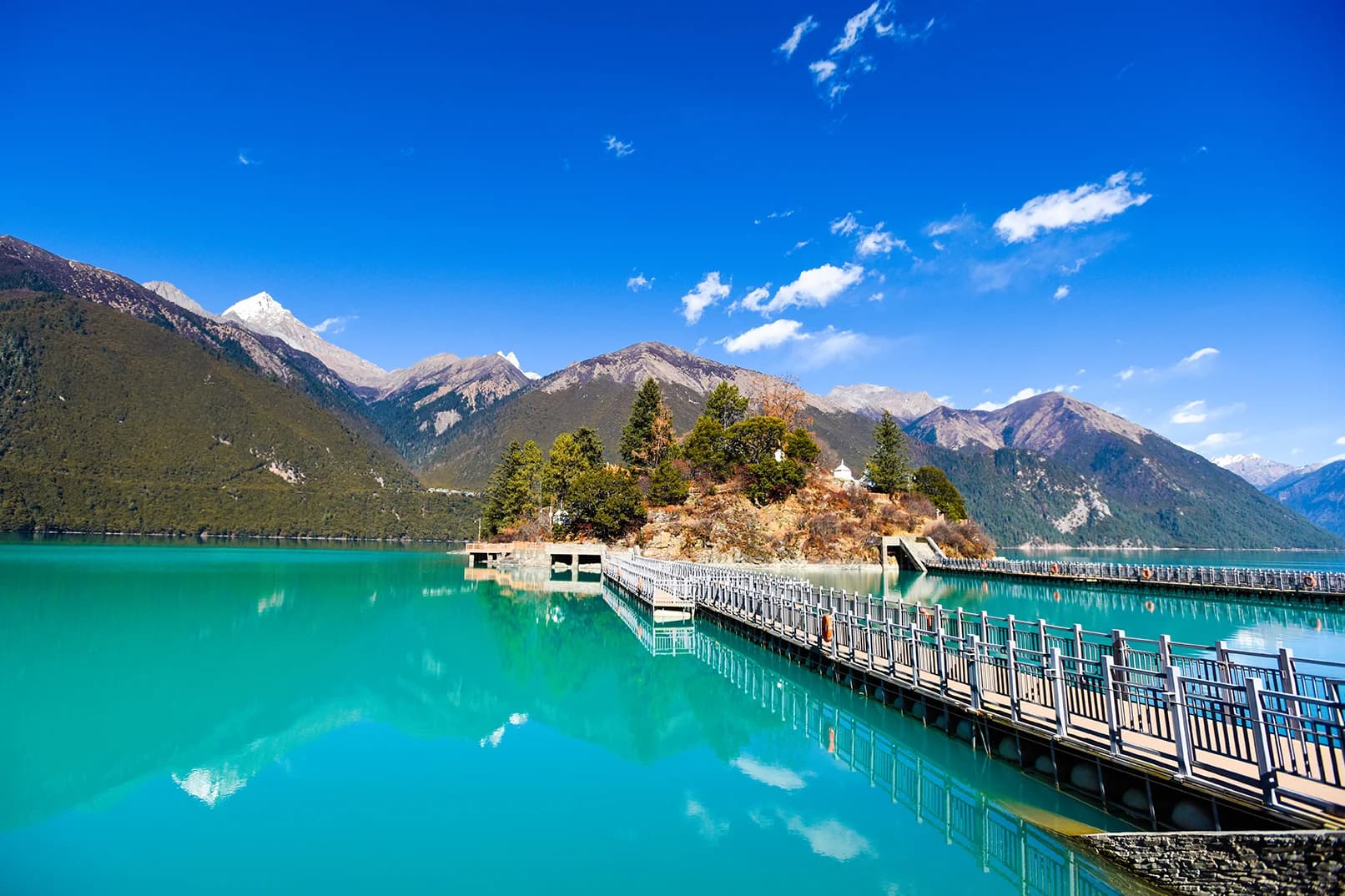
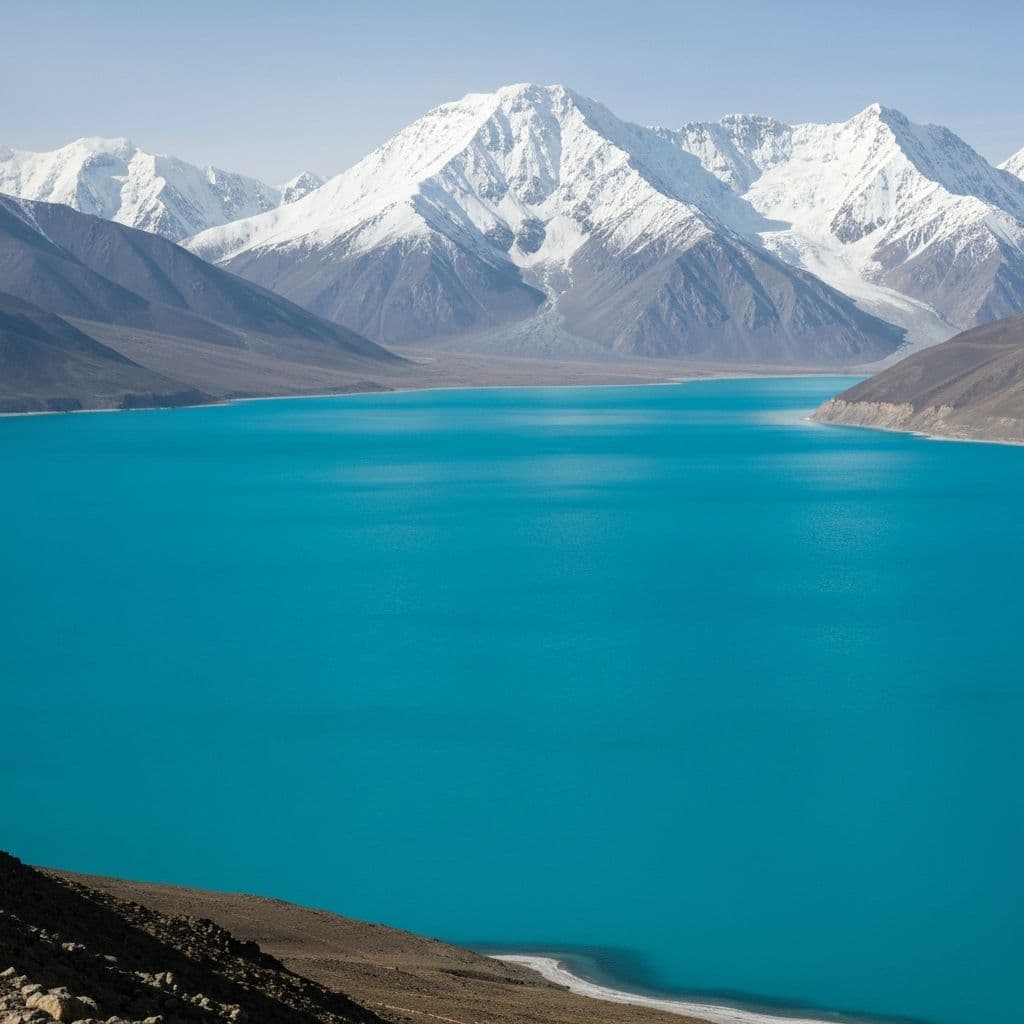
Yamdrok Lake (also known as Yamdrok Yumtso) is one of the three holy lakes of Tibet. At an altitude of 4,441 meters, it is renowned for its breathtaking sapphire-blue waters and is hailed as the "Coral Lake of Heaven." The best time to visit is from May to October, when the weather is clear and the lake is at its most vibrant blue. In winter (November to April), visitors can admire the unique blue ice phenomenon and experience fewer tourists. For the best experience, a day trip from Lhasa is recommended to appreciate the lake's grandeur and tranquility from different perspectives.
How to Get There
Traveling from Lhasa to Yamdrok Lake is very convenient; hiring a car or sharing a ride is the best option, taking approximately 2-2.5 hours. Prices are flexible, and drivers are familiar with the roads. Public transportation is inconvenient, so it's recommended to book a vehicle in Lhasa in advance.
A classic one-day loop tour is: Lhasa → Gangbala Pass Viewpoint (for panoramic views) → Lake No. 2 Viewpoint (to touch the sacred lake) → Return to Lhasa. For a more in-depth two-day tour, the first day can be spent overnight in Langkazi County after the visit, and the second day can continue the loop to Rito Monastery or extend to Karola Glacier.
What to Expect
The scenic area's facilities are mainly concentrated at the viewing platforms. Viewing Platform No. 1 at the top of Gangbala Mountain has relatively complete facilities, including a visitor center, souvenir shops, restaurants, parking, and restrooms. Viewing Platform No. 2, located down to the lake, has simpler facilities but offers closer access to the water. Along the lakeside (such as the section near Rituo Temple), many roads are dirt tracks or narrow highways, with few restrooms and limited facilities; it is advisable to prepare in advance. Overall, the core viewing areas meet basic needs, but for deeper exploration around the lake, be prepared for more basic conditions; it is recommended to bring your own drinking water and a small amount of food.
Practical Tips
- Start from Lhasa early, ideally before 8:00, to reach Gangbala Pass when visibility is best and afternoon clouds are lighter in spring and autumn.
- Bring cash plus mobile payment options; small stalls near viewpoints may accept WeChat Pay or Alipay, but signal can be unreliable at high altitude.
- It's windy by the lake, so please be careful when flying drones. If you want to fly a drone, you can check with the scenic area; it may be a no-fly zone.