naturalLhasa
Namtso Scenic Area
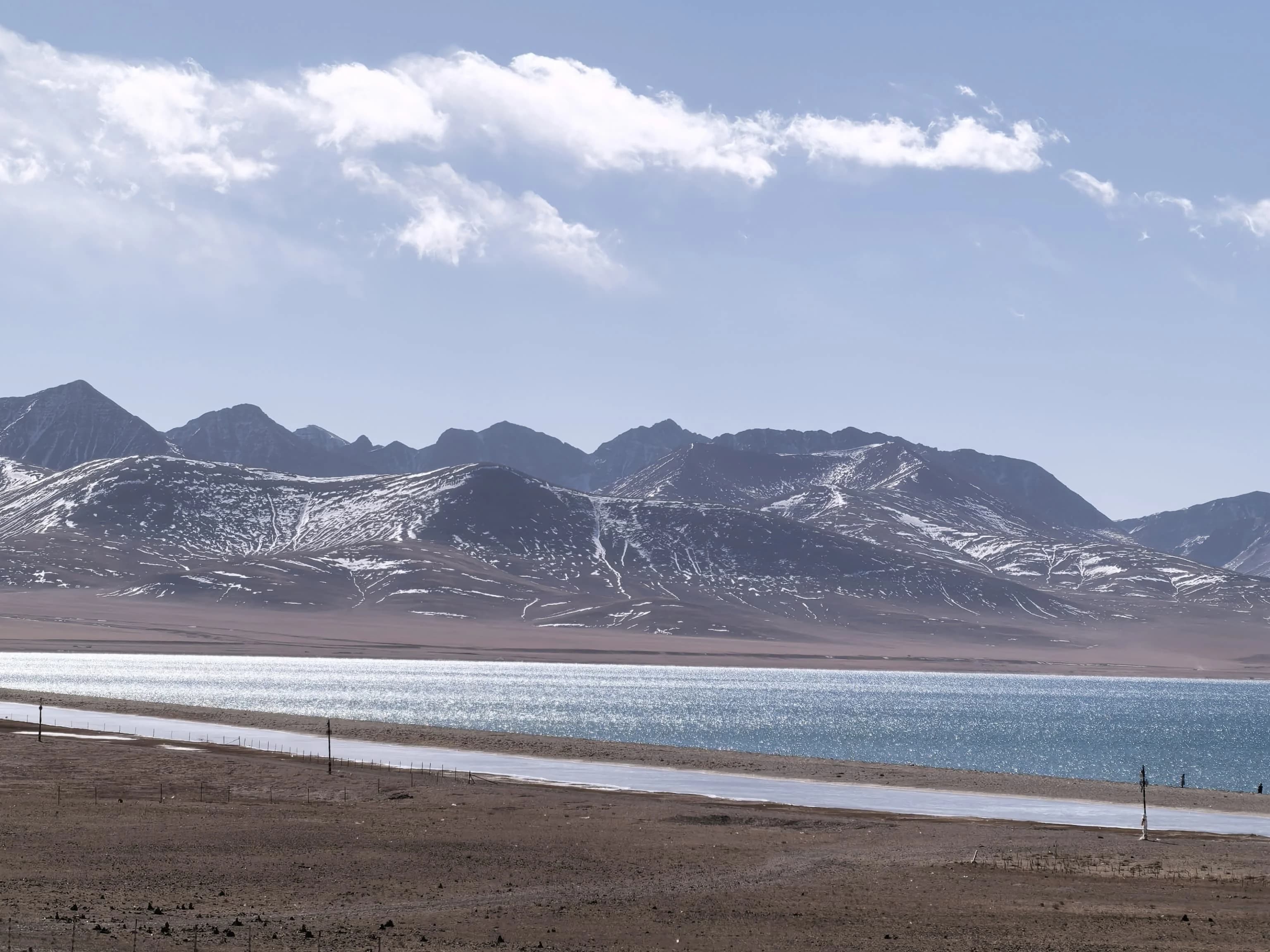
Namtso Scenic Area is a natural landscape near Lhasa, renowned for its vast, high-altitude salt lake, azure waters, and the magnificent scenery of the Nyainqêntanglha Mountains. Located approximately 240 kilometers north of Lhasa city, at an altitude of about 4,700 meters, Namtso is one of the most famous holy lakes in Tibet. In Tibetan Buddhism, Namtso (གནམ་མཚོ་, meaning "Heavenly Lake") has been highly revered since ancient times, and the pilgrimage tradition has become particularly prevalent since the 11th century with the spread of Buddhism in Tibet.
Opening Hours
(May-October) 8:00 AM - 9:30 PM; (November-April) 9:00 AM - 7:30 PM
Ticket Price
(May-October)¥110; (November-April)¥60
Location
In the central part of the Tibet Autonomous Region, at the border of Damxung County of Lhasa City and Baingoin County of Nagqu Prefecture.
Overview
Namtso, meaning "Heavenly Lake" in Tibetan, is one of the highest large lakes in the world, surrounded by snow-capped mountains and grasslands, boasting pristine and magnificent scenery. The main tourist area is Tashi Peninsula, and a visit of 3-4 hours is recommended. If you wish to photograph the sunrise, sunset, or starry sky, a full day is sufficient. The best time to visit is from June to September, when the weather is mildest and the scenery is at its best, as the lake thaws and the blue sky, white clouds, and snow-capped mountains create a breathtaking spectacle.
How to Get There
The most convenient way to get to Namtso from Lhasa is by taking the scenic area shuttle bus. You can book a package ticket in advance through the "Naicang Life" WeChat official account (approximately 210 RMB, including transportation, entrance fee, and sightseeing bus). The bus departs daily in the morning from Naicang Hotel Plaza or Liuwu Bus Station, stopping at points such as the Nyainqêntanglha Mountain viewing platform along the way. Alternatively, you can choose to hire a car (round trip approximately 2500 RMB) or drive yourself (along the G109 National Highway to Damxung County, then turn onto the scenic area road). Local travel agencies in Lhasa also offer one-day group tours (approximately 350 RMB per person). After entering the scenic area, you will need to transfer to a sightseeing bus to reach the core tourist area of Tashi Peninsula.
What to Expect
The main facilities are concentrated in the visitor center and Tashi Peninsula area. The visitor center provides restrooms, mobile phone charging, a souvenir shop, and Wi-Fi. The core scenic area is dominated by natural landscapes, and the walking paths are mostly gravel and dirt roads; comfortable, non-slip shoes are recommended. There are locally run simple accommodations and Tibetan-style tents on the peninsula, but conditions are basic and lack private bathrooms. Due to the high altitude and strong winds, it is advisable to prepare oxygen and warm clothing in advance.
Practical Tips
- 1Start from Lhasa before 7:00 am if going independently or by chartered car — the drive usually takes 4.5-6 hours, and afternoon weather at the lake can change fast.
- 2Bring a warm windproof jacket, sunglasses, sunscreen, and 1-2 liters of water — even in July, temperatures can feel cold because of the altitude and strong lake winds.
- 3Large temperature difference between day and night! Be sure to layer with a windproof/down jacket, a sun hat, and sunglasses.
- 4Take altitude sickness medication 3 days in advance and carry glucose solution and a portable oxygen cylinder with you.
Share This Attraction
Found this helpful? Share it with fellow travelers!
Explore Lhasa
Discover more attractions, food, and travel tips for Lhasa.
View destination
More Attractions to Explore
Lhasa·natural
Namtso Lake
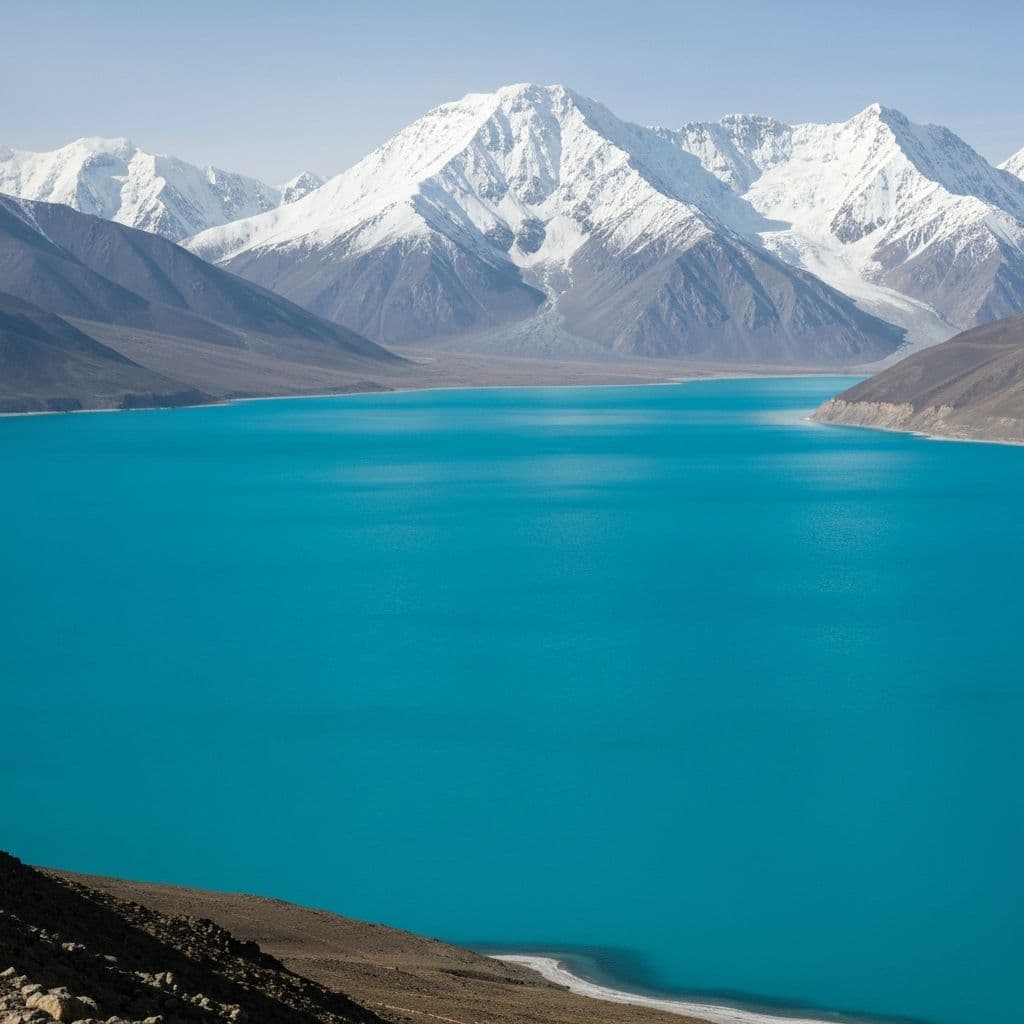
Tibet's largest lake and the world's highest saltwater lake at 4,718 meters, Namtso means 'Heavenly Lake' in Tibetan. The vast turquoise expanse backed by the 7,000m+ Nyenchen Tanglha mountain range creates a scene of incomprehensible beauty. Tashi Dor Peninsula with its cave hermitages is the main destination. Stargazing here reveals skies like nowhere else on Earth.
Lhasa·natural
Yamdrok Lake Scenic Area(羊卓雍措景区)
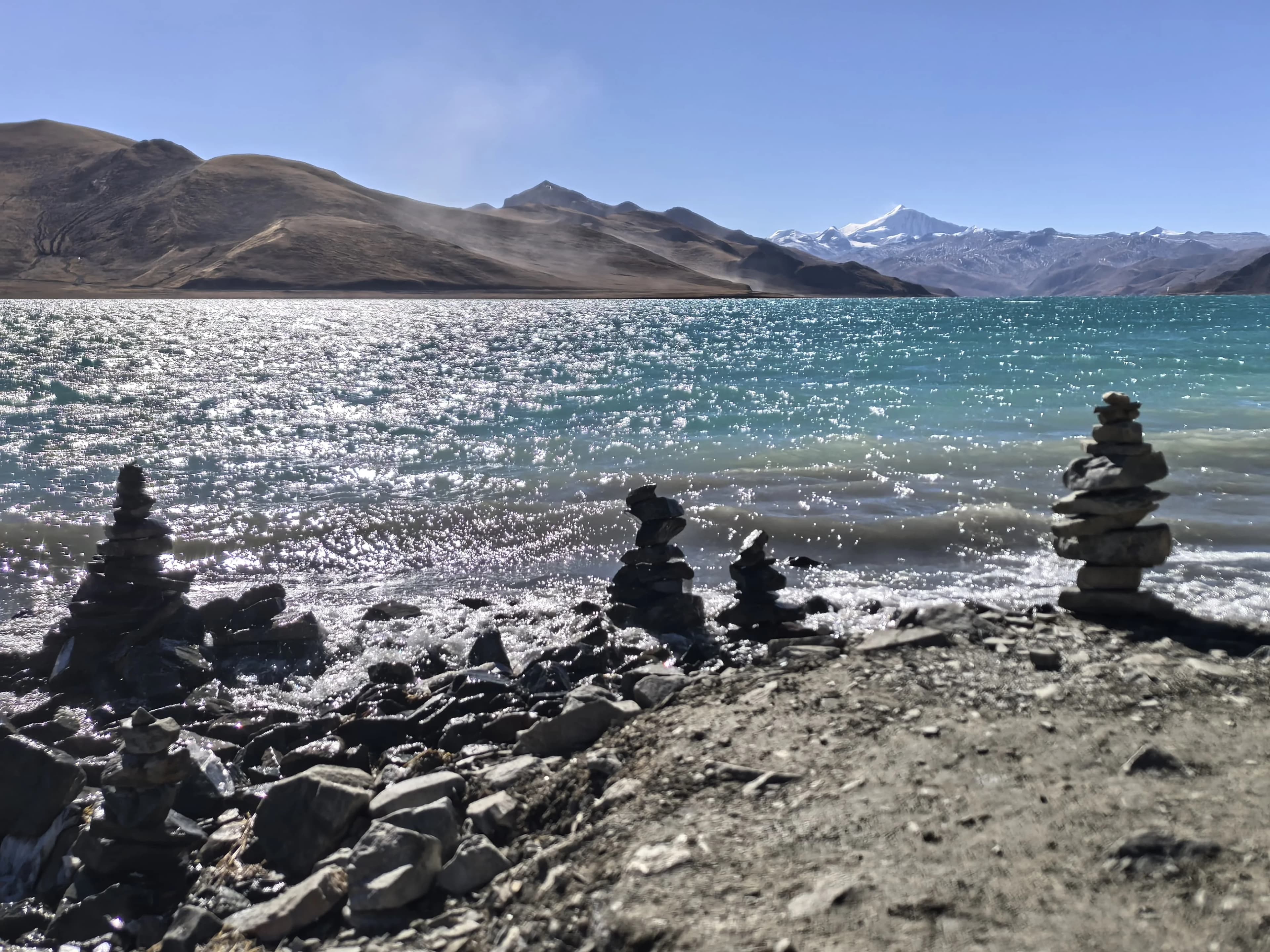
Yamdrok Lake is a natural scenic spot in Lhasa, renowned for its turquoise waters, magnificent mountain scenery, and its important place in Tibetan culture. Located about 70 kilometers southwest of Lhasa city center, Yamdrok Lake is one of the three holy lakes of Tibet. Its religious significance dates back to the Tubo Dynasty (7th-9th centuries AD), with local legends considering it an incarnation of a goddess. It is also situated on the ancient road connecting Lhasa and Gyantse, closely linked to Tibet's long-standing trade and pilgrimage sites.
Lhasa·religious
Jokhang Temple
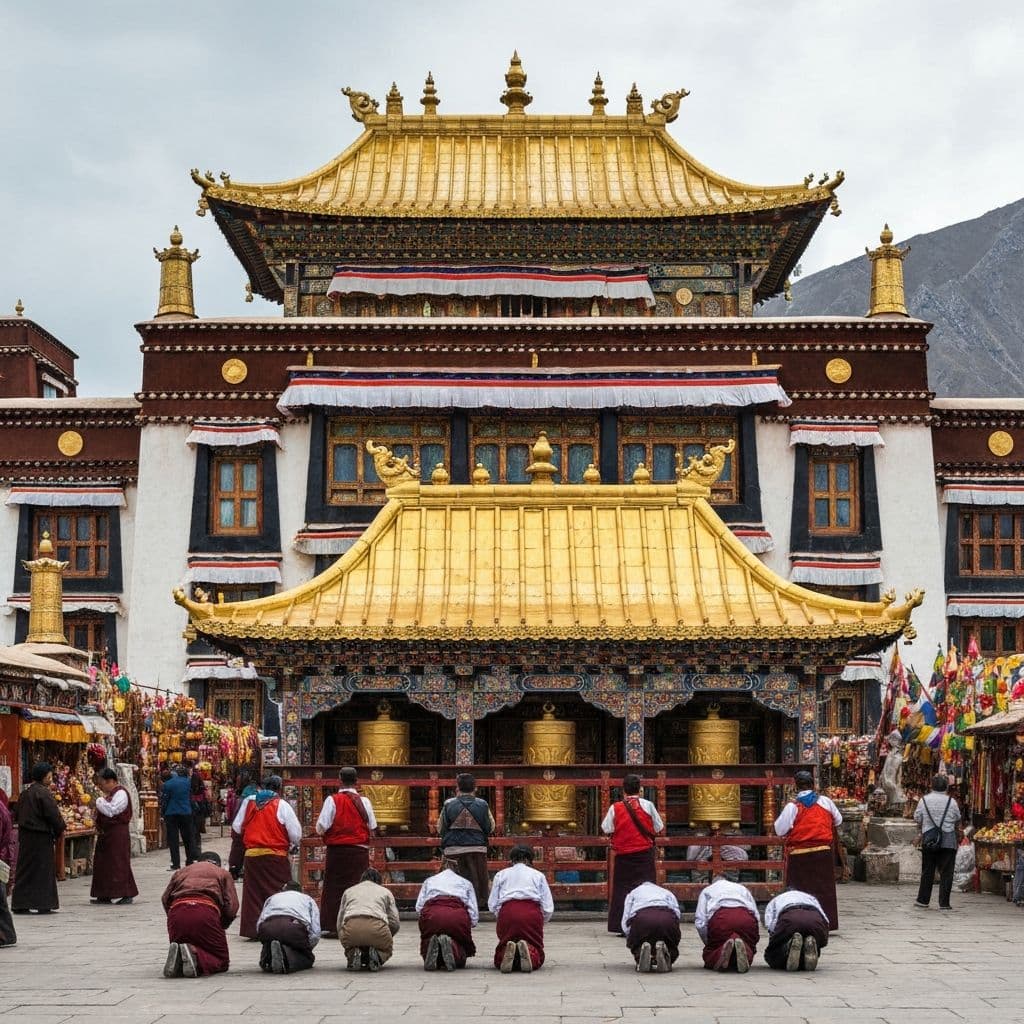
Tibet's most sacred temple, Jokhang is the spiritual heart of Tibetan Buddhism. Built in 647 AD, it houses the Jowo Rinpoche - a gold statue of the young Buddha said to have been blessed by Buddha himself. Pilgrims prostrate around the temple on the Barkhor circuit, spinning prayer wheels and burning juniper incense. The rooftop offers stunning views of Potala Palace.