Overview
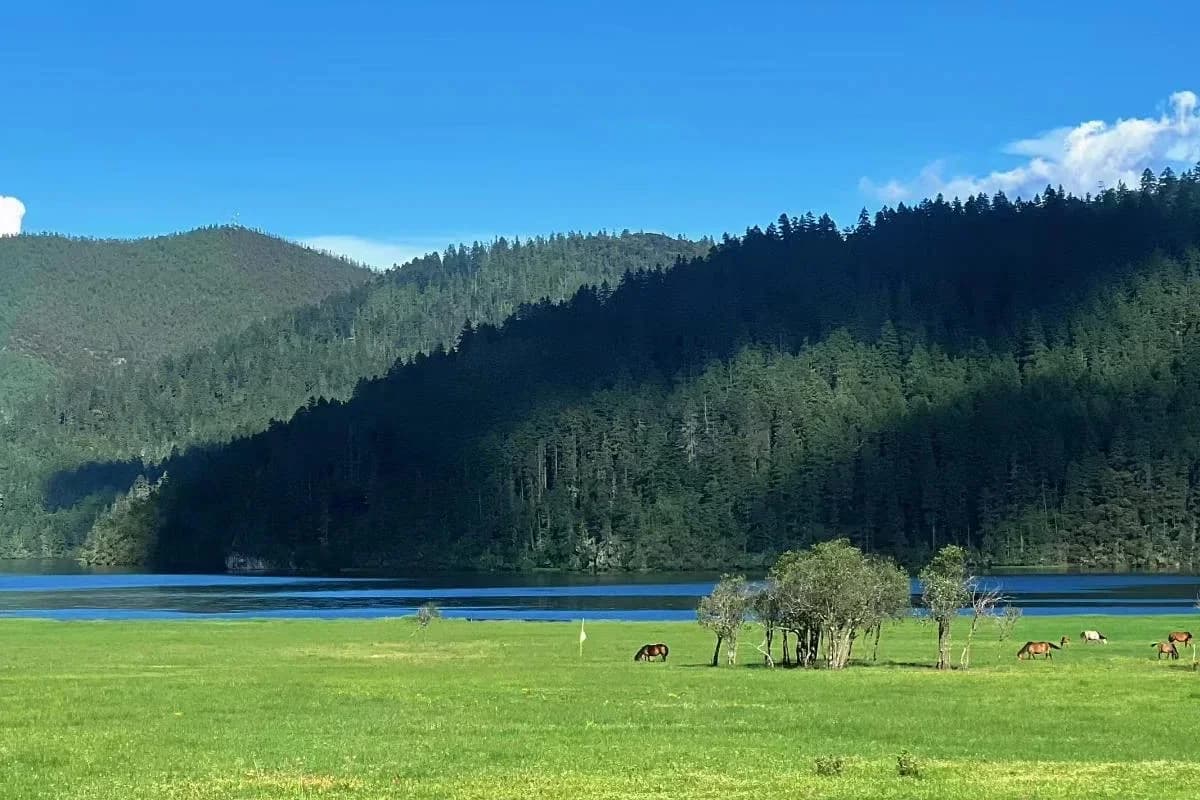
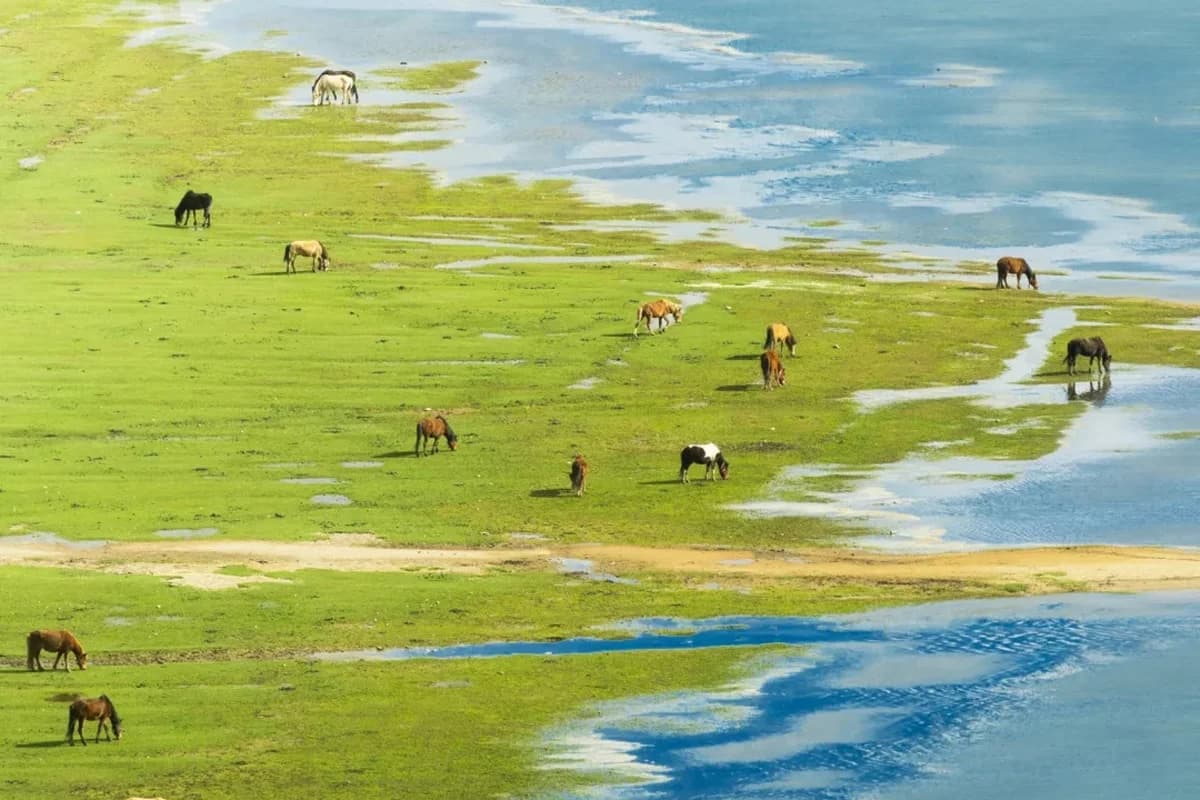
Napa Lake, located 8 kilometers northwest of Shangri-La City at an altitude of 3266 meters, is a seasonal high-altitude lake. During the rainy season (June–September), it is a lake, and during the dry season (October–May of the following year), it transforms into grassland, also known as "Yila Grassland."
Best time to visit: Summer (June–September) offers stunning lake and mountain scenery and the "water highway"; autumn (September–October) showcases golden grasslands and snow-capped mountain reflections; and winter (November–March) is ideal for observing rare migratory birds such as the black-necked crane.
How to Get There
Getting to Napa Lake from downtown Shangri-La is very convenient: a taxi takes about 15-20 minutes and costs around 40 yuan; driving or hiring a car is the most flexible option, with a one-day rental costing around 500-600 yuan. You can stop for photos along the lakeside road at any time, and the entire trip takes about 2-3 hours. Alternatively, you can rent an electric scooter in the old town for about 50-80 yuan per day for a relaxing ride around the lake; taking bus route 12 is also an economical choice, costing 2 yuan. Board at Hongtai Square Station and get off at Napa Lake Village White Pagoda Station. Due to infrequent service, pay attention to departure times.
Recommended clockwise lakeside route: Dukezong Old Town → Alpine Botanical Garden (panoramic view) → West Lakeside Road (waterway) → Hamugu Village (Tibetan village) → Return trip. Horseback riding is also an optional extra (at your own expense).
What to Expect
Napa Lake boasts a well-developed lakeside road with numerous free parking lots and makeshift parking spots along the way for convenient stops. Walking trails and boardwalks are located at major viewpoints, such as the wooden boardwalk in the alpine botanical garden. Restrooms are limited in number, mainly concentrated near the horse ranch and at the start of the lakeside road. Gift shops and restaurants are scarce, with most stalls run by local Tibetans; it is recommended to bring your own drinking water and snacks, or have a meal in the old town beforehand. Due to its high altitude, please take precautions against sun, wind, and cold. Overall, Napa Lake is a relatively pristine natural tourist destination with basic facilities, focusing more on the natural scenery experience.
Practical Tips
- Avoid navigating directly to "Napa Sea" to prevent being led to a paid horse racing track; navigating to "Lake Ring Road" is more accurate.
- At an altitude of approximately 3260 meters, avoid strenuous exercise and bring some chocolate or glucose.
- The weather is changeable, so carry an umbrella or raincoat and wear non-slip shoes.
- Protect the environment! Bring your own trash bags and don't litter.