Trip Planning Guide
Shangri-La is one of the most plateau-themed destinations in northwestern Yunnan. It feels very different from Kunming, Dali, and Lijiang: it's at a higher altitude, with a slower pace of life, and features snow-capped mountains, meadows, lakes, Tibetan Buddhist monasteries, and the atmosphere of Tibetan life.
Who is Shangri-La suitable for?
Those who love the natural beauty of the plateau: The snow-capped mountains, meadows, lakes, and forests are representative of the area.
Those interested in Tibetan culture: Songzanlin Monastery, Dukezong Ancient Town, and local Tibetan life are worth experiencing.
Those who have already been to Dali and Lijiang: Shangri-La adds depth to your Yunnan itinerary.
Those who enjoy slow travel and photography: The early mornings, evenings, meadows, and monasteries are perfect for taking pictures.
Those who want to continue their journey to Meili Snow Mountain: Shangri-La is an important transit point for those traveling to Deqin and Meili Snow Mountain.
If tourists are not used to high altitudes or just want a relaxing city vacation, Shangri-La may be a bit tough.
How many days should I spend in Shangri-La?
1 day: Only suitable for a quick stopover, not highly recommended.
2 days 1 night: Includes visits to Songzanlin Monastery, Dukezong Ancient Town, and Napa Lake.
3 days 2 nights: Highly recommended for first-time visitors; a more relaxed pace, and you can add Pudacuo National Park or surrounding meadows.
4-5 days: Suitable for continuing towards Meili Snow Mountain, Baima Snow Mountain, or Deqin.
6 days or more: Ideal for a more in-depth Northwest Yunnan tour: Lijiang + Shangri-La + Meili Snow Mountain.
For most foreign tourists, a 2-3 day trip is appropriate for Shangri-La.
How are the main areas of Shangri-La grouped?
1. Dukezong Ancient Town: The main area for accommodation and nighttime activities in Shangri-La. Suitable for walking, dining, seeing prayer wheels, and acclimatizing to the high altitude. First-time visitors can stay near the ancient town for convenience.
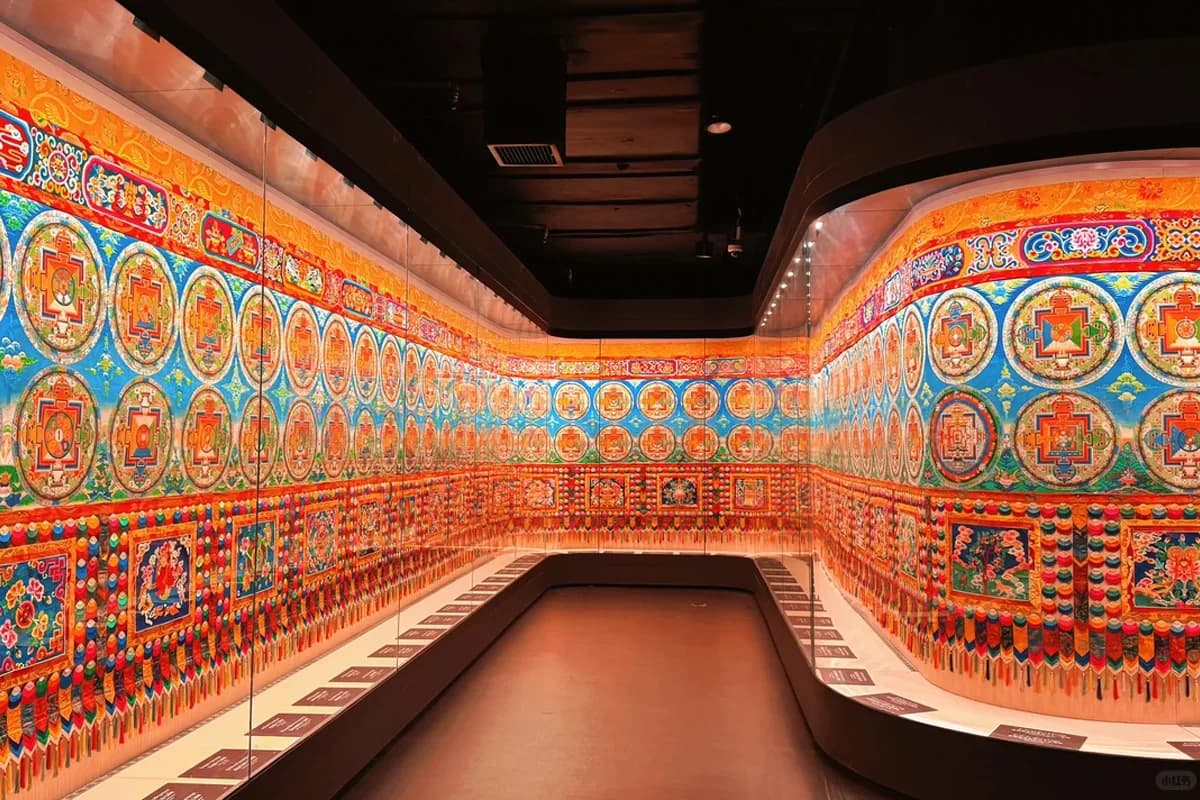
2. Songzanlin Monastery: One of the most important cultural attractions in Shangri-La, known as the "Little Potala Palace." Suitable for understanding Tibetan Buddhist architecture, religious atmosphere, and high-altitude monastery culture. Half a day is recommended; don't rush.
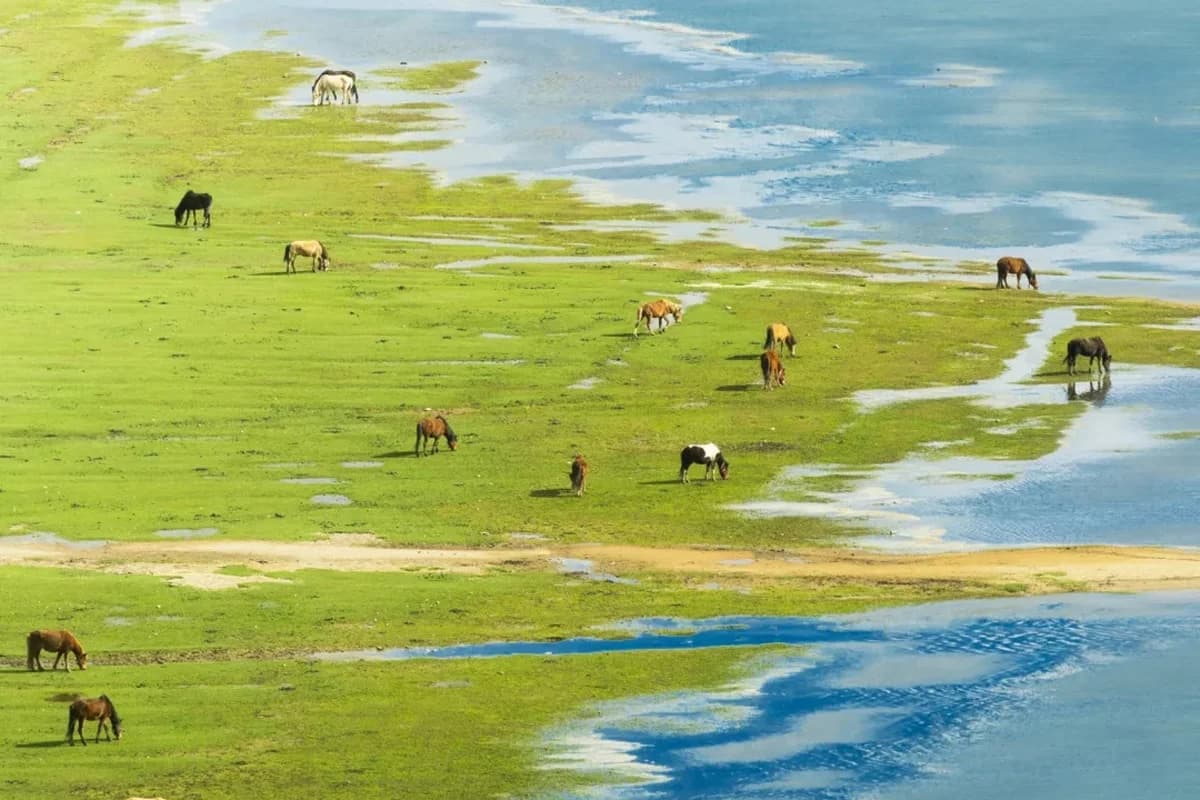
3. Napa Lake/Yila Grassland: Suitable for seeing meadows, wetlands, cattle and sheep, and seasonal lakes. Great for photography on a clear day, and you can also experience the expansive high-altitude landscape of Shangri-La.
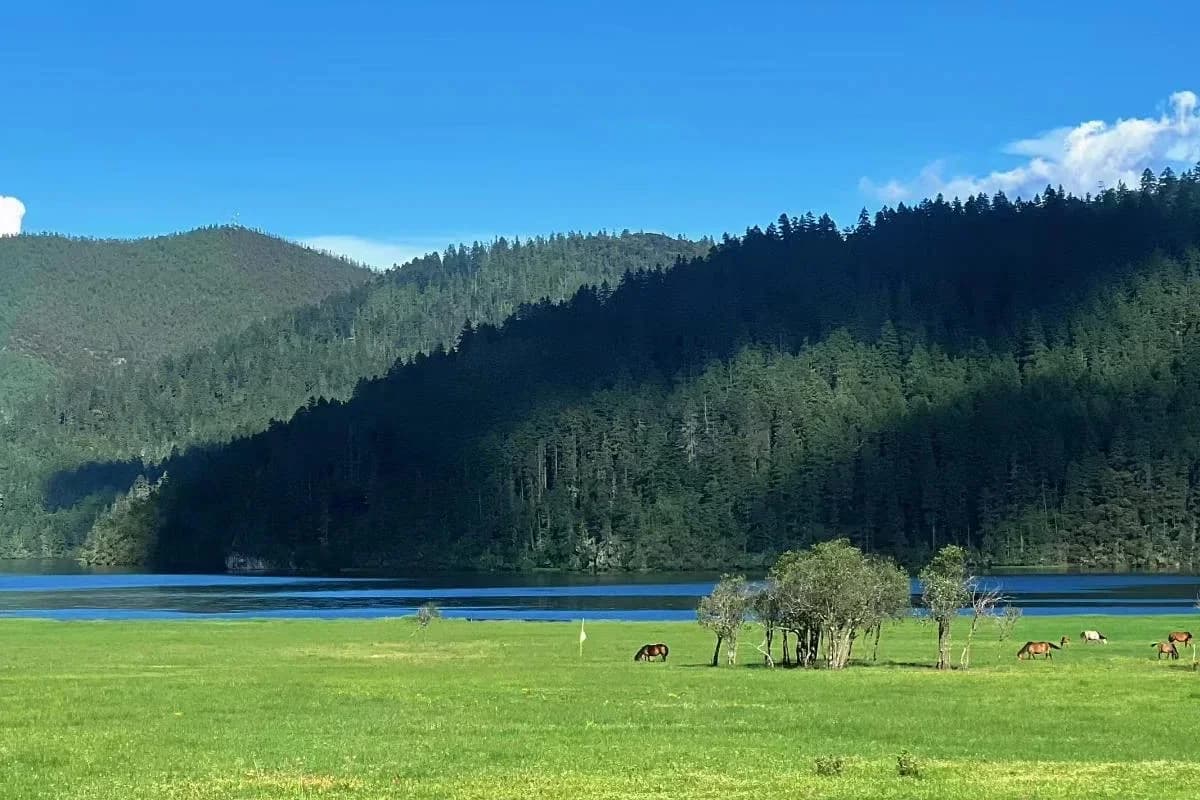
4. Pudacuo National Park: Suitable for tourists who enjoy forests, lakes, and light hiking. The altitude is high, so walk slowly. Half a day to a full day is recommended.
5. Meili Snow Mountain Area: Suitable for those with ample time who enjoy snow-capped mountains and photography. The journey is long, usually requiring multiple days; a day trip is not recommended.
What places can be combined with Shangri-La?
Lijiang + Shangri-La: The most classic combination, suitable for 4-6 days.
Kunming + Dali + Lijiang + Shangri-La: Suitable for a first-time in-depth tour of Yunnan, recommended 8-10 days.
Shangri-La + Meili Snow Mountain: Suitable for photography and snow mountain enthusiasts.
Lijiang + Tiger Leaping Gorge + Shangri-La: Suitable for those who like canyons and natural landscapes.
Dali + Lijiang + Shangri-La: Suitable for tourists who don't want to stay in Kunming for too long.
If it's your first time in Yunnan, it's recommended to visit Kunming/Dali/Lijiang first, then go to Shangri-La.
Food & Dining Guide
Shangri-La’s food scene is practical rather than wide-ranging, so plan meals around your sightseeing routes. In and around Dukezong Ancient Town, look for yak hotpot, usually 牦牛肉火锅 máoniúròu huǒguō, at casual Tibetan-style restaurants; expect ¥80–150 per person depending on meat quantity. Also try tsampa, 糌粑 zānba, and butter tea, 酥油茶 sūyóuchá, usually sold in Tibetan eateries around the old town square for ¥10–30.
On your Songzanlin and Napa Lake day, order Tibetan momos, 牦牛肉包子 or 藏式蒸饺, often listed simply as yak dumplings, for ¥25–45 per basket near monastery approach roads or back in town after the visit. For a quick lunch, noodles with yak meat, 牦牛肉面 máoniúròu miàn, usually cost ¥18–35. In colder months, stone-pot chicken, 土鸡石锅 tǔjī shíguō, is a good dinner after Pudacuo; budget ¥90–180 for a pot to share.
Best eating plan: old town snacks on arrival day, monastery-route Tibetan dishes on Day 2, and a heavier hotpot or stone-pot dinner after your park day. Practical tip: many small restaurants have Chinese-only menus, so save dish names on your phone and point to nearby tables’ orders.
Getting There & Around
Most travelers arrive via Diqing Shangri-La Airport (DIG), about 5 km from Dukezong Ancient Town; a taxi usually takes 15–20 minutes and costs around ¥20–35. Shangri-La is also connected by rail via Shangri-La Railway Station, with trains from Lijiang taking roughly 1.5–2.5 hours depending on service patterns; onward links to Kunming typically require a transfer and take around 5.5–7.5 hours total. If you are coming overland from Lijiang by road, expect 3.5–4.5 hours including mountain sections.
Within town, walking works well for Dukezong and Guishan Park, but you will need transport for Songzanlin, Napa Lake, and Pudacuo. Taxis and Didi are the simplest options: old town to Songzanlin is about 15–20 minutes for ¥20–30, while Pudacuo is usually 35–45 minutes for roughly ¥80–120 one way if privately hired. Local buses can reach some major sites more cheaply, but service frequency is less convenient for tight itineraries.
A half-day driver for Songzanlin plus Napa Lake usually costs ¥200–350; a full-day car to Pudacuo or a transfer route with scenic stops costs more. Download Amap/Gaode or Baidu Maps before arrival, because Google Maps is unreliable in China and many pickup points around the old town are easier to locate in Chinese.