Overview
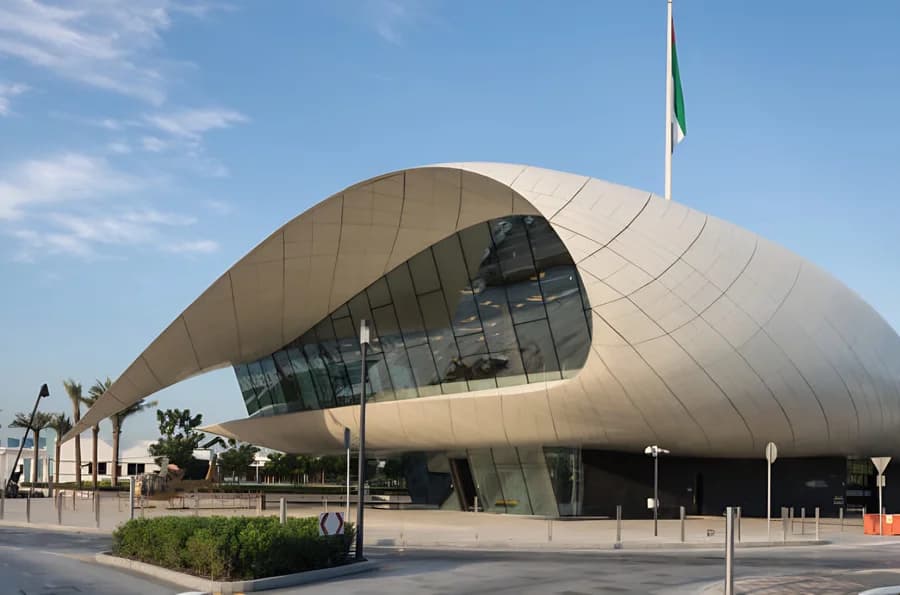
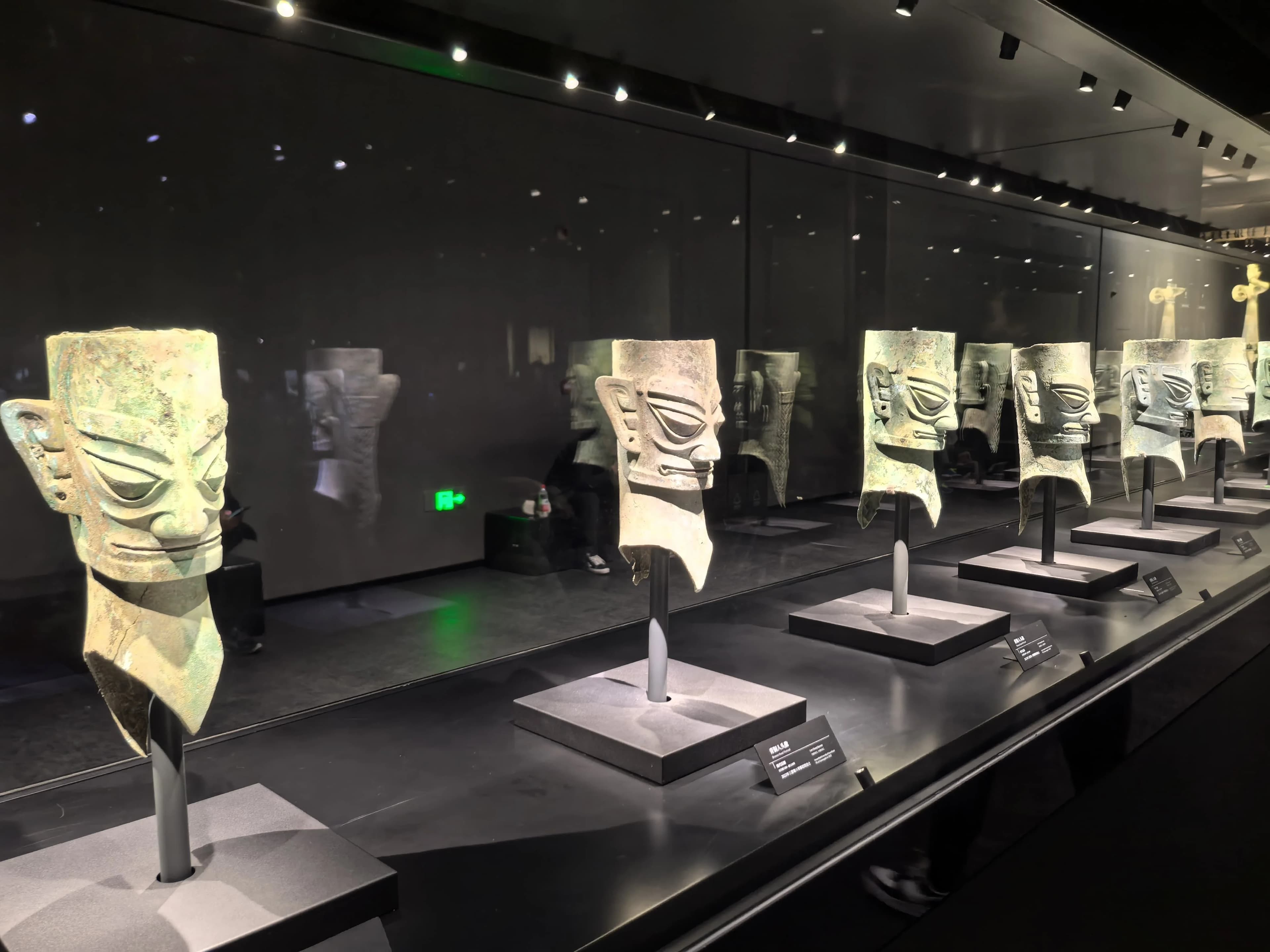
The Sanxingdui Museum, located in Guanghan City, Sichuan Province, is a mysterious treasure trove showcasing the ancient Shu civilization dating back approximately 3,000 to 5,000 years. Its most prized possessions include a 2.62-meter-tall bronze standing figure, a nearly 4-meter-tall bronze sacred tree, and an exaggeratedly shaped bronze mask with protruding eyes. The new exhibition hall opened in 2023 and boasts modern facilities. It is recommended to allow at least 3 to 4 hours for your visit.
The best time to visit is on a weekday morning (around 9:00 AM when the museum opens), as the lighting is good and there are fewer crowds, providing a better viewing and photography experience. During your visit, it is suggested to first visit the "Majestic Royal Capital" exhibit on the first floor (to see the standing figure and the golden scepter), then the "Heaven, Earth, Man, and Gods" exhibit on the second floor (to see the sacred tree and the mask with protruding eyes), and finally, visit the artifact restoration hall to witness the artifact restoration process.
How to Get There
Transportation: High-speed rail (fastest and most recommended): Take the high-speed rail from Chengdu East/South Station directly to Guanghan North Station (approximately 18-25 minutes). After exiting the station, take a taxi or Guanghan Bus Route 13 directly to the museum. Tourist shuttle bus (most convenient): From popular attractions in Chengdu such as Chunxi Road (below the panda's rear end at IFS), Kuanzhai Alley, and the Panda Base, take the "Scenic Area Shuttle Bus" directly to the museum. The fare is approximately 25 yuan, and the journey takes about 1-1.5 hours. By car: Navigate to "Sanxingdui Museum Parking Lot." The parking lot is large, and the parking fee for small cars is approximately 10 yuan per visit.
It is recommended to plan a day trip, departing from Chengdu in the morning. After entering the museum, head straight to the new exhibition hall: First, focus on the bronze standing figure and golden scepter on the first floor; then go up to the second floor for an immersive experience of the bronze sacred tree and the mask with protruding eyes; finally, visit the Cultural Relics Conservation and Restoration Hall to watch the experts at work through the glass. Before leaving the museum, don't forget to buy the bronze mask ice cream at the cultural and creative store for a photo opportunity.
What to Expect
The new museum building features gently sloping walkways and staircases and escalators connecting the upper and lower floors. It is very modern and wheelchair-friendly, with a ramp at the main entrance. The information desk at the entrance offers wheelchair and stroller rentals. The museum's restrooms are clean and clearly marked, and include accessible restrooms. There is a gift shop (famous for its creative products) and a dining area (café and Chinese restaurant), but wheelchair users may need to dine outdoors due to the steps leading to the Chinese restaurant.
Practical Tips
- No flash photography allowed! Do not touch the glass display case and keep quiet.
- Wear comfortable shoes! The new exhibition hall is very large with long exhibition lines; you can easily walk over 10,000 steps while exploring it.
- Make reservations! Especially during holidays, please reserve your tickets 3-5 days in advance through the official WeChat account/mini-program of the Sanxingdui Museum.
- Follow our official WeChat account for occasional information on temporary exhibitions or evening events.