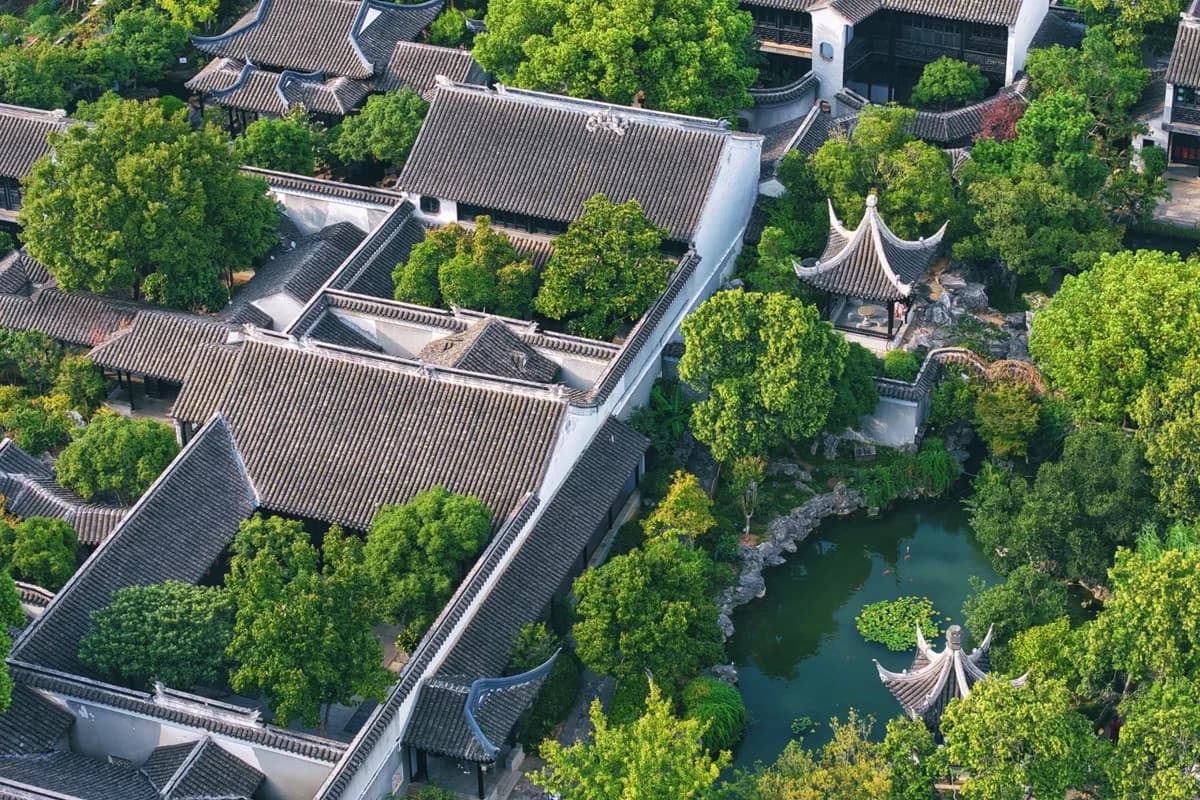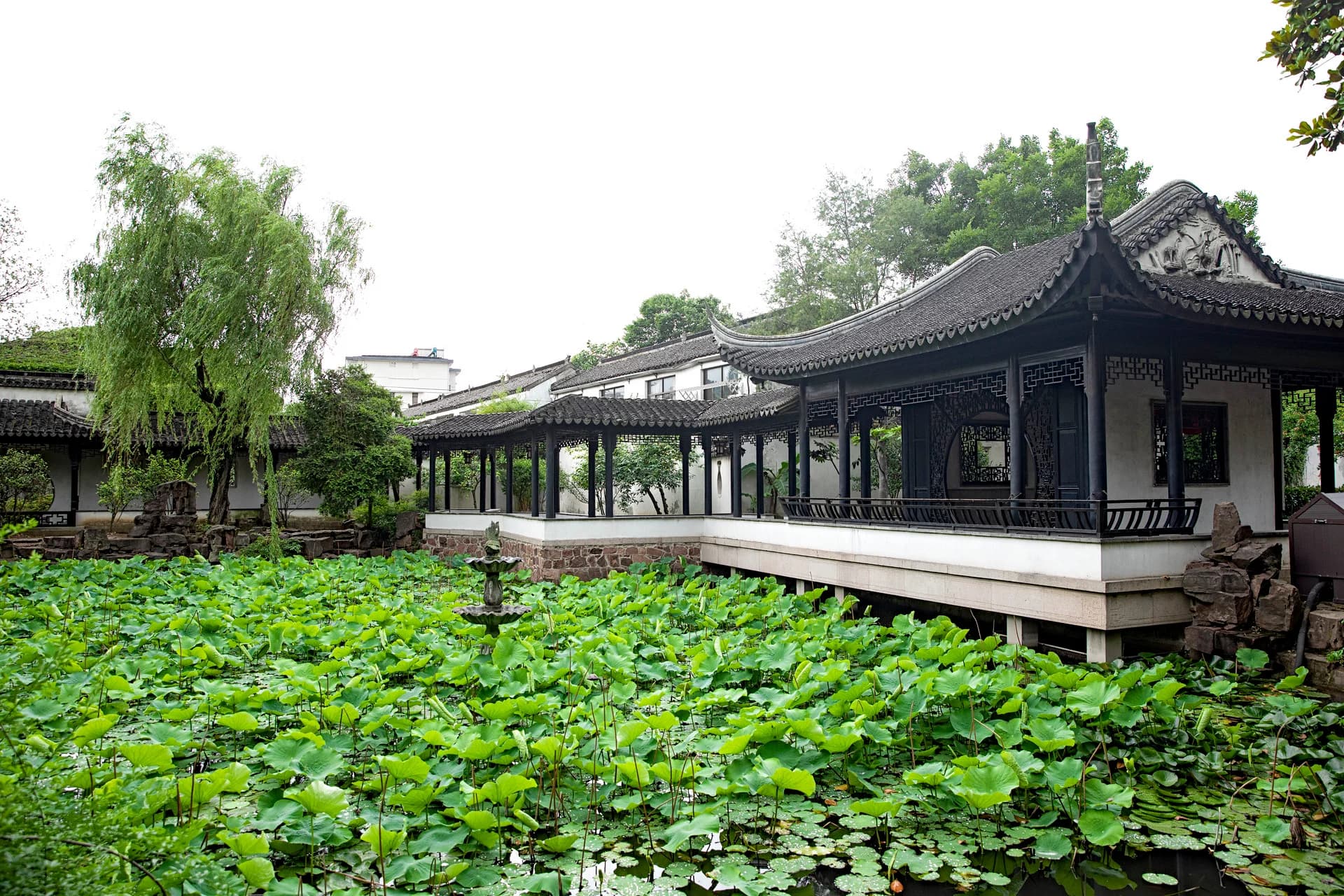

For many Western travelers, Chinese gardens might simply be "parks with pavilions and ponds." But in Suzhou, each garden is a philosophical poem written with stone, water, and wood. From the 11th to the 19th centuries, retired officials, disillusioned scholars, and wealthy merchants created their own "Shangri-La" here—they used thin, porous, and wrinkled Taihu stones to create miniature mountains, used winding waterways to symbolize great rivers, and used decorative windows and moon gates to "borrow" distant pagodas and nearby bamboo shadows into their courtyards. Nine classical gardens in Suzhou are currently listed as World Heritage Sites, and the "Eight Great Gardens" are the most exquisite representatives.
Below, I will provide a detailed overview of each garden's highlights, admission fees, opening hours, seasons, and nearby attractions, ensuring you can easily navigate all the gardens with this guide.
1. The Humble Administrator's Garden(拙政园) – the king of water features and also the largest garden.
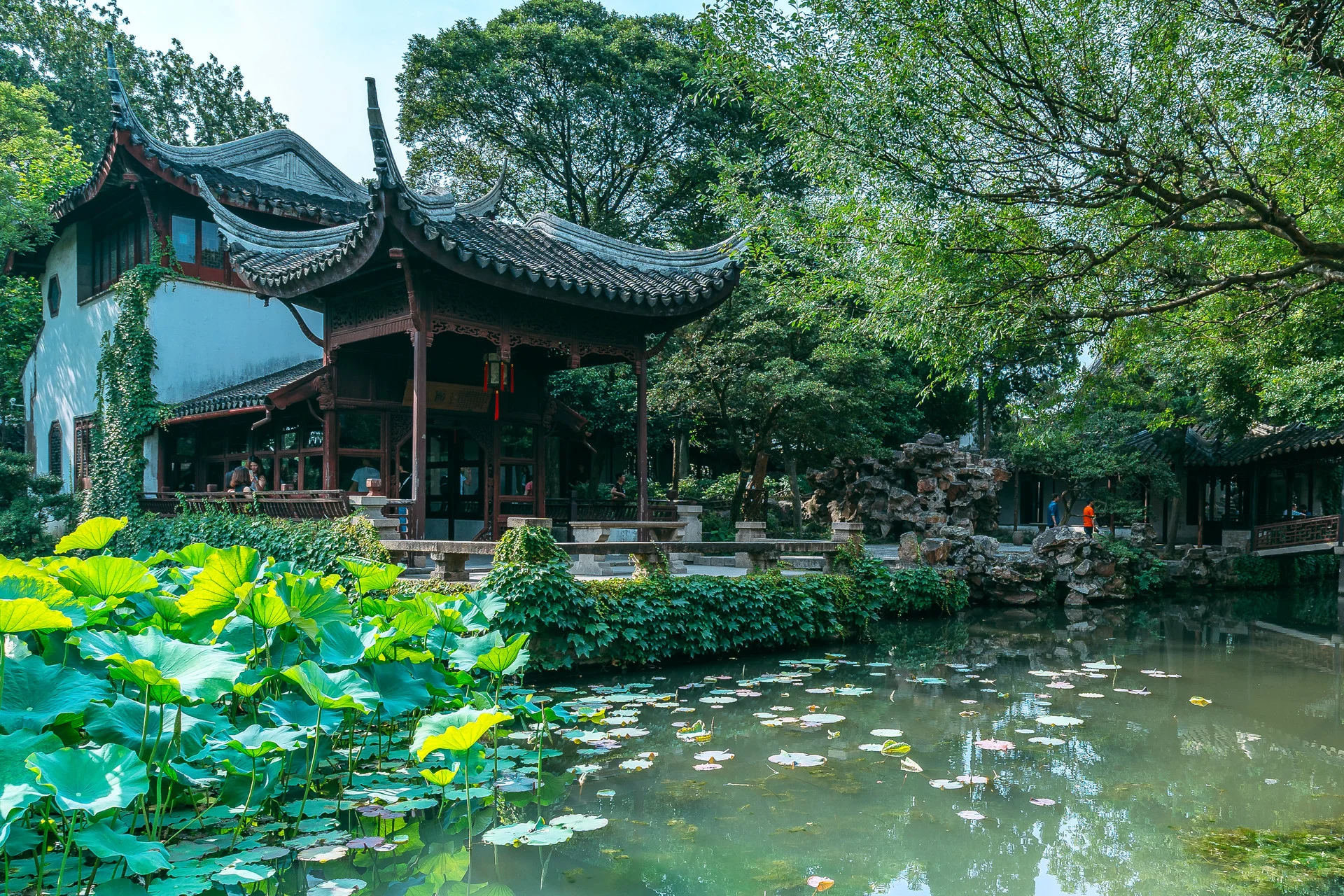
The Humble Administrator's Garden is a "giant" among Suzhou gardens. The entire garden is themed around water. In summer, lotus flowers cover half of the lake, and in winter, even the withered lotus flowers have a picturesque, ink-wash painting feel. The garden is divided into three parts: east, central, and west. The central part is the essence of the garden, where the Hall of Distant Fragrance, the Lotus Breeze Pavilion, and the Viewing Mountain Pavilion are all located.
Opening Hours
Daytime: 7:30 AM – 5:00 PM (March – November); 7:30 AM – 4:30 PM (December – February of the following year)
Night Tour of "Zhuozheng Wenya": Usually from 7:00 PM to 9:30 PM, but schedules need to be checked in advance on the official WeChat account; it is not open every day.
Ticket prices
Peak season (March 1st – October 31st): Adults 80 RMB
Off-season (November 1st – End of February of the following year): Adults 70 RMB
Night tour ticket: Weekdays (Tuesday to Thursday, non-holidays) Adults 198 RMB, Children (7-14 years old) 99 RMB; Weekends and holidays Adults 228 RMB, Children 114 RMB.
Recommended tour duration: at least 2.5-3 hours during the day; approximately 1 hour for the night tour (with a dedicated guided tour route).
Best seasons: Azalea exhibition in April, lotus flowers in July and August, and autumn foliage in October and November. However, spring and autumn have the most pleasant weather.
Surrounding Area: The Humble Administrator's Garden is adjacent to the Suzhou Museum (free admission, but reservations must be made 3-7 days in advance on the official website) and the Lion Grove Garden; all three are within a 5-minute walk.
Daytime tickets can be purchased on-site, but queues are very long during peak season, so it is strongly recommended to purchase tickets one day in advance through the official "Suzhou Gardens Tourism" mini-program. Nighttime tickets are limited and must be booked online in advance.
2. Master of the Nets Garden(网师园) – A top choice for nighttime visits, featuring live Kunqu Opera performances.
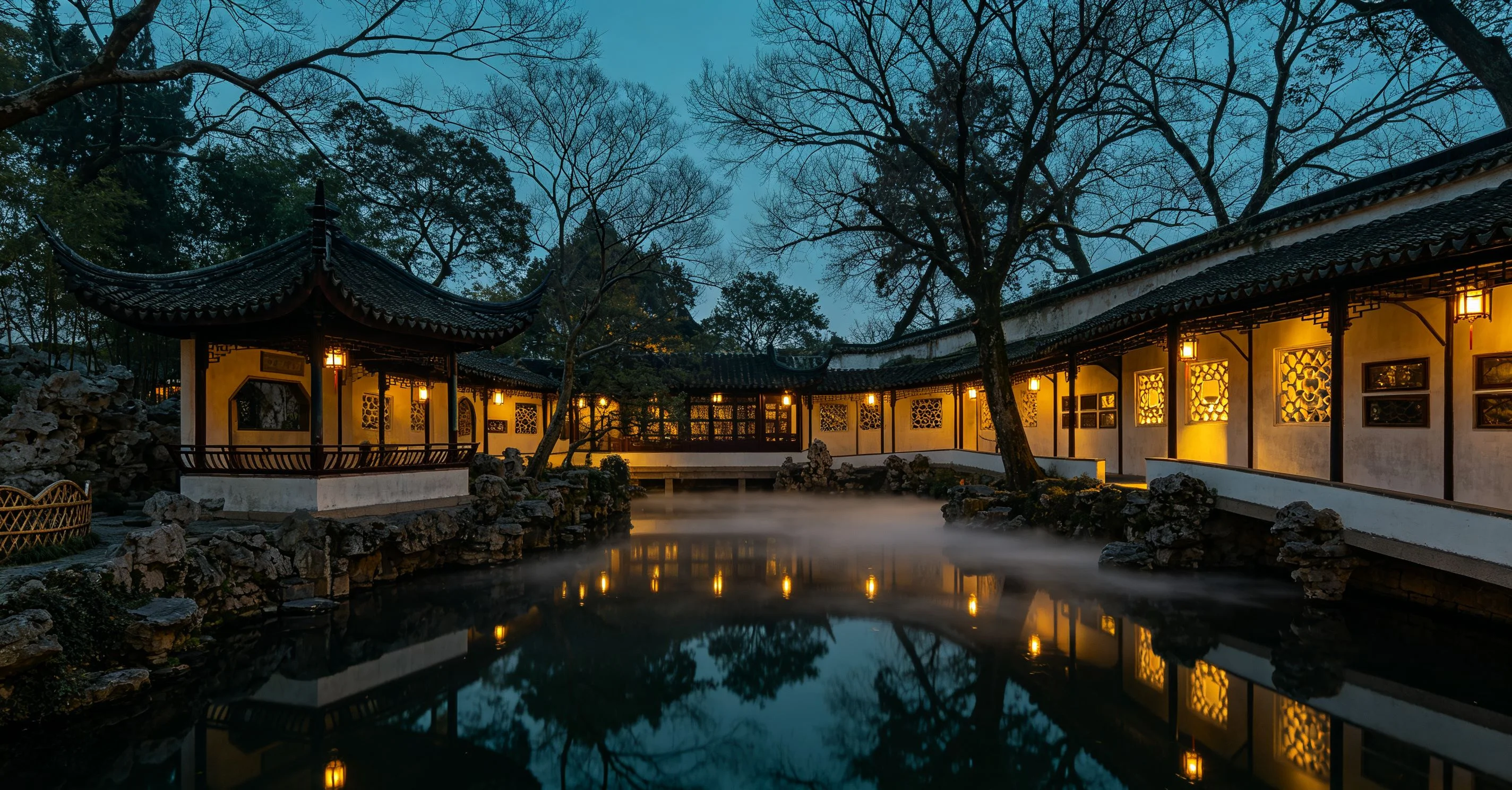
The Master of the Nets Garden is a model of a medium-sized garden, less than one-tenth the size of the Humble Administrator's Garden, but with a strong sense of layering. When visiting at night, the pavilions and terraces in the garden are transformed into small theaters. You can sit by the water and listen to excerpts from the Kunqu Opera "The Peony Pavilion," watch the actors twirling their water sleeves in the waterside pavilions, and enjoy a duet of flutes and pipes, as well as the opening of a Pingtan performance.
Opening Hours
Daytime: 7:30 AM – 5:00 PM
Night Garden: Usually 7:30 PM – 10:00 PM
Ticket Prices
Daytime: Peak season (March-October): Adults 40 RMB; Off-season (November-February): Adults 30 RMB
Night Garden: 100 RMB (flat) for adults
Recommended visit duration: 1.5-2 hours during the day; night tour strictly limited to 1 hour (guided tour included).
Best season: Night tours are mainly held from spring to autumn.
Nearby attractions: The Master of the Nets Garden is close to Shiquan Street (a food street), so after the night tour, you can enjoy Suzhou-style soup noodles or crayfish. During the day, it can be combined with Canglang Pavilion and Keyuan Garden (both located on Renmin Road) to form a scenic route.
Night tour tickets are in high demand, especially on weekends, so be sure to buy them in advance!
3. Lion Grove Garden(狮子林) – a rockery maze, a favorite for families.
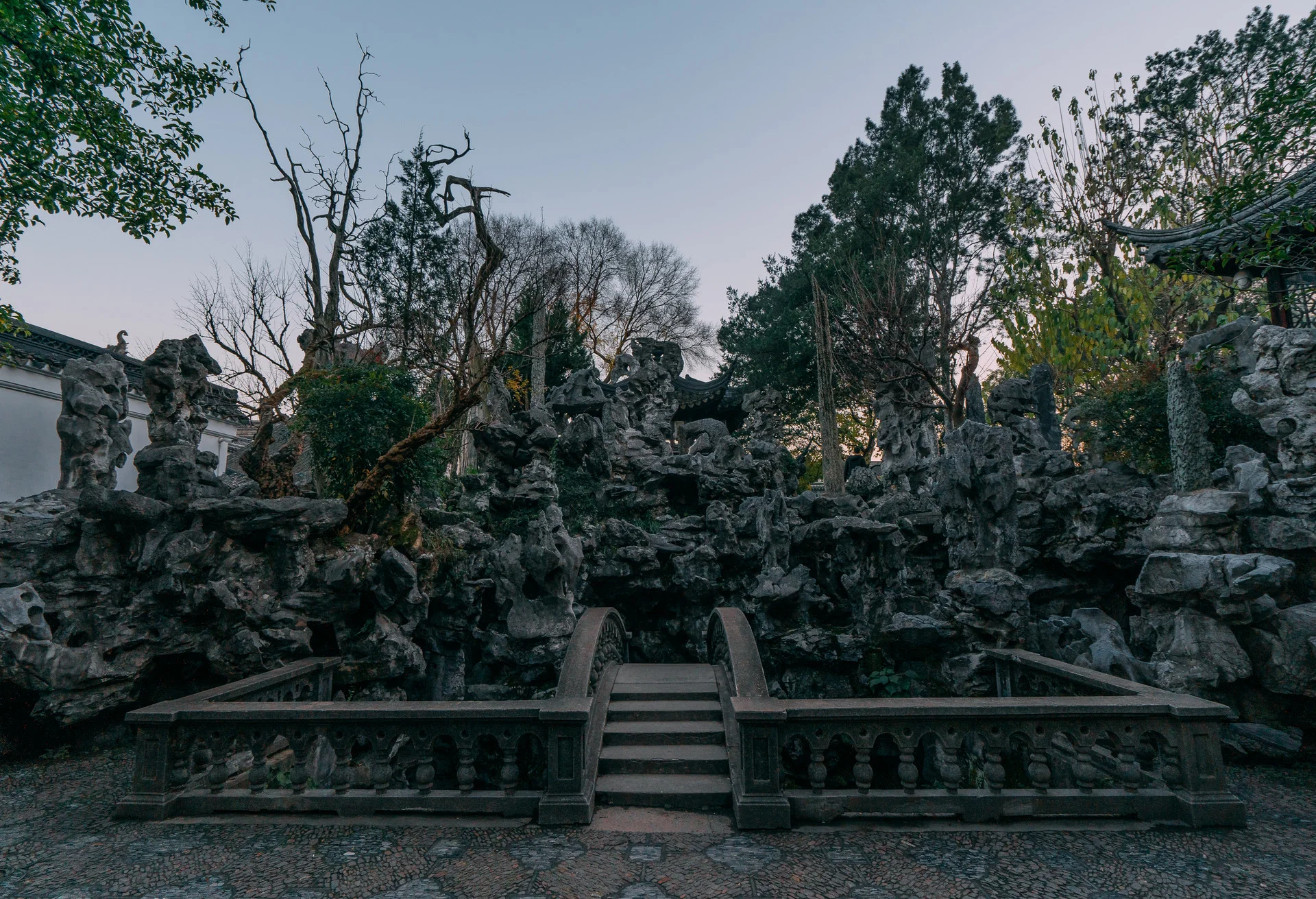
Lion Grove Garden is famous for its stacked Taihu stones. The entire garden's artificial mountain covers an area of about 1.5 acres, with crisscrossing caves and winding stone paths. The artificial mountain is divided into upper, middle and lower levels. You might emerge from a cave and find yourself standing on a bridge in the middle of the water, which is particularly interesting.
Opening Hours:
7:30 AM – 5:00 PM (March – October); 7:30 AM – 4:30 PM (November – February of the following year)
Ticket Prices:
Peak Season (March – October): Adults 40 RMB
Off-Season (November – February): Adults 30 RMB
Suggested visit duration: 1.5-2 hours (may take longer with children, as the maze is very fun).
Best season: In summer, the lotus pond is cool, but the shady spots around the artificial hills are also pleasant; in winter, the stones have an ancient, weathered look, creating a unique atmosphere.
Nearby attractions: It's almost connected to the Humble Administrator's Garden and Suzhou Museum, all within a 5-minute walk. It's recommended to visit the Suzhou Museum in the morning (with reservation), the Lion Grove Garden in the afternoon, and Pingjiang Road in the evening.
4. Lingering Garden(留园) – a harmonious blend of four scenic views, with enchanting corridors.
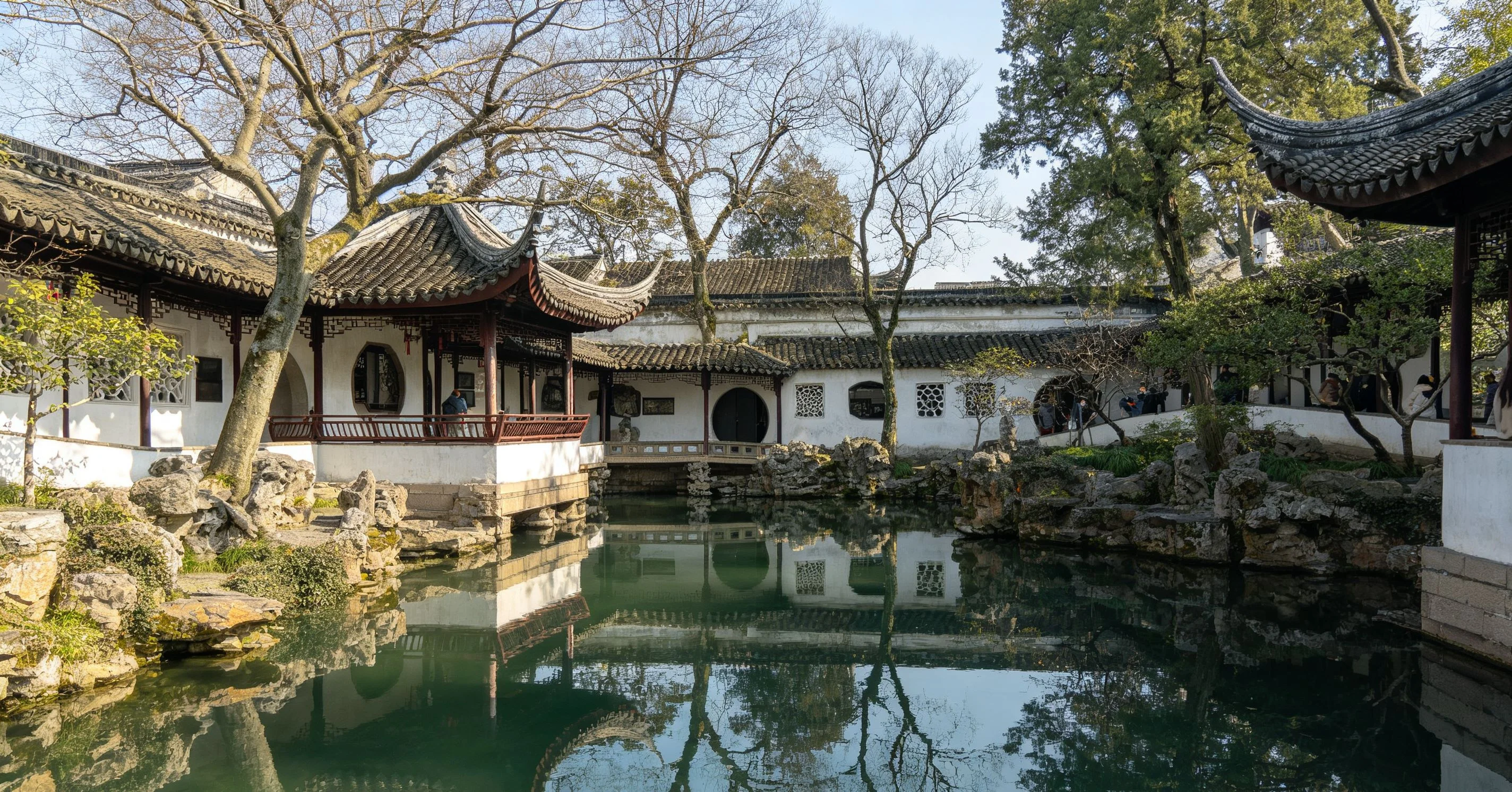
Lingering Garden is listed as one of China's four most famous gardens (the other three being the Summer Palace in Beijing, the Mountain Resort in Chengde, and the Humble Administrator's Garden in Suzhou), but its charm lies in its "versatility." Walking along the more than 700-meter-long winding corridor, the scenery changes completely with every turn.
Opening Hours:
7:30 AM – 5:00 PM (March – October); 7:30 AM – 4:30 PM (November – February of the following year)
Ticket Prices:
Peak Season (March – October): Adults 55 RMB
Off-Season (November – February): Adults 45 RMB
Suggested visit duration: 1.5-2 hours (may take longer if you want to carefully view calligraphy and bonsai).
Best season: Suitable for all seasons, but spring with magnolias and crabapple blossoms, and autumn with ginkgo trees offer the richest colors.
Nearby attractions: A 10-minute walk west of Lingering Garden is Xiyuan Temple (a quiet temple where you can eat vegetarian noodles), and a 15-minute walk east is Shantang Street (Seven-mile Shantang, beautiful at night). It's recommended to visit Lingering Garden in the afternoon and then take a boat trip on Shantang Street in the evening.
There are free luggage lockers near the exit of Liuyuan Garden.
5. Canglang Pavilion – the oldest, prized for its location on the mountain.
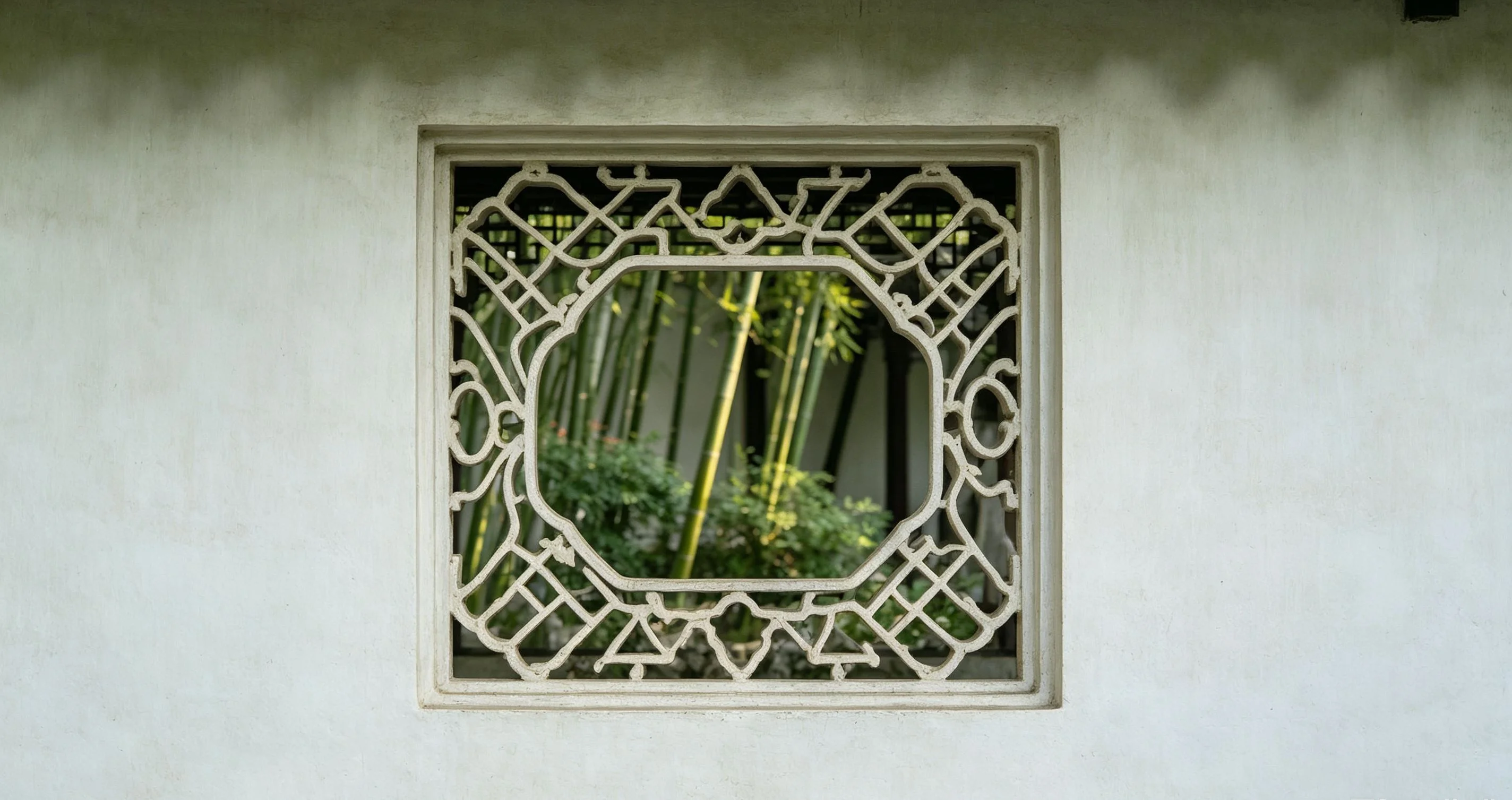
Canglang Pavilion, originally built in the Northern Song Dynasty (11th century AD), is the oldest existing garden in Suzhou. Unlike other gardens that center around water, the main feature of Canglang Pavilion is a hill made of earth and stones, about 4 meters high, with a stone pavilion, "Canglang Pavilion," built on top. The garden also boasts 108 different types of latticed windows, each with a unique pattern, making it a veritable museum of latticed windows.
Opening Hours: 7:30 AM – 5:00 PM
Ticket Prices:
Peak Season (March-October): Adults 20 RMB
Off-Season (November-February): Adults 15 RMB
Suggested visit duration: 1.5 hours (can be extended to 2 hours if you want to see the latticed windows and inscriptions in detail).
Best season: Spring (March-April) for orchid exhibitions; Autumn (November) for red maple leaves; however, summer offers cool shade.
Nearby attractions: Across the bridge is Keyuan Garden, and a 10-minute walk south will take you to the Confucian Temple and the Stele Museum. It's recommended to visit Canglang Pavilion in the morning, then cross the bridge to Keyuan Garden, and finally visit the Confucian Temple in the afternoon for its rich cultural content.
6. Yiyuan Garden – A collection of late Qing Dynasty calligraphy models
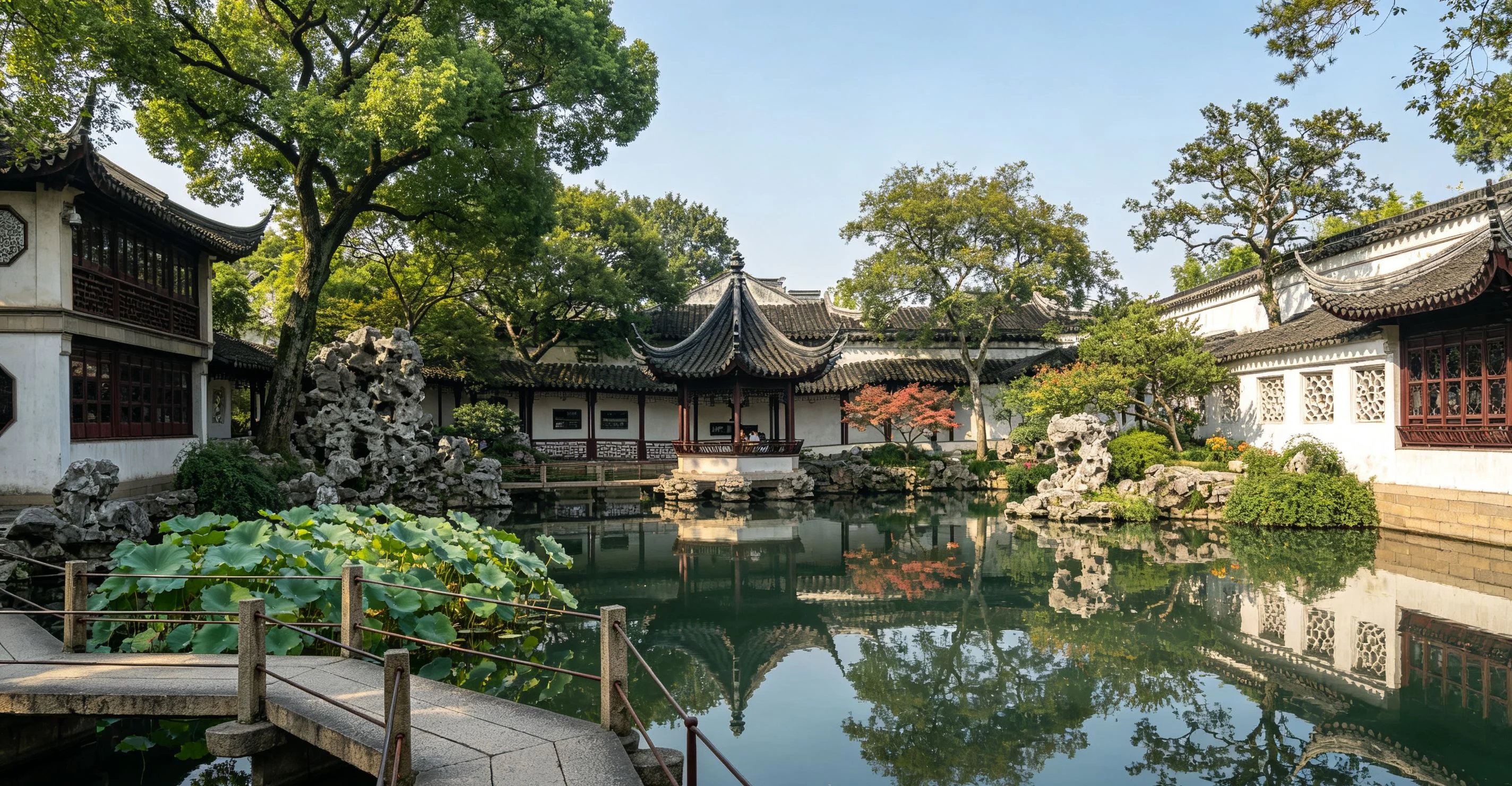
Built at the end of the 19th century, Yi Garden is the "youngest" of all the gardens, and thus it has absorbed the strengths of its predecessors. The garden is not large, but it is exquisite and compact, with covered corridors, rockeries, ponds, and a plum grove. The most unique feature is the dozens of calligraphic stone carvings inlaid on the corridor walls, from Wang Xizhi to Mi Fu, covering all styles of calligraphy, including regular script, cursive script, official script, and seal script, which are known as the "Yi Garden Calligraphy Collection".
Opening Hours: 7:30 AM – 5:00 PM
Ticket Price: 15 RMB (Adults only)
Recommended visit duration: 1-2 hours (can be extended to 2.5 hours if you wish to listen to Pingtan (a traditional Suzhou storytelling performance).
Best season: Autumn (October-November) when the ginkgo leaves turn golden, creating the most vibrant colors in the garden.
Nearby attractions: Yiyuan Garden is located in the city center, just one street away from Guanqian Street (a pedestrian shopping street), offering shopping and dining options. It's only 2-3 subway stops from Lingering Garden or Humble Administrator's Garden.
7. Couple's Garden(耦园) – A love-themed, unique wedding registration center.
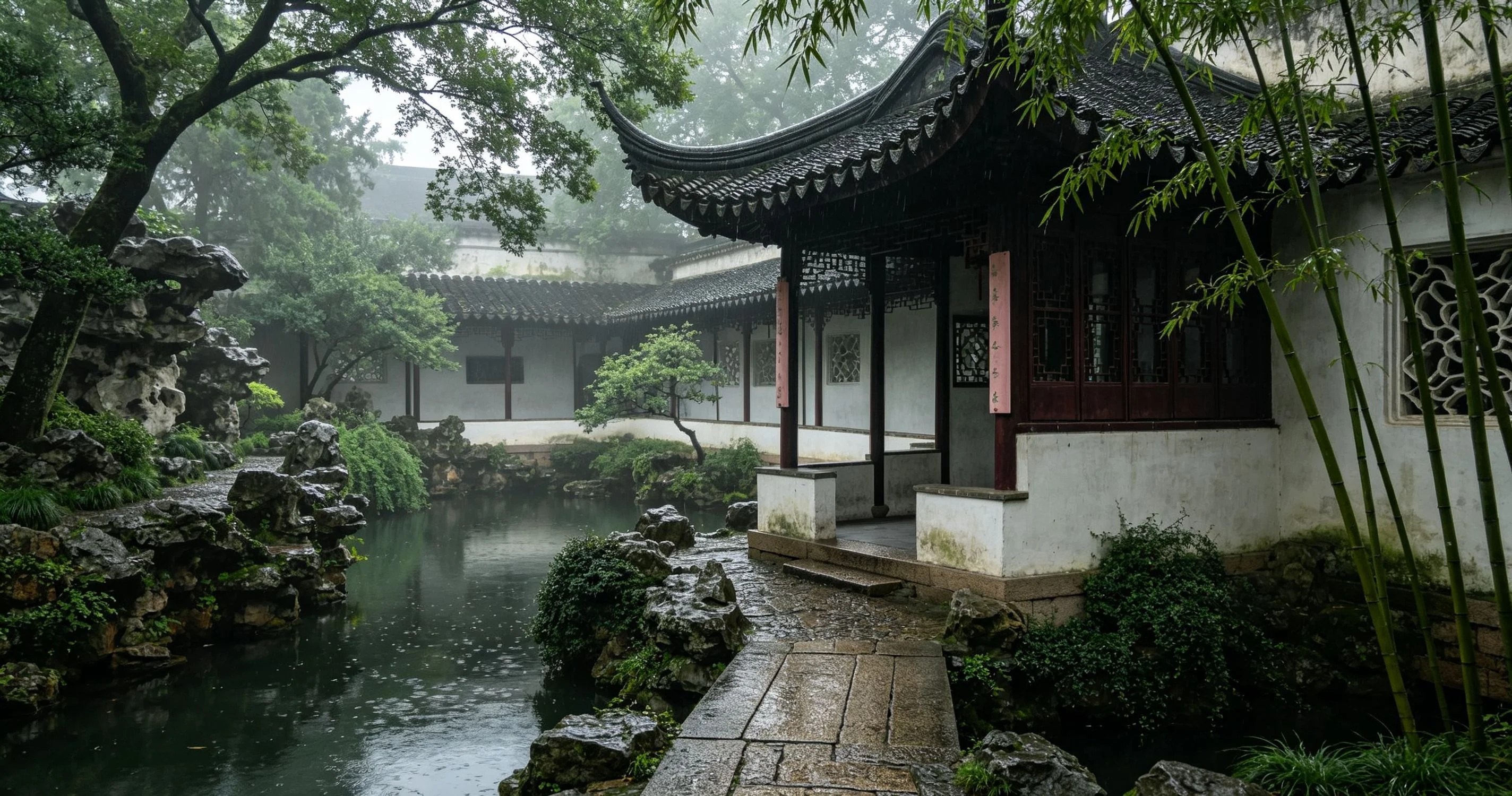
The "耦" in Ou Garden is a homophone for "偶" (ǒu), meaning "couple," symbolizing a life of companionship and togetherness. During the Tongzhi era of the Qing Dynasty, the garden's owner, Shen Bingcheng, and his wife, Yan Yonghua, lived in seclusion here, enjoying the moon in the east garden and playing the zither in the west. The garden consists of two sections, one on the east and one on the west, connected by a central residence, resembling two sections of a lotus root.
Now, Ou Garden houses the Gusu District Marriage Registration Office, where newlyweds take photos daily in traditional Chinese wedding attire.
Opening Hours:
7:30 AM – 5:00 PM
Ticket Prices:
Peak Season (March-October): Adults 25 RMB, Concession Tickets 12.5 RMB
Off-Season (November-February): Adults 20 RMB, Concession Tickets 10 RMB
Recommended visit duration: 1-2 hours.
Best season: Spring (March-April) when magnolias bloom, creating the most romantic atmosphere.
Nearby attractions: Couple's Garden is adjacent to the Pingjiang Road historical district, with waterways and stone bridges right outside, allowing for seamless connections to shopping and boat rides.
The marriage registration office is only open on weekdays, but visitors are free to take photos in the park.
8. Keyuan Garden(可园) – A tranquil and scholarly garden.
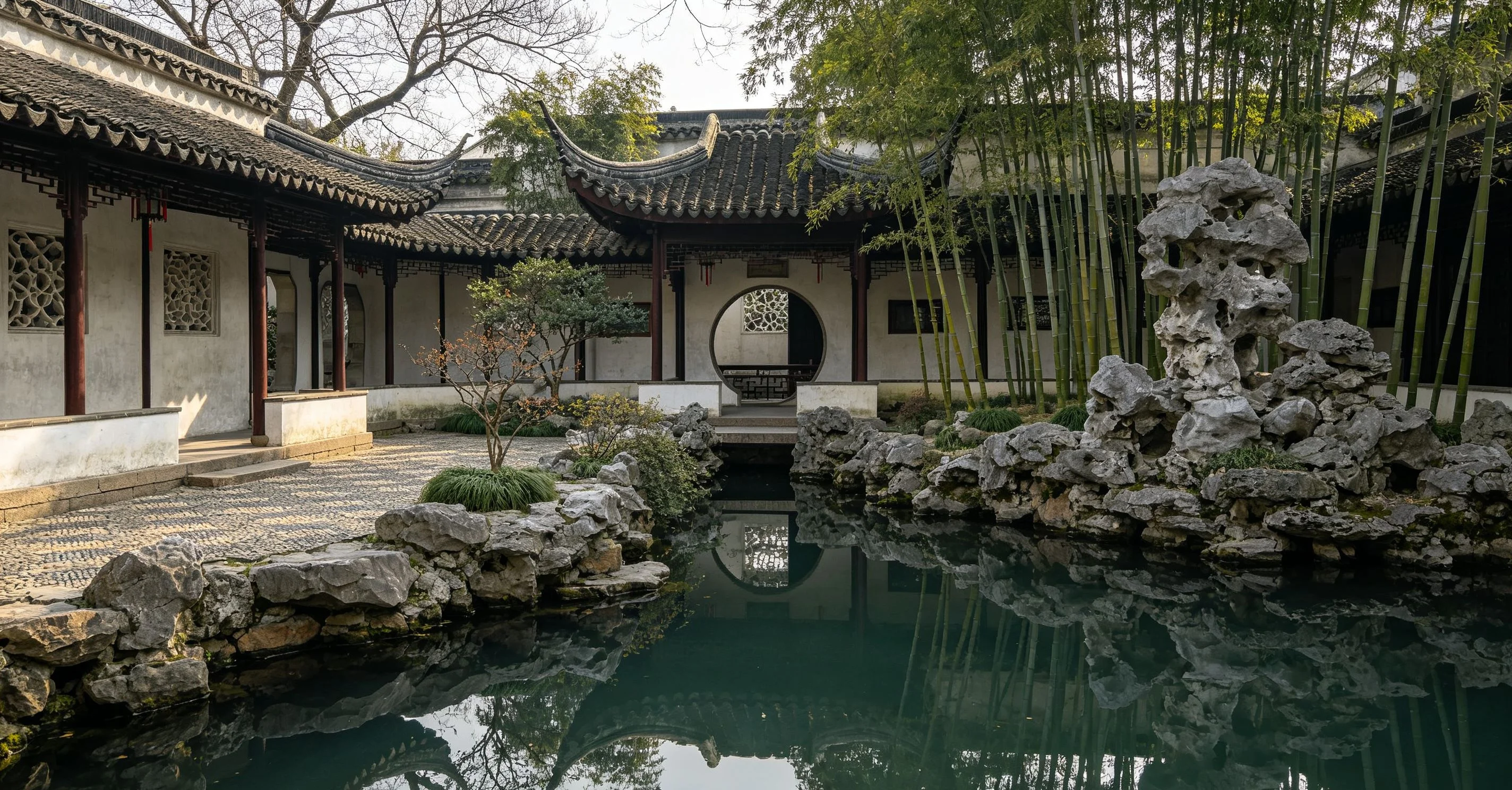
Keyuan Garden is the only garden in Suzhou that has survived to this day as an academy. It was part of the Confucian Temple during the Song Dynasty and became Zhengyi Academy during the Qing Dynasty, nurturing many scholars who passed the imperial examinations. It is connected to the adjacent Suzhou Confucian Temple (commemorating Confucius) and can be visited together to learn about the education system of ancient China.
Opening Hours:
7:30 AM – 5:00 PM (Year-round)
Ticket Prices:
Peak Season (March–October): Adults 25 RMB, Concession Tickets 12.5 RMB
Off-Season (November–February): Adults 20 RMB, Concession Tickets 10 RMB
Recommended visit duration: 1 hour is sufficient (approximately 2 hours combined with the Confucius Temple).
Best season: Winter is the most picturesque time when plum blossoms are in bloom, but spring and autumn are also pleasant.
Surrounding area combination: Keyuan Garden and Canglang Pavilion face each other across the river, only a 3-minute walk across the bridge. Therefore, it is highly recommended to combine these two gardens into a half-day tour—first Keyuan Garden, then Canglang Pavilion, with a break at a riverside café in between.
General Travel Tips
Language: Multilingual audio guides are available at the Humble Administrator's Garden, Lingering Garden, and Master of the Nets Garden (rental fee approximately 20-40 RMB), with English versions available.
Payment: Most gardens accept Alipay/WeChat, but binding foreign credit cards is complicated; it's recommended to bring a small amount of cash (RMB cash is accepted at ticket windows).
Reservations: Reservations are required for night tours and the Suzhou Museum; during peak season, it's best to purchase tickets for the Humble Administrator's Garden and Lingering Garden one day in advance, otherwise visitor limits may apply.
Accessibility: Wheelchair access is possible on the main paths of the major gardens, but not in areas with artificial hills or narrow bridges and staircases. Keyuan Garden and Yiyuan Garden have relatively flat terrain.
Clothing: Suzhou summers are hot and rainy, bring an umbrella; winters are damp and cold, wear warm, waterproof shoes.
Photography: Non-commercial photography is allowed within the gardens, but drones are prohibited (flying is completely prohibited within the scenic area).
Food: There are snack stalls near the exits of each garden, but generally only tea is available inside; it's recommended to eat before entering or bring small snacks (but do not eat indoors).
Note: This article provides general cultural guidance. Individual experiences may vary. Always approach cultural learning with an open mind.