Trip Planning Guide
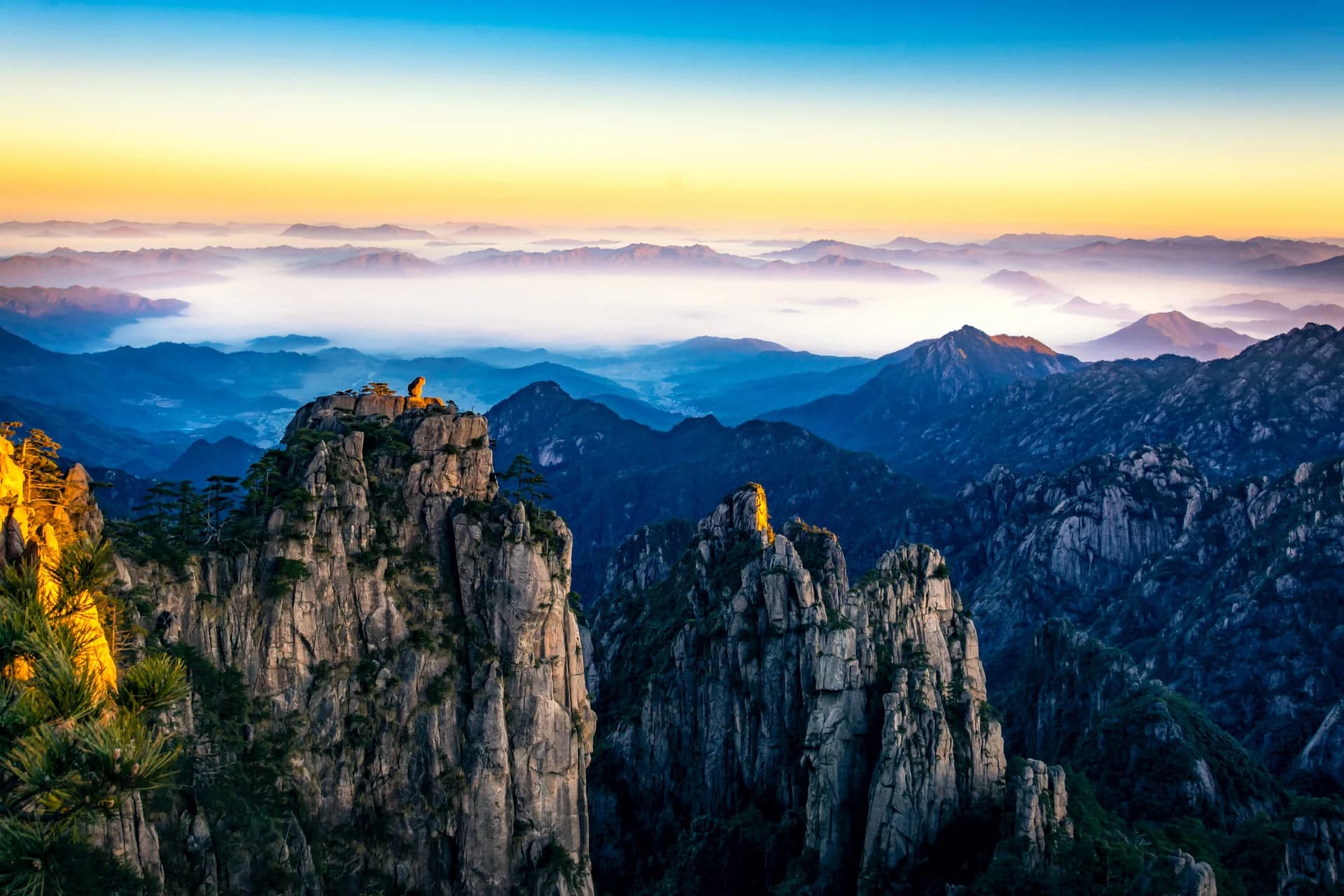
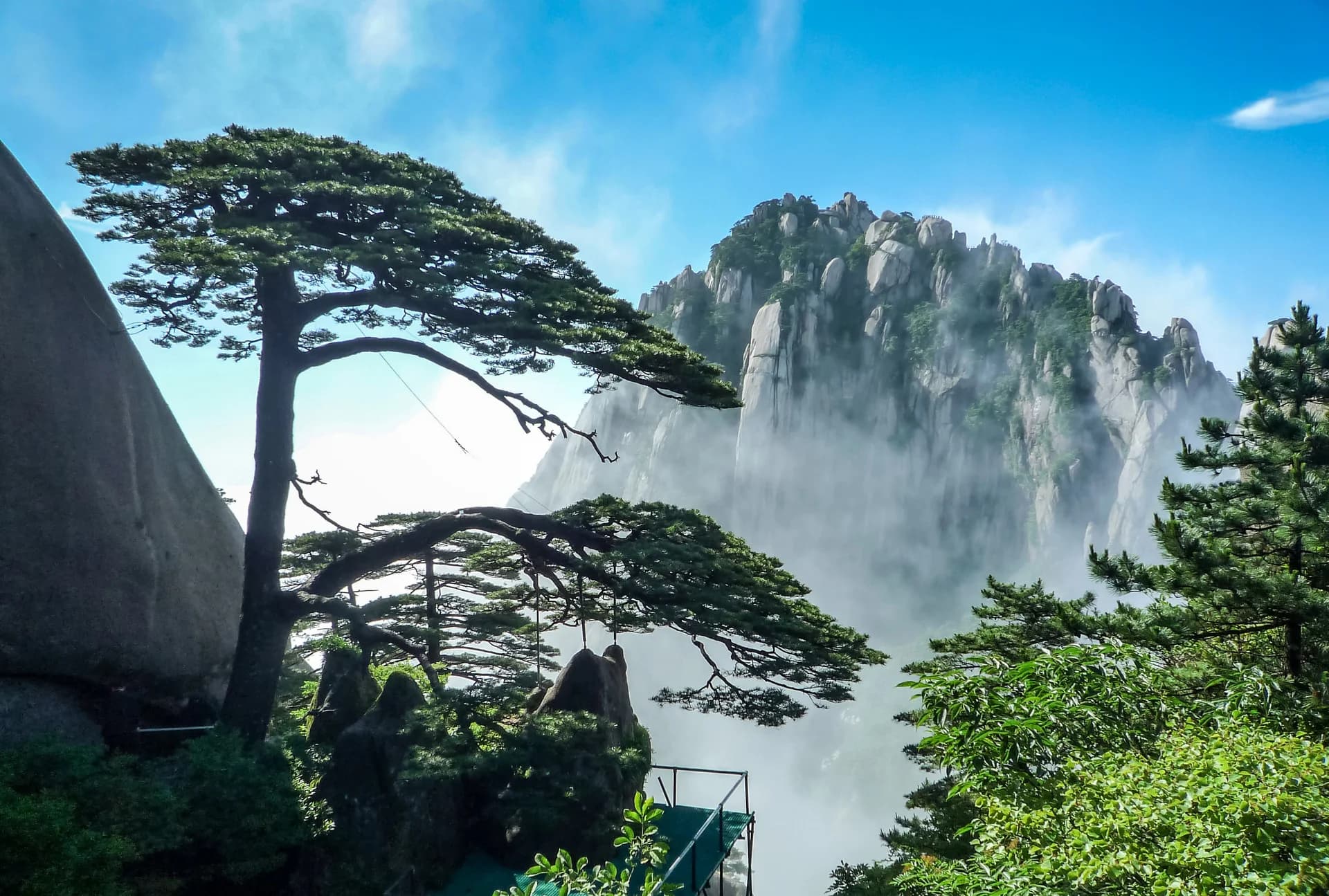
Huangshan works well for travelers who enjoy walking, landscape photography, and mountain scenery but do not necessarily want a long wilderness trek. The main challenge is arranging the trip so that transfers, walking time, weather, and accommodation work together.
For a one-day visit, focus on a compact section of the scenic area. A two-day plan is more comfortable: arrive near the mountain base, enter the scenic area early the next day, and keep enough time for the main ridges and viewpoints. Three days is better if you want to combine the mountain with Hongcun or Xidi, or prefer a slower pace.
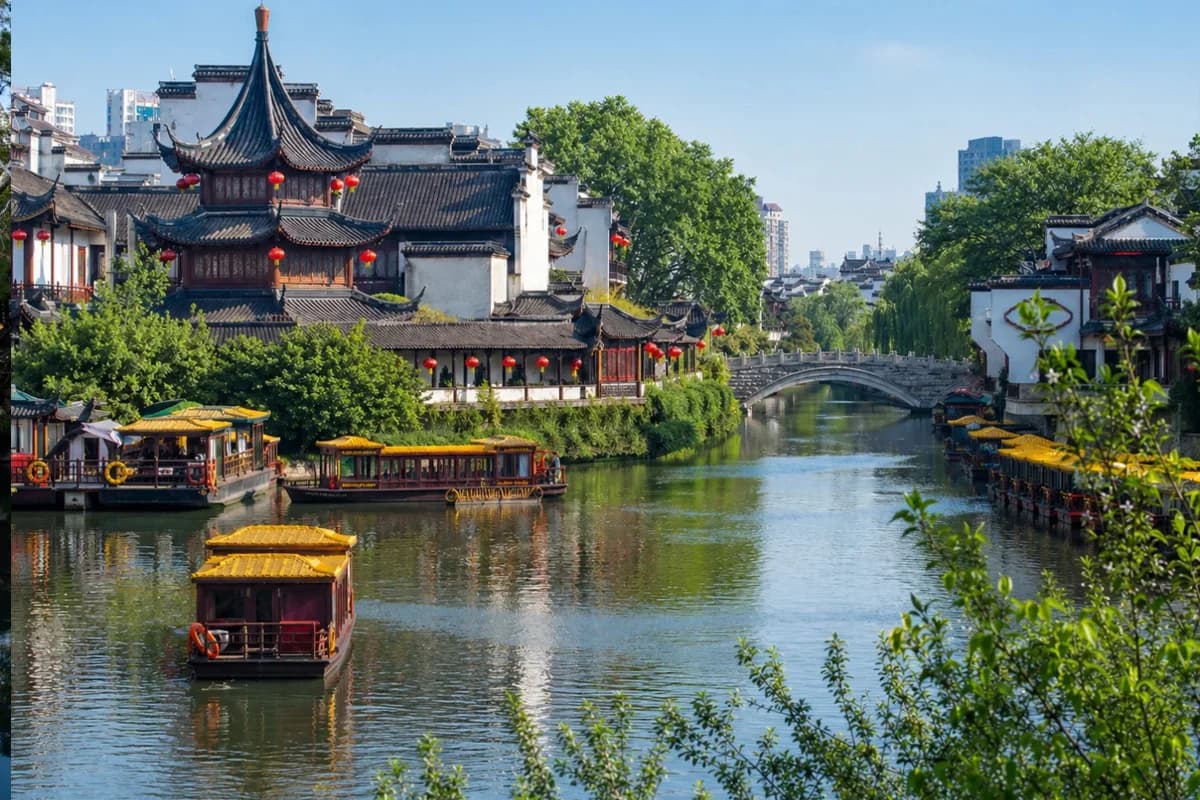
Tangkou is usually the simplest overnight base for a mountain-focused itinerary. Tunxi is more useful when you arrive late, leave early, or want access to rail, airport, restaurants, and Tunxi Old Street. Staying on the mountain can make sunrise or sunset easier, but it usually costs more and gives you fewer dining choices.
Route planning should follow your energy level and the forecast. Steep steps, uneven surfaces, and long downhill sections can make a route feel harder than the distance suggests. If rain is expected, waterproof layers and shoes with reliable grip are more valuable than trying to complete every viewpoint.
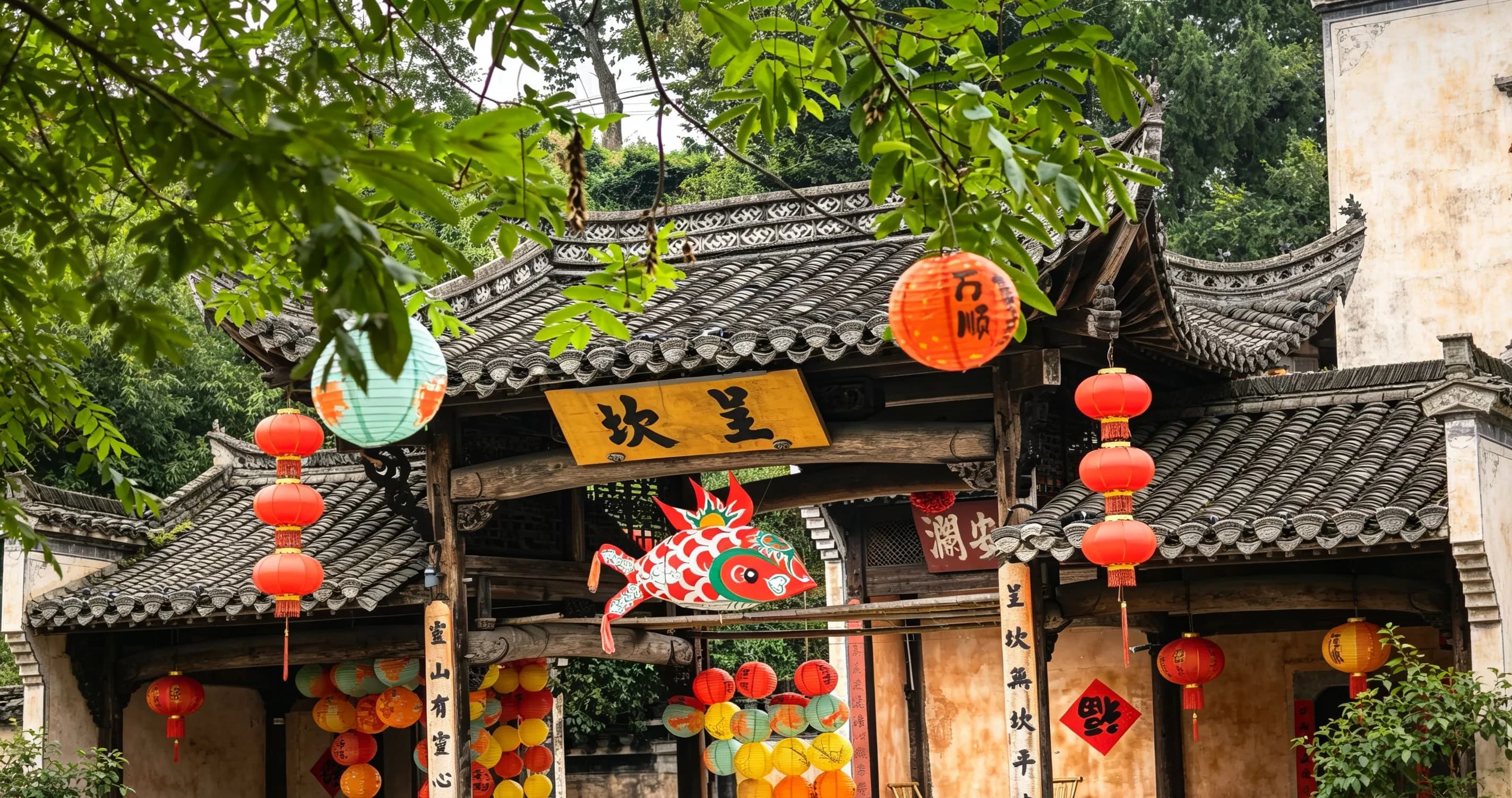
Hongcun is usually the easier village to choose for a first visit because it has a larger area to explore. Xidi is quieter and works well for travelers who prefer a smaller village atmosphere. Plan them as a separate day rather than adding them after a full mountain route.
Before leaving, confirm scenic-area tickets, shuttle arrangements, cableway operation, weather, and any temporary closures through official channels.
Food & Dining Guide
Huangshan is a good place to try Huizhou cuisine, which uses robust flavors, preserved ingredients, tofu, mountain vegetables, and pork. Look for stinky mandarin fish, hairy tofu, braised pork with dried bamboo shoots, seasonal mountain vegetables, and Huangshan baked flatbread. Stinky mandarin fish has a strong fermented aroma, so ask about the preparation before ordering. Tangkou is convenient for meals before and after a mountain visit. Hongcun and Xidi are better for a slower village lunch, although menus and prices vary. Food choices on the mountain are more limited and usually more expensive, so carry water and small snacks for longer walking sections. Check current menus and prices locally, especially during holidays.
Getting There & Around
The most practical arrival points are Huangshan North Railway Station, Huangshan Tunxi International Airport, and Tunxi city center. High-speed rail is often useful for travelers arriving from larger cities in eastern China. Huangshan North is not the same place as the mountain entrance, so most visitors still need a local transfer to Tangkou or another accommodation base. Tangkou is the main planning base for Huangshan Mountain, while Tunxi is more suitable for an overnight stop, rail connections, and city services. Access to the mountain normally involves a scenic-area transfer arrangement before the cableway or hiking section begins. Confirm the current transfer point, ticket requirements, and operating hours before travel because procedures can change. For a Huangshan-and-villages itinerary, a private transfer may save time compared with arranging several separate local rides. Public transport can reduce cost but may require more waiting and less flexibility.