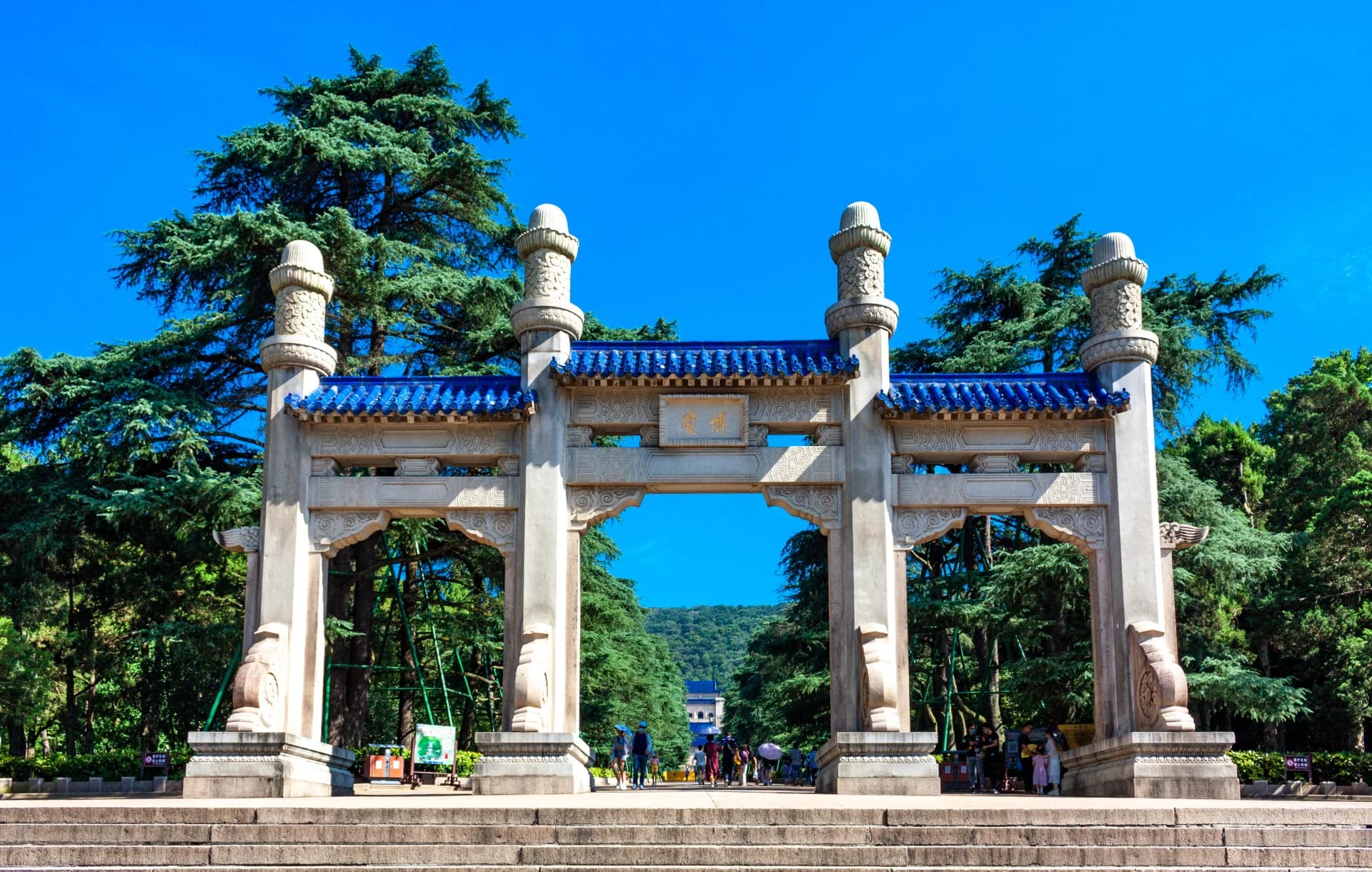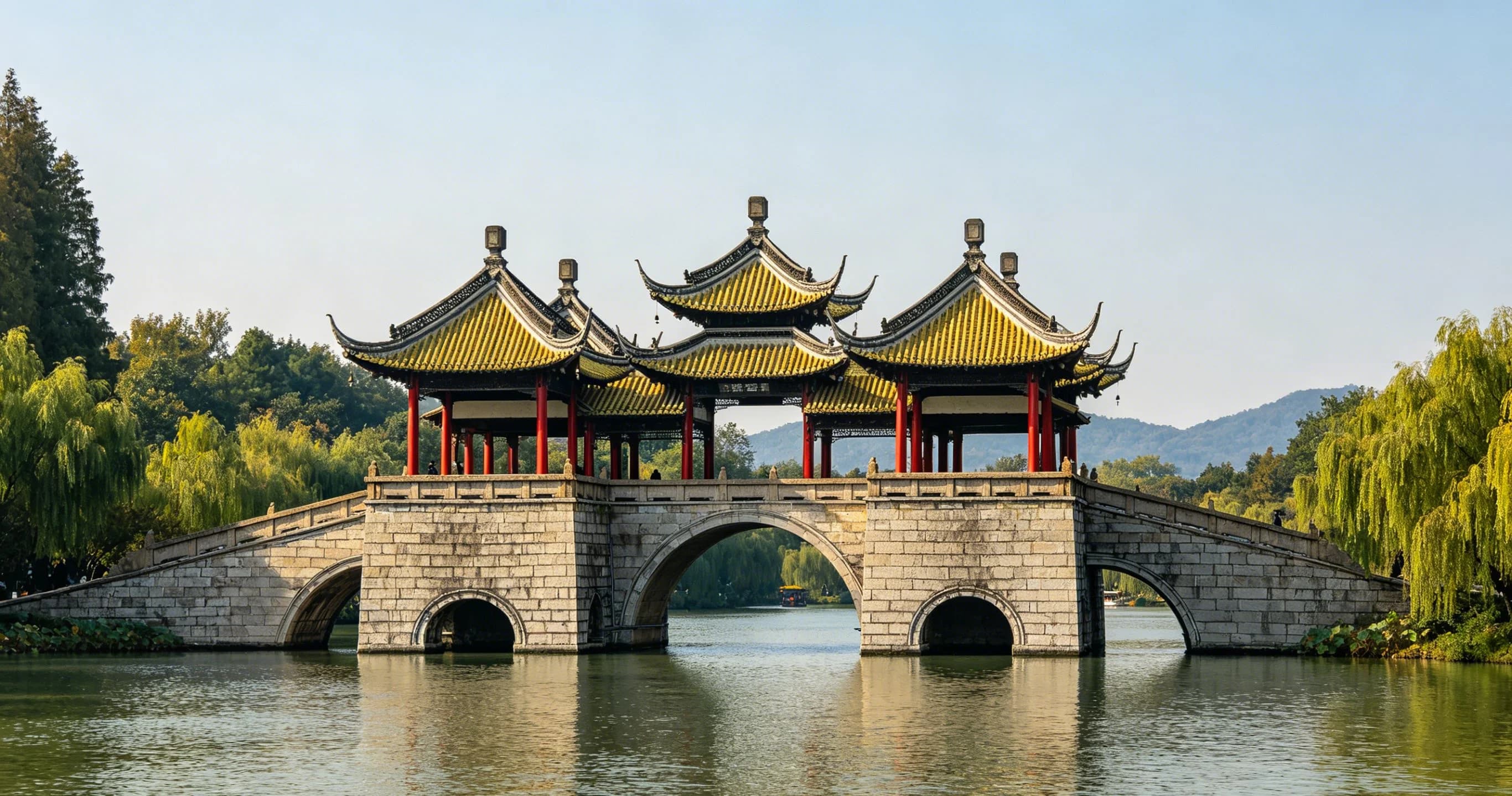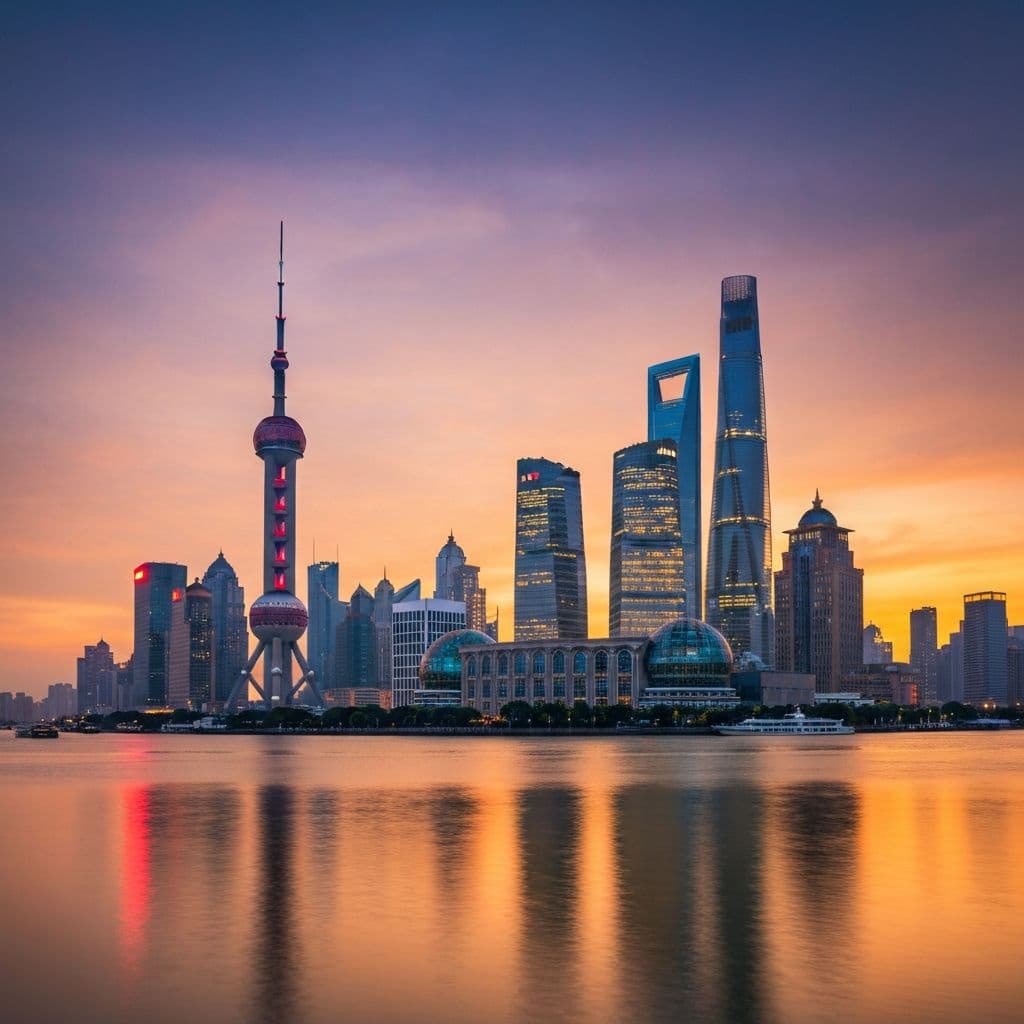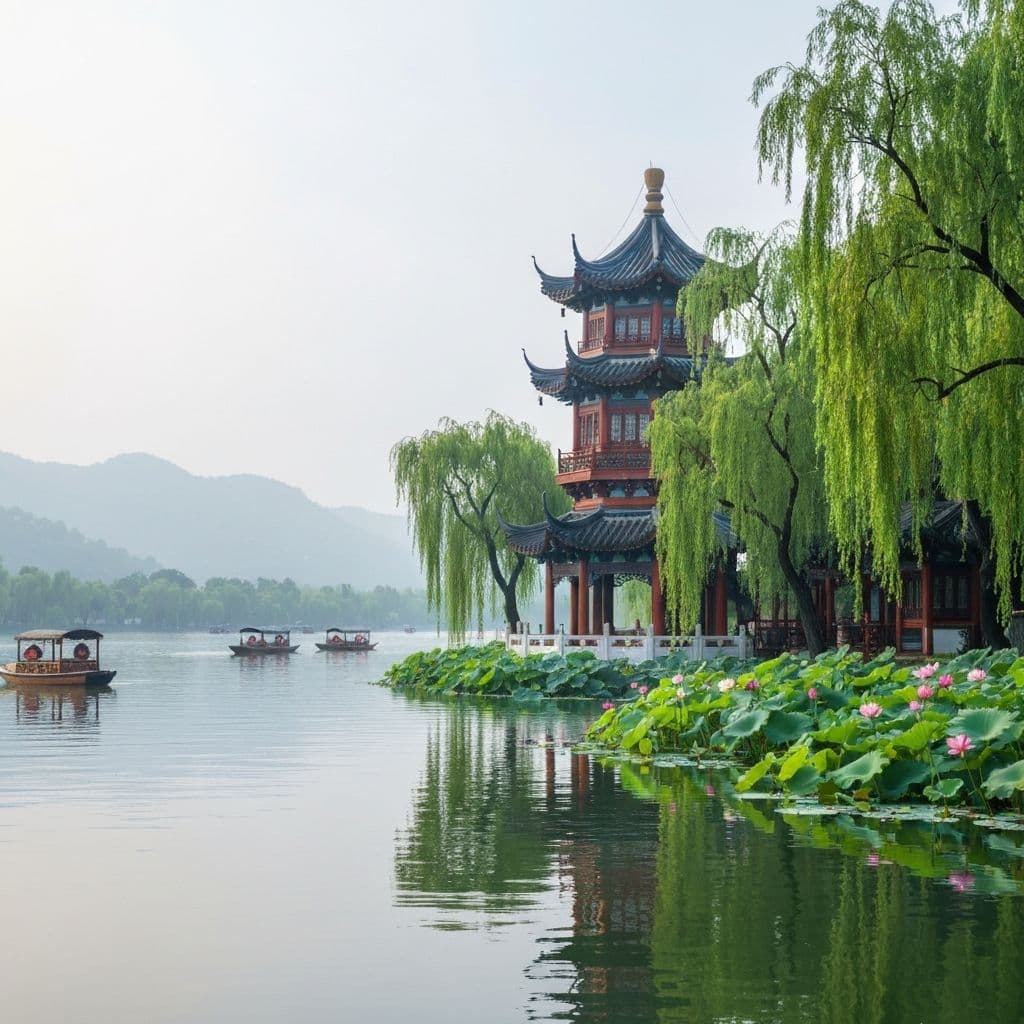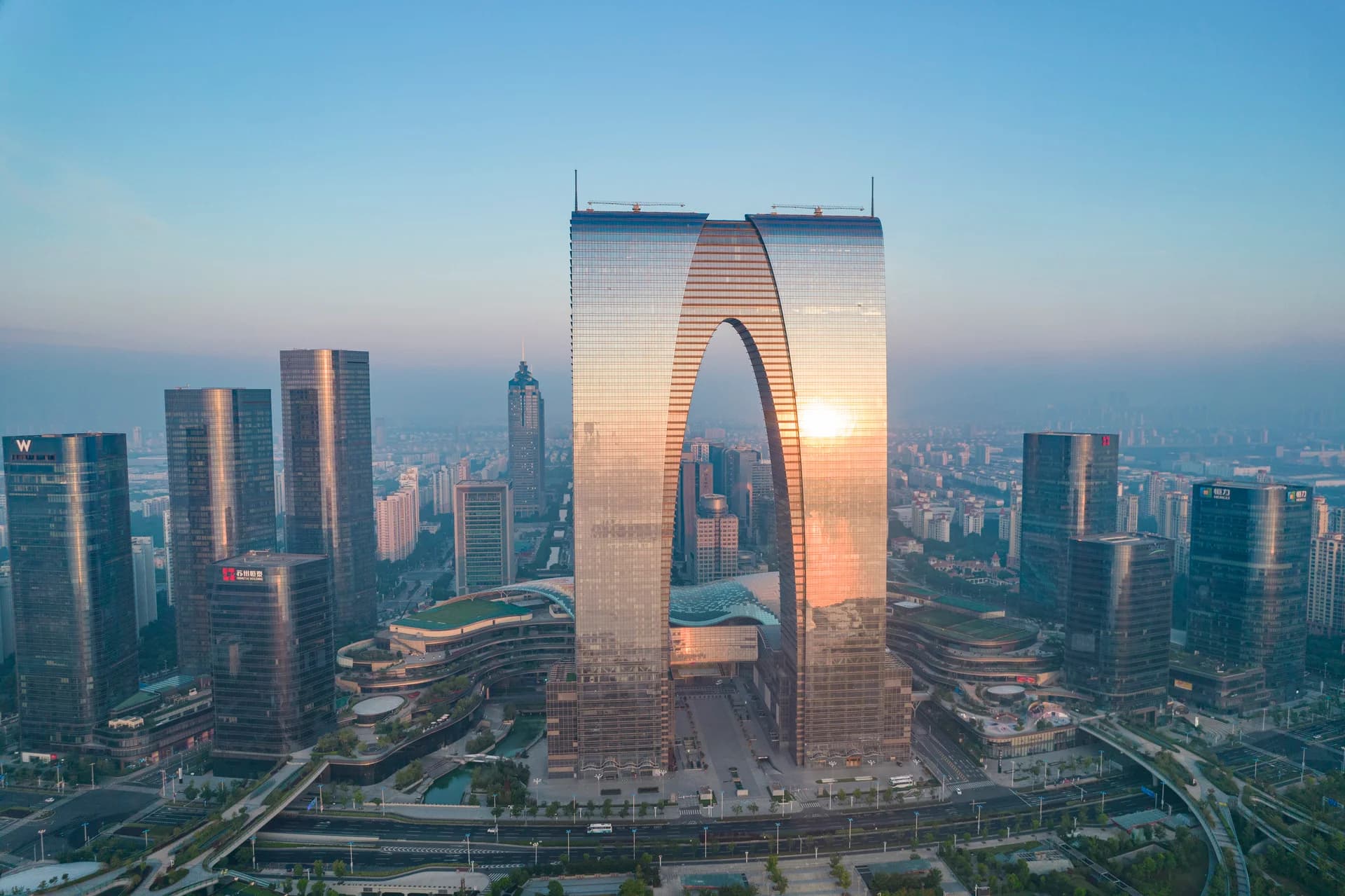
east China
Suzhou
Is Suzhou worth 2–3 days? Classical gardens, canals, and easy side trips
Best time: March-May to September-November
2 days suggested
4 highlights
Why Visit Suzhou
Plan a Suzhou trip with classical gardens, Pingjiang Road, canal streets, local food, tea houses, transport tips, and easy routes for first-time visitors.
Top Highlights
Canal-night route: walk Shantang Street after 6 pm, then take a short canal cruise if operating; budget ¥120–180 for dinner and snacks, and go on a weekday to avoid the heaviest domestic-tour crowds.
Silk and crafts focus: combine the Suzhou Silk Museum with Master of the Nets Garden and a Pingtan performance in the evening for a culture-heavy day that is more useful than trying to squeeze in too many similar gardens.
Family-friendly green space: spend a lighter afternoon at Jinji Lake and Suzhou Center in SIP if you need stroller-friendly paths, cafés, and modern facilities after a morning in historic lanes.
Short-trip strategy: if you only have one full day, skip distant water towns and focus on one top garden, one old street, and one evening canal area instead of rushing across the city.
Must-See Attractions
11 attractions to explore in Suzhou
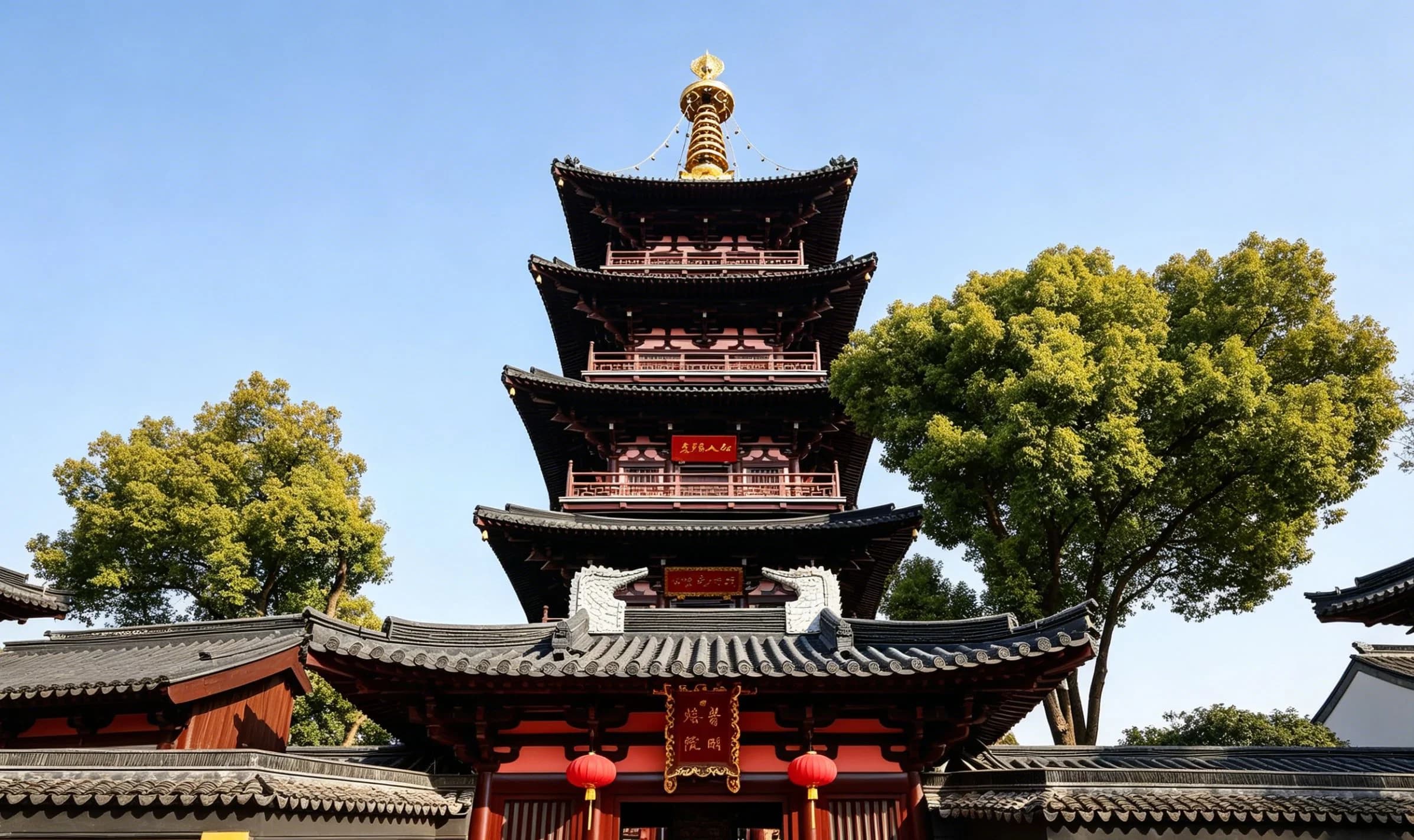
Hanshan Temple
Discover Hanshan Temple in Suzhou with essential facts on history, architecture, and visiting tips to plan a memorable cultural stop in China. Learn more.
natural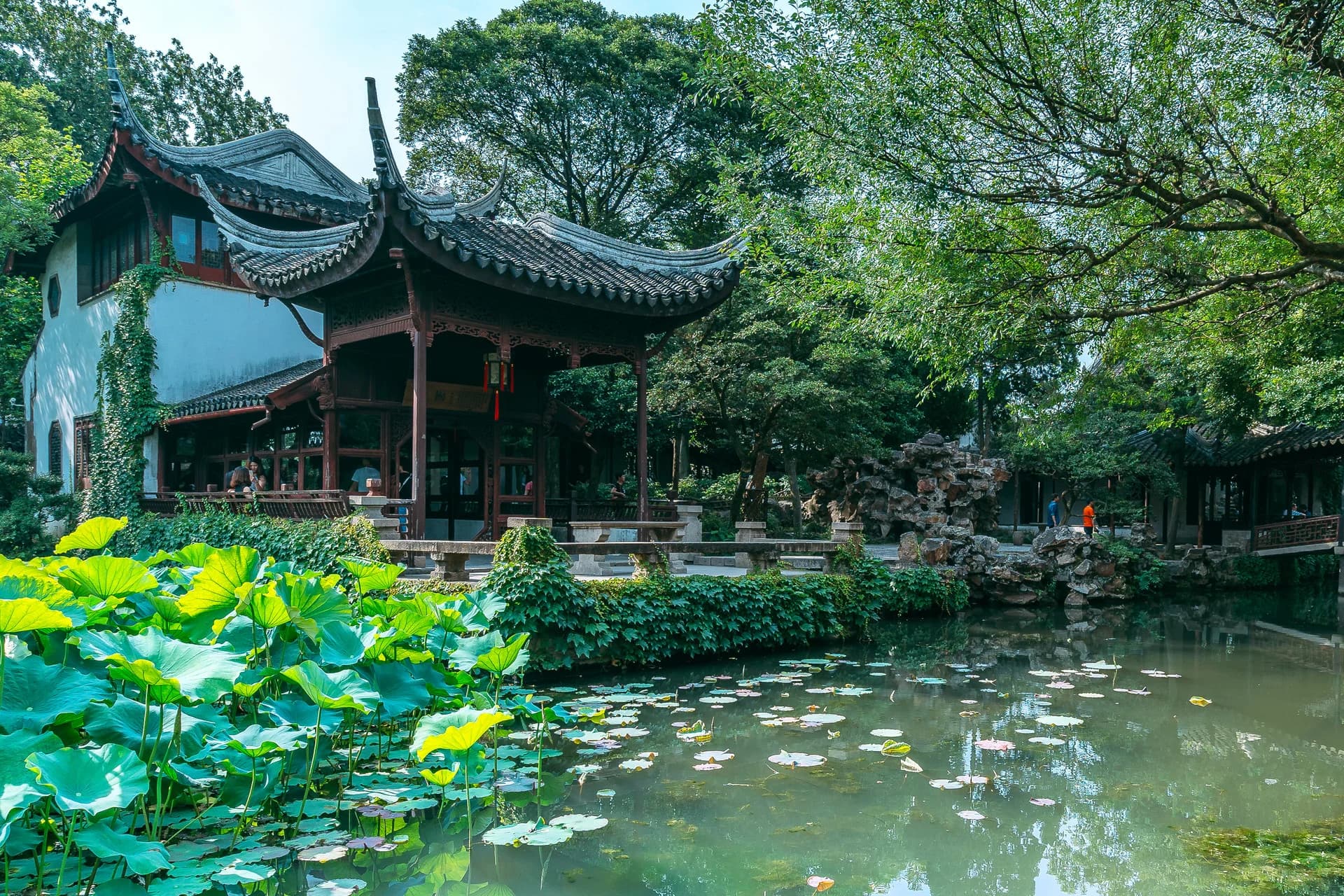
Humble Administrator's Garden
Explore the Humble Administrator’s Garden in Suzhou, with highlights, best visiting time, route tips, ticket advice, and practical travel suggestions.
natural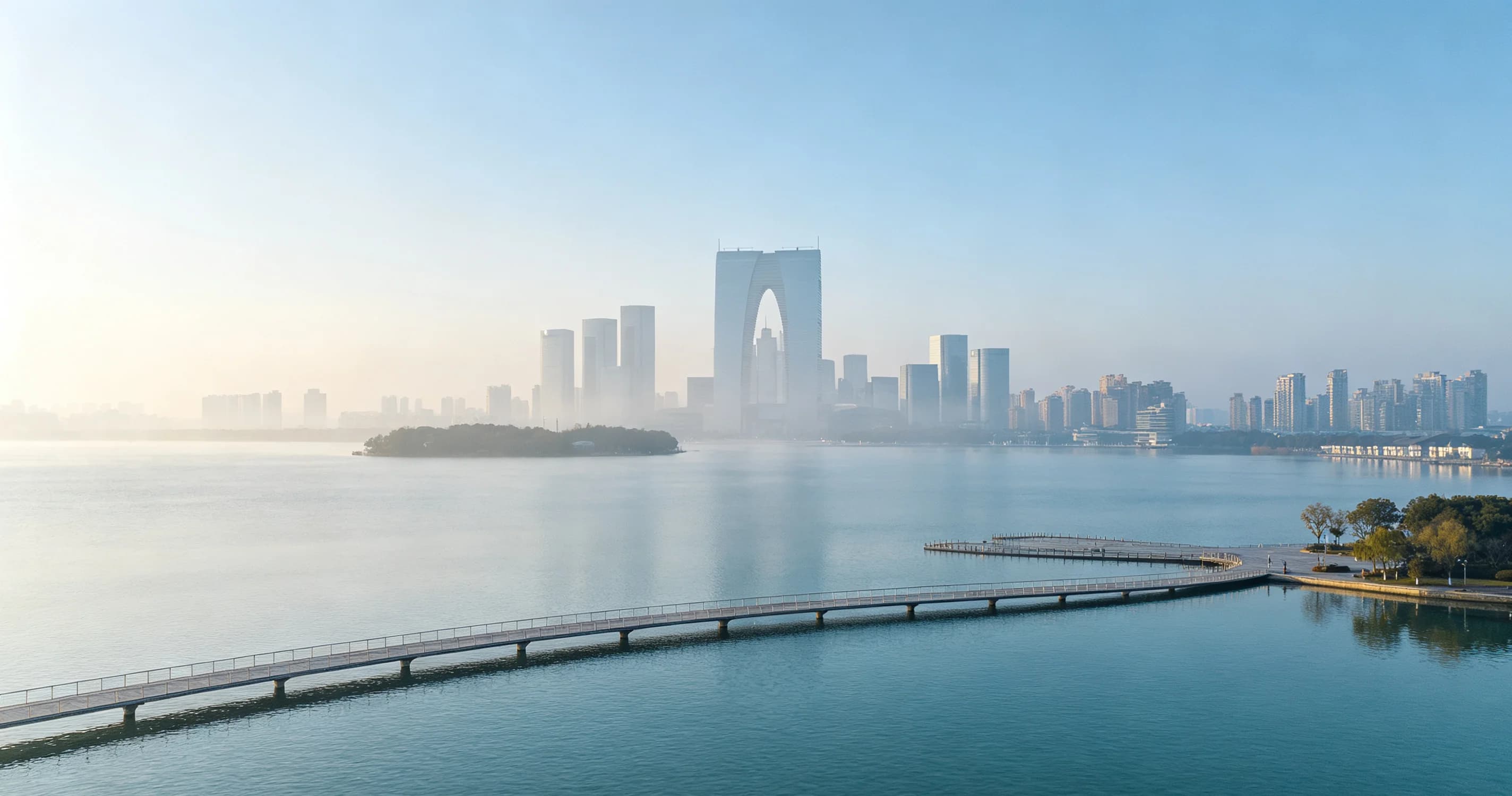
Jinji Lake
Discover Jinji Lake in Suzhou, with scenic waterfront views, boat cruises, shopping, dining, and nightlife. Plan your visit with this detailed guide now.
modern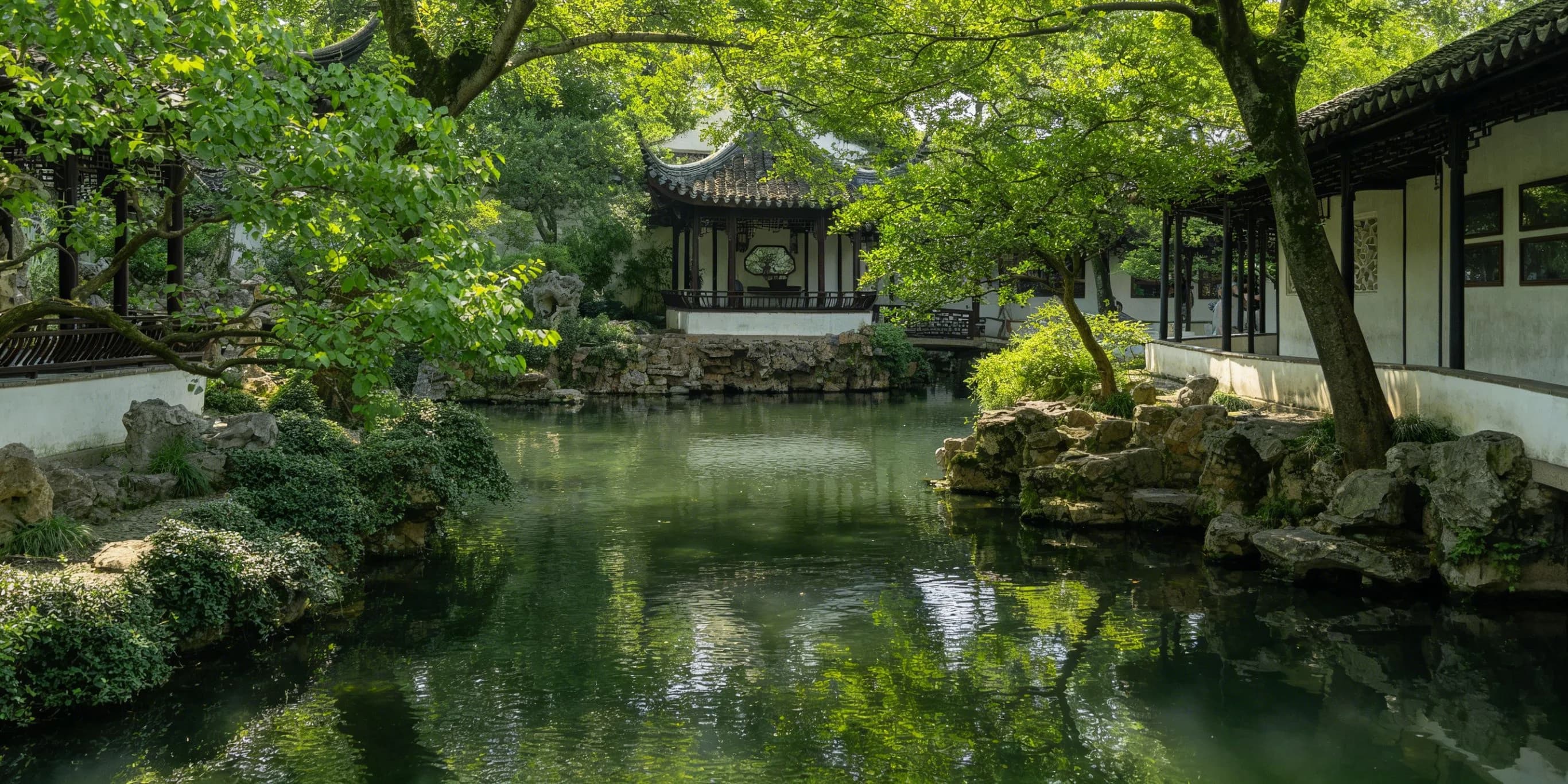
Lingering Garden
Explore Lingering Garden, a classic Suzhou garden and UNESCO World Heritage Site, boasting elegant halls, rockeries, and tranquil ponds. Plan your trip.
natural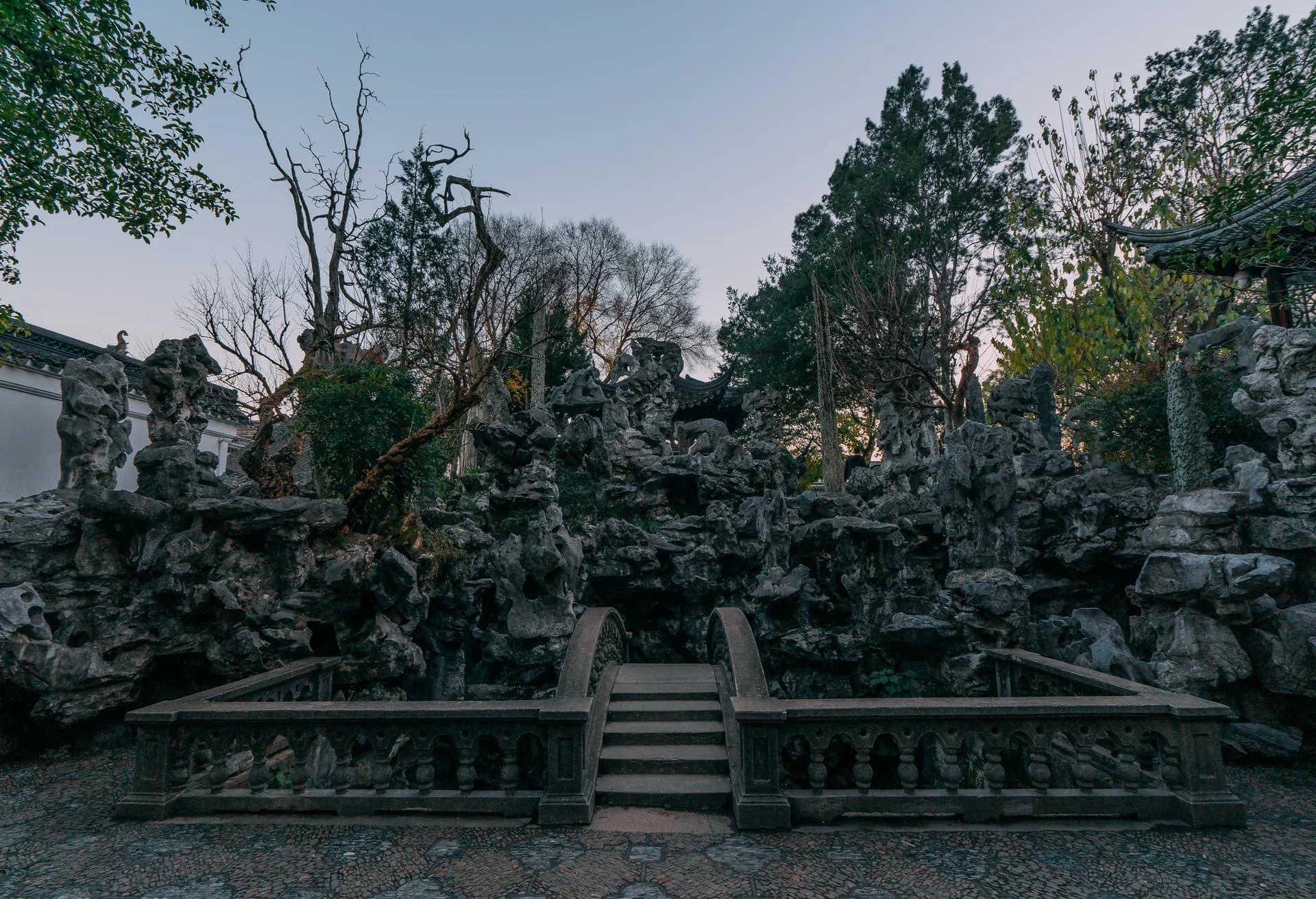
Lion Grove Garden
Explore Lion Grove Garden in Suzhou, famed for rockeries, bamboo groves, and Ming-style beauty. Discover visitor tips, highlights, and history today .
naturalTrip Planning Guide
Suzhou's greatest appeal lies in its classical gardens, waterways, white-walled and black-tiled houses, teahouses, Suzhou storytelling (Pingtan), and the authentic Jiangnan lifestyle. For first-time visitors to China or foreign tourists traveling from Shanghai, Suzhou is an excellent stop on a cultural tour of East China. Who is Suzhou suitable for? Suzhou is suitable for people who enjoy culture, architecture, photography, and slow-paced travel. It's especially suitable for: First-time visitors to Jiangnan: A quick way to understand Chinese water town and garden culture. For those taking a short trip from Shanghai: Convenient transportation, about 30 minutes by high-speed rail. For those who enjoy photography and strolling through the streets: Gardens, stone bridges, and waterways are perfect for taking pictures. For those who appreciate traditional Chinese aesthetics: Gardens, teahouses, Suzhou storytelling (Pingtan) performances, and old streets are highly representative. How many days should I spend in Suzhou? 1 day: Suitable for a day trip from Shanghai, including the Humble Administrator's Garden, Suzhou Museum, and Pingjiang Road. 2 days 1 night: Highly recommended for first-time visitors, allowing you to see gardens, waterways, night views, and teahouses. 3 days 2 nights: Suitable for a slower pace, allowing you to add visits to the Lingering Garden, Shantang Street, Tiger Hill, or nearby ancient towns. For most foreign tourists, a 2-day, 1-night itinerary is ideal for Suzhou. It offers ample time and allows you to experience the gardens during the day and the waterways at night. How are Suzhou's main areas grouped? 1. Classical Garden Area Representatives: Humble Administrator's Garden, Lingering Garden, Lion Grove Garden Suitable for first-time visitors to Suzhou. Gardens are the core cultural symbol of Suzhou. 2. Pingjiang Road / Old City Water Lane Area Suitable for leisurely strolls, taking photos, enjoying tea, and experiencing the Jiangnan-style streetscape. 3. Shantang Street / Grand Canal Night Area Suitable for evening visits. More lively here, perfect for viewing lights, waterways, bridges, and night views. 4. Suzhou Museum / Cultural Experience Area Suitable for tourists who want to understand Suzhou's history and aesthetics. What are some good combinations with Suzhou? Shanghai + Suzhou: Most convenient, suitable for a short trip to experience Jiangnan culture. Suzhou + Hangzhou: Gardens + West Lake, suitable for a classic Jiangnan itinerary. Suzhou + Wuxi: A combination of gardens, water towns, and Taihu Lake scenery. Suzhou + Tongli/Zhouzhuang: Suitable for adding more traditional water towns. Shanghai + Suzhou + Hangzhou: Suitable for a complete itinerary for first-time visitors to East China. If time is limited, a 2- or 3-day Shanghai + Suzhou combination is highly recommended. If time is limited, a 2- or 3-day Shanghai + Suzhou combination is highly recommended.
Food & Dining
Suzhou cuisine belongs to the Jiangnan style, and its overall characteristics are light, delicate, slightly sweet, and seasonal. Must-Try Dishes 1. Squirrel-Shaped Mandarin Fish: One of Suzhou's most representative dishes. The fish is fried and served with a sweet and sour sauce. Shaped like a squirrel, it has a sweet and sour flavor. Reference Price: 120–220 RMB/serving 2. Suzhou-Style Noodle Soup: Suzhou locals love noodles. The broth is clear and refreshing. Common toppings include braised pork, fried fish, shrimp, and eel paste. Where to Eat: Noodle shops in the old city, near Guanqian Street and Pingjiang Road Reference Price: 20–50 RMB/bowl 3. Sizzling Eel Paste: A classic Suzhou dish. Eel is sliced and stir-fried, then served with hot oil, giving it a distinct aroma. Reference Price: 80–150 RMB/serving 5. Pan-Fried Dumplings/Steamed Buns: Common in Suzhou and the surrounding areas of Shanghai, suitable for light meals or snacks. The outer skin is juicy; be careful not to burn your mouth when eating. Suggested Price: 10–30 RMB/serving 6. Osmanthus-Scented Lotus Root with Sugar A Jiangnan dessert, glutinous rice is stuffed into lotus root and served with osmanthus-scented sugar syrup, resulting in a soft, chewy, and sweet taste. Suggested Price: 20–50 RMB/serving Recommended Dining Areas: * Pingjiang Road: Suitable for tea, snacks, and casual restaurants. Popular with tourists, but has a great atmosphere, best enjoyed in the afternoon or evening. * Guanqian Street: Abundant restaurant and snack options, convenient transportation, suitable for first-time visitors to Suzhou. * Shantang Street: Ideal for evening dining and strolls, especially with the night view. Prices and quality vary considerably; check reviews before booking.
Getting There & Around
Suzhou does not have a large international airport, so travelers typically enter from Shanghai, Hangzhou, or Wuxi and then take the high-speed rail to Suzhou. For foreign tourists, Suzhou's transportation is not complicated; the old city is suitable for a combination of subway, walking, and taxis. How to get to Suzhou? 1. From Shanghai Shanghai is the most common starting point for entering Suzhou. High-speed rail: Shanghai Hongqiao Station → Suzhou Station / Suzhou North Station: Approx. 25–40 minutes Shanghai Station → Suzhou Station: Approx. 30–50 minutes 2. From Hangzhou High-speed rail is also a suitable option from Hangzhou to Suzhou. High-speed rail: Hangzhou East Station → Suzhou Station / Suzhou North Station: Approx. 1.5–2 hours Which major train station in Suzhou should you choose? Suzhou Station: Highly recommended for first-time visitors to Suzhou. Close to the old city, making it convenient to visit the Humble Administrator's Garden, Suzhou Museum, Pingjiang Road, and Guanqian Street. Suzhou North Station: One of the high-speed rail hubs, but it's farther from the old city. If your ticket is for Suzhou North Station, you'll usually need to take the subway or a taxi to get into the old city. Suzhou Industrial Park Station: Suitable for tourists staying near Jinji Lake or Suzhou Industrial Park. How to get around Suzhou? You can choose the subway, which costs approximately 2-8 yuan per trip; Didi/taxi is suitable for traveling with luggage or at night. Accommodation and Transportation Recommendations First-time visitor to Suzhou: We recommend staying near Pingjiang Road, Guanqian Street, or Suzhou Railway Station. This area is convenient for visiting gardens, waterways, restaurants, and the train station. For night views: Consider staying near Shantang Street or Jinji Lake. Shantang Street offers a more authentic Jiangnan waterway night view, while Jinji Lake is more modern. For high-speed rail transfers: Staying near Suzhou Railway Station is the most convenient; staying too far away is not recommended.
Frequently Asked Questions
Is 2 days enough for Suzhou?
Yes. Two days is the best baseline for first-time visitors because it gives you one full old-city day and one day for either a second garden cluster or a water-town side trip. With 2 days, most travelers can cover Humble Administrator's Garden, Suzhou Museum, Pingjiang Road, Shantang Street, and one of Lingering Garden, Tongli, or Zhouzhuang without rushing excessively.
Which is better for a day trip from Suzhou: Tongli or Zhouzhuang?
Tongli is usually the easier choice if you are staying in central Suzhou because the transfer is simpler and shorter, often around 45 to 60 minutes door to door. Zhouzhuang can feel more commercial and may involve longer transport, but some travelers prefer its scale and water-town image. If you only have half a day, choose Tongli.
Should I stay near Suzhou Railway Station or in the old city?
For most visitors, the old city or a hotel on Metro Line 1 or 4 is the better base. Suzhou Railway Station is convenient if you arrive late or leave early, but the most useful sightseeing cluster is around the northeast old city, where walking saves time. A taxi from Suzhou Railway Station to Pingjiang Road or Humble Administrator's Garden is often about 15 to 25 minutes and roughly ¥15–30 depending on traffic.
Do I need to book Suzhou gardens in advance?
For major sites such as Humble Administrator's Garden, advance booking is smart for weekends, public holidays, and peak spring and autumn dates. On quieter weekdays, same-day purchase may still work, but timed entry and queue management have become more common. Budget about ¥50–80 per major garden in 2026, with some museum admissions lower or free depending on exhibition policy.
Can I do Suzhou as a day trip from Shanghai?
Yes, but only if you keep the plan tight. High-speed trains can take about 25 to 40 minutes, so a long day trip is realistic if you focus on one core cluster such as Humble Administrator's Garden, Suzhou Museum, and Pingjiang Road. Adding a water town on the same day usually makes the itinerary inefficient.
Are Suzhou's famous gardens too repetitive if I visit several?
They can be, especially for travelers without a specific interest in classical Chinese garden design. For a first visit, two major gardens are usually enough: one can be Humble Administrator's Garden and the other Lingering Garden or Master of the Nets Garden. After that, your time is often better spent on canal streets, food, a performance, or a water-town trip.
Quick Info
- Region
- east China
- Best Time to Visit
- March-May to September-November
- Suggested Duration
- 2 days
Weather & Climate
Monthly climate overview for Suzhou
Jan1°–8°C43mm
Feb3°–10°C58mm
Mar7°–14°C80mm
Apr12°–21°C91mm
May17°–26°C94mm
Jun21°–28°C167mm
Jul26°–33°C141mm
Aug26°–33°C138mm
Sep22°–28°C91mm
Oct16°–23°C56mm
Nov10°–17°C52mm
Dec3°–10°C36mm
Best time to visit
March-May to September-November
Plan Your Trip
Need help planning your Suzhou itinerary? Get personalized travel advice from our team.
Contact Us