Trip Planning Guide
Yangzhou works best as a 2–3 day canal-garden-food stop between Nanjing and Suzhou, not as a week-long standalone city.
Who Should Visit Yangzhou
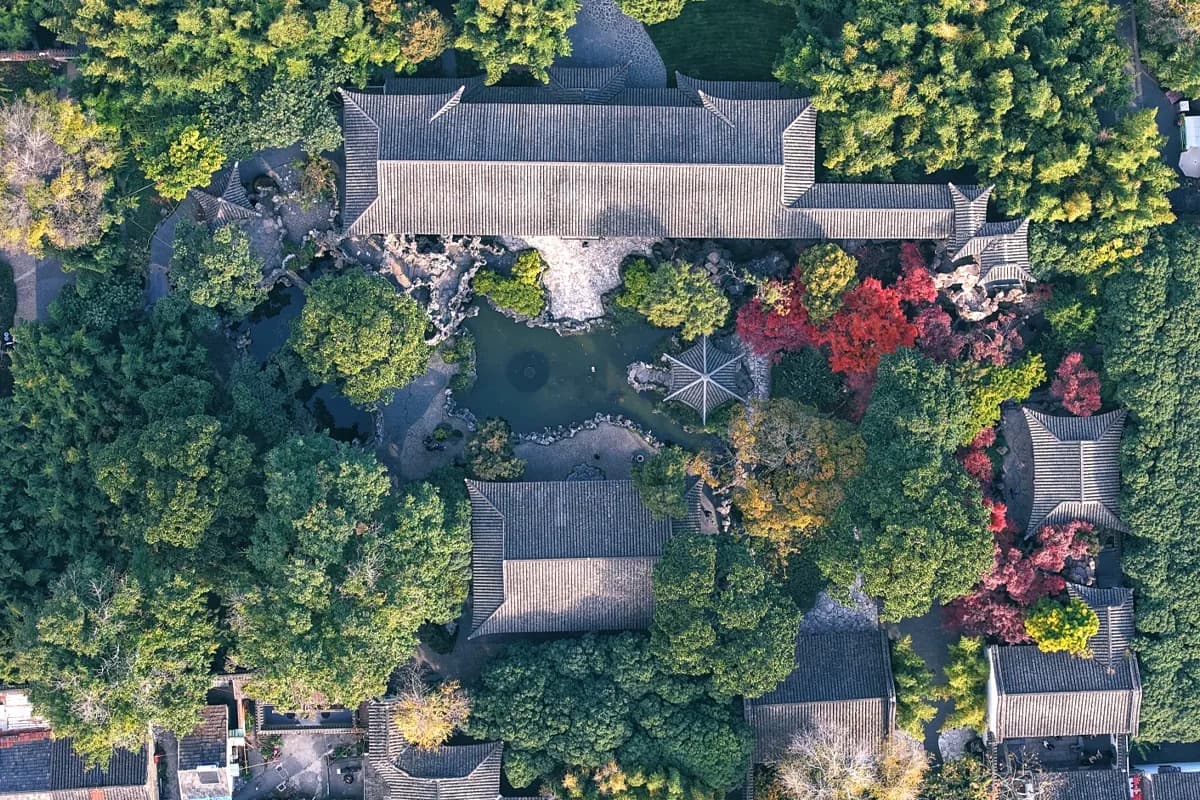
History and classical-garden travelers get the most value here because the city combines merchant-era residences, canal history, and lake scenery in a compact area. If you like Suzhou-style gardens but want something easier to navigate, Yangzhou is a strong alternative: Geyuan and He Garden are both central, and the old lanes between them are part of the experience rather than dead transit time.
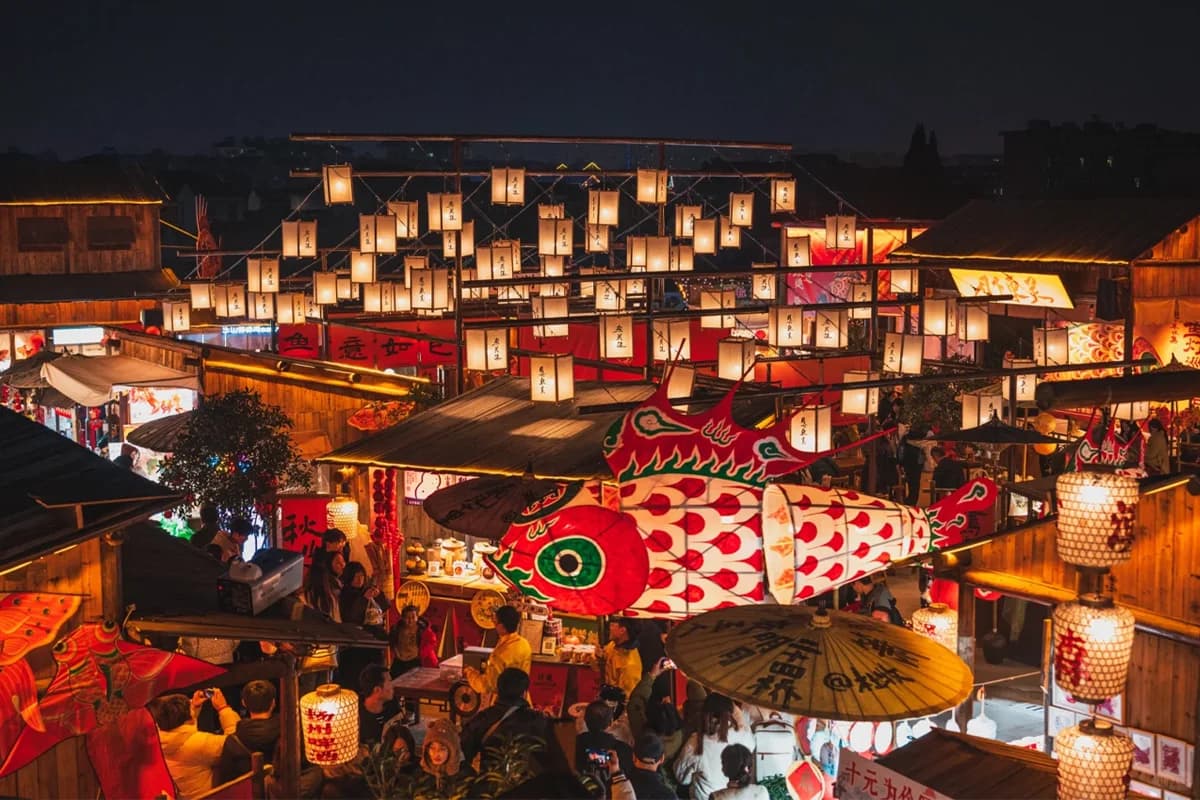
Food-focused travelers should take Yangzhou seriously. This is one of the few Chinese cities where breakfast is a headline activity, not just a necessity. Morning tea at established local institutions can easily justify an extra half day, especially if you want to compare a traditional teahouse breakfast with casual street snacks around Dongguan Street later the same day.
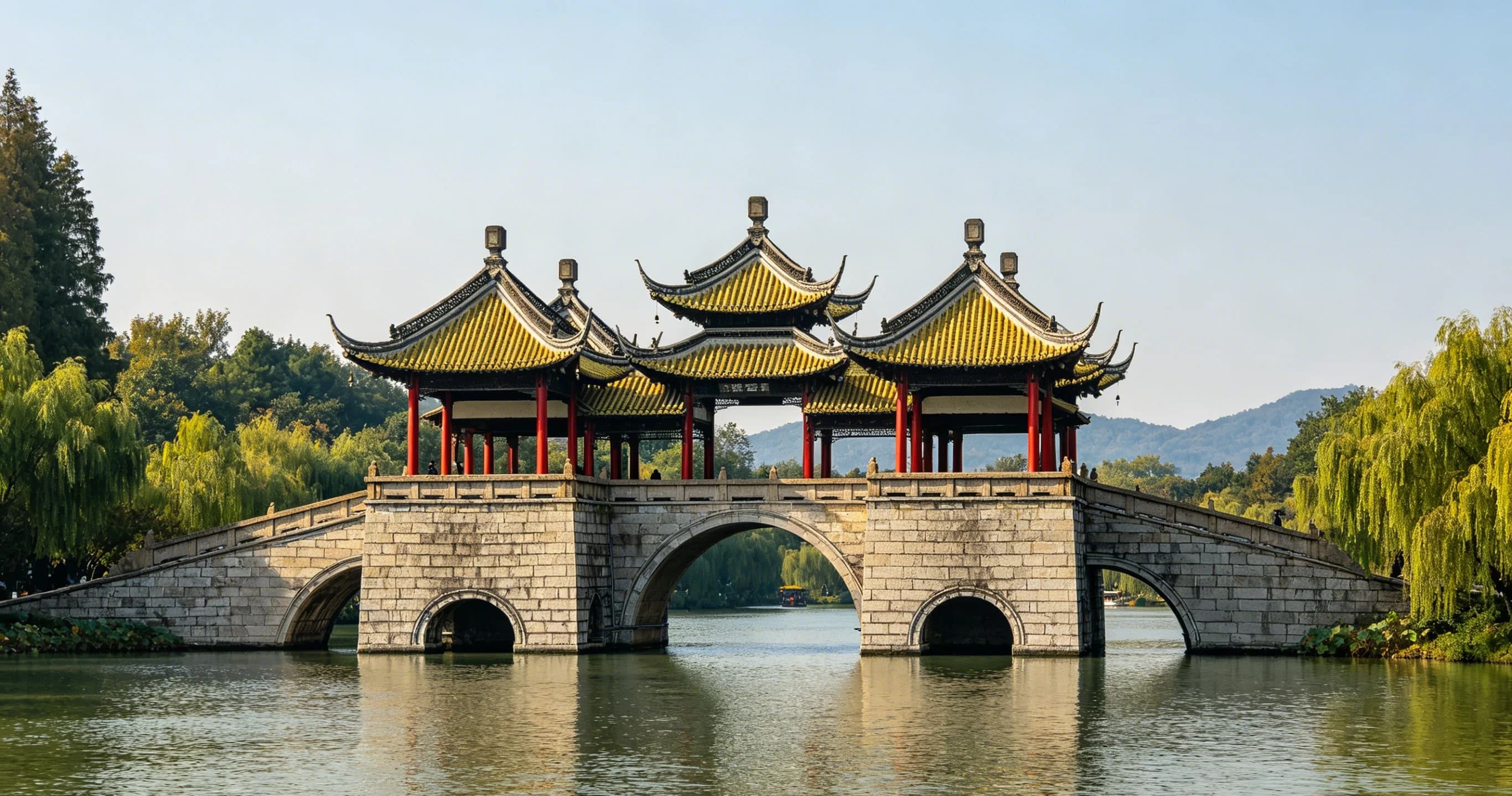
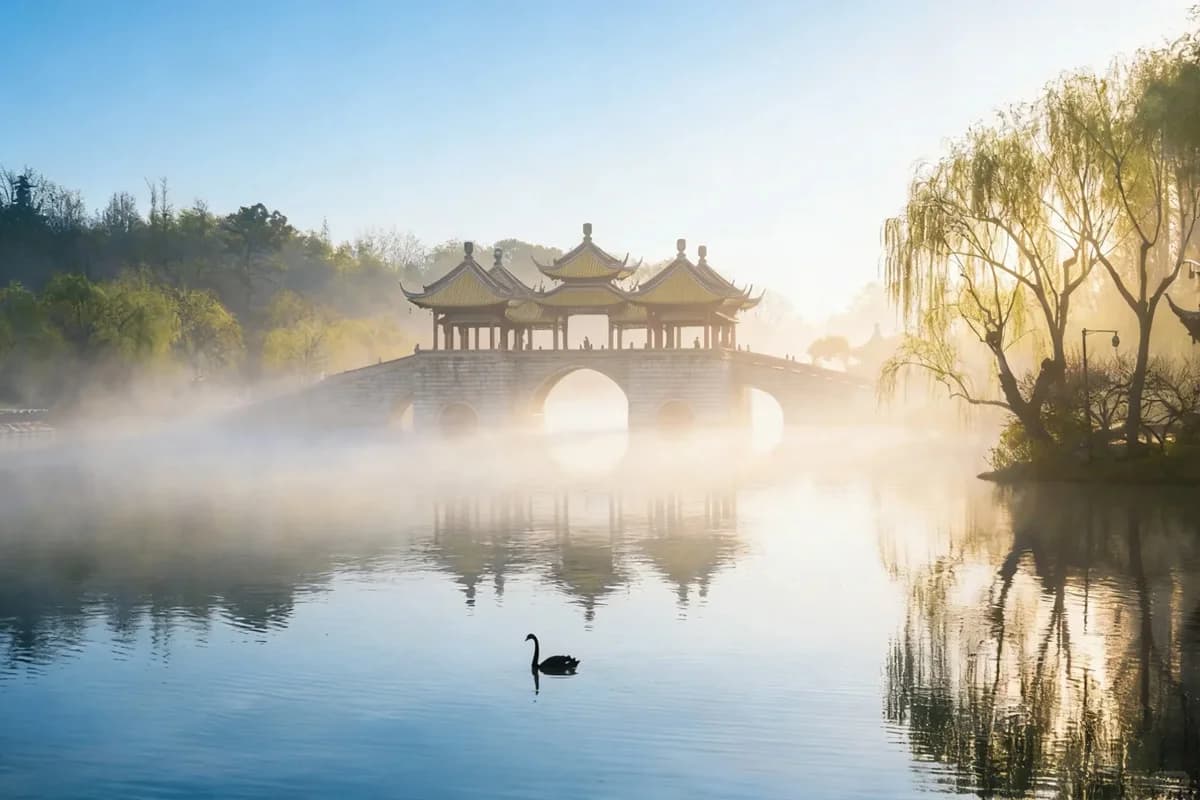
Families do well here because the pacing is manageable. Slender West Lake has flat walking paths, boat options, and enough open space for children, while museum time at the China Grand Canal Museum can be mixed with shorter outdoor visits. Backpackers and travelers on tight schedules should still consider Yangzhou, but mainly as a 1–2 night stop linked with Nanjing, Zhenjiang, or Suzhou rather than as a long-budget base.
How Many Days Do You Need
Quick stop: 1 day. Prioritize either the scenic route or the old-city route, not both in full. The best short itinerary is early morning tea, 2–3 hours around Dongguan Street and Geyuan, then 2 hours at He Garden before leaving. If you only care about postcard scenery, swap He Garden for Slender West Lake.
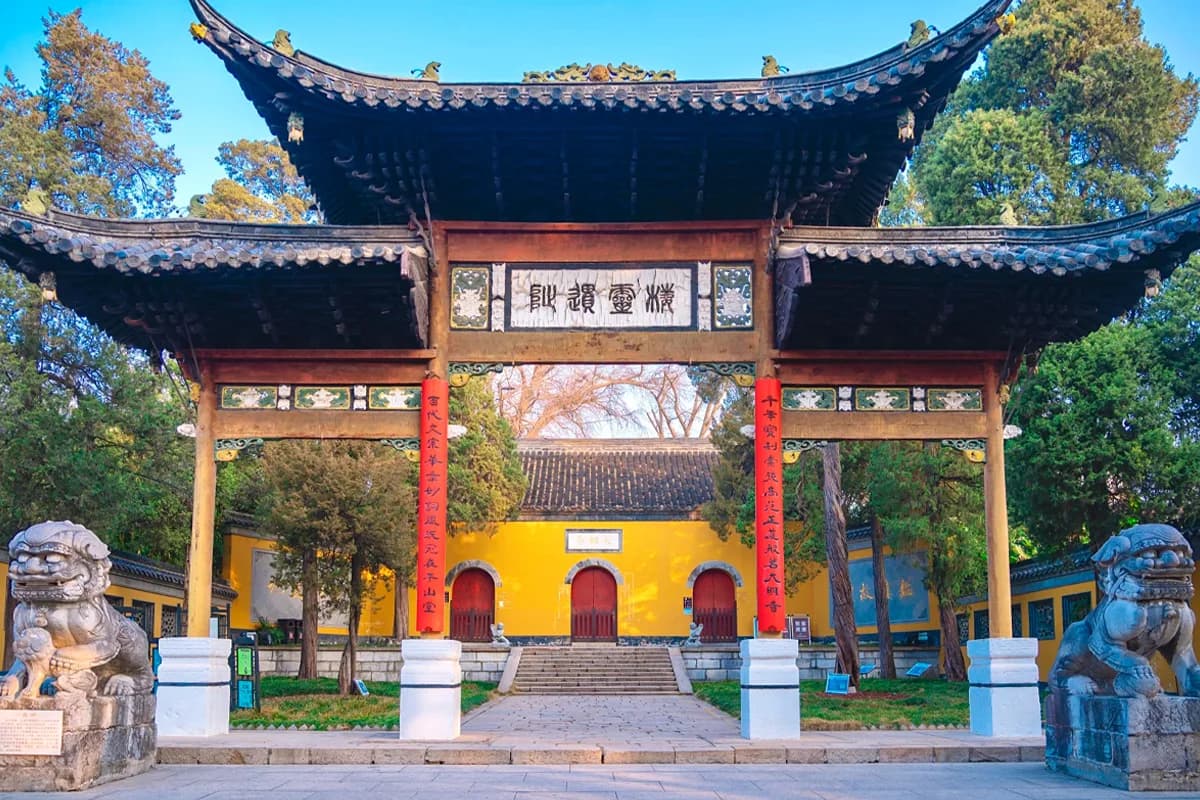
Classic first-time trip: 2 days. Day 1 should cover Slender West Lake and Daming Temple in the same area, plus an evening walk around the canal or Dongguan Street. Day 2 should focus on the old city: breakfast, Geyuan, Dongguan Street, side lanes, and He Garden. This is the standard plan because it avoids backtracking and shows the city’s two strongest identities: lake scenery and merchant-era urban life.
Deep exploration: 3 days or more. The extra time unlocks the China Grand Canal Museum, slower meals, a second garden, local bathhouse culture, and a possible side trip to Zhenjiang. Beyond 3 full days, most first-time visitors start running out of high-priority sights unless they are specifically interested in gardens, canal history, or regional food.
Main Areas & Route Groupings
Group 1 is the Slender West Lake zone in the northwest. Slender West Lake, Daming Temple, and nearby scenic areas fit naturally into one half-day to full-day block. Taxi time from central Dongguan Street is usually 15–20 minutes; if you try to squeeze these into an old-city afternoon, you lose too much time in transfers.
Group 2 is the old city east of the historic core. Dongguan Street, Geyuan, local snack lanes, and small canal stretches are walkable in one cluster. Geyuan to Dongguan Street is just a few minutes on foot, and from there to He Garden is around 2 km, making it reasonable as a long walking day with snack stops.
Group 3 is the southern canal-and-museum area. He Garden and the China Grand Canal Museum are not next door, but they pair better with each other than with Slender West Lake if you prefer architecture plus modern museum interpretation. Expect 20–25 minutes by taxi between the museum and Dongguan Street, depending on traffic.
Trip Combinations
The most logical combo is Yangzhou + Nanjing. High-speed rail takes roughly 1 hour, and the contrast works well: Nanjing for big-ticket history, Yangzhou for slower streets and food. A 5-day split of 3 nights Nanjing and 2 nights Yangzhou is practical for first-timers.
Yangzhou + Suzhou or Shanghai also works well for travelers already in the lower Yangtze region. From Shanghai, trains to Yangzhou East are commonly around 2 to 2.5 hours. If you feel Suzhou hotels are expensive or crowded on weekends, Yangzhou is the calmer second stop. Another efficient pairing is Yangzhou + Zhenjiang; they are close enough for a short regional itinerary, though Zhenjiang is usually better as a side trip than a full base.
Planning Tips
Book your first morning tea meal in advance if traveling on a weekend or holiday, especially at famous teahouses. For major scenic sites, online ticketing often saves queuing time, though the savings are not huge; convenience matters more than discounts.
The most common mistake is treating Yangzhou like a checklist city and attempting Slender West Lake, both major gardens, Dongguan Street, and the museum in one day. You can physically do it, but the city loses its advantage when rushed. Another mistake is arriving late and expecting the old streets to stay lively very late; Yangzhou is better in the morning and early evening than at midnight.
If you are short on time, skip lower-priority add-ons and focus on one garden, one old-street block, one morning-tea meal, and either the lake or the canal museum. That gives a clearer sense of Yangzhou than trying to sample everything superficially.
Food & Dining Guide
Yangzhou cuisine is best represented by Huaiyang cuisine and morning tea. The flavors are fresh and delicate, and it is best to enjoy them slowly rather than rushing around to check off your favorite dishes.
Must-Try Food
1. Yangzhou Fried Rice
A representative dish of Yangzhou, characterized by distinct grains of rice and a rich variety of ingredients.
Recommended areas: Dongguan Street, the area around Slender West Lake, and restaurants in the old city. Estimated price: ¥25–60 per serving.
2. Crab Roe Lion’s Head Meatball
A classic Huaiyang cuisine dish, the meatballs are tender and the broth is delicious.
Recommended for: Huaiyang cuisine restaurants, established eateries; approximate price: ¥60–120 per serving
3. Boiled Tofu Strips
A traditional Yangzhou dish, featuring shredded tofu in a clear, flavorful broth.
Recommended for: Huaiyang cuisine restaurants and dim sum establishments. Estimated price: ¥30–70 per serving.
4. Three-Diced Bun (三丁包)
A popular dim sum dish in Yangzhou, typically filled with diced chicken, pork, and bamboo shoots.
Recommended areas: Established dim sum restaurants and tea houses like Fuchun Teahouse. Estimated price: ¥5–¥12 per bun.
5. Jade Shaomai
Thin-skinned and green-filled, commonly found in Yangzhou morning tea.
Recommended area: Morning tea shops in the old city; approximate price: ¥10–25 per serving
6. Layered Sweet Cake
A traditional Yangzhou pastry, characterized by its delicate layers, soft texture, and slightly sweet flavor.
Recommended areas: Dim sum shops, snack stalls; approximate price: ¥8–20 per serving
Where to Eat
Dongguan Street: Suitable for first-time visitors to Yangzhou, with a concentration of traditional snacks and tourist restaurants.
Slender West Lake Area: Suitable for a proper meal after sightseeing, with many Huaiyang cuisine restaurants.
Old Town Morning Tea Shops: Ideal for experiencing Yangzhou morning tea; it's recommended to go early.
Established Huaiyang Cuisine Restaurants: Suitable for formal dining; recommended dishes include braised pork meatballs, braised shredded tofu, and Yangzhou fried rice.
Ordering Suggestions
P1: For first-timers, prioritize Yangzhou morning tea + crab meat lion's head meatballs + braised shredded tofu.
P2: Morning tea is suitable for breakfast or the early morning; avoid going too late.
P3: For groups, order several Huaiyang dishes to share; for singles, choose fried rice, shredded tofu, and a dim sum combo.
Getting There & Around
Most visitors arrive by high-speed rail, not by air. The airport is Yangzhou Taizhou International Airport (YTY), about 30–40 km from the city center; a taxi to the old city usually costs around ¥90–130 and takes 40–60 minutes. By train, Yangzhou East Station is the main high-speed hub, with typical journey times of about 1 hour from Nanjing, 2–2.5 hours from Shanghai, 1.5–2 hours from Suzhou, and roughly 4.5–5.5 hours from Beijing depending on the service. Yangzhou Railway Station also handles trains but is less important for many first-time itineraries.
Yangzhou does not have a metro as of 2026, so combine taxis, Didi, buses, and walking. The old-city cluster around Dongguan Street, Geyuan, and nearby lanes is best explored on foot. Taxi or Didi from Yangzhou East Station to Dongguan Street usually takes 25–35 minutes and costs about ¥35–55. Dongguan Street to Slender West Lake is about 15–20 minutes by car for ¥15–25; He Garden to the China Grand Canal Museum is usually 20–25 minutes for ¥20–35. Download Amap/Gaode Maps and use Chinese attraction names, because Google Maps is unreliable in China.