Trip Planning Guide
Hangzhou is a city in the Jiangnan region best experienced at a leisurely pace. Unlike Shanghai, which emphasizes urban speed, or Beijing and Xi'an, which focus on rich history, Hangzhou's charm lies in West Lake, tea culture, lake and mountain scenery, old street life, and a comfortable urban rhythm.
Who is Hangzhou suitable for?
First-time visitors to East China: A well-established city with convenient transportation and an easy-to-experience atmosphere.
Those who enjoy a blend of nature and urban life: West Lake, tea plantations, mountains, and the city center are all within easy reach.
Couples, friends, and families: Ideal for strolling, taking photos, enjoying tea, and a relaxing vacation.
Those who appreciate traditional Chinese lifestyles: Longjing tea, Lingyin Temple, old streets, and Hangzhou cuisine are all representative attractions.
For those taking a short trip from Shanghai: Convenient high-speed rail access, suitable for extended 2-3 day trips.
How many days should I spend in Hangzhou?
1 day: Suitable for a quick experience of the West Lake core area and a meal of Hangzhou cuisine.
2 days 1 night: Highly recommended for first-time visitors, including West Lake, Lingyin Temple, old streets, and night views.
3 days 2 nights: Suitable for a more relaxed pace, adding Longjing Tea Village, Meijiawu, or Song Dynasty Town.
For most foreign tourists, 2-3 days is the most suitable time to visit Hangzhou.
How are the main areas of Hangzhou grouped?
1. West Lake Core Area: Suitable for first-time visitors to Hangzhou.
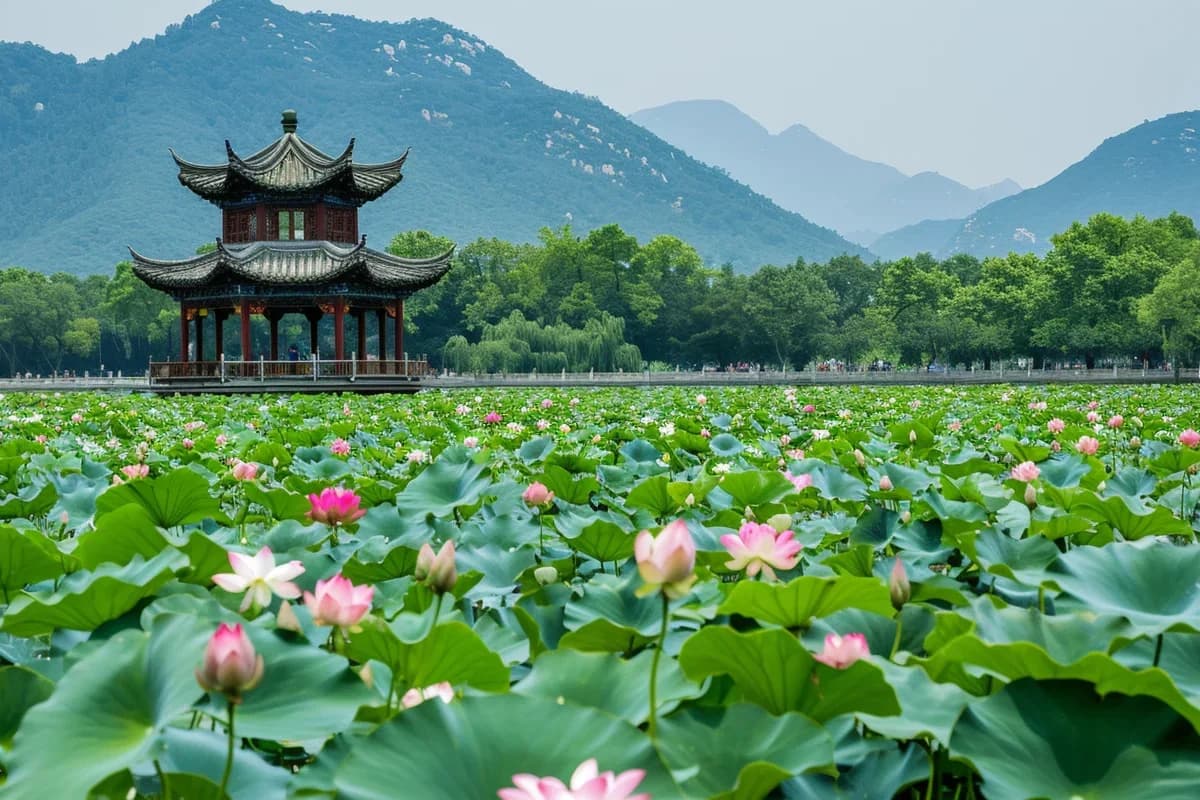
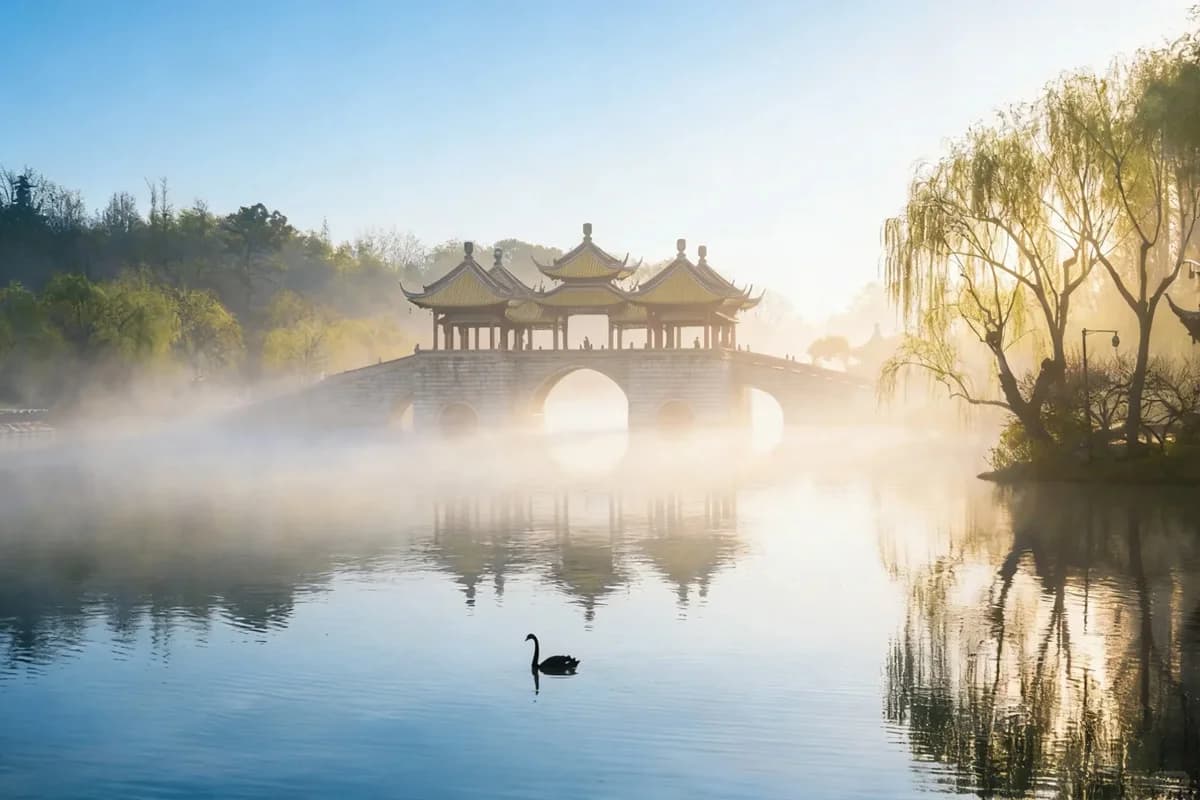
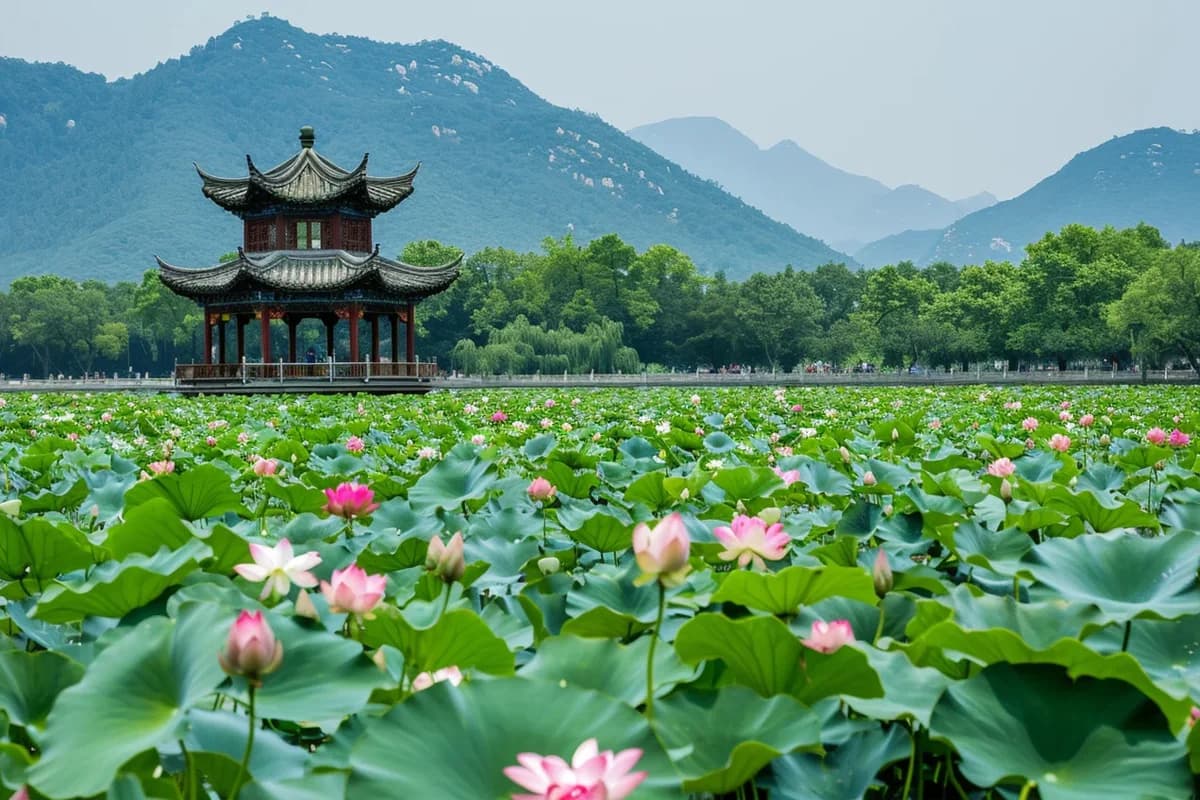
Includes Broken Bridge, Bai Causeway, Su Causeway, Leifeng Pagoda, and the lakeside area. West Lake is the most important core area of Hangzhou; it's recommended to allocate at least half a day to a full day, and not just take photos and leave.
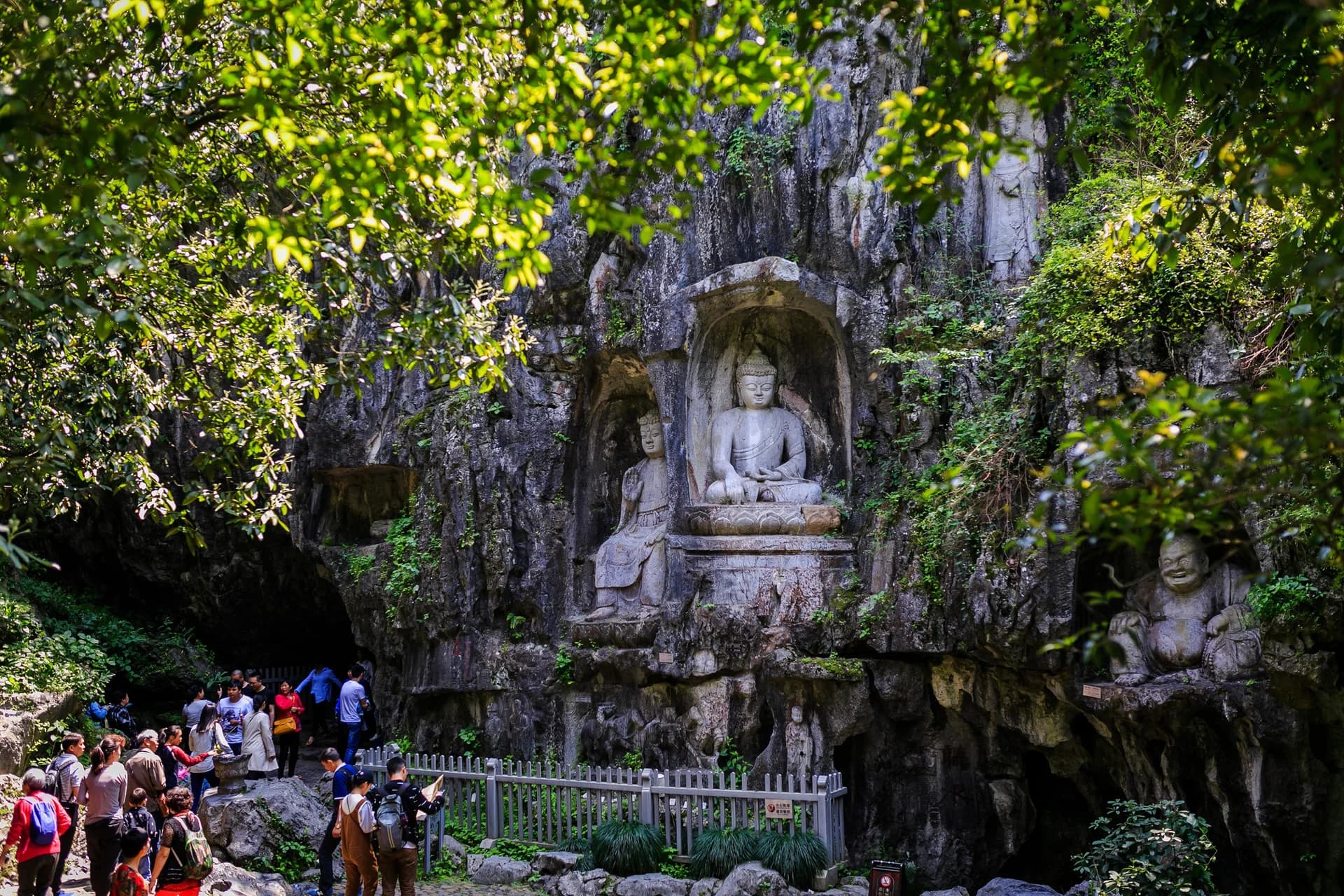
2. Lingyin Temple/Feilai Peak Area: Suitable for those who enjoy temples, forests, and cultural experiences.
This area is quieter than West Lake, offering religious culture and a mountain atmosphere, suitable for half a day.
3. Longjing Tea Village/Meijiawu: Suitable for those who enjoy tea culture, nature photography, and slow travel.
You can drink tea, visit tea gardens, and experience a quieter side of Hangzhou. For foreign tourists, this is an important part of understanding the Hangzhou lifestyle.
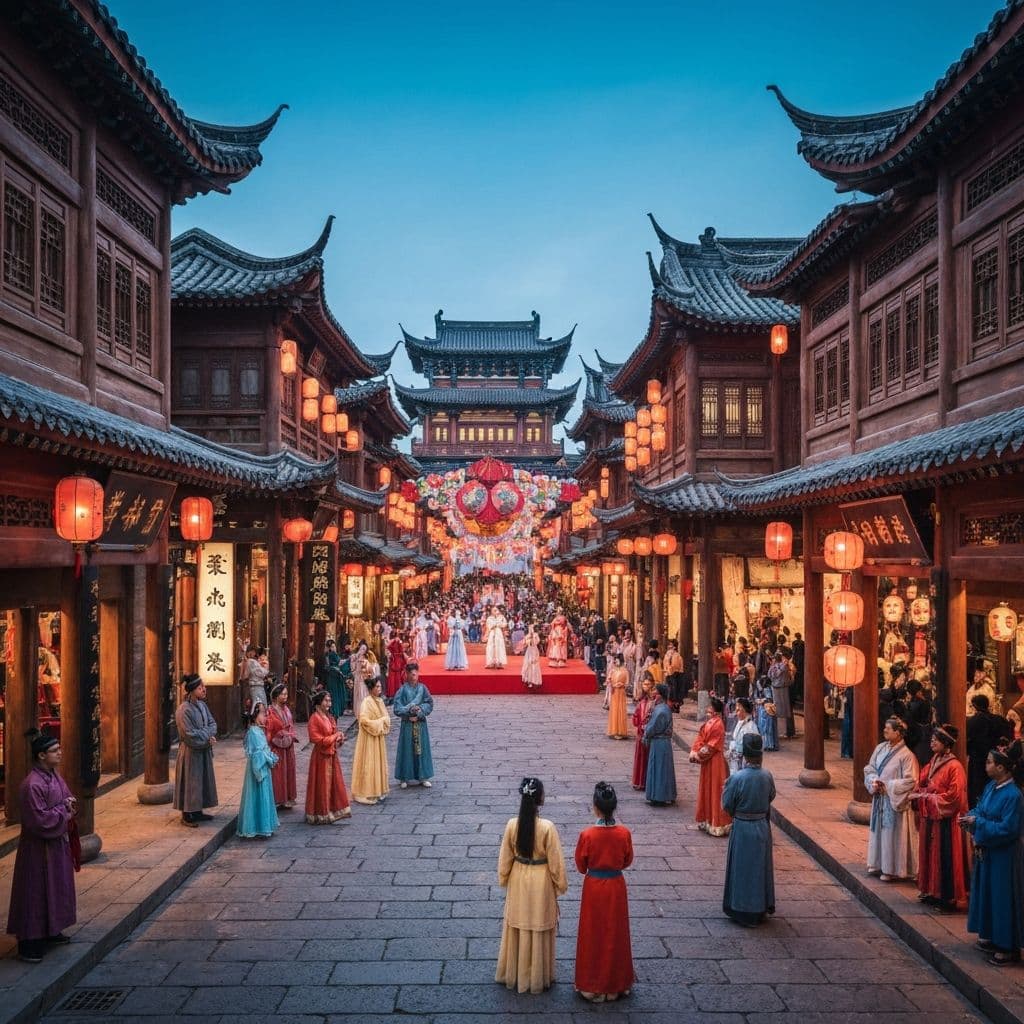
4. Hefang Street/Southern Song Imperial Street: Suitable for eating snacks, buying souvenirs, and experiencing old Hangzhou streets.
This area is often crowded, but still convenient and practical for first-time visitors, suitable for the evening or the end of the trip.
Hangzhou offers three travel options:
Classic West Lake Tour: West Lake + Leifeng Pagoda + Lakeside Night View
Cultural Slow Travel Tour: Lingyin Temple + Longjing Tea Village + Old Street
East China Combination Tour: Hangzhou + Shanghai / Suzhou / Wuzhen / Shaoxing
What places can Hangzhou be combined with?
Shanghai + Hangzhou: The most common combination, modern city + Jiangnan lakes and mountains.
Hangzhou + Suzhou: West Lake scenery + classical gardens, stronger cultural feel.
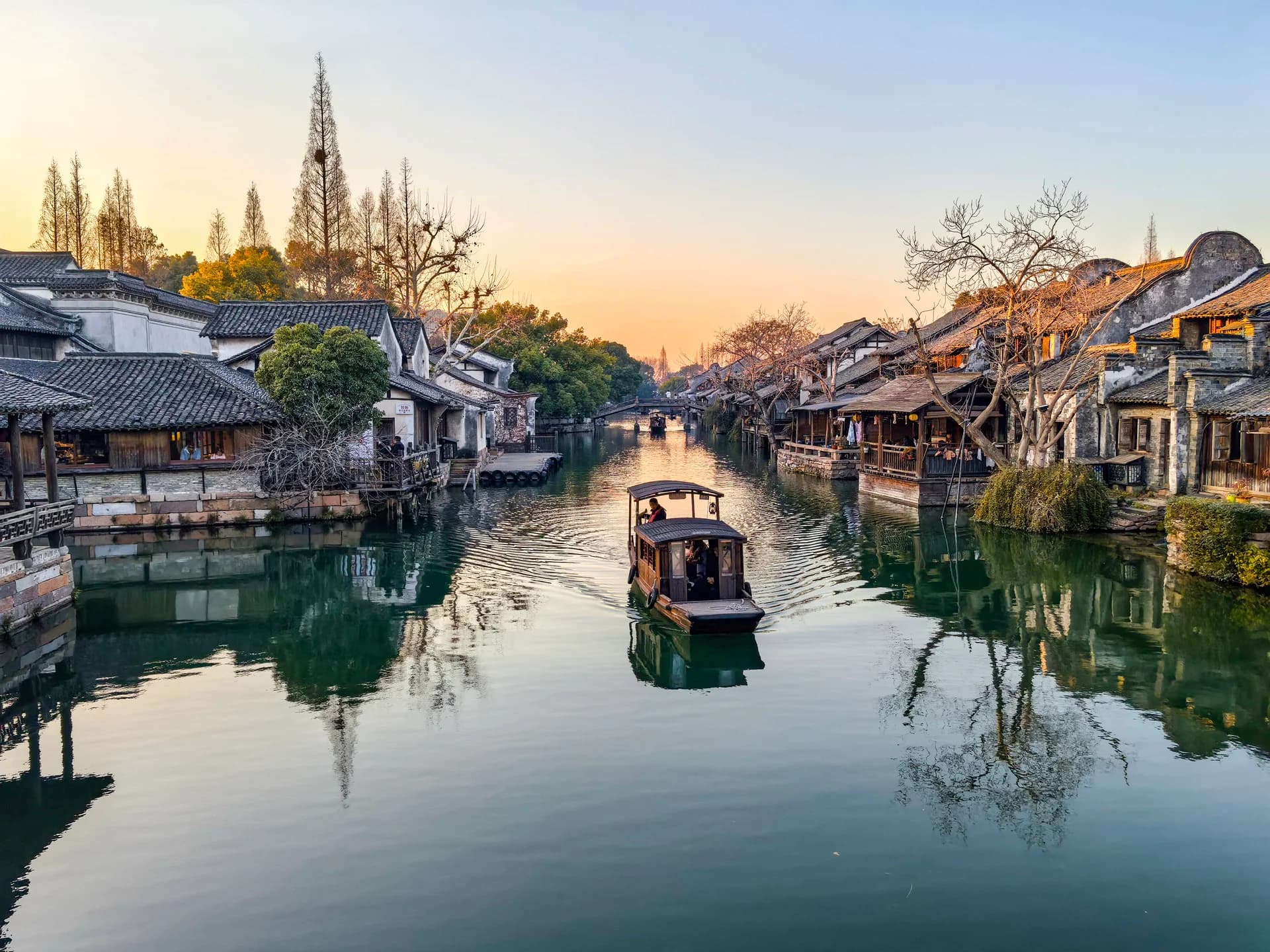
Hangzhou + Wuzhen: City lake view + ancient water town, suitable for slow travel.
Hangzhou + Shaoxing: Suitable for those who like history, Shaoxing rice wine, and old Jiangnan towns.
Shanghai + Suzhou + Hangzhou: Suitable for a complete itinerary for first-time visitors to East China.
Food & Dining Guide
Hangzhou cuisine is generally light, delicate, slightly sweet, and seasonal, unlike the more stimulating Sichuan and Hunan cuisines.
Must-Try Foods
1. West Lake Vinegar Fish
One of Hangzhou's signature dishes, fish served with a sweet and sour sauce, refreshing yet with a distinct vinegar aroma.
Where to Eat: Hangzhou cuisine restaurants around West Lake, in the Hubin/Nanshan Road area
Reference Price: 80–180 RMB/serving
2. Dongpo Pork
A classic Hangzhou dish made with perfectly balanced lean and fatty pork, this braised pork is tender and juicy with a sweet and savory flavor.
Where to eat: Hangzhou cuisine restaurants, established restaurants
Reference price: 30–80 RMB per serving
3. Longjing Shrimp
This dish combines shrimp with the aroma of Longjing tea, resulting in a light and fresh flavor, a quintessential Hangzhou specialty.
Where to eat: Restaurants around West Lake, near Longjing Village/Meijiawu
Estimated price: 100–200 RMB per serving
4. Pian'erchuan Noodles
A specialty noodle dish of Hangzhou, often topped with pickled mustard greens, bamboo shoots, and sliced meat. Suitable for breakfast or lunch.
Where to eat: Noodle shops in the old city area, around Hefang Street/Southern Song Imperial Street
Reference price: 15–35 yuan/bowl
5. Scallion Pancake with Fried Dough Sticks
A traditional Hangzhou snack. The outer layer is pan-fried until crispy, filled with fried dough sticks and scallions, resulting in a crispy texture.
Where to eat: Hefang Street, Southern Song Imperial Street, snack stalls, local breakfast shops
Reference price: 5–15 yuan/piece
7. Longjing Tea / Tea Snacks
One of Hangzhou's most representative culinary experiences. Longjing tea is fragrant and mellow, perfect for sipping slowly in a tea village or by West Lake.
Where to drink: Longjing Village, Meijiawu, teahouses around West Lake
Reference price: From 50–150 RMB per person, depending on the teahouse and tea grade.
Recommended Dining Areas:
West Lake/Lakeside Area: Suitable for first-time visitors to Hangzhou. Many Hangzhou-style restaurants, easily integrated into a West Lake itinerary.
Hefang Street/Southern Song Imperial Street: Suitable for snacks, pastries, and souvenirs, but crowded; best for a lighter experience.
Longjing Village/Meijiawu: Ideal for tea drinking, farm-style meals, and experiencing tea culture. Perfect for a leisurely afternoon trip.
Getting There & Around
Hangzhou is an important tourist city in East China and is suitable for a trip that includes Shanghai, Suzhou, Wuzhen, and Shaoxing.
How to get to Hangzhou?
1. By plane | Hangzhou Xiaoshan International Airport
Hangzhou Xiaoshan International Airport is the main airport for entering Hangzhou, suitable for arrivals from other cities in China or some international routes.
Getting to the city center:
Subway: Inexpensive, suitable for travelers with light luggage, approximately 5-10 RMB.
Airport Bus: Suitable for going to designated shopping areas or near hotels.
Didi/Taxi: More convenient, suitable for travelers with luggage or arriving late, approximately 120-220 RMB per vehicle.
2. High-speed rail | Hangzhou East Station
Hangzhou East Station is the most frequently used high-speed rail station, suitable for arrivals from cities such as Shanghai, Suzhou, Nanjing, Huangshan, and Ningbo.
Recommendation: If this is your first time visiting Hangzhou, Hangzhou East Railway Station is the most convenient option.
3. Train | Hangzhou Station
Hangzhou Station is closer to West Lake and the city center, but train options are generally less plentiful than at Hangzhou East Station.
Suitable for:
Tourists staying near West Lake, Hubin, or the Southern Song Imperial Street
People arriving from some short-distance cities
Estimated travel time:
Hangzhou Station → West Lake / Hubin: Approx. 10–25 minutes
Hangzhou Station → Hefang Street: Approx. 10–20 minutes
How to get around Hangzhou?
1. Subway: The Hangzhou Metro is suitable for connecting the airport, high-speed rail station, city center, and some other areas. A one-way trip costs approximately 2-10 yuan.
2. Didi/Taxi: Suitable for those with luggage or visiting places like Longjing Village, Meijiawu, and Lingyin Temple that aren't directly accessible by subway. Costs approximately 15-40 yuan.
3. Walking/Cycling: The area around West Lake is great for walking and cycling, especially along Bai Causeway, Su Causeway, Hubin, and Beishan Street. It's not advisable to take taxis the entire time around West Lake; many experiences require walking. On a nice day, walking and cycling are more comfortable than taking a car.
Travel Time to Major Areas:
Hubin → West Lake Core Area: Approx. 5–20 minutes on foot
Hubin → Lingyin Temple: Approx. 30–50 minutes
Hubin → Longjing Village / Meijiawu: Approx. 40–70 minutes
Hubin → Hefang Street / Southern Song Imperial Street: Approx. 15–30 minutes
Hangzhou East Railway Station → Hubin / West Lake: Approx. 25–45 minutes
Xiaoshan Airport → Hubin / West Lake: Approx. 50–80 minutes
Hangzhou → Wuzhen: Approx. 1.5–2 hours, suitable for a day trip or overnight stay
Hangzhou → Shaoxing: High-speed rail: Approx. 20–40 minutes
Accommodation and Transportation Recommendations:
First-time visitor to Hangzhou: We recommend staying near Hubin/East of West Lake/Wulin Square. This area offers convenient access to West Lake, restaurants, the subway, and shopping districts.
Want to experience tea culture: Consider staying near Longjing Village/Meijiawu, but Hubin offers better access to the city center.
High-speed rail transit: Staying near Hangzhou East Railway Station is more convenient, but the tourist atmosphere is less vibrant.