
Chongqing is a city full of layers—from its multi-dimensional transportation network and delicious spicy flavors to the blend of tradition and modernity. This guide will take you deep into this magical mountain city, from classic landmarks to hidden experiences, to help you plan an unforgettable journey.
This travel guide will help you with core experiences and food, transportation and accommodation, and the best time and number of days for your itinerary.
Article Preview
Chongqing Core Experiences
Chongqing Cuisine
Transportation & Accommodation
Best Time to Visit
Useful Tips
Itinerary Suggestions
Eight Must-Visit Core Experiences
1. Hongyadong: Spirited Away at Night
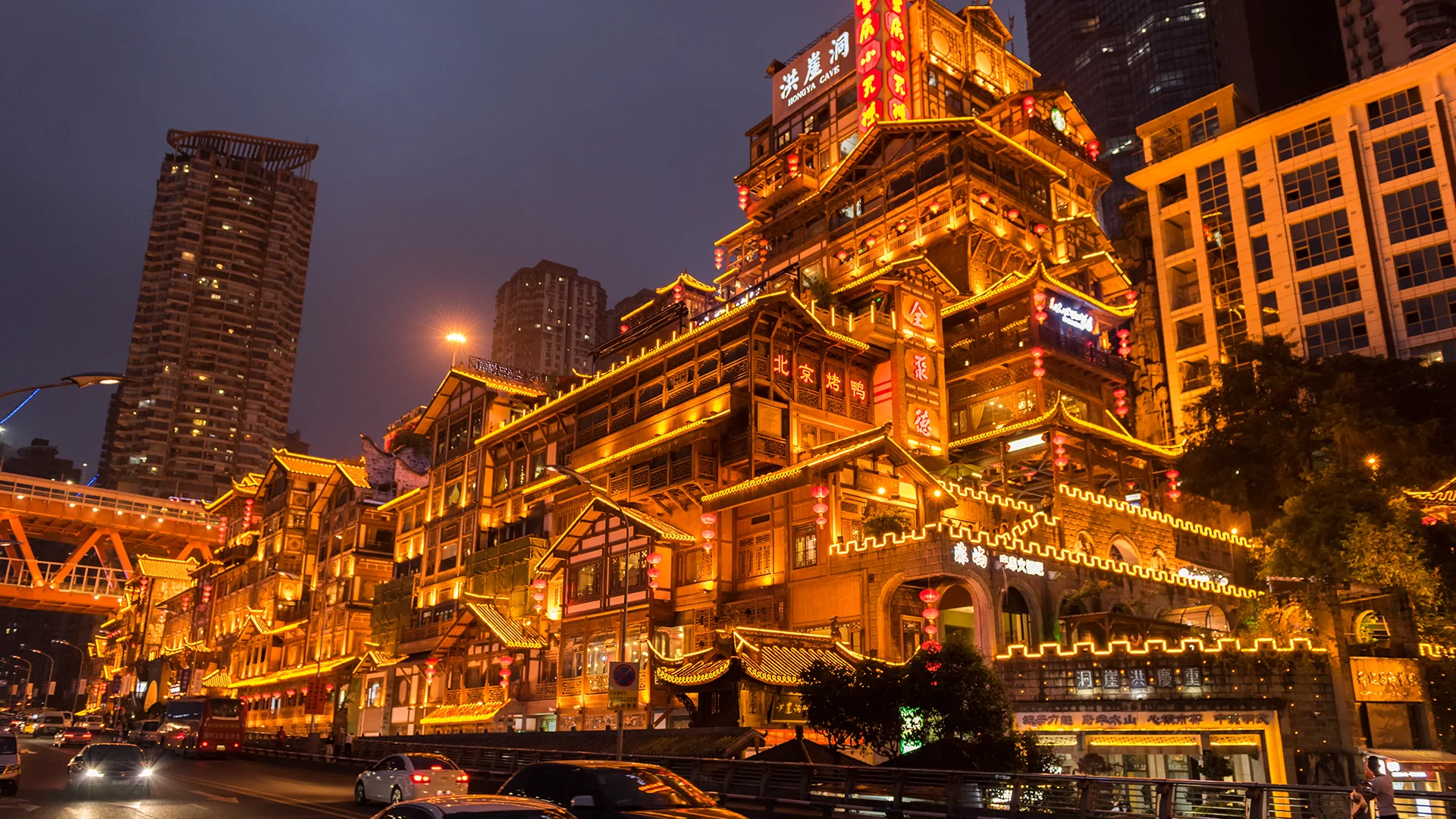
Hongyadong, located on the lower section of Cangbai Road, boasts over 2000 years of history and is a landmark attraction in Chongqing.
As night falls, Hongyadong transforms into a dreamlike scene from "Spirited Away." The stilted buildings built into the mountainside glow with warm yellow lights, cascading down to the riverbank. (Hongyadong is illuminated from 18:30 to 23:00. To capture the moment the lights come on, it's recommended to arrive before 18:30.)
Photography Spot Tips:
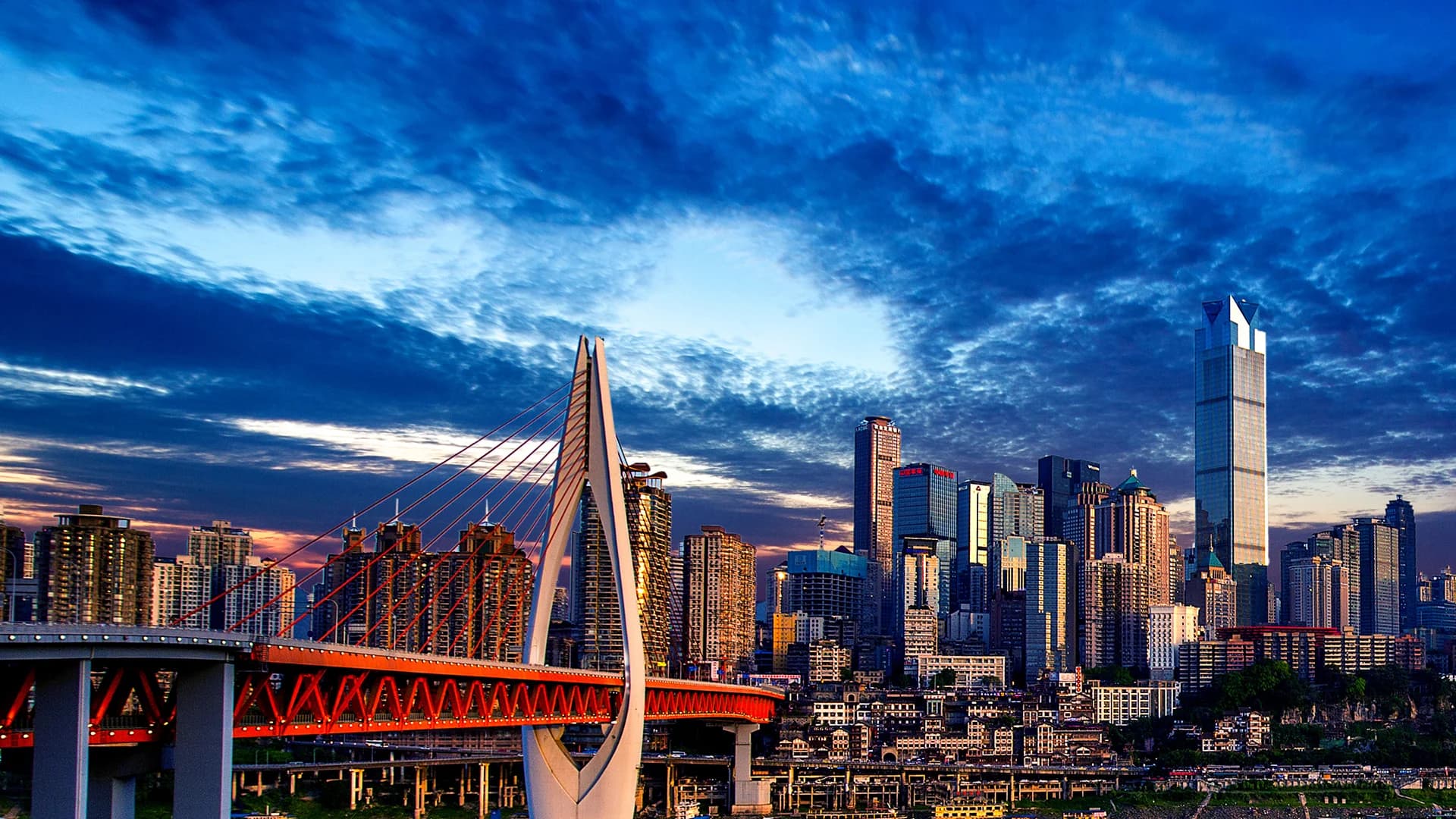
Qiansimen Bridge: The most classic spot, offering panoramic views.
Across the street from Hongyadong on the first floor (Jiabin Road): Close-up wide-angle shots from below, but crowded.
Across the Jialing River (Beibin Road/Jiangtan Park): Relatively less crowded, perfect for capturing reflections in the water.
Hongyadong Scenic Area has 11 floors. Floors 4-8 are food courts, floors 9-10 are cafes and bars, and the other floors are shops.
2. Jiefangbei (Liberation Monument) - The Heartbeat of the City
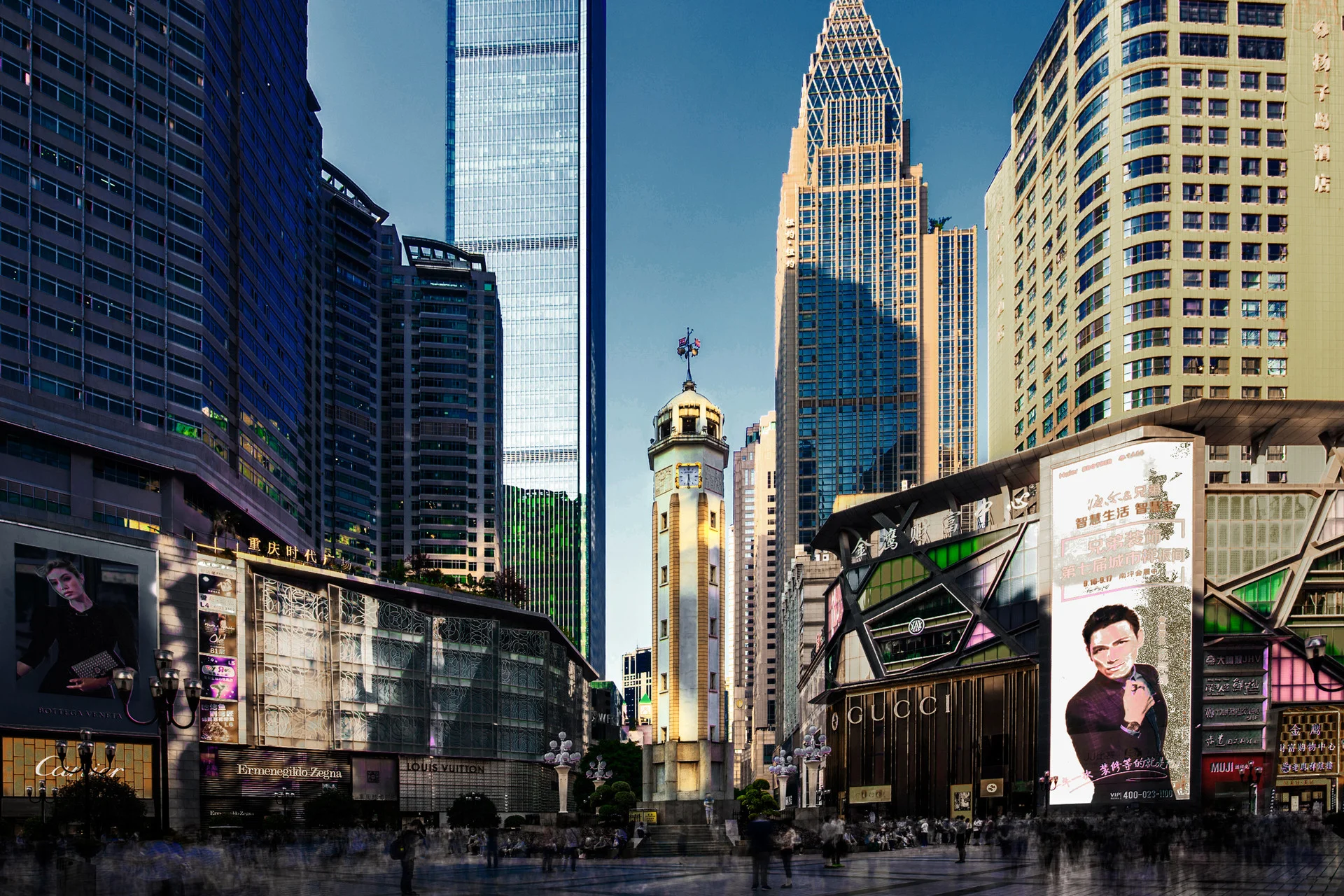
This is Chongqing's crossroads of time and space—the Monument to the Victory Against Japanese Aggression stands amidst the neon lights of a modern commercial district. A trip to Chongqing isn't complete without a visit to Jiefangbei, where you can experience the blend of old and new, the vibrant atmosphere of the city.
After visiting Jiefangbei, if you're unsure what to do next, you can explore the food streets—Bayi Food Street and Jiaochangkou Night Market; or visit Chongqing's art landmarks—Guotai Art Center and Chongqing Art Museum; besides these, you can also go shopping!
3. Liziba: A Light Rail Wonder Weaving Through Buildings
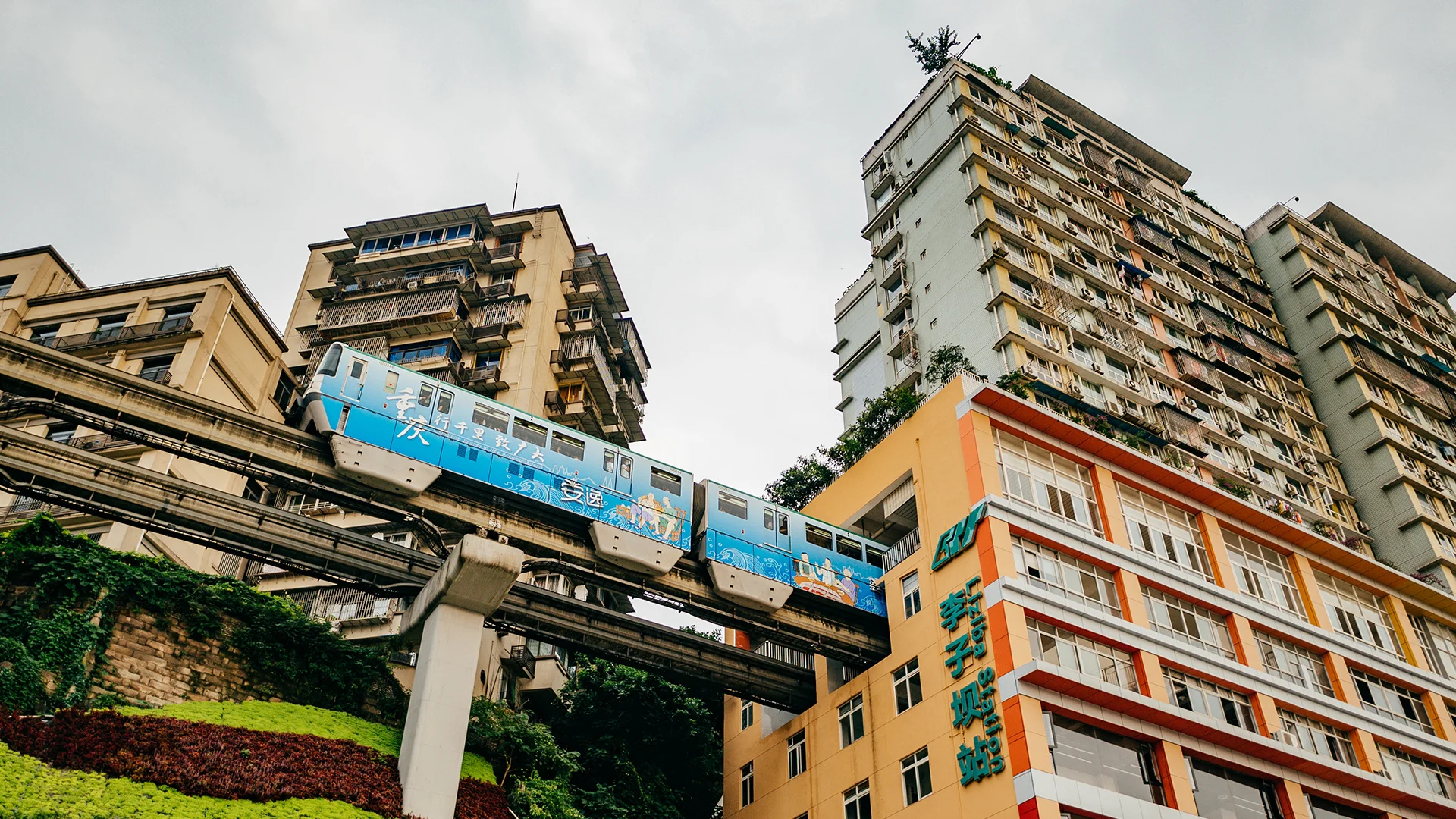
Witnessing the light rail pass through residential buildings is a vivid lesson in understanding Chongqing's "three-dimensional city" landscape. You can ride the light rail to experience this moment firsthand, or go down to the observation deck to capture the fun of the train "diving" into the building.
For a fun experience of passing through buildings: Take Line 2 from Niujiaotuo to Liziba to experience the train passing through a building (it's recommended to choose a window seat, especially one near the front of the train, for a better view of the train passing through the building).
For close-up photos: Go down to Exit 1 of Liziba Station; the light rail is right across the street.
4. Yangtze River Cableway: A Glimpse into the Past as You Soar Across Two Rivers
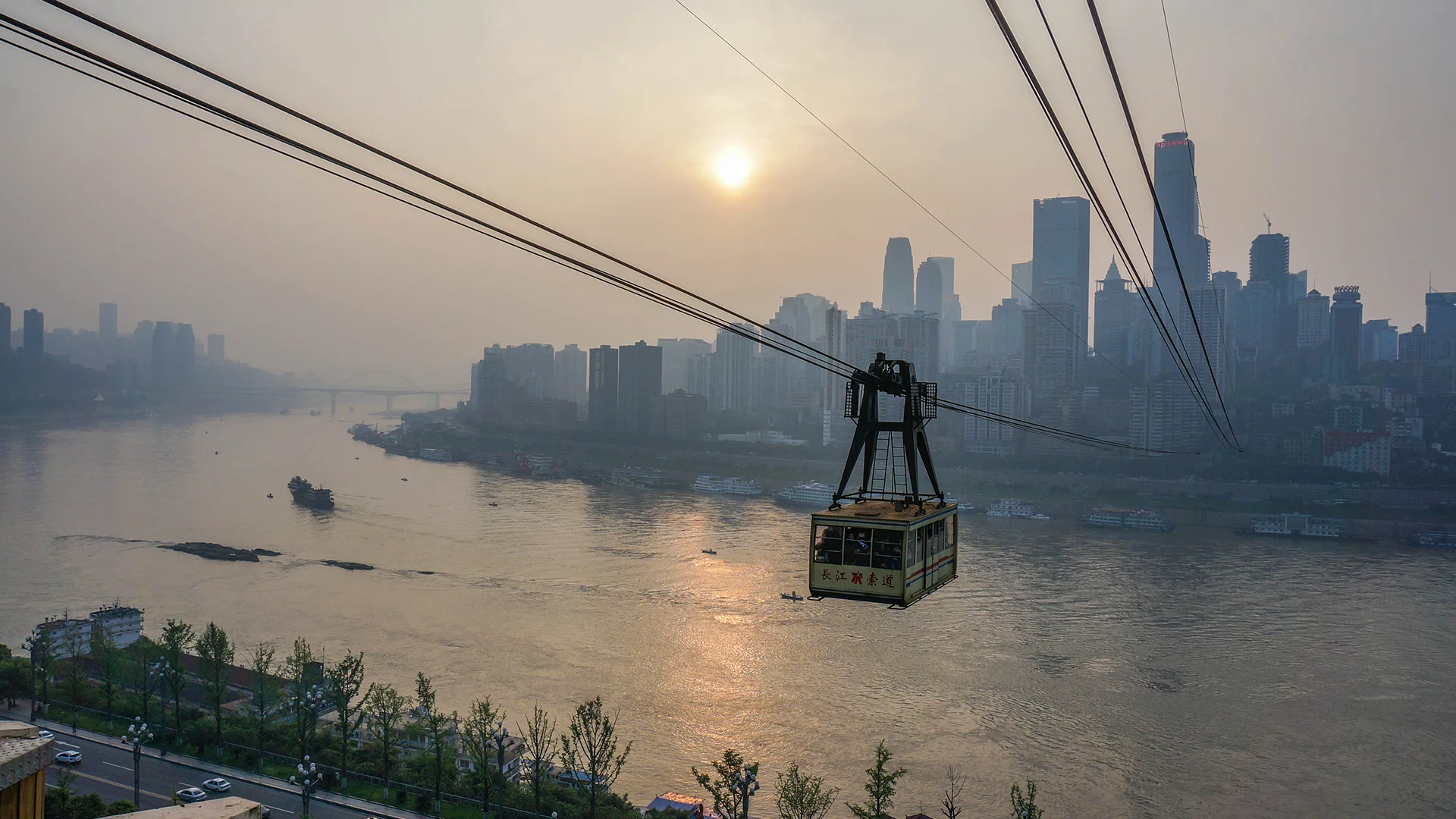
The Yangtze River Cableway was once a daily mode of transportation for the residents of Chongqing. Now, this "aerial corridor" spanning the Yangtze River offers a unique way to quickly experience the city's landscape.
The Yangtze River Cableway has two entrances, north and south. North entrance: close to Jiefangbei but with long queues; South entrance: shorter queues, but less convenient in terms of transportation.
5. Ciqikou: The Old Street and Its Bygone Days
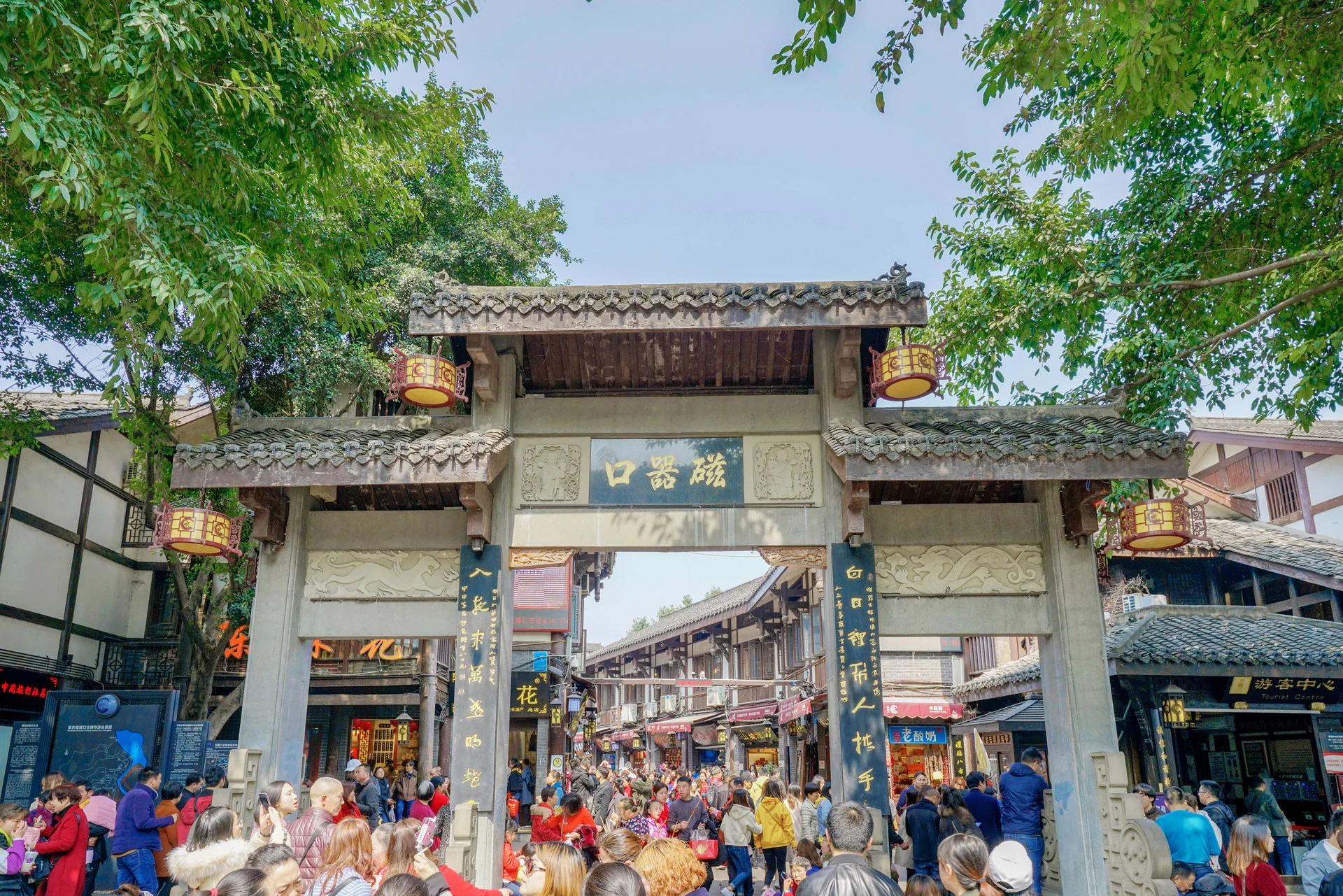
Ciqikou is often called a "miniature of Chongqing," but more accurately, it's an old wharf surrounded by bustling commercial streets, still breathing its own slow-paced life. Here, you'll see traditional crafts like oil pressing and sugar making, passed down through generations.
If you don't want to just shop around in Ciqikou, you can also visit Baolun Temple to pray and copy scriptures; visit Baoshan Palace to see a Qing Dynasty Taoist temple; or experience the atmosphere of an ancient private school at Hanlin Academy.
6. Wulong - A Natural Theater Deep in the Earth's Core
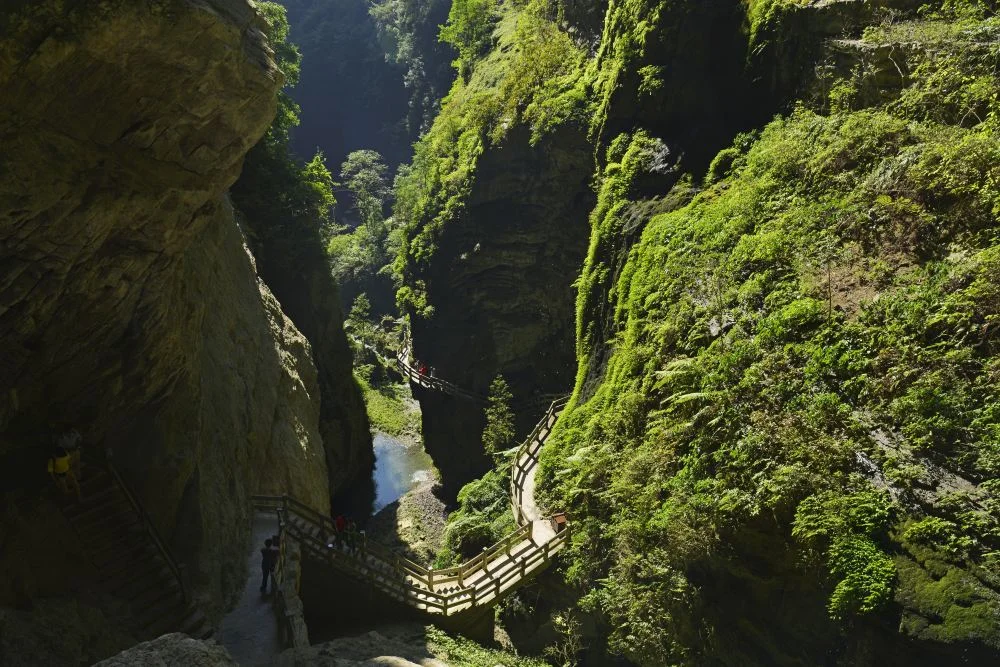
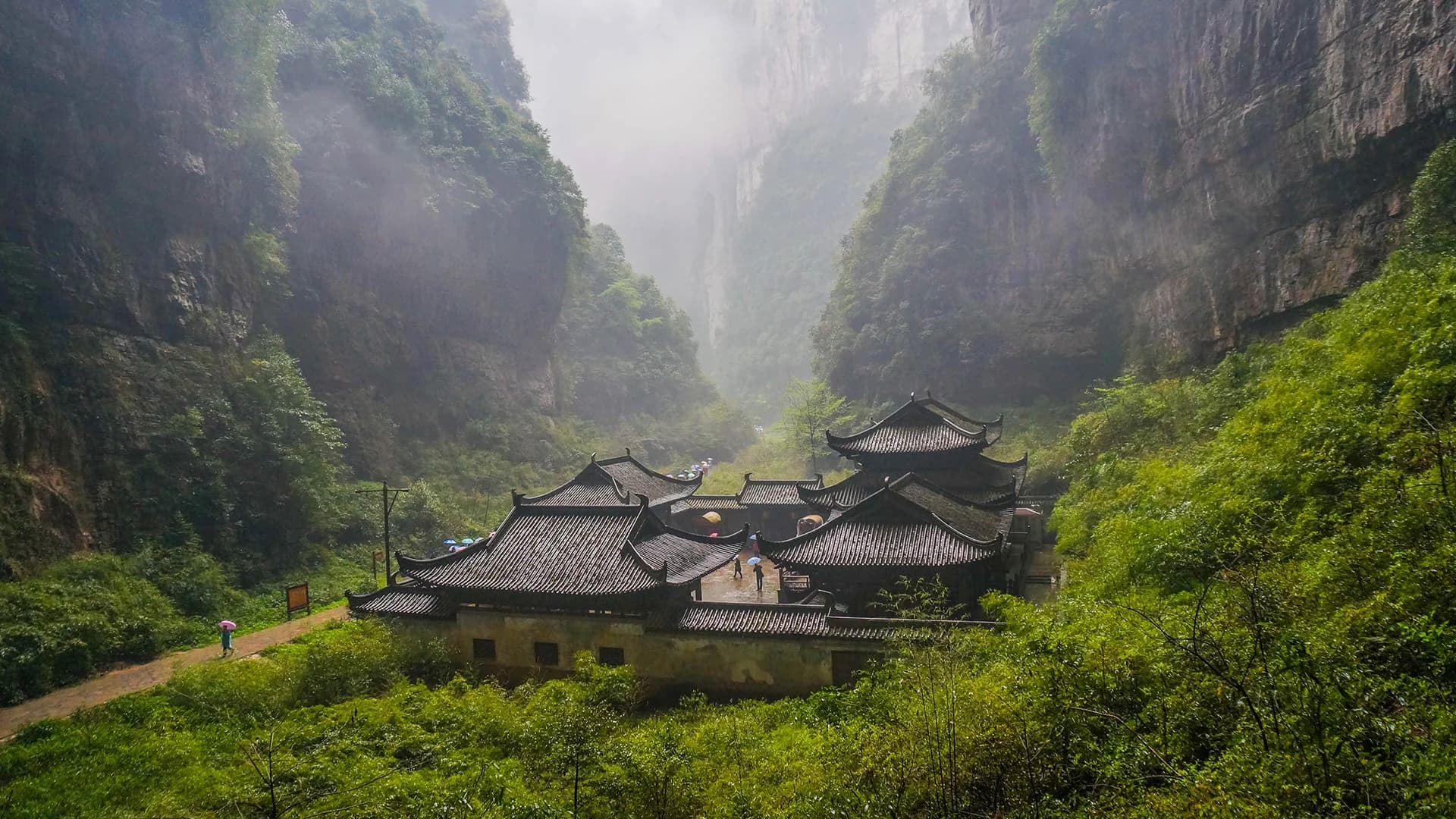
Located about a 3-hour drive from the city center, it's a completely different world. Sinkholes, fissures, and natural bridges create an atmosphere reminiscent of filming locations for movies like Transformers or Curse of the Golden Flower. This is a natural museum of karst landforms; hiking through it truly reveals the meaning of "divine craftsmanship."
A day is insufficient to fully appreciate the charm of Wulong's karst landscape; it's recommended to spend several days there if you wish to experience Wulong to its fullest potential.
7. Dazu Rock Carvings: A Thousand-Year-Old Story on Stone
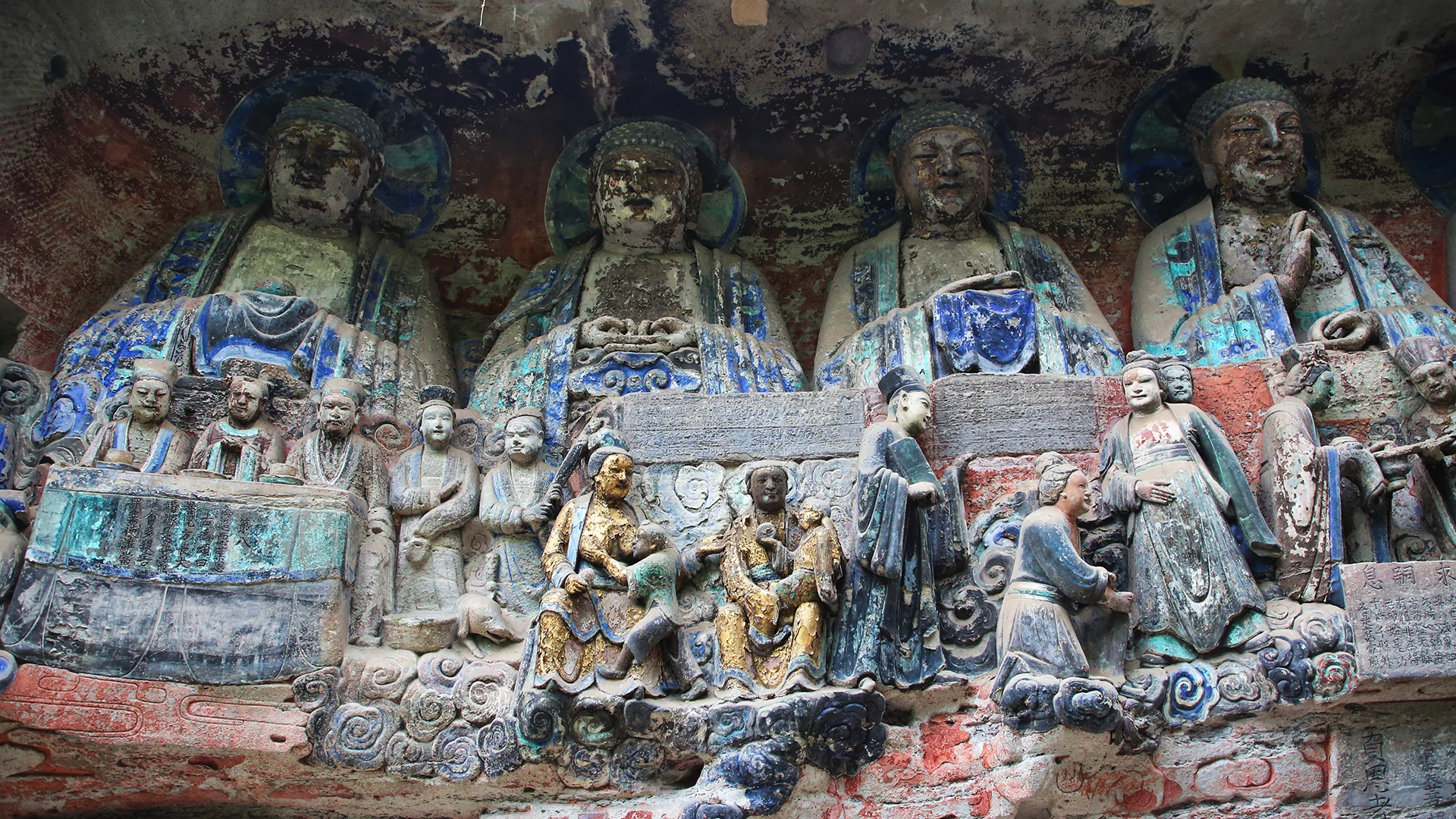
Unlike Dunhuang and Yungang, the Dazu Rock Carvings are closer to everyday life—chicken-raising girls, cattle herding scenes, and stories of filial piety are all carved into the rock walls. The Thousand-Hand Guanyin statue is particularly breathtaking, with its thousand arms blooming like lotus flowers, and even the lines on the palms are clearly visible in the details. Among them, Beishan, Baodingshan, and Nanshan are the most distinctive.
When visiting the Dazu Rock Carvings, Baodingshan is highly recommended, as it is the largest and best-preserved. If you have enough time, you can also visit the Beishan Rock Carvings, which feature Guanyin, or the Nanshan Rock Carvings, which are mainly cave carvings.
8. Night Cruise on the Two Rivers: A Flowing Nighttime Landscape
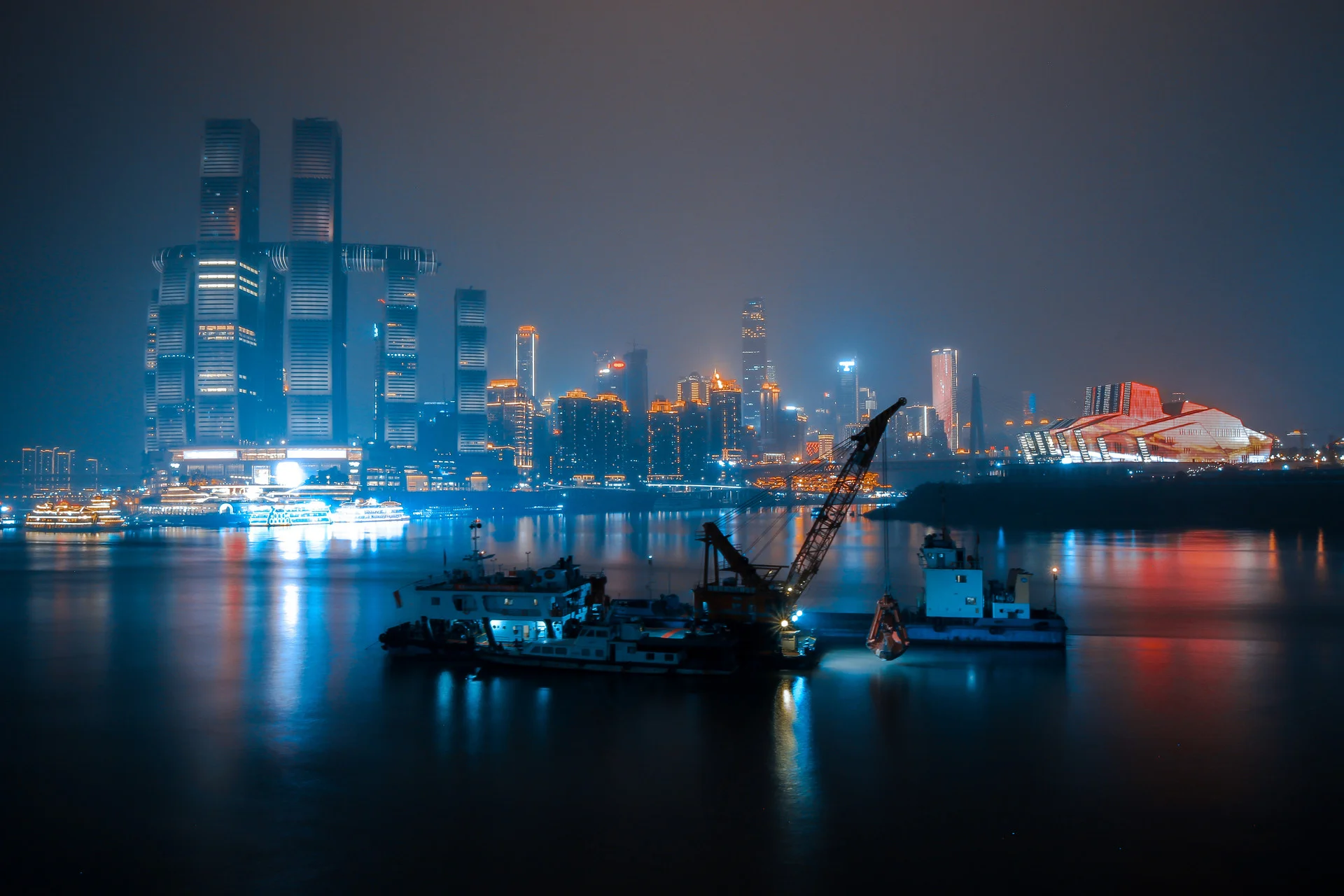
Cruise along the Yangtze and Jialing Rivers, where the lights on both banks flow like a river of stars. Hongyadong, the Grand Theatre, and Nanbin Road create a mesmerizing skyline in the night. A gentle river breeze caresses your face, and the scenery shifts with each boat's movement—this is another way to experience Chongqing at night.
The Two Rivers Night Cruise isn't just for nighttime cruises; there are also daytime cruises (the experience may vary depending on the type of boat).
If you have enough time, you can depart from Chongqing Wharf for a 3-4 day Yangtze River cruise. Passing through the Three Gorges and stopping at places like Fengdu and Baidi City, it offers a slower pace for appreciating the rivers and mountains.
Chongqing cuisine: spiciness is a battleground
When you come to Chongqing, eating is a must. Hot pot, Chongqing noodles, local cuisine, barbecue... everything screams "exciting" or "passionate."
Chongqing Hot Pot:
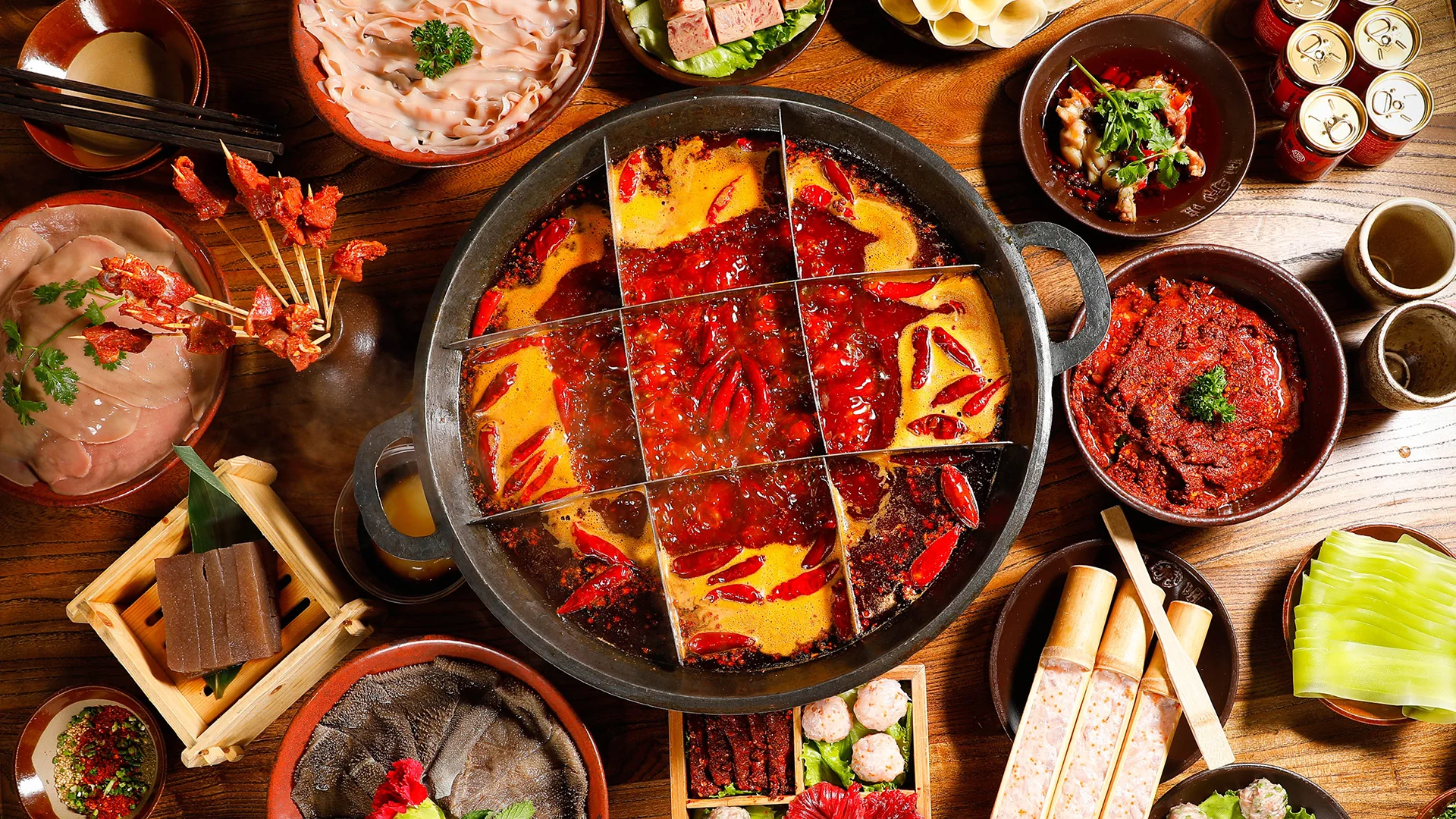
Chongqing hot pot originated along the Jialing River in the late Ming and early Qing dynasties. If you want to experience hot pot by the river view, you can choose a location near the Jialing River, or try Chongqing's unique air-raid shelter hot pot (eating hot pot inside a cave, in a pavilion, etc.).
Jianghu cuisine:
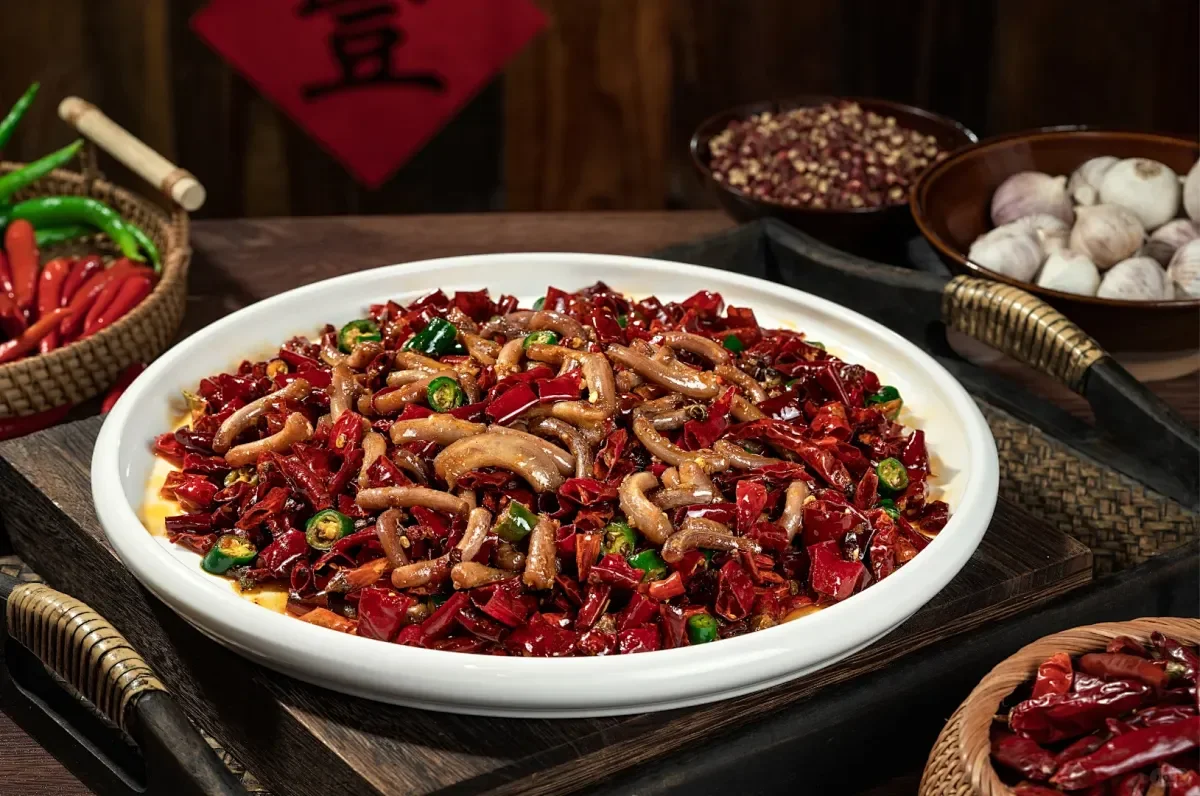
Wherever there are people, there is Jianghu (江湖, a term referring to the world of martial arts and chivalry); wherever there are Chongqing people, there is Jianghu cuisine. Chongqing Jianghu cuisine is characterized by its strong flavors and bold cooking methods, such as spicy chicken, boiled fish, and spicy blood curd.
Chongqing Noodles:
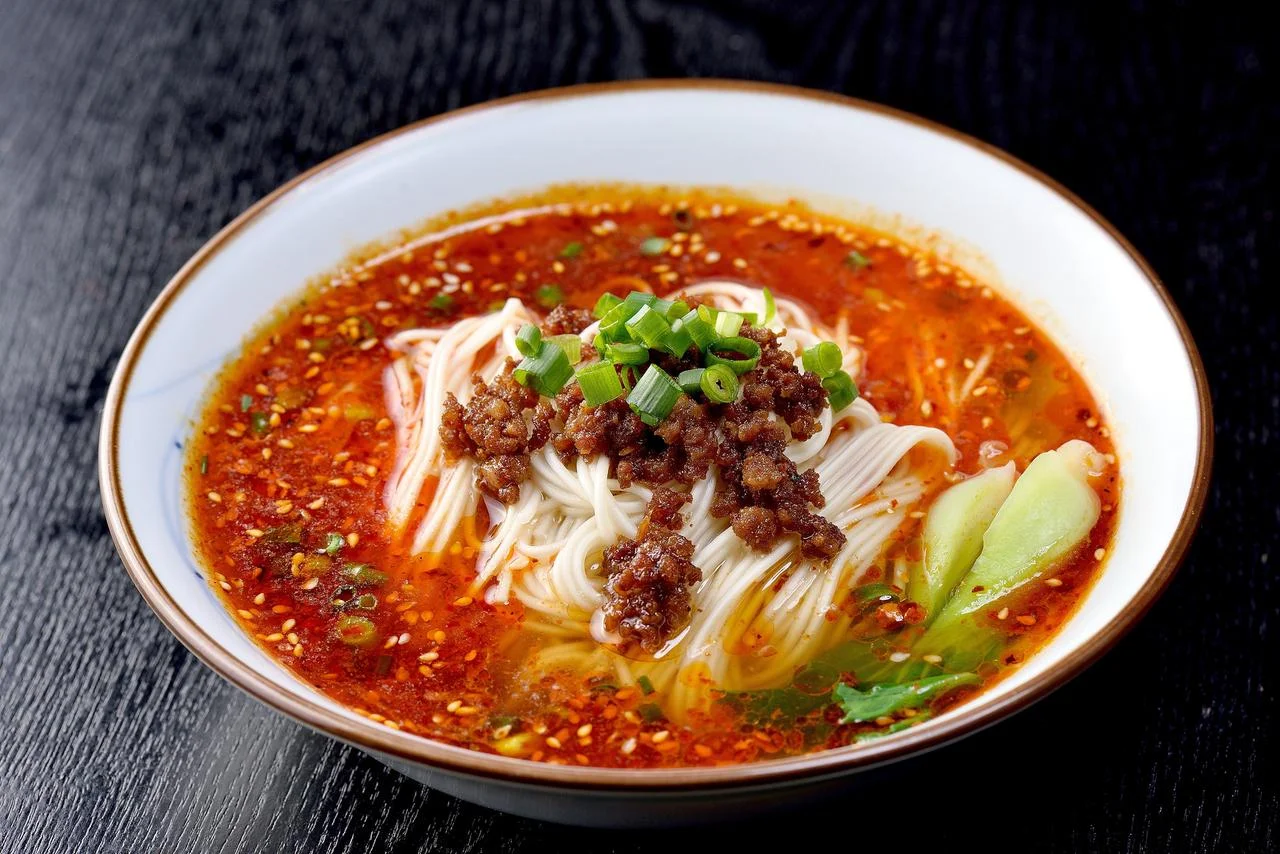
Start your breakfast with a bowl of spicy Chongqing noodles. Tikan noodles, pea and minced meat noodles, and hot and sour noodles are all local favorites.
Recommended Food Streets:
Jiefangbei Bayi Road Food Street → Most concentrated snacks, most convenient transportation (extremely crowded, noisy environment)
Guanyinqiao Food Street → Abundant variety, well-managed, affordable prices (extremely crowded and noisy during peak hours)
Nanshan Garden Night Market → Beautiful environment, outstanding specialty restaurants (relatively remote location, time-consuming to reach)
Helpful tips for transportation and accommodation
Chongqing boasts a highly developed transportation system, with Chongqing Jiangbei International Airport as its main air hub and Chongqing North Railway Station as its main train hub. Furthermore, Chongqing offers a wide selection of distinctive hotels.
1. How to get around?
External Transportation:
Chongqing Jiangbei International Airport currently offers direct flights to many international destinations, such as Singapore and Malaysia.
If you are already in China and want to visit Chongqing, you can also choose Chongqing High-Speed Railway, which connects to most cities in China.
Internal Transportation:
Chongqing Metro is the most widely covered mode of transportation. It can easily reach most attractions without worrying about traffic jams. Alternatively, you can take a Chongqing taxi, a bright yellow vehicle.
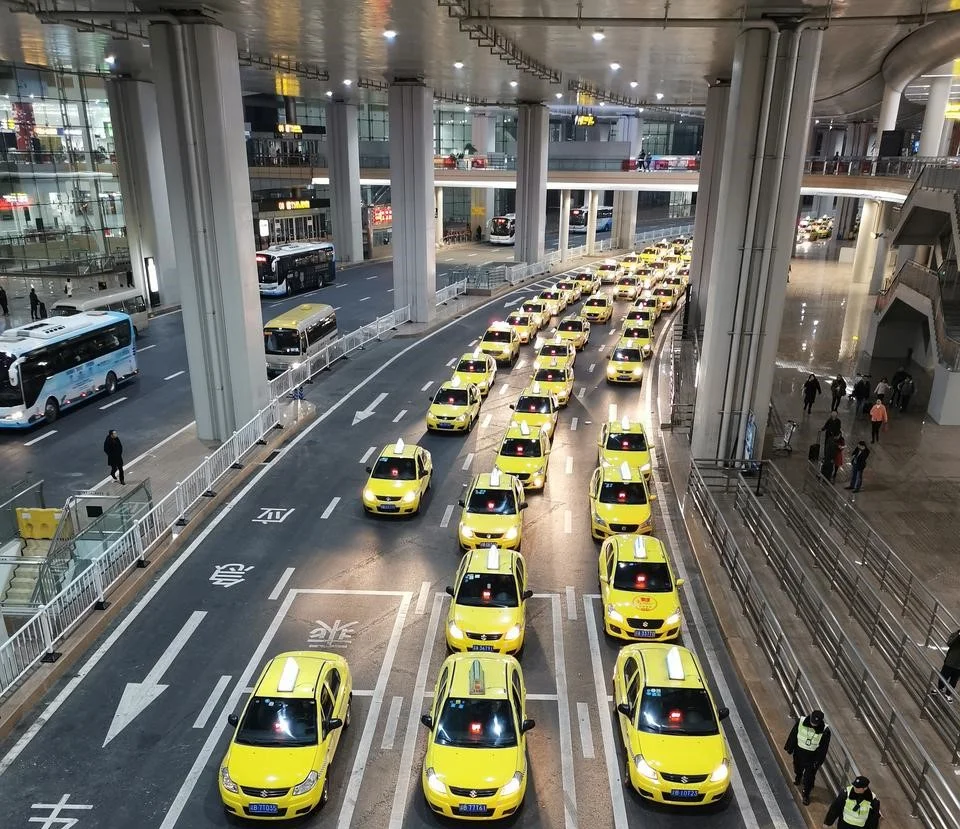
Given Chongqing's complex mountainous terrain, walking may be the best option. All transportation options accept cash or electronic payment.
2. Where to stay?
Prefer a lively atmosphere and convenience: The area around Jiefangbei, with shopping districts right outside your door and night views within walking distance.
Prefer local food and street life: The Guanyinqiao area, with its abundance of snacks and convenient subway access.
If you like night views and river views: The Nanbin Road area, where evening riverside walks are particularly pleasant.
Best Time to Visit
Chongqing has a humid climate with no dry season. Rainfall is heavier from April to October, so it's recommended to bring an umbrella, sunglasses, and sunscreen.
Best Seasons: April-May and September-October, with mild weather and little rain.
Avoid Crowds: Scenic spots are extremely crowded during the National Day and May Day holidays.
Summer: Hot temperatures often exceed 40℃, but the night view is spectacular; be prepared for heatstroke.
Winter: Damp and cold, but fewer tourists; hot pot is a warming option.
Practical Tips for Traveling in the City:
1. Wear the right shoes: With many trails and stairs in the mountain city, flat shoes are your best bet.
2. Transportation options: Public transportation covers most attractions; taxis are convenient but prone to congestion during peak hours; ride-hailing via mobile phones is also widely available. Also, register for Alipay (international version) and activate WeChat Wallet (international version) in advance. If you don't know how to register, you can refer to the Alipay usage process: Registration, Payment, and Useful Tips, or WeChat: International User Binding and Usage Guide.
3. Eat spicy food in moderation: Not all hot pot needs to be "extra spicy"; mild spicy can be just as delicious. Bring some stomach medicine, just in case.
4. Be patient with navigation: Maps may show short distances as the crow flies, but you might need to go up and down hills or around overpasses. Sometimes walking is faster than taking a taxi.
Disclaimer: This information is provided for reference only and was last updated on . Requirements and regulations may change. Always verify with official sources before making travel plans.