Overview
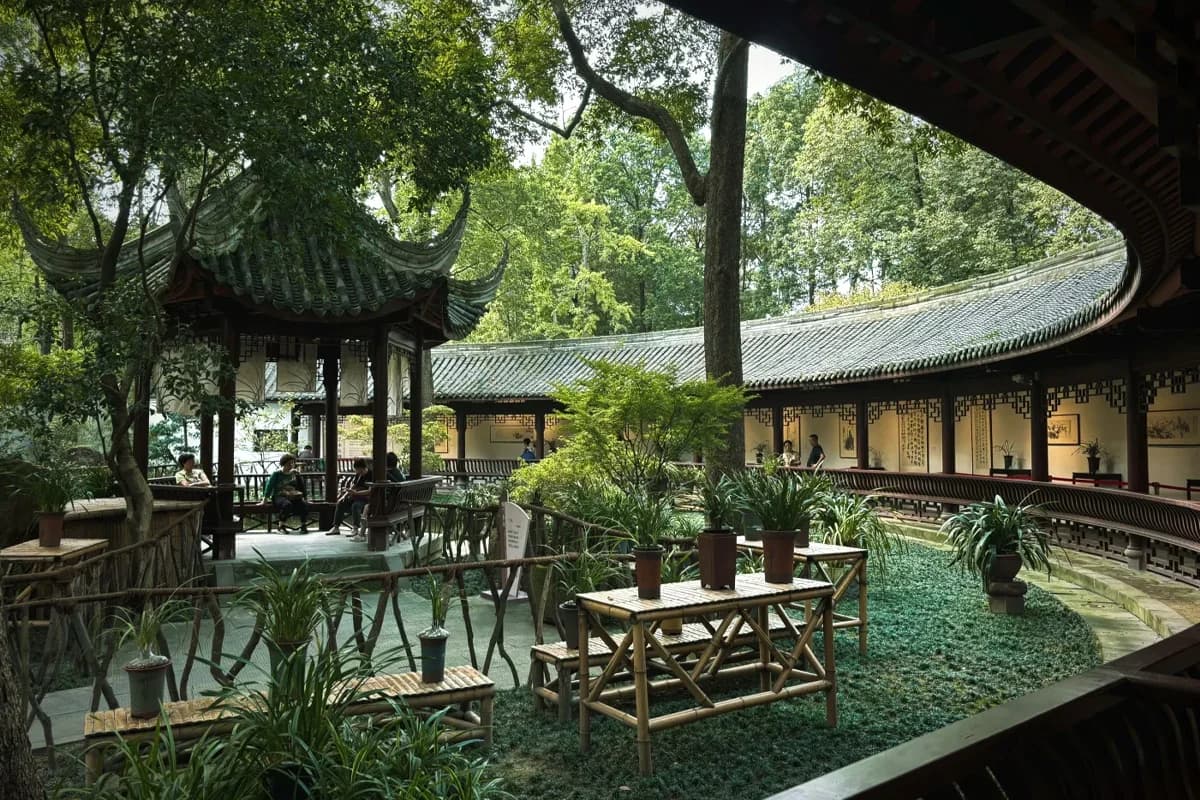
Du Fu Thatched Cottage, located on the banks of the Huanhua Stream, is the former residence of Du Fu, the great Tang Dynasty poet, during his exile in Chengdu. It is considered a sacred site in the history of Chinese literature. The cottage not only retains its simple and elegant Qing Dynasty architectural style but also recreates the thatched cottage described by the poet.
A visit of 2-3 hours is recommended. The best time to visit is spring (March-May) and autumn (September-November) when the weather is pleasant and the scenery is at its best.
How to Get There
The most convenient way to get there is by taking Metro Line 4 and getting off at "Caotang North Road Station." Exit from Exit B and walk for about 10-15 minutes to reach the North Gate. Alternatively, you can take bus lines 19, 35, 151, 165, etc., to "Du Fu Thatched Cottage Station." If you are coming from the city center (such as Chunxi Road), a taxi or ride-hailing service (such as Didi) will take about 20-25 minutes and cost approximately 25-35 yuan.
When visiting, it is recommended to follow the central axis to see the screen wall, the main hall, the Poetry History Hall, the thatched gate, and the Ministry of Works Ancestral Hall. Afterwards, focus on visiting the iconic "Shaoling Thatched Cottage" stele pavilion, the reconstructed thatched cottage, and Tang Dynasty ruins. Finally, stroll along the flower paths and the Thousand Poems Stele Corridor to experience the tranquility of this classical garden.
What to Expect
The scenic area features mainly flat stone paths and gentle slopes, ideal for walking, but some areas may have steps, so comfortable shoes are recommended. The park is shaded by trees, and mosquitoes are plentiful in summer, so bringing mosquito repellent is advisable. The park has well-developed infrastructure, with restrooms and clear signage in main areas. Gift and souvenir shops are located near the main entrance, where you can purchase cultural and creative products and books. Wheelchair and stroller rentals are also available for families.
Practical Tips
- Go early, ideally before 10:00, for quieter paths, softer light, and better photos around the bamboo walks and memorial halls.
- Use Gaode Maps or Baidu Maps and search for “杜甫草堂博物馆” — English map labels can be inconsistent in Chengdu.
- Plan 1.5 to 2.5 hours on site; add extra time if you want to read exhibits or combine the visit with nearby Qingyang Palace.
- Du Fu Thatched Cottage is a historical and cultural site. If you would like to learn more about it, you can hire a guide.