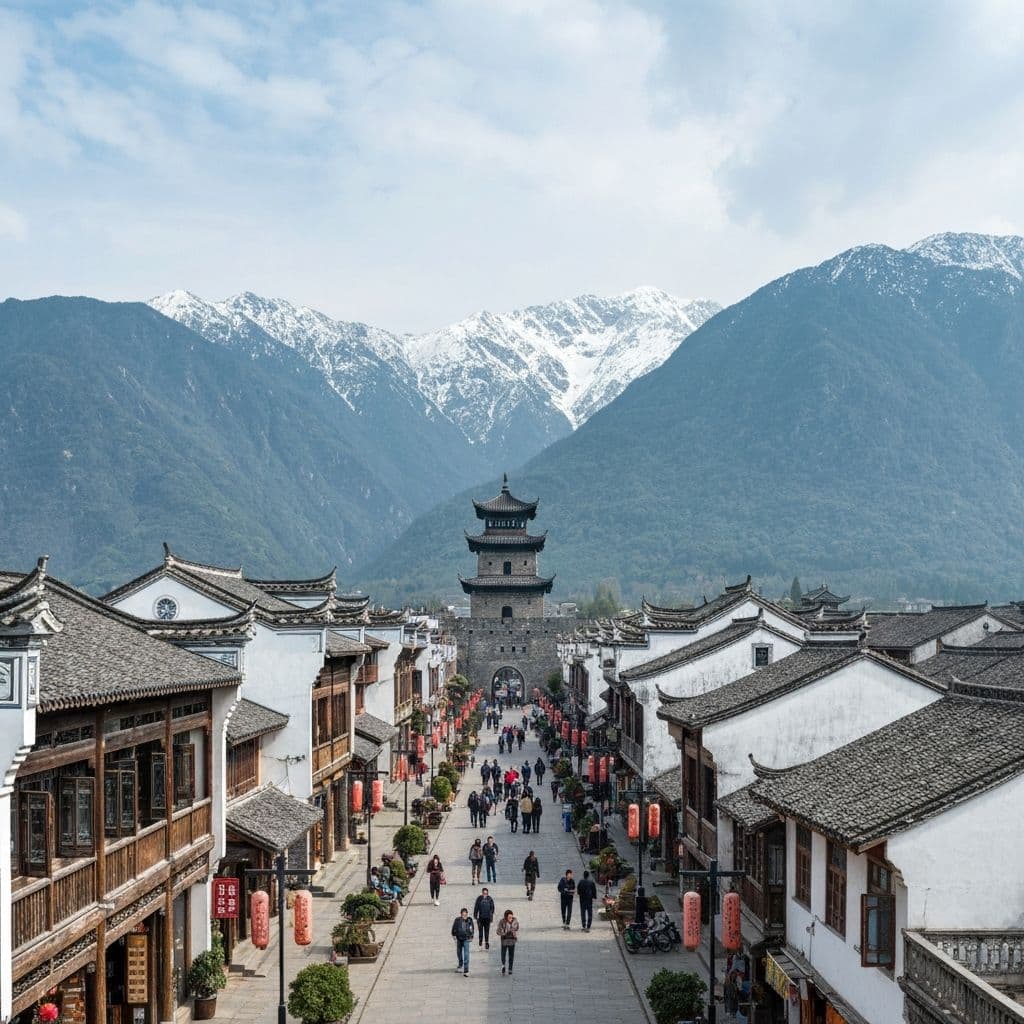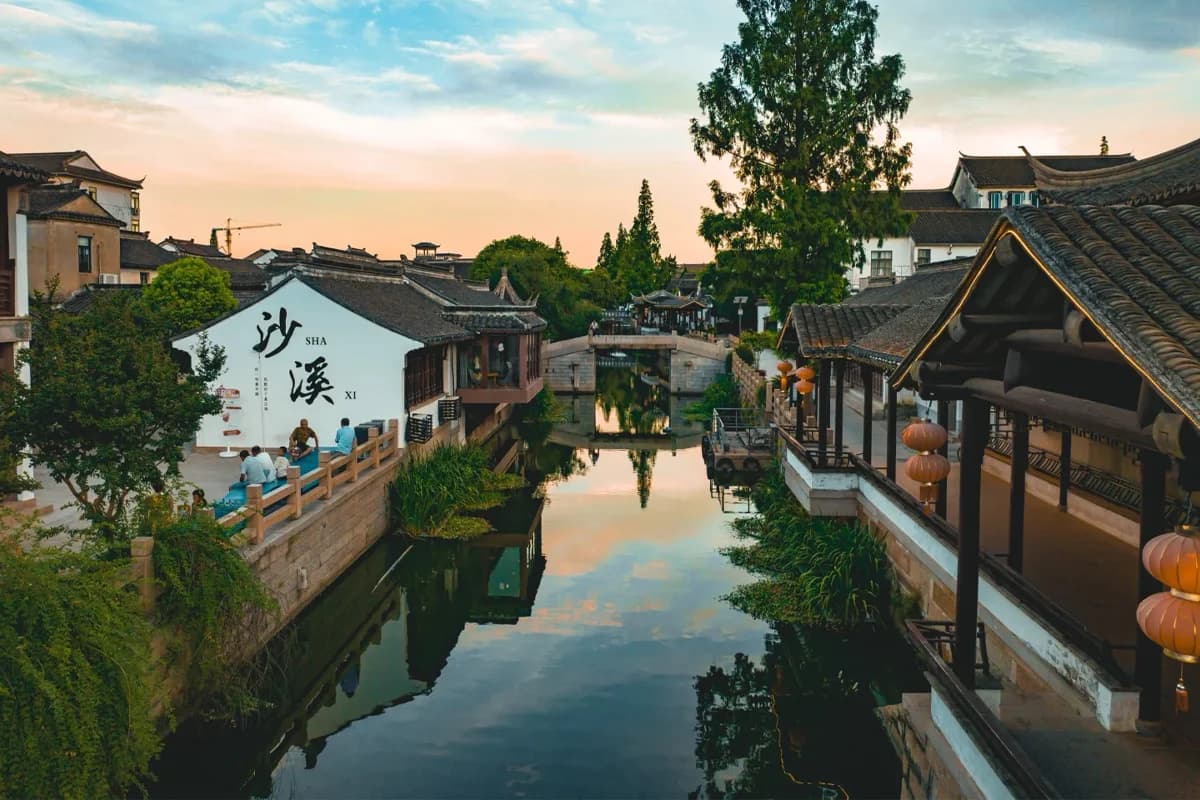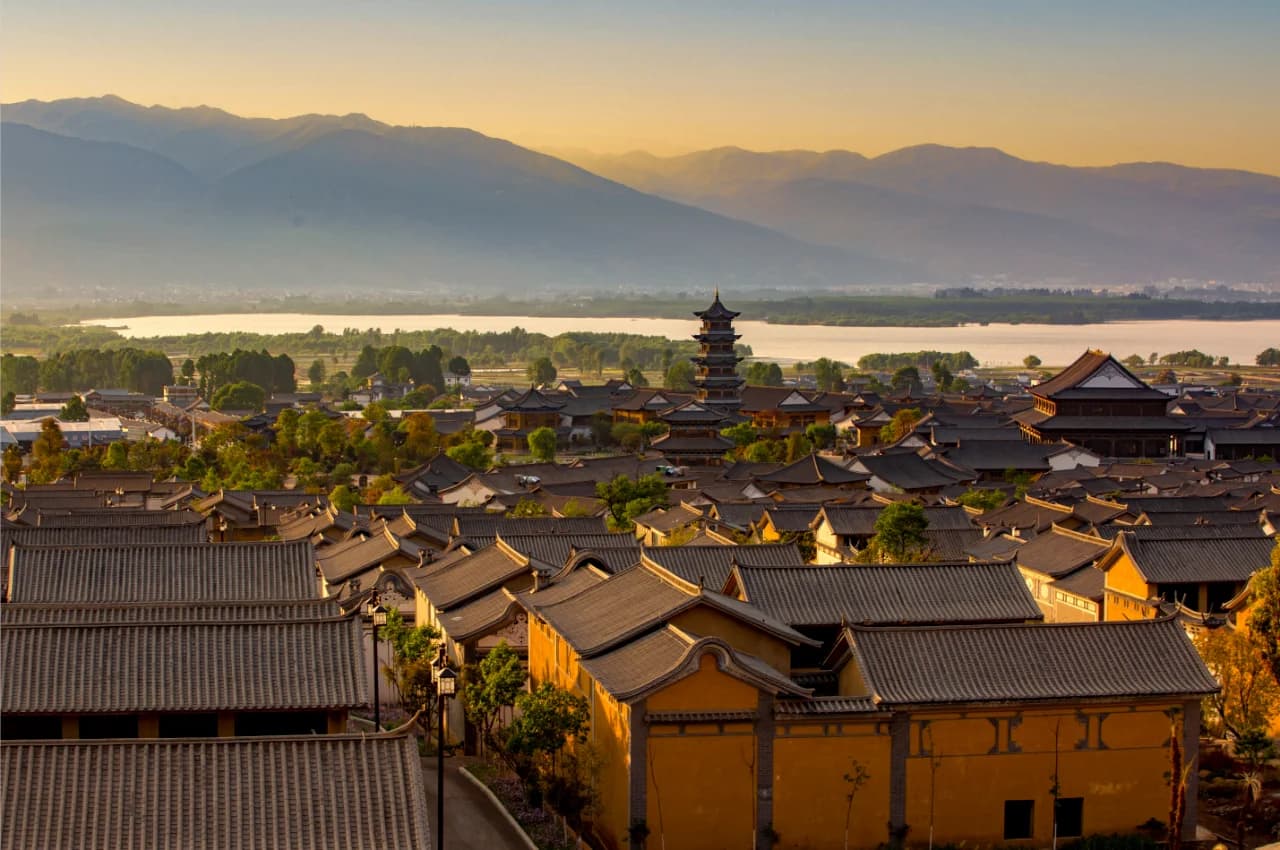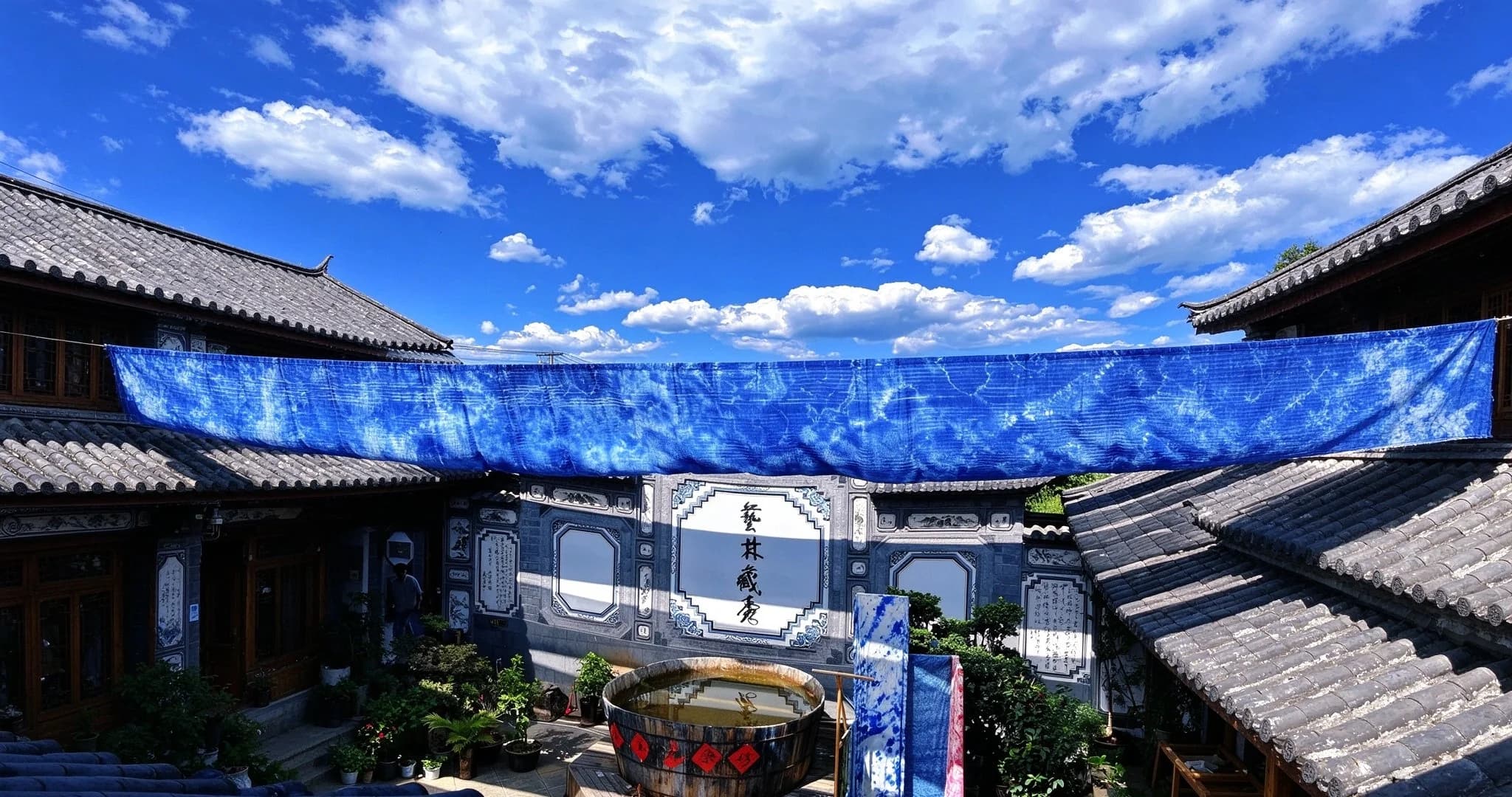
Located in the northern part of Xizhou Town, Dali—at the foot of Yunnong Peak of the Cangshan Mountains—Zhoucheng is the largest Bai ethnic village in China. It is also the birthplace of Bai tie-dyeing and is renowned as the "Home of Bai Tie-Dye Art." In its heyday, the village was characterized by the saying, "Every household has a dye vat, and every family produces tie-dyed textiles," with nearly everyone possessing the skills for this craft.
Bai tie-dyeing, known in ancient times as "jiaoxie" (bound-resist dyeing), originated during the Han and Jin dynasties and flourished throughout the Tang and Song dynasties. It utilizes natural Isatis indigotica (woad/indigo) root—sourced from the Cangshan Mountains—as a dye. Through a four-step process of binding, stitching, dyeing, and removing the bindings, each piece of fabric becomes entirely unique; for this reason, it is often referred to as "blue-and-white porcelain on fabric." In 2006, the craft of Bai tie-dyeing was included in the first batch of the National List of Intangible Cultural Heritage.
What should I focus on?
Puzhen Bai Ethnic Tie-Dye Museum
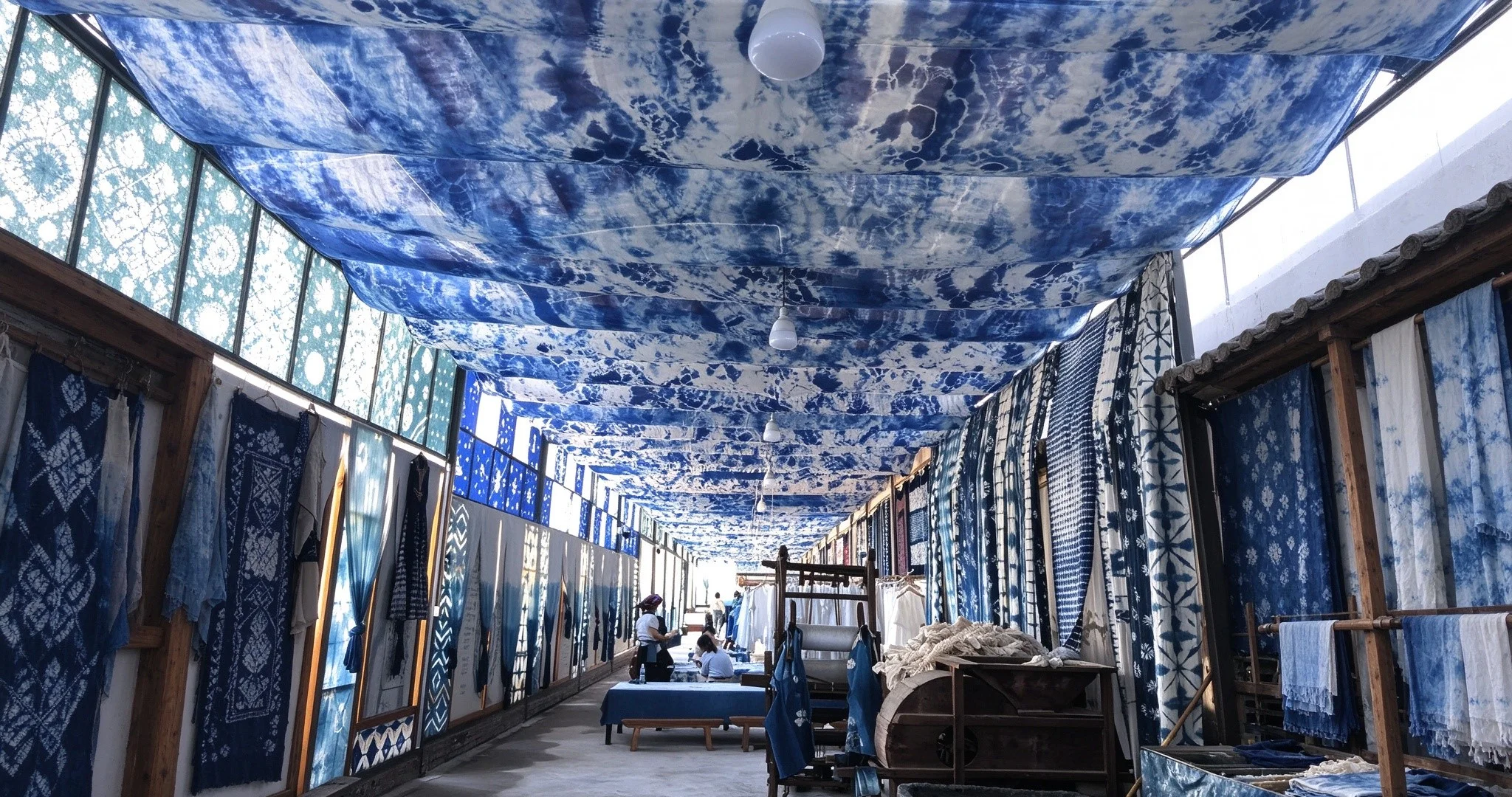
Located at No. 61, Yunnan-Tibet Highway, in Zhoucheng Village, this is China’s first public-interest museum dedicated to the traditional tie-dye craft of the Bai ethnic group. The museum features exhibition areas such as "Origins of Tie-Dye," "Tie-Dye Families," and "Exquisite Works," showcasing artifacts including tie-dyed handicrafts and traditional looms. It offers a comprehensive look at the entire tie-dye process—from the cultivation of raw materials and the preparation of dyes to the display of finished products.
Tie-Dye Craft Experience
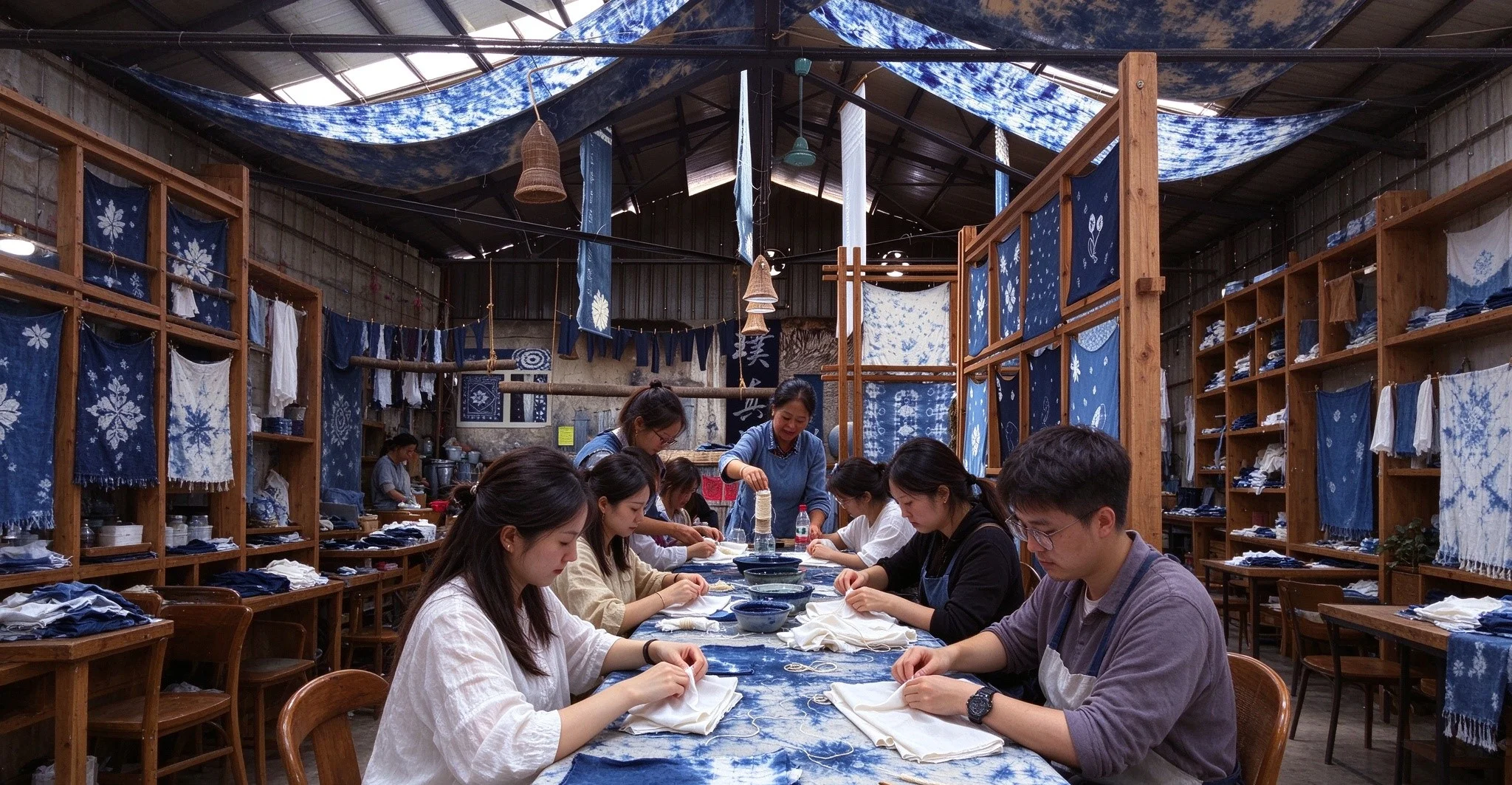
This is the quintessential experience in Zhoucheng. At the tie-dye workshop, you can learn the entire process—from tying the patterns and immersing the fabric in dye, to removing the threads—under the guidance of local Bai ethnic women.
Nearby Attractions
Zhoucheng is situated between the Butterfly Spring scenic area to the north and the ancient town of Xizhou to the south, making it convenient to visit all three in a single trip. Butterfly Spring features a butterfly breeding base and educational activities about butterflies, while the ancient town of Xizhou is home to a collection of traditional Bai-style architecture and local delicacies such as posu baba (flaky savory flatbread).
How to get there
Located near the Cangshan Gate of Dali Ancient City (diagonally across from the Sanyue Street archway), it is about a 40-minute drive away.
A taxi ride from Dali Ancient Town to Zhoucheng takes about 30–35 minutes and costs approximately 40–50 yuan.
Recommended Visiting Route
Recommended duration: 2–4 hours:
Recommended activities:
Puzhen Tie-Dye Museum (to learn about the history and culture of tie-dyeing)
Tie-dyeing experience
Zhoucheng Market (to sample local snacks)
If you have extra time, feel free to explore more of Zhoucheng.
Practical Advice
Best time to visit: Suitable year-round; open all day. A daytime visit is recommended, as natural light beautifully complements the expansive displays of blue-dyed fabrics.
Dining Recommendations: The best food in Zhoucheng isn't in restaurants, but in the market and street stalls. Recommended items include freshly roasted milk fan (乳扇), roasted rice cake (饵块), and pea flour noodles.
Tie-dyeing: Admission to the Puzhen Tie-dye Museum is free, but the price for tie-dyeing in the experience area is relatively high. If you are looking for better value, you can try it at a family workshop in the village after your visit.
Tying techniques: The tighter the knots and the more numerous the folds, the more unique the pattern will be. The duration of the oxidation process determines the depth of the color, allowing you to control the overall color tone. Finished pieces can be blow-dried on-site to take home immediately, or you may choose to have them mailed to you.
Frequently Asked Questions
Q1: Is an admission ticket required for Zhoucheng?
A: Admission to Zhoucheng Village is free, and it is open all day. The Puzhen Bai Tie-Dye Museum is also free to visit, though there is an additional charge for tie-dyeing experience activities.
Q2: How much does a tie-dye experience cost?
A: At family workshops within the village, it costs approximately 80–120 RMB per person (materials included), while at the experience area in the Puzhen Museum, it is about 100–150 RMB per person. Please note that prices vary depending on the item—such as a scarf, canvas bag, or skirt.
Q3: How long does the tie-dye experience take?
A: A simple session (such as for a square scarf) takes about 40 minutes to an hour, while more complex patterns may require 2–3 hours. Including time for taking photos and exploring the village, we recommend setting aside 3–4 hours in total.
Q4: Which is more worth visiting, Zhoucheng or Xizhou Ancient Town?
A: They offer different experiences. Zhoucheng focuses on intangible cultural heritage—specifically tie-dyeing—and the atmosphere of a traditional Bai ethnic village, while Xizhou is centered on its collection of Bai-style architecture and pastoral scenery. The two are located very close to each other (with Zhoucheng situated just north of Xizhou), so it is best to visit both rather than choosing one over the other.