Overview
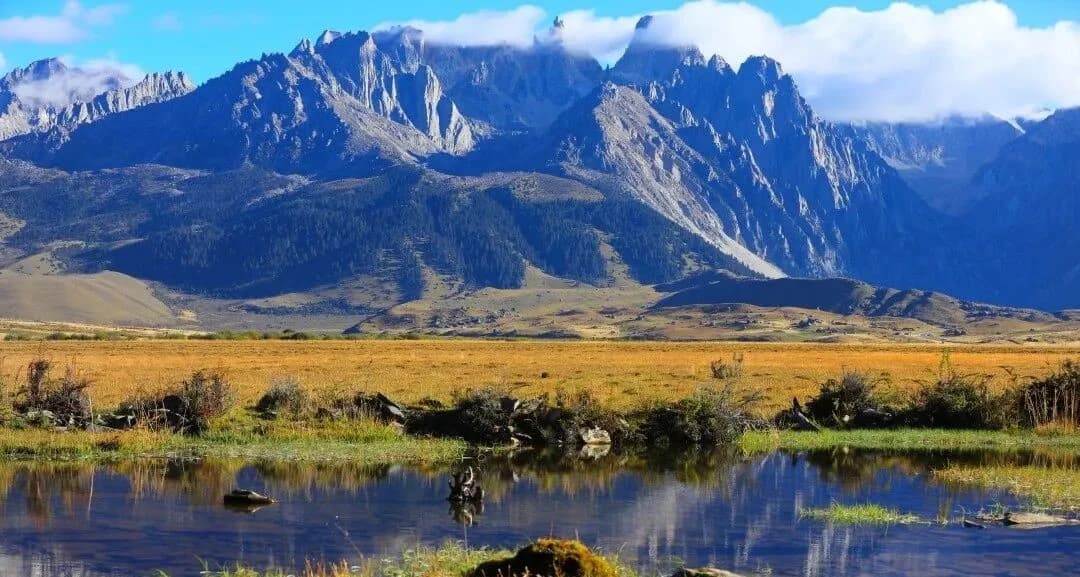
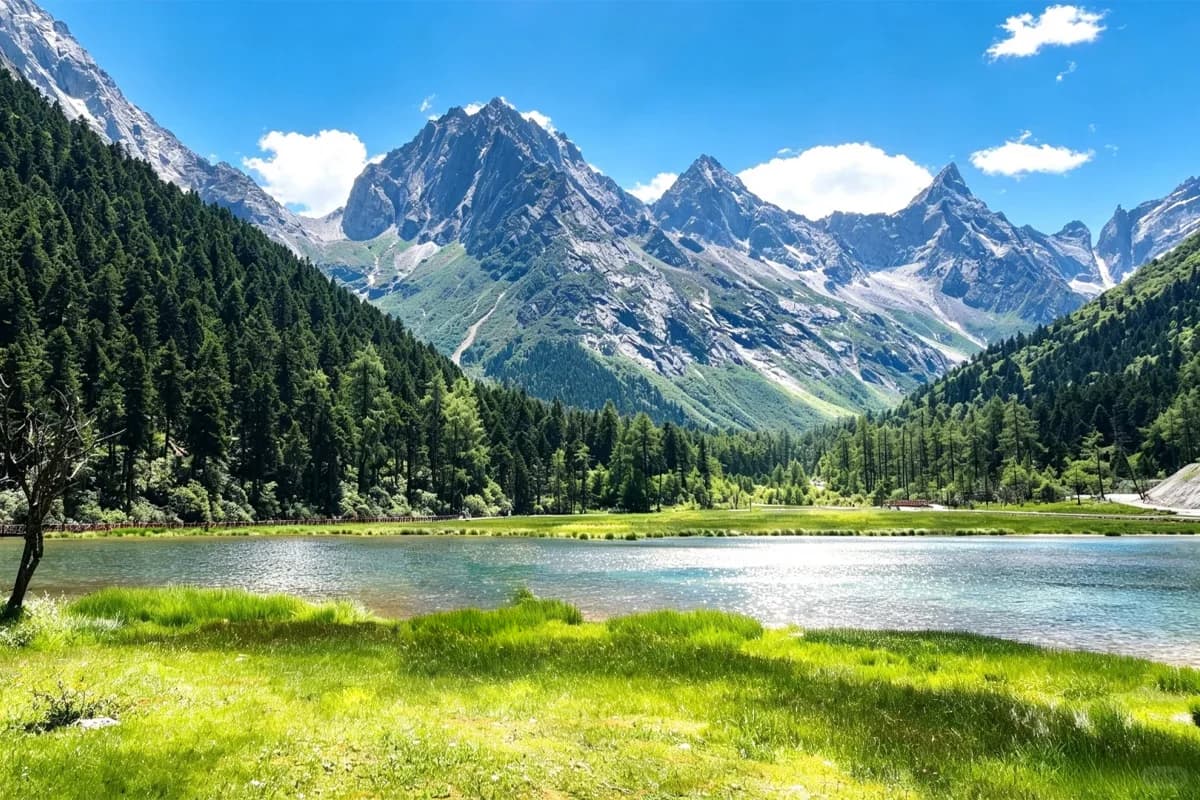
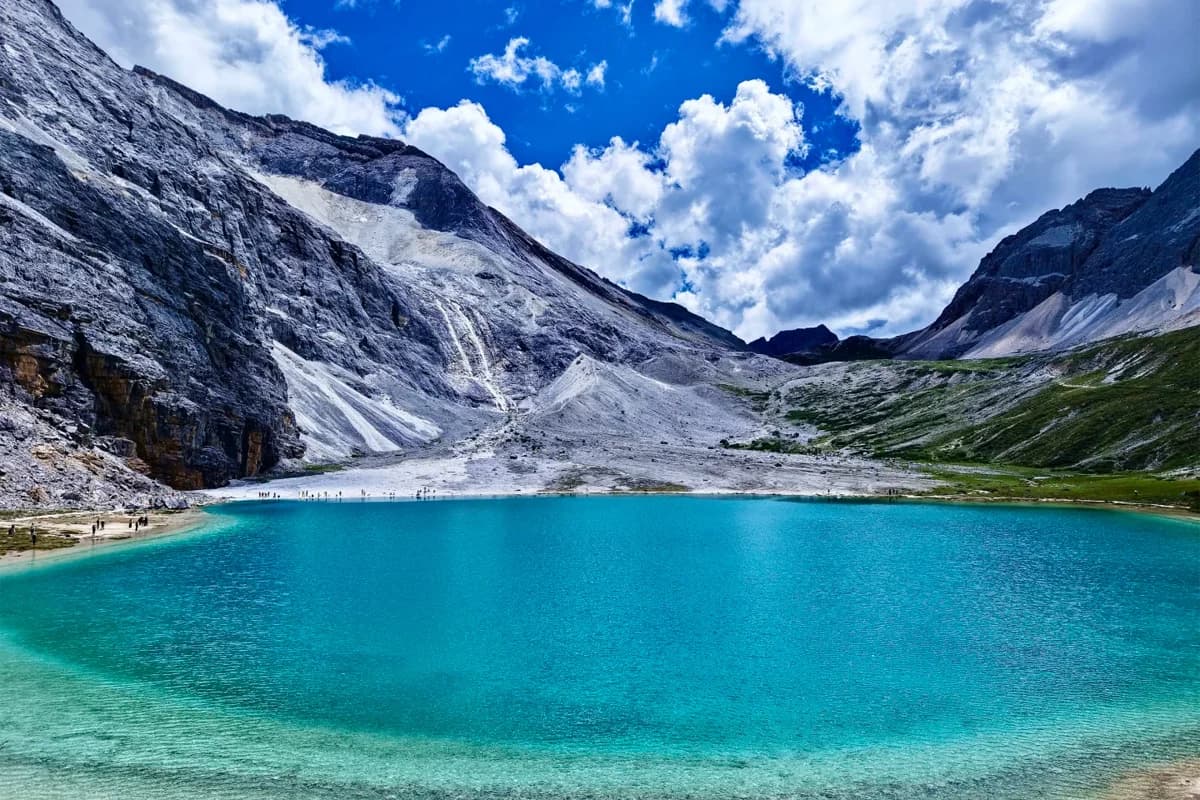
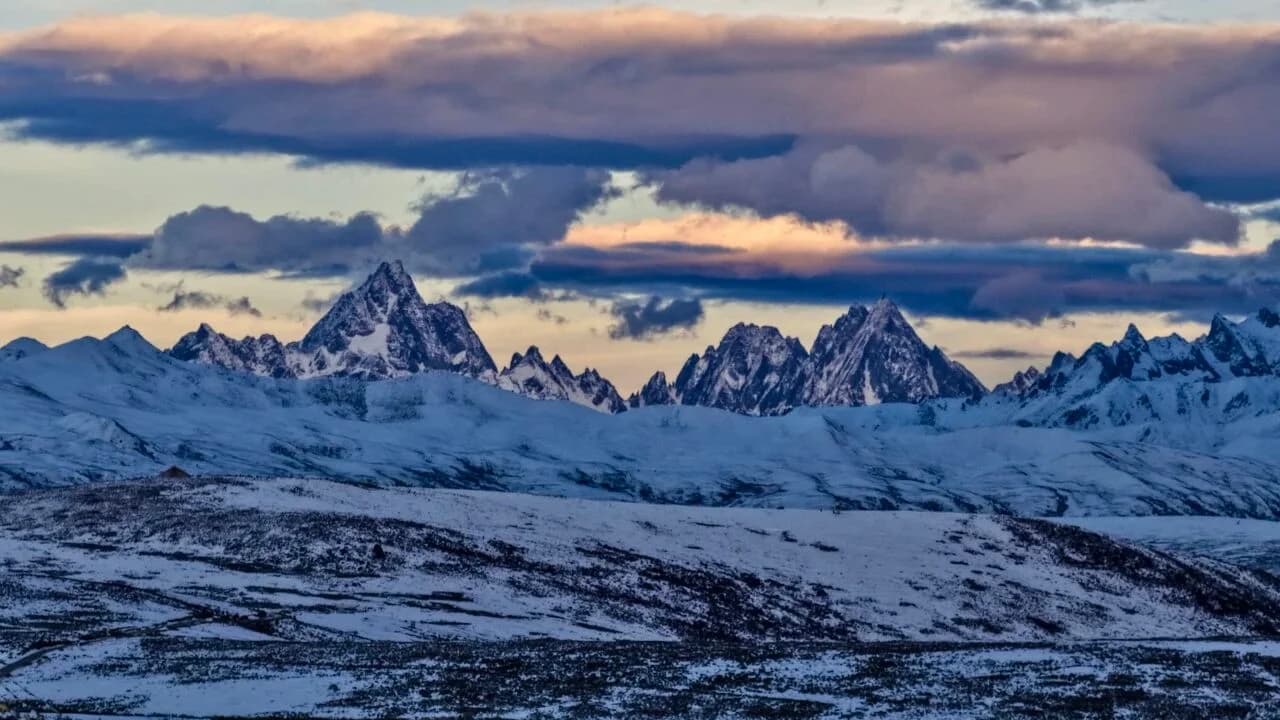
Yuzixi, at an altitude of approximately 4200 meters, is a 360-degree snow-capped mountain viewing platform. The best time to arrive is around 4 PM to wait for the sunset around 6 PM and witness the spectacular "Golden Mountain Sunrise" phenomenon where Yala Snow Mountain and Gongga Snow Mountain are bathed in the golden light of the setting sun. On clear days, you can also see a dazzling starry sky and the Milky Way after 8 PM. The best time to visit is autumn (late September to late October) with clear skies and high visibility, followed by winter (November to March of the following year) for photographing pristine snowscapes and starry skies.
How to Get There
For transportation, you can choose to hire a car or drive yourself from Chengdu. The journey via the Ya'an-Kangding Expressway takes approximately 4-5 hours to reach Kangding, then crosses the Zheduo Mountain to reach Xinduqiao Town. When traveling from Xinduqiao to Yuzixi, it's recommended to first set your navigation to "Yuzixi Third Village," and then navigate to "Yuzixi Starry Sky Campsite" upon arrival, as this will result in better road conditions. The final section of the mountain road is a gravel and dirt road, bumpy and with many curves; it is strongly recommended to drive a high-clearance SUV or four-wheel drive vehicle. Snow chains are necessary during the rainy and winter seasons.
New drivers or those unfamiliar with the road conditions are advised to choose a local chartered car or carpooling service in Xinduqiao Town to ascend the mountain. The access road to the summit closes at 7:00 PM daily; please plan your time accordingly.
What to Expect
Yuzixi is a relatively undeveloped high-altitude viewing platform with simple facilities. There's a parking lot at the summit, and the viewing area features popular swings, prayer flags, and Nordic-style cabins for photo opportunities. There are basic public restrooms (conditions are limited, and queues are long), and occasionally small shops selling instant noodles and hot water.
There are no formal restaurants or gift shops, so it's recommended to bring your own food, drinking water, and a thermos. Due to the high altitude, strong winds, and extreme temperature differences between day and night, please be sure to prepare warm, windproof clothing.
Practical Tips
- Go early, ideally before 09:30, for cooler weather, softer light, and fewer local weekend crowds.
- Use Gaode Maps or Baidu Maps with the Chinese name shown at your hotel front desk, since English pin names around western Chengdu can be inconsistent.
- Pack mosquito repellent from May to September because wetland edges and shaded paths can be buggy at dusk.
- The weather is cold on the plateau, so even in summer you should bring warm clothing.