Overview
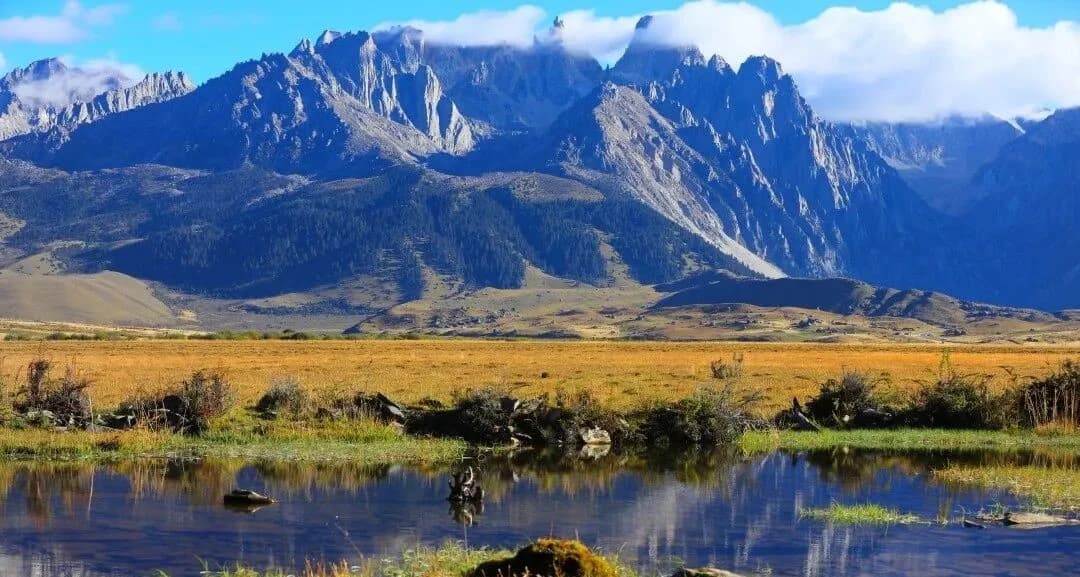
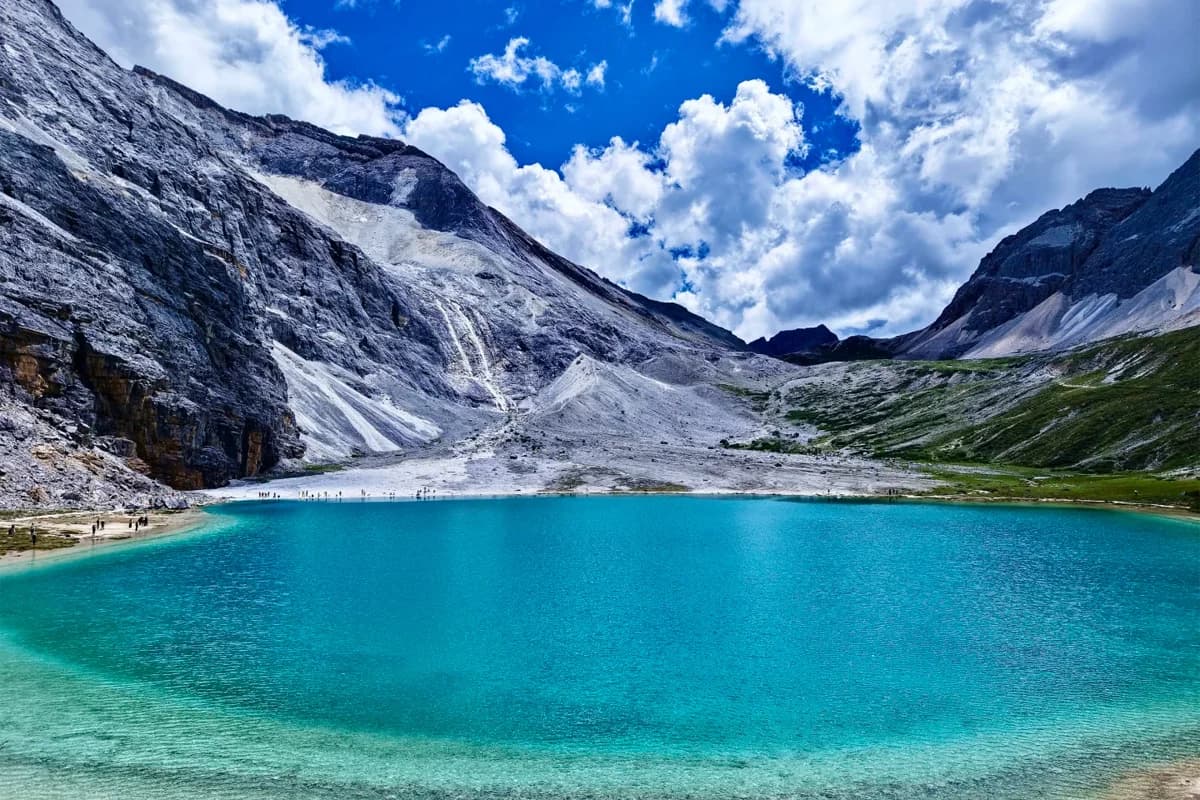
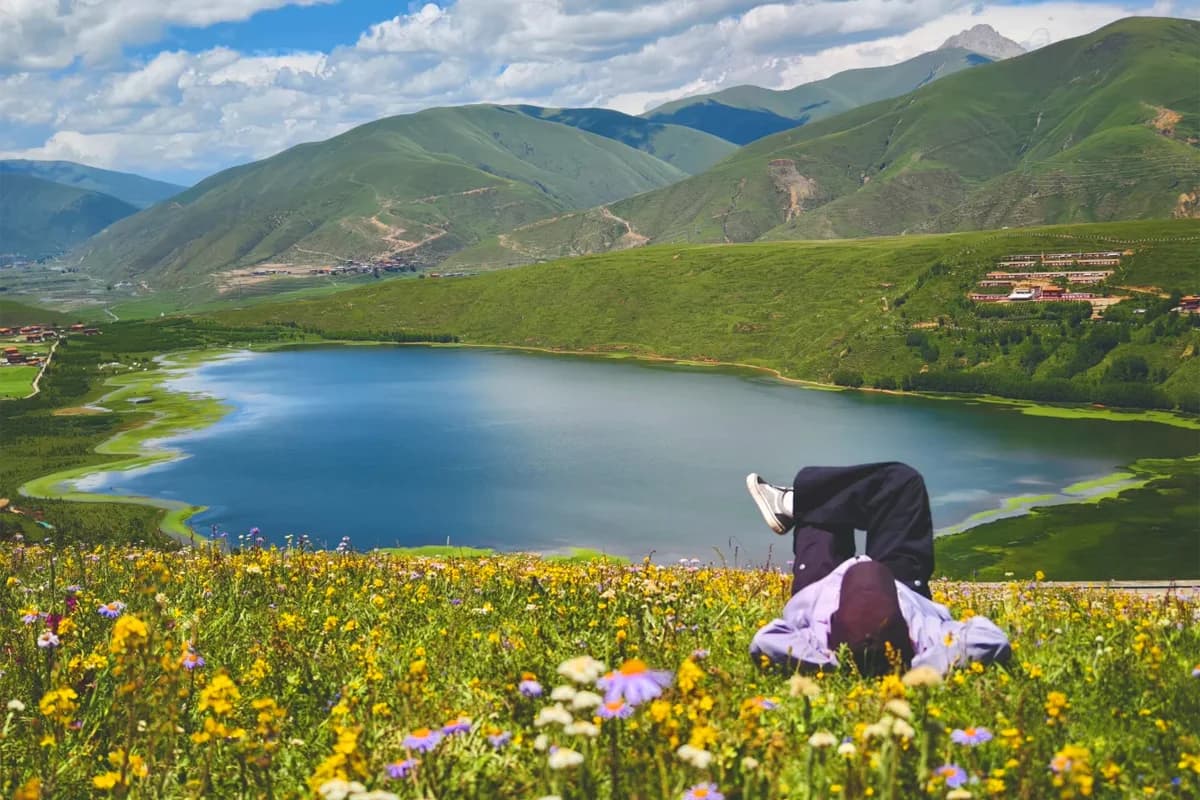
Lake Kasa, located in Luhuo County, Ganzi Tibetan Autonomous Prefecture, Sichuan Province, beside National Highway 317, is a free-to-enter high-altitude freshwater lake, renowned as the largest waterbird habitat in northwestern Sichuan. A visit of 2-3 hours is recommended, with the best season being June to October when wildflowers bloom along the lakeshore, aquatic plants flourish, and the climate is pleasant.
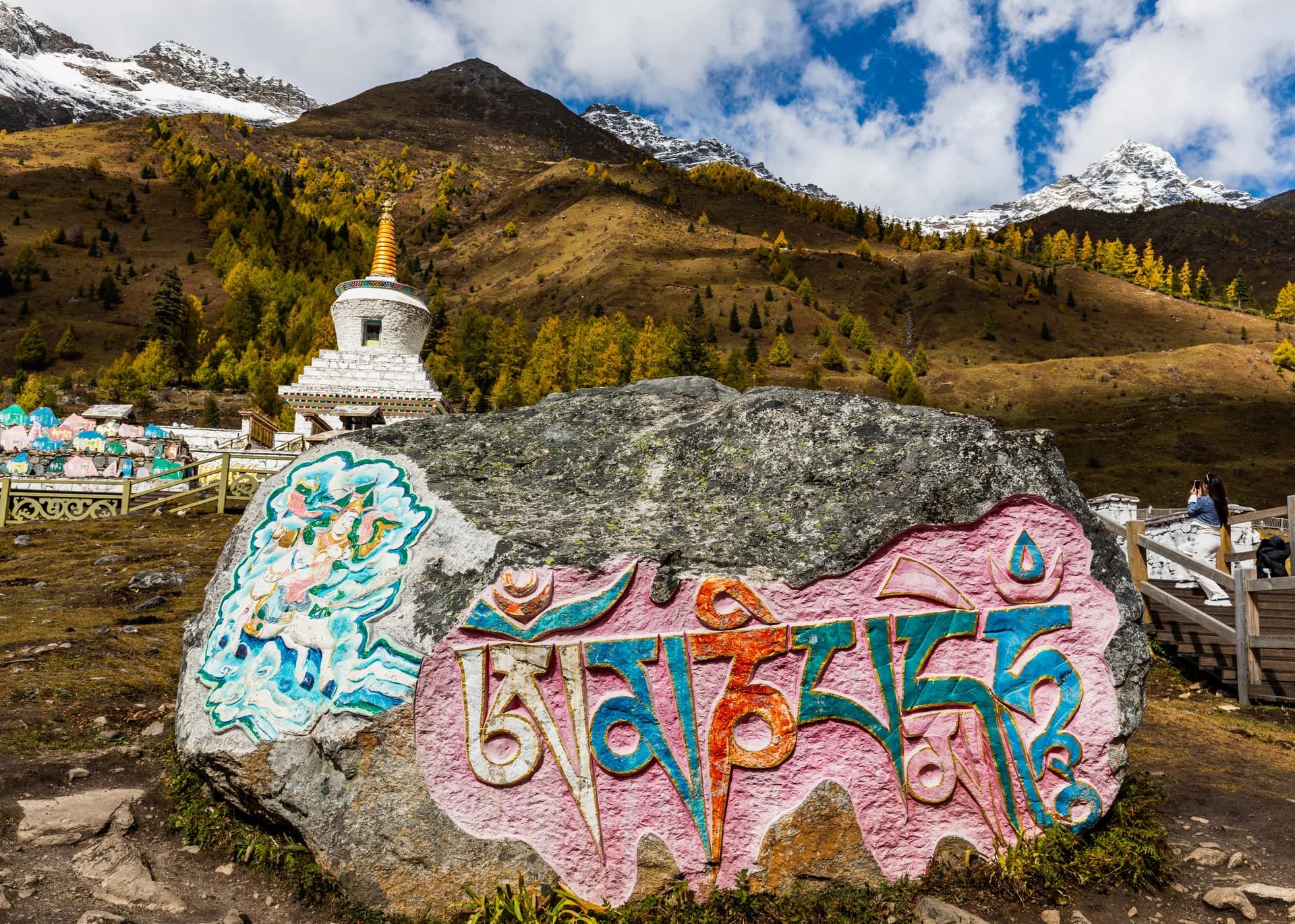
Besides enjoying the scenery and photographing the waterbirds, the most magical experience is "calling the fish"—making a sound will attract schools of high-altitude naked carp and other fish. This is also considered a sacred lake by the locals; please respect local culture when visiting.
How to Get There
Lake Casa is located beside National Highway 317, and transportation mainly relies on roads. For independent foreign travelers, you can first take a long-distance bus to Luhuo County (the ticket price from Kangding is about 85 yuan, and the journey takes about 7 hours), and then hire a car in the county to go to the lake area. The car rental fee is about 150 yuan per day. If you drive yourself or hire a car, drive west along National Highway 317 from Luhuo County for about 1 hour (about 70 kilometers). After entering Chonggu Township, follow the road signs to turn onto the rural roads, which will lead directly to the lake. There are clear navigation points for "Lake Casa Viewpoint" along the way. The recommended route is to first drive to the viewpoint on the mountaintop next to the national highway for a panoramic view, and then go down to the lake for a closer walk and to feed the fish.
What to Expect
Lake Casa is currently a relatively undeveloped and pristine area. Free, simple parking is available along the lake. From the parking lot, a dirt path or grassy area leads to the water; the terrain is relatively flat, but there are no dedicated walking trails or steps. There is no permanent visitor center within the scenic area, therefore no gift shops, and facilities such as restrooms are very limited (it is recommended to arrange these in advance in Luhuo County). There are no restaurants by the lake or in the villages; it is advisable to bring your own water and food. Furthermore, this is a sacred lake; out of respect, please do not fish or feed the fish without permission.
Practical Tips
- Arrive before 10:00 for softer light, fewer tour groups, and better chances of seeing birds along the wetland edge.
- Use Gaode Maps or Baidu Maps in Chinese for navigation; searching both the English name and the Chinese attraction name usually gives more accurate results.
- The weather on plateaus is unpredictable, so be sure to bring a windproof jacket, sun hat, sunglasses, and sunscreen.
- When circling the lake, pay attention to the direction you are turning; turn clockwise.