religiousLhasa
Sera Monastery
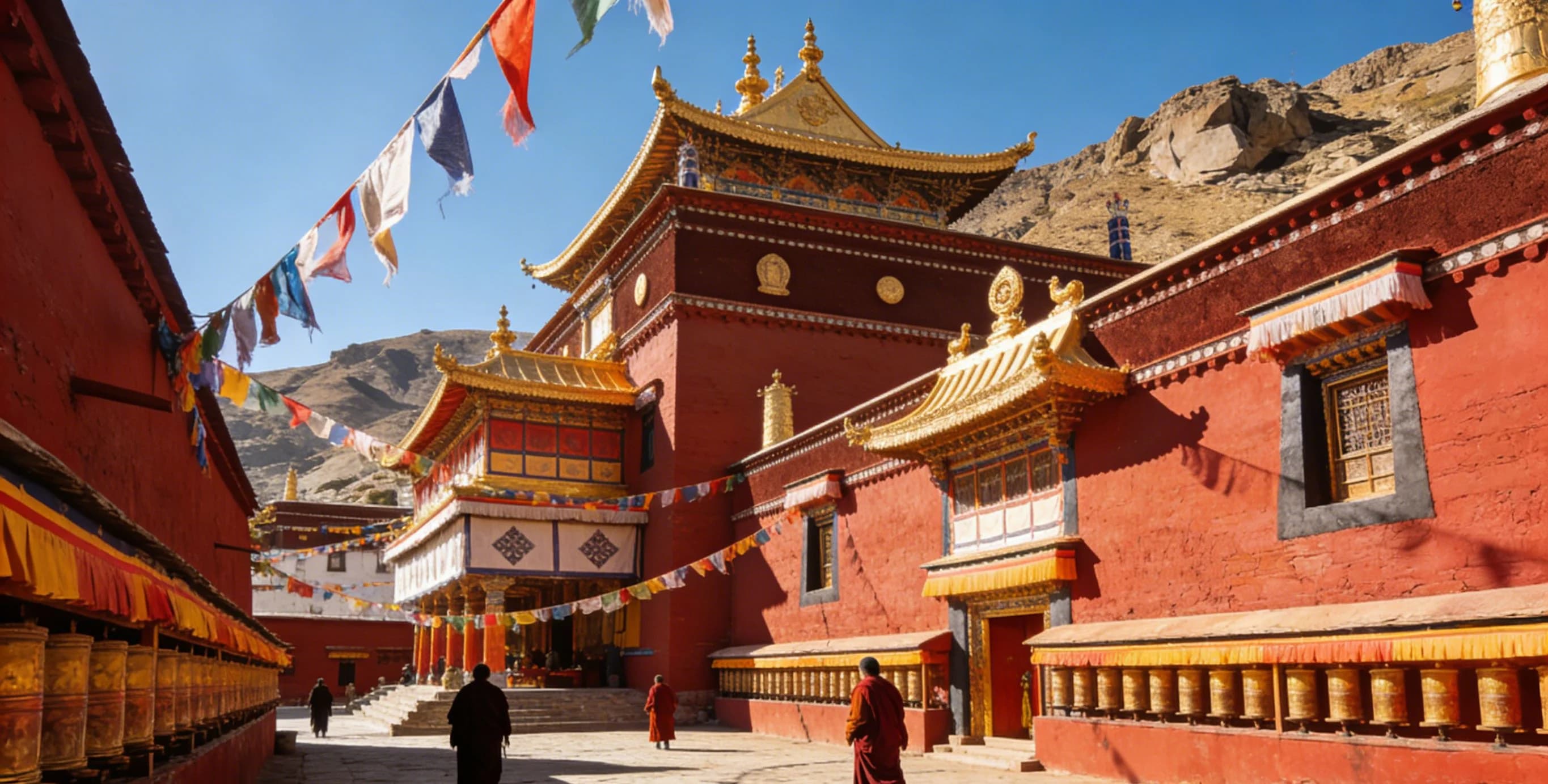
Sera Monastery is a religious attraction in Lhasa known for its dramatic monk debates, major Gelugpa heritage, and hillside setting beneath Tatipu Hill. Founded in 1419 during the Ming period by Jamchen Chojey, a disciple of Tsongkhapa, it became one of the “Three Great Monasteries” of Lhasa in Tibetan Buddhism. For travelers, it is not only a monastery but also a living center of study, prayer, and ritual.
Opening Hours
9:00 AM - 4:00 PM
Ticket Price
¥50
Location
No. 1 Sera Road, Chengguan District, Lhasa City, Tibet Autonomous Region
Overview
Sera Monastery, one of Lhasa's three major monasteries, is famous for its daily afternoon debates among monks. Even if you don't understand Tibetan, the passionate clapping and questioning are incredibly captivating. The monastery houses a precious Hayagriva statue and exquisite murals. A visit of 3-4 hours is recommended, with the best time being in the afternoon to witness the debates (Monday to Saturday, 3:00 PM - 5:00 PM) and admire the red walls and golden roofs bathed in soft light. Please maintain quiet and respect religious sites during your visit.
How to Get There
Sera Monastery is located at No. 1 Sera Road, Chengguan District, Lhasa. The most convenient way to get there from the city center is by taxi, a journey of about 15-20 minutes and costing approximately 15-20 yuan. Alternatively, you can take the bus; several bus routes, including 16, 22, 23, and 24, have a stop at "Sera Monastery," costing only 1 yuan. From there, it's a short walk. A suggested itinerary is as follows: First, purchase tickets to visit the main hall and the main colleges. Around 2:30 PM, head to the debating ground to secure a good spot to watch the debating sessions begin at 3:00 PM. Afterwards, you can freely take photos of the architecture or, depending on your physical condition, climb the hill behind the monastery for a panoramic view of Lhasa.
What to Expect
Sera Monastery is primarily explored on foot, with numerous steps and gentle slopes. Given its altitude of approximately 3700 meters, a slow pace is recommended. Restrooms are located in the main halls, and there are simple gift shops and stores near the entrance and inside where you can purchase souvenirs. Photography with mobile phones is permitted outside the debating area and main halls, but professional cameras and flash photography are strictly prohibited. Photography is also prohibited inside some halls. The hiking trail at the back of the monastery is a gravel path; be sure to bring drinking water and oxygen cylinders.
Practical Tips
- 1Use your passport when buying entry tickets, and bring it with you throughout Lhasa since ID checks can still apply in 2026 for some tourist sites and transport points.
- 2Lhasa sits at about 3,650 meters above sea level, so walk slowly, drink water, and avoid rushing uphill to the hillside hermitages on your first day.
- 3Sera Monastery allows visitors to bring a small amount of drinking water and simple food, which must be eaten in designated areas. Eating in the main halls or debating areas is prohibited.
- 4When walking around the temple, turning prayer wheels, or worshipping Buddha, proceed in a clockwise direction.
Share This Attraction
Found this helpful? Share it with fellow travelers!
Explore Lhasa
Discover more attractions, food, and travel tips for Lhasa.
View destination
More Attractions to Explore
Lhasa·religious
Jokhang Temple
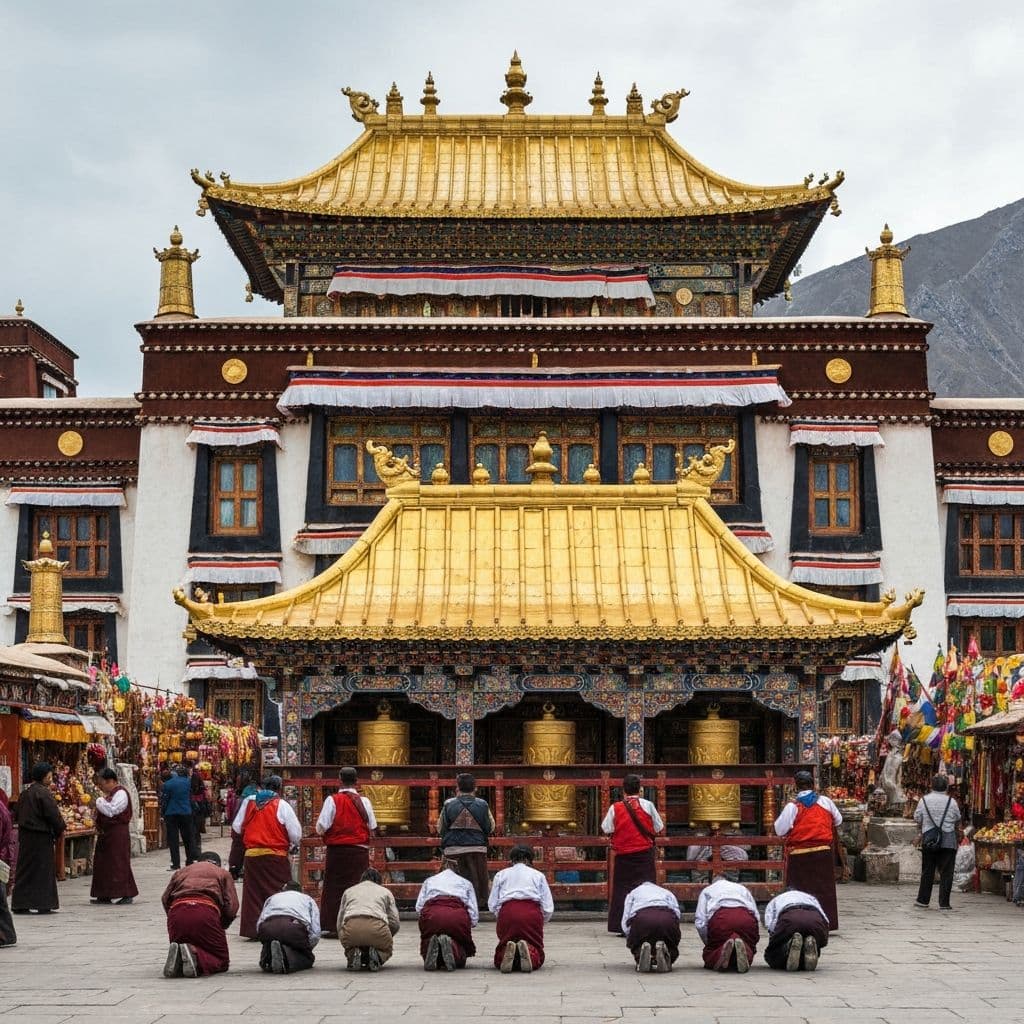
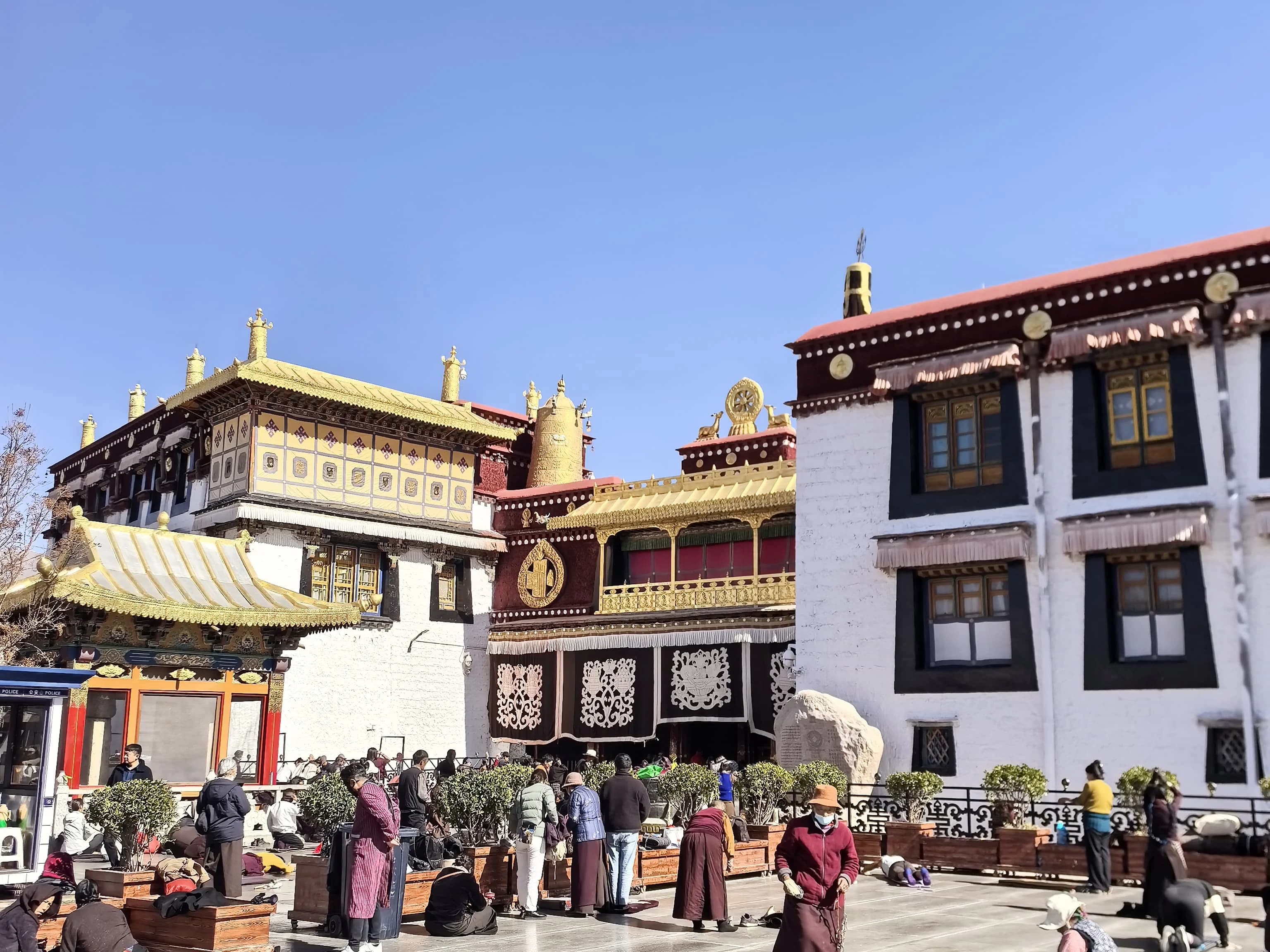
Tibet's most sacred temple, Jokhang is the spiritual heart of Tibetan Buddhism. Built in 647 AD, it houses the Jowo Rinpoche - a gold statue of the young Buddha said to have been blessed by Buddha himself. Pilgrims prostrate around the temple on the Barkhor circuit, spinning prayer wheels and burning juniper incense. The rooftop offers stunning views of Potala Palace.
Lhasa·religious
Zhaqi Temple
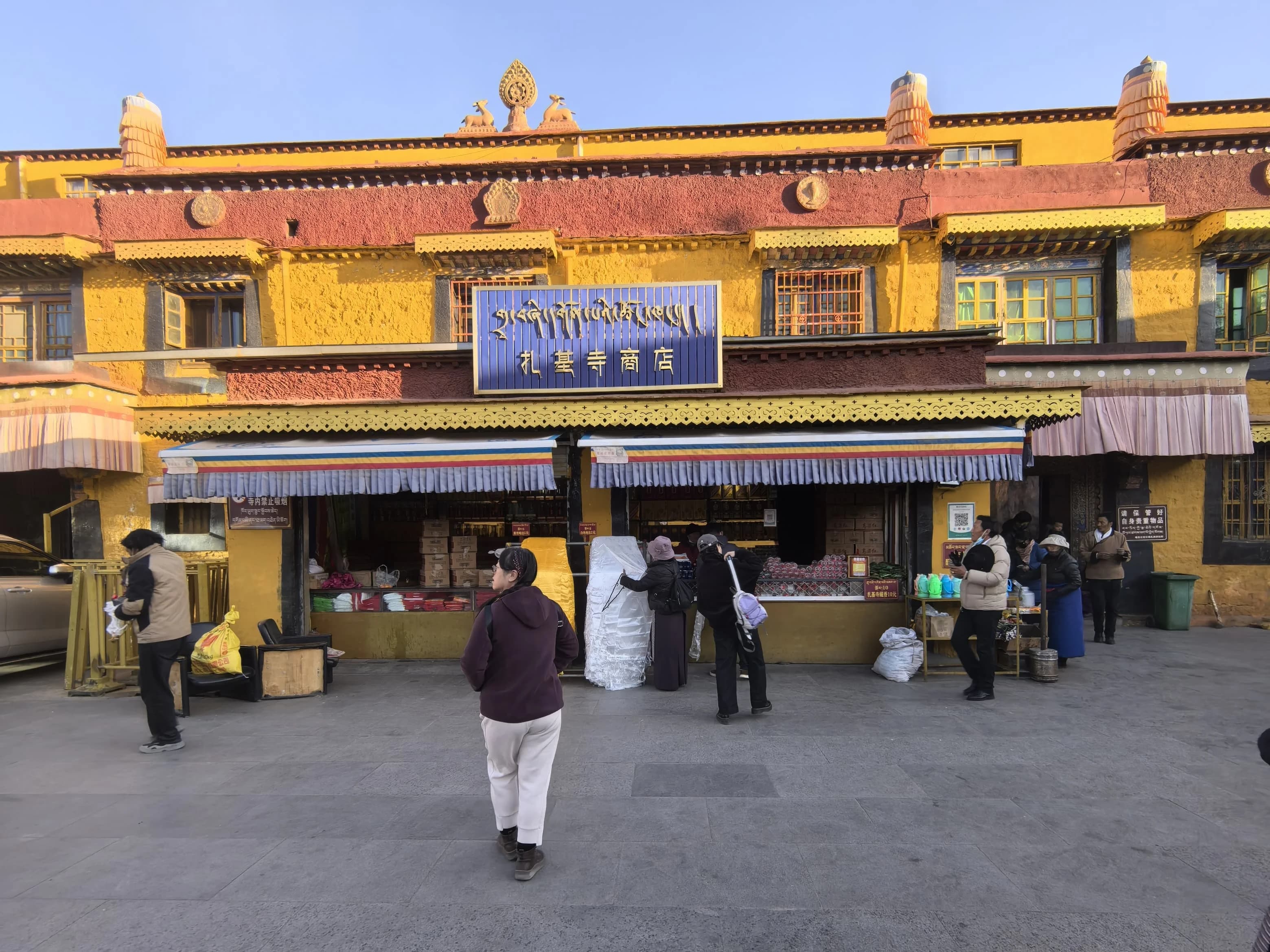
Zhaqi Temple is a religious attraction in Lhasa known for its lively local worship of Zhaqi Ram (扎基拉姆), a protector deity widely associated with luck, prosperity, and everyday blessings. This small Tibetan Buddhist temple is one of the city’s most active neighborhood shrines rather than a grand monument, which is exactly why many travelers find it memorable.
Lhasa·historical
Barkhor Street(八廓街)
Barkhor Street(八廓街) is a historic landmark in Lhasa, renowned for its pilgrimage route around the Jokhang Temple and the vibrant blend of Tibetan religion, commerce, and daily life. Walking clockwise with pilgrims is both a cultural tradition and an important way to experience the Tibetan circumambulation ritual. Compared to many newly developed areas, the alleyways surrounding Barkhor Street retain more of the charm of old Lhasa.