naturalLhasa
Basongcuo Scenic Area
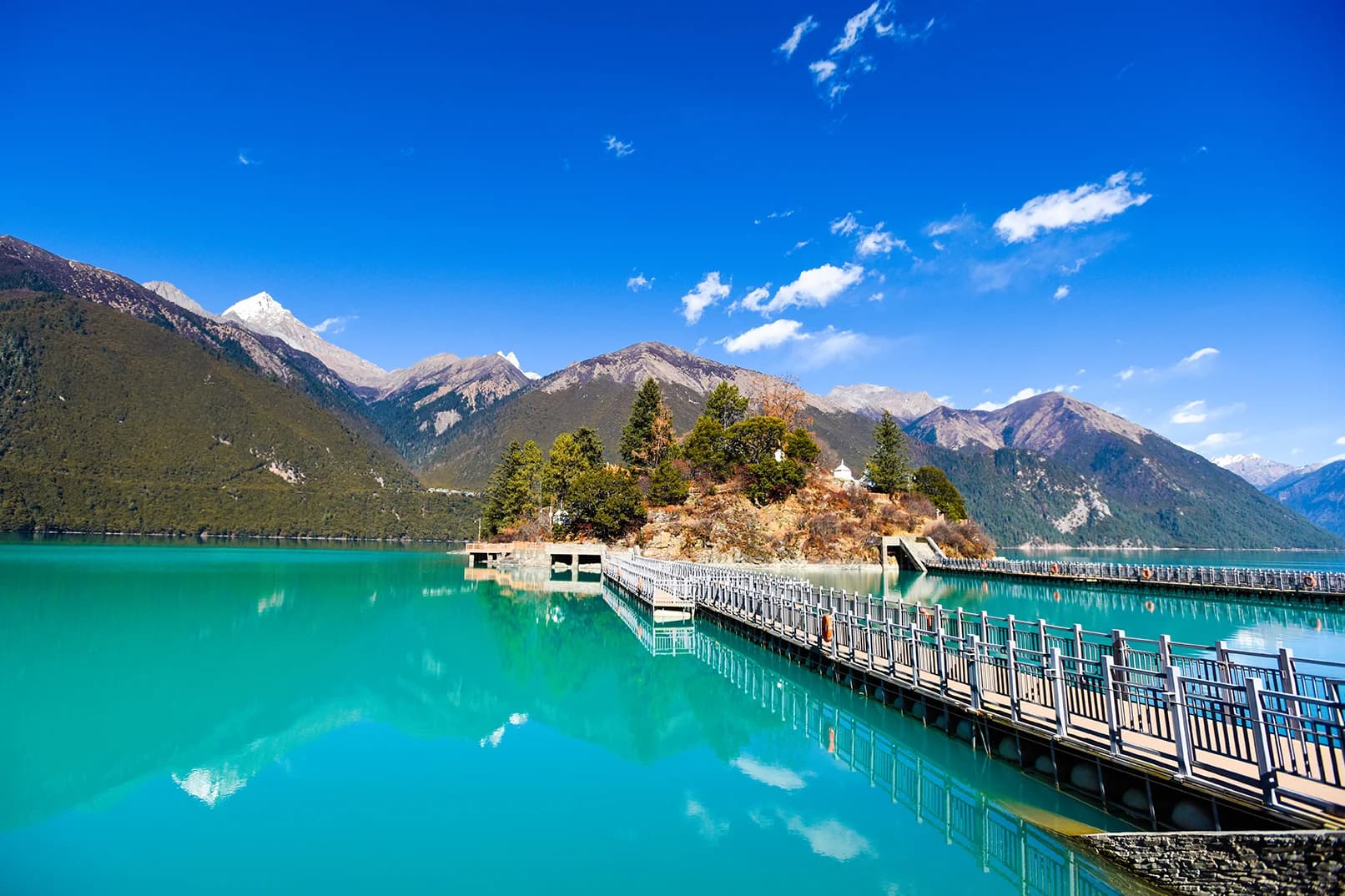
Basum Tso Scenic Area is a high-altitude natural landscape, renowned for its turquoise alpine lake, lush slopes, and Tibetan Buddhist cultural heritage. Although sometimes incorrectly listed under Xi'an in some online databases, it is actually located in Gongbo'gyamda County, Nyingchi City, Tibet Autonomous Region. Basum Tso Lake has long been revered in Tibetan culture, and the island monasteries in its center have close ties to the Nyingma school of Tibetan Buddhism, with a history dating back to the Tubo Dynasty and continuing religious activities into the 17th century.
Opening Hours
(March 15 - October 15): 8:30 AM - 8:30 PM; (October 16 - March 14): 9:30 AM - 7:30 PM
Ticket Price
(March 15 - October 15) ¥120; (October 16 - March 14) ¥60; sightseeing bus ¥45; boat ticket ¥160
Location
Cuogao, Gongbo'gyamda County, Nyingchi City, Tibet Autonomous Region
Overview
Basum Tso Scenic Area, located in Gongbo'gyamda County, Nyingchi City, Tibet, is also known as "Cuogao Lake," meaning "green water" in Tibetan, and is hailed as "Little Switzerland." The scenic area integrates snow-capped mountains, lakes, and forests. Key attractions include the ancient Cuozong Gongba Monastery on the island in the lake, and the Daqiela Viewpoint (offering panoramic views). A half-day to a full day is recommended for the visit. The best season to visit is autumn (September-October), when the forests are ablaze with color and the lake water is a mirror-like blue, creating the most magnificent scenery. Spring (March-April) offers a different kind of charm with peach blossoms blooming along the lake. The scenic area is at an altitude of approximately 3480 meters, with lush vegetation, making altitude sickness relatively rare.
How to Get There
The most convenient way is to depart from Bayi Town in Nyingchi City and take a direct bus from the passenger transport center to the scenic area. The journey takes about 2 hours and costs approximately 62 yuan. Driving or hiring a car is also convenient; it takes about 4-5 hours from Lhasa via the Linla Expressway; and about 120 kilometers from Nyingchi city, a 2-hour drive. Tour Route: After entering the scenic area, you will usually take a sightseeing bus (45 yuan/person). The first stop is the Daqiela Viewing Platform for panoramic views of Basongcuo Lake; then proceed to the island in the middle of the lake and hike to visit Cuozong Gongba Monastery. If time permits, you can continue by bus to Jieba Village to experience the Gongbo Tibetan culture. For those who prefer a more in-depth experience, you can drive or hire a car to Xincuo, deeper into the scenic area, for a light hike of about 3 hours, exploring the primeval forest and pastures.
What to Expect
The scenic area is a national 5A-level scenic spot with relatively complete infrastructure. Smooth walking paths and a lakeside road connect the main attractions, and the roads are in good condition. A floating bridge is needed to reach the island in the middle of the lake, and there are simple stone steps on the island. Clean public restrooms are available at the visitor center and core attractions (such as the island and Jieba Village). There are gift shops and restaurants at the entrance of the scenic area, and several Tibetan-style guesthouses and restaurants are available for food and lodging in Jieba Village, but prices are slightly higher than in the city.
Practical Tips
- 1Bring your passport and any Tibet travel documents — checks are routine, and ticket counters may refuse entry without original ID.
- 2Start early, ideally before 10:00, for calmer water, better lake reflections, and fewer tour groups at the island monastery.
- 3Respect local customs: When circling the lake or islands, please proceed clockwise, do not step on prayer flags, and do not point at the sacred mountain.
- 4The weather is changeable with large temperature differences between day and night, so be sure to bring a windproof jacket, a light down jacket, and a hat.
Share This Attraction
Found this helpful? Share it with fellow travelers!
Explore Lhasa
Discover more attractions, food, and travel tips for Lhasa.
View destination
More Attractions to Explore
Lhasa·natural
Namtso Lake
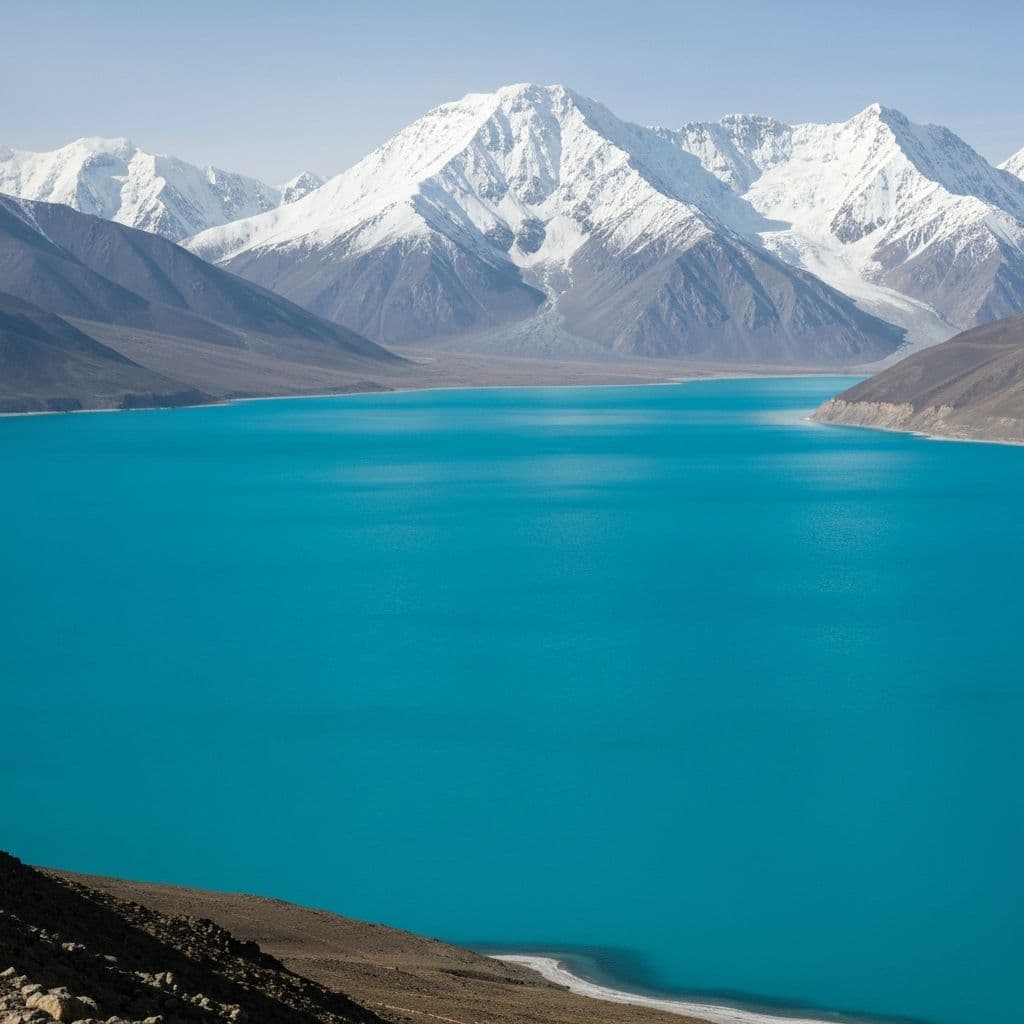
Tibet's largest lake and the world's highest saltwater lake at 4,718 meters, Namtso means 'Heavenly Lake' in Tibetan. The vast turquoise expanse backed by the 7,000m+ Nyenchen Tanglha mountain range creates a scene of incomprehensible beauty. Tashi Dor Peninsula with its cave hermitages is the main destination. Stargazing here reveals skies like nowhere else on Earth.
Lhasa·natural
Yamdrok Lake Scenic Area(羊卓雍措景区)
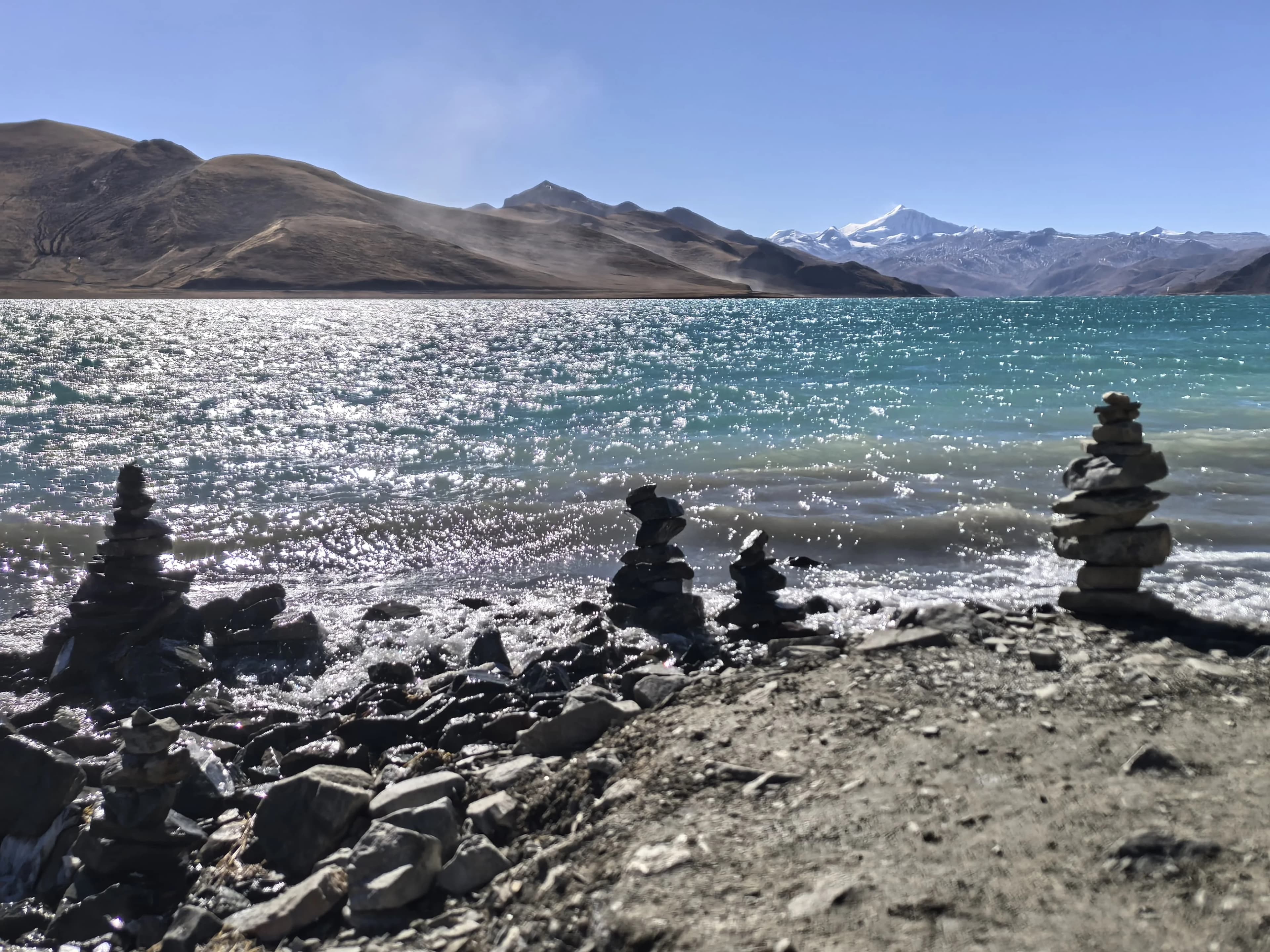
Yamdrok Lake is a natural scenic spot in Lhasa, renowned for its turquoise waters, magnificent mountain scenery, and its important place in Tibetan culture. Located about 70 kilometers southwest of Lhasa city center, Yamdrok Lake is one of the three holy lakes of Tibet. Its religious significance dates back to the Tubo Dynasty (7th-9th centuries AD), with local legends considering it an incarnation of a goddess. It is also situated on the ancient road connecting Lhasa and Gyantse, closely linked to Tibet's long-standing trade and pilgrimage sites.
Lhasa·historical
Potala Palace
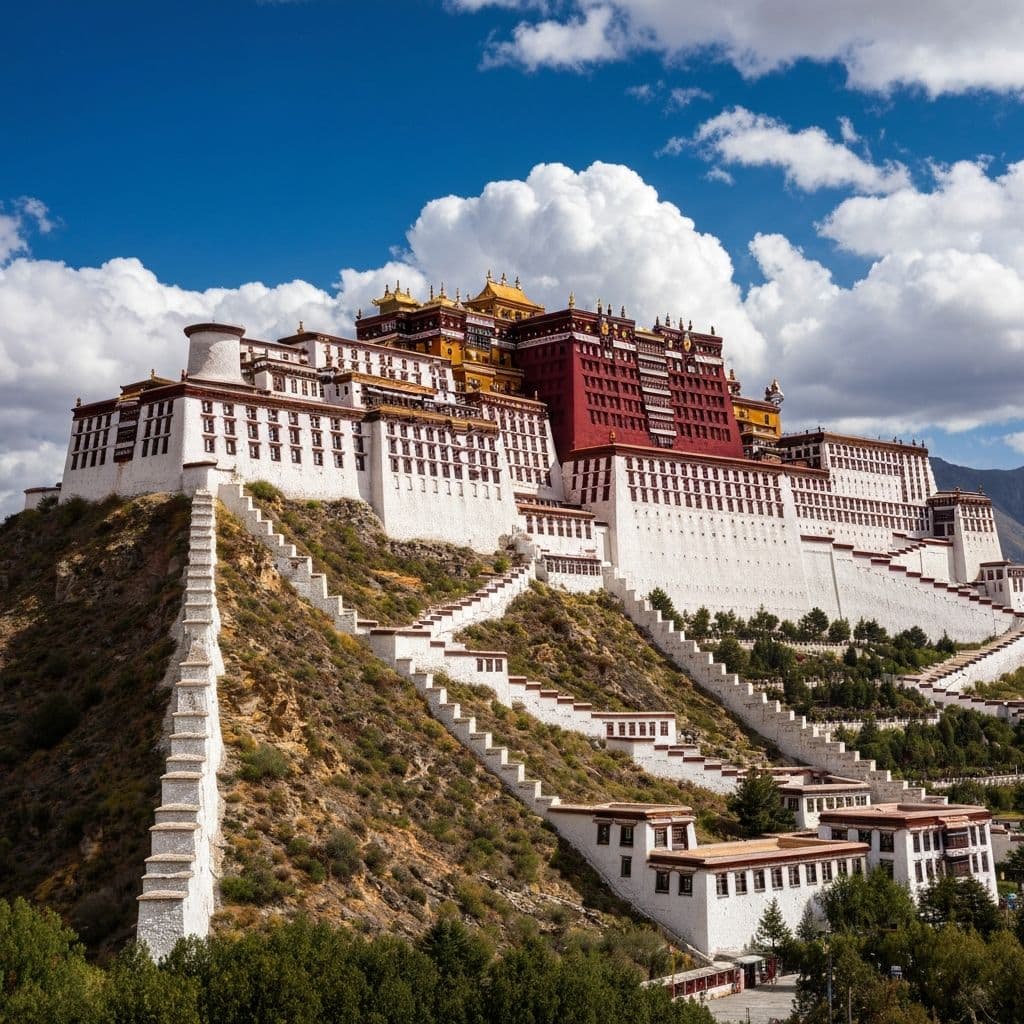
The iconic symbol of Tibet, this 13-story fortress-palace rises 117 meters above Lhasa at 3,700m elevation. Built in the 7th century and expanded by the 5th Dalai Lama, it served as the winter residence of successive Dalai Lamas until 1959. The White and Red Palaces contain over 1,000 rooms, 10,000 shrines, and 200,000 statues. A UNESCO World Heritage Site of profound spiritual significance.