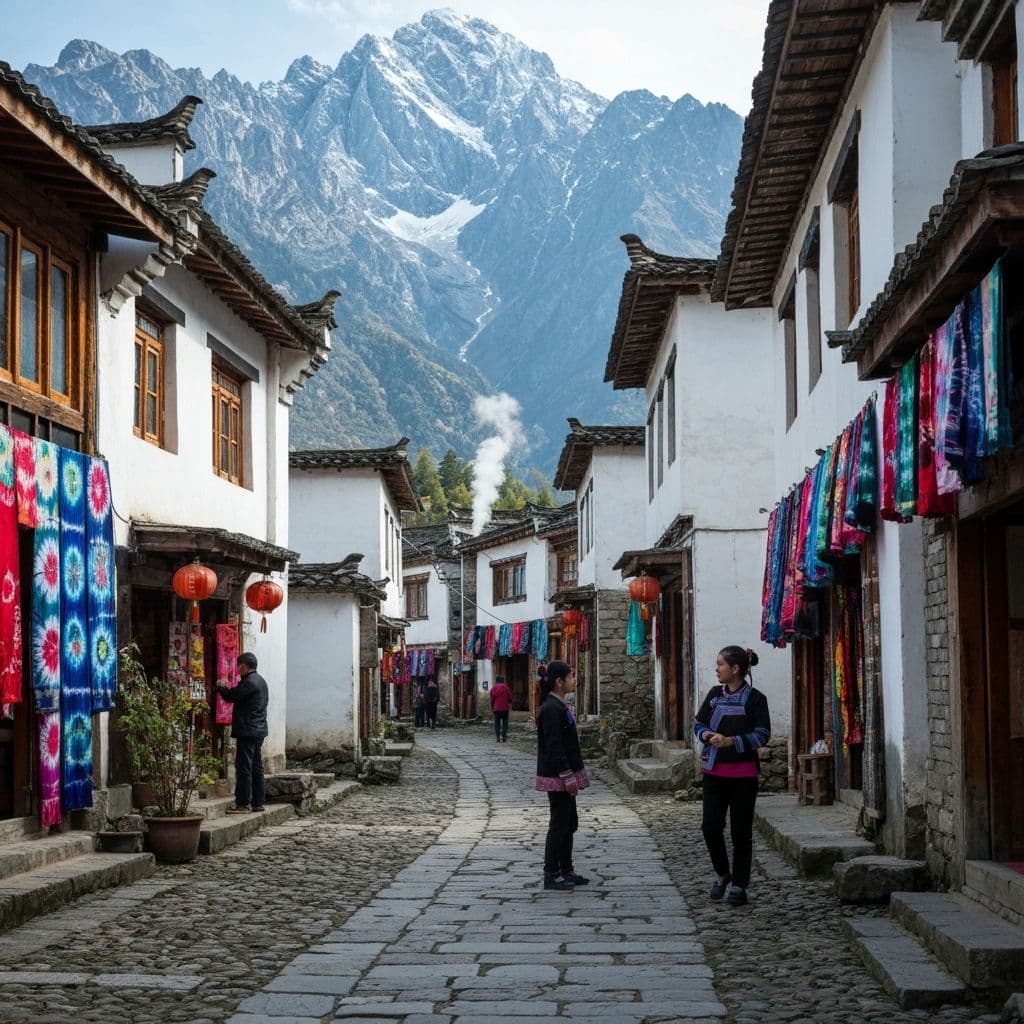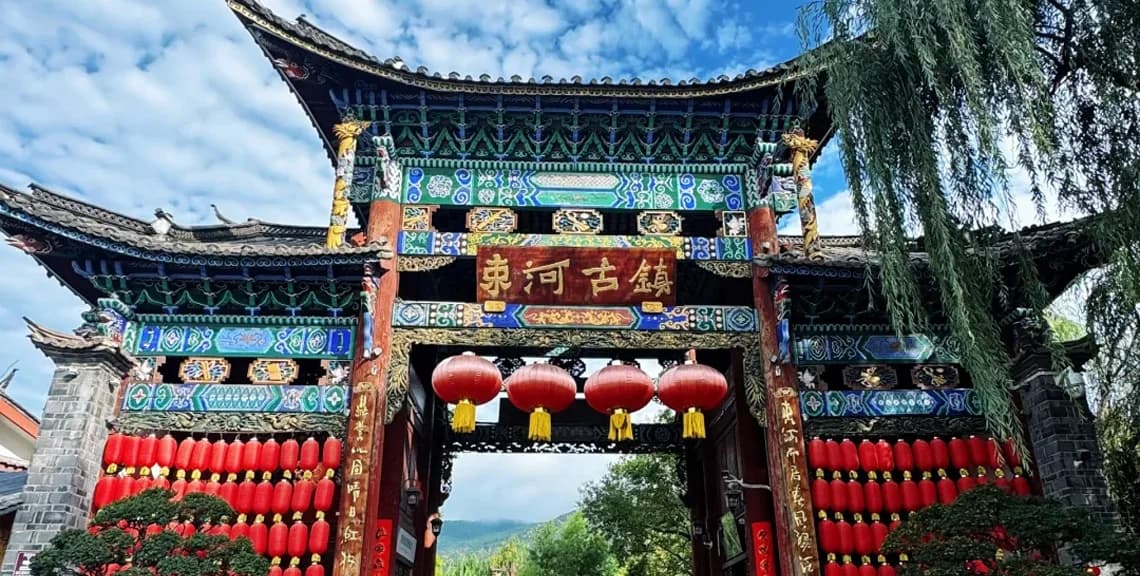
The quietest and most authentic of Lijiang’s three World Heritage-listed ancient towns, this "home of the leatherworkers" on the Ancient Tea Horse Road is perfect for those looking to escape the crowds of Dayan (Lijiang Old Town) and enjoy a slow, leisurely pace.
Why it’s worth visiting
More authentic: Developed later than Dayang, Shuhe retains a much less commercial atmosphere; its lanes are still crisscrossed by flowing streams and dotted with traditional Naxi-style dwellings.
A living relic of the Tea Horse Road: This was a place where caravan teams would swap horses, shoe their mounts, and trade tea and salt.
Backed by snow-capped mountains: On a clear day, you can enjoy distant views of Jade Dragon Snow Mountain.
What should I focus on?
Qinglong Bridge: A Ming Dynasty stone arch bridge in the town center (dating back to the Wanli era, approximately 25 meters long). It is the oldest stone arch bridge in the Lijiang Basin and a must-visit spot for photography.
Jiuding Longtan (Nine-Tripod Dragon Pool): The source of the local stream. The water is crystal clear, and thanks to the influx of snowmelt, it is home to rainbow trout year-round. You can reach it by following the stream upstream from Sifang Street.
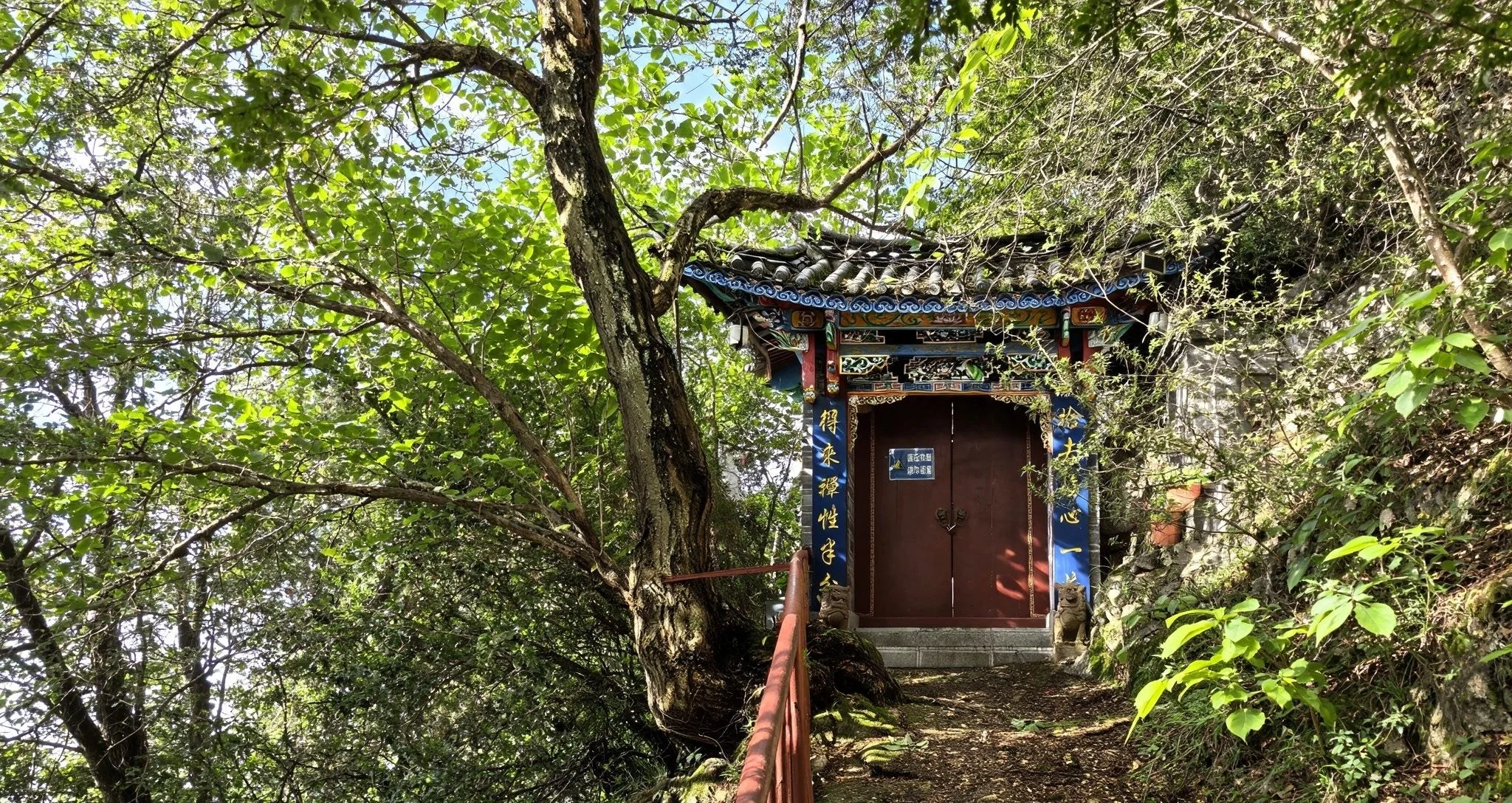
Longquan Temple (Sansheng Palace): Dedicated to Sun Bin, the patron saint of tanners (leatherworkers). The small hill behind the temple offers the best vantage point for a panoramic view of the ancient town.
Sifang Street: Formerly a marketplace where caravan traders (ma-bang) exchanged furs and hides. Today, it is surrounded by shops, yet one can still imagine the bustling commerce of the past.
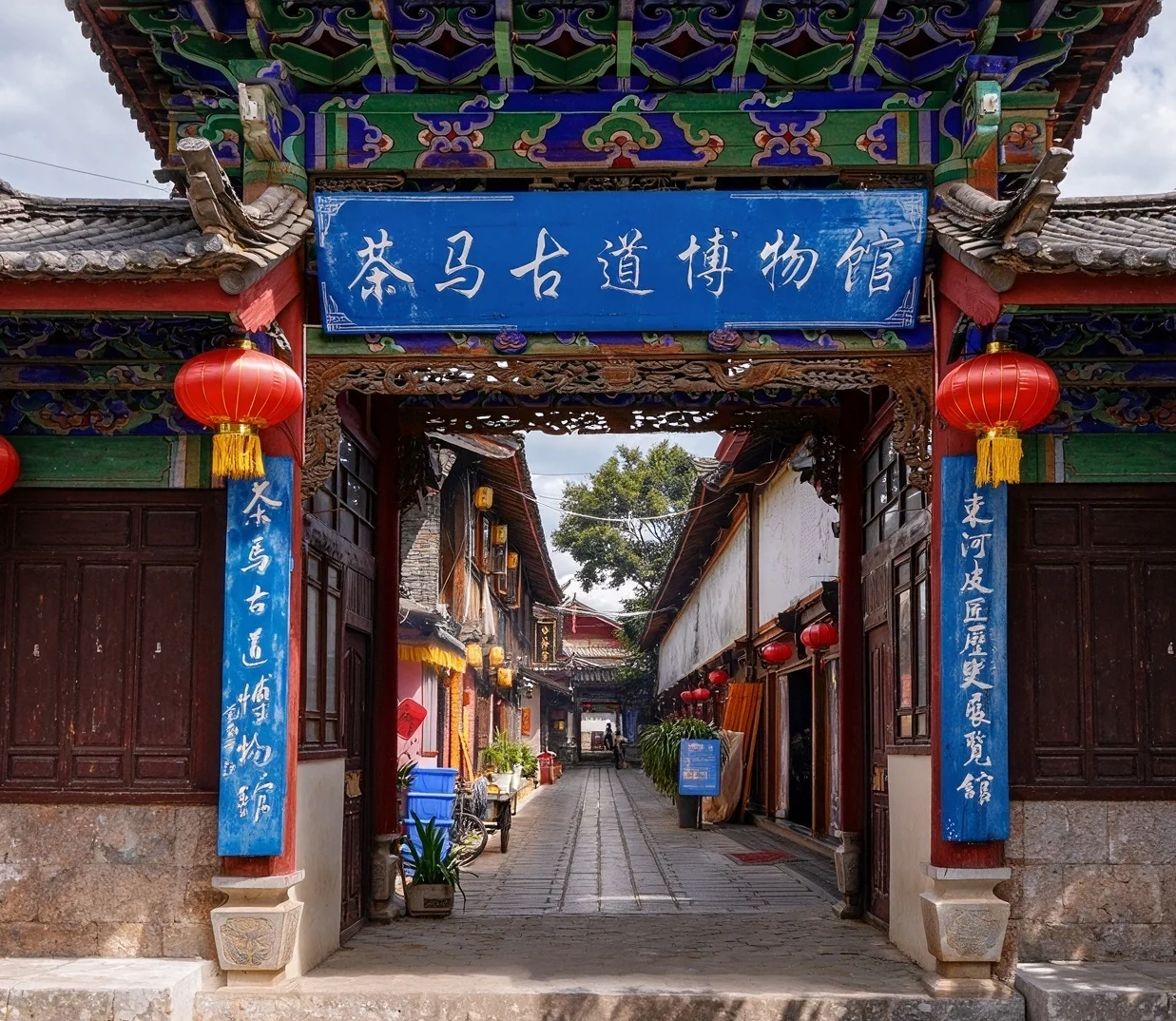
Ancient Tea-Horse Road Museum: Located on Zhonghe Road, this site was once part of the "Shuhe Residence" of the Mu Tusi (the local Naxi chieftain family). It showcases the history of the tea-horse trade and features the Ming Dynasty "Dajue Palace Murals" (a separate, small admission fee may apply).
Alleys and Handicrafts: Explore workshops for Dongba paper, Naxi embroidery, and silverware—perfect for observing traditional craftsmanship or picking up unique souvenirs.
How to Get There
Shuhe is located approximately 4–6 kilometers northwest of Lijiang Old Town (Dayan), at an altitude of about 2,400 meters.
From Lijiang Old Town/downtown: A taxi or ride-hailing service takes about 15–20 minutes and costs roughly 15–30 RMB. Alternatively, you can take bus No. 11, which frequently stops at "Shuhe Lukou" (Shuhe Intersection).
From Lijiang High-Speed Railway Station (Lijiang Railway Station): You can take the "Shuhe Express Shuttle," which provides a direct connection in about 50 minutes; other direct tourist shuttle services are also available.
From Lijiang Sanyi Airport: The airport is about 37 kilometers away. The most convenient option is to take a direct shuttle service to the ancient town.
Recommended Visiting Route
Entering through the south gate and exiting through the north gate is the most logical route; you’ll transition from a bustling atmosphere to a tranquil one, with virtually no need to retrace your steps. Following this path, 3 to 4 hours is plenty of time for your visit.
Route 1
Shuhe Ancient Town Archway (South Gate) → Danfeng Hanshu (Phoenix Holding a Book) → Sifang Tingyin Square → Three-Eyed Well → Haligu → Feihua Chushui (Flying Blossoms Touching the Water) → Qinglong Bridge → Tea Horse Road Museum → Jiuding Longtan (Nine-Tripod Dragon Pool) → Sansheng Palace → Longquan Temple
Route 2
Shuhe Ancient Town North Gate → Tea Horse Road Museum → Sansheng Palace (Longquan Temple) → Jiuding Longtan (Nine-Tripod Dragon Pool) → Qinglong Bridge → Sifang Street → Feihua Chushui (Flying Blossoms Touching the Water) → Haligu → Three-Eyed Well → Sifang Tingyin Square → Danfeng Hanshu (Phoenix Holding a Book) → South Gate
Suitable for which types of visitors
For those who find Dayan (Lijiang Old Town) too crowded and are seeking a quiet, authentic, and traditional atmosphere;
For enthusiasts of the Tea Horse Road culture, Naxi culture, handicrafts, and photography;
For couples, families, solo "slow travelers," and those looking for a long-term stay or a temporary base (inns around the "Old Sifang Street" area tend to be quieter);
Suitable for visitors with elderly family members or children—the terrain is relatively flat, though one should be mindful of the cobblestone paths and the high-altitude environment.
Important Tips
Negotiate Prices for Handicrafts: You can bargain for items like Dongba paper, silverware, and embroidery—don’t rush into a purchase.
Wear Comfortable, Flat-Soled Shoes: The cobblestone and flagstone paths are uneven and can become slippery during the rainy season (July–August).
Altitude Sickness: Lijiang sits at an elevation of approximately 2,400 meters. On your first day, avoid strenuous exercise and alcohol; stay hydrated, keep warm, and seek medical attention if you feel unwell.
Respect the Locals: This is a living, inhabited ancient town. Always ask for permission before taking portraits of residents or entering private courtyards.
Clarify Your Destination When Taking a Taxi: Specify "Shuhe South Gate" or "Shuhe North Gate" before getting in to avoid being dropped off at a remote or inconvenient entrance.
Practical Tips
Identification: Foreign nationals should use their passports; visitors from Hong Kong and Macau should use their Mainland Travel Permit for Hong Kong and Macau Residents ("Home Return Permit"); visitors from Taiwan should use their Mainland Travel Permit for Taiwan Residents ("Taiwan Compatriot Permit").
Payments: WeChat Pay and the international version of Alipay allow you to link overseas Visa or Mastercard cards for QR-code-based payments.
Available for viewing:
WeChat Guide for International Users: Setup & Use.
Alipay Usage Process: Registration and Payment Guide
Language: English proficiency among local merchants is limited. Save the Chinese names of your destinations (e.g., Qinglongqiao, Jiuding Longtan, Tea Horse Road Museum) for offline access, and install a translation app.
Connectivity: Arrange for an eSIM, international roaming, or a local SIM card before arrival, as many apps require a phone number for verification. Keep your phone charged and carry a power bank.
Best Time to Visit: The ideal periods are March–May and September–November. Avoid the rainy season (July–August) as well as major holidays like the Lunar New Year, the May Day "Golden Week," and the National Day "Golden Week."