Overview
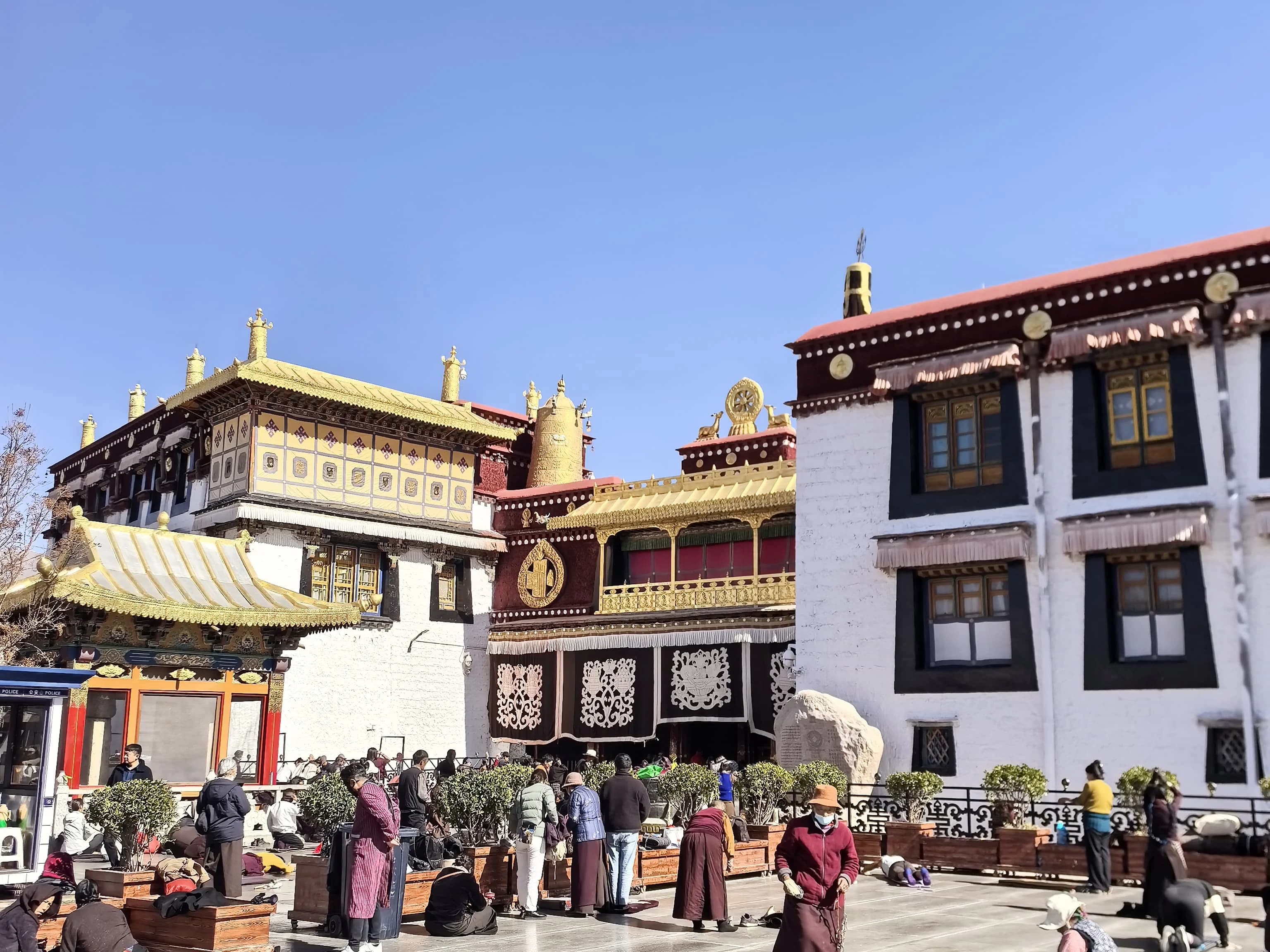
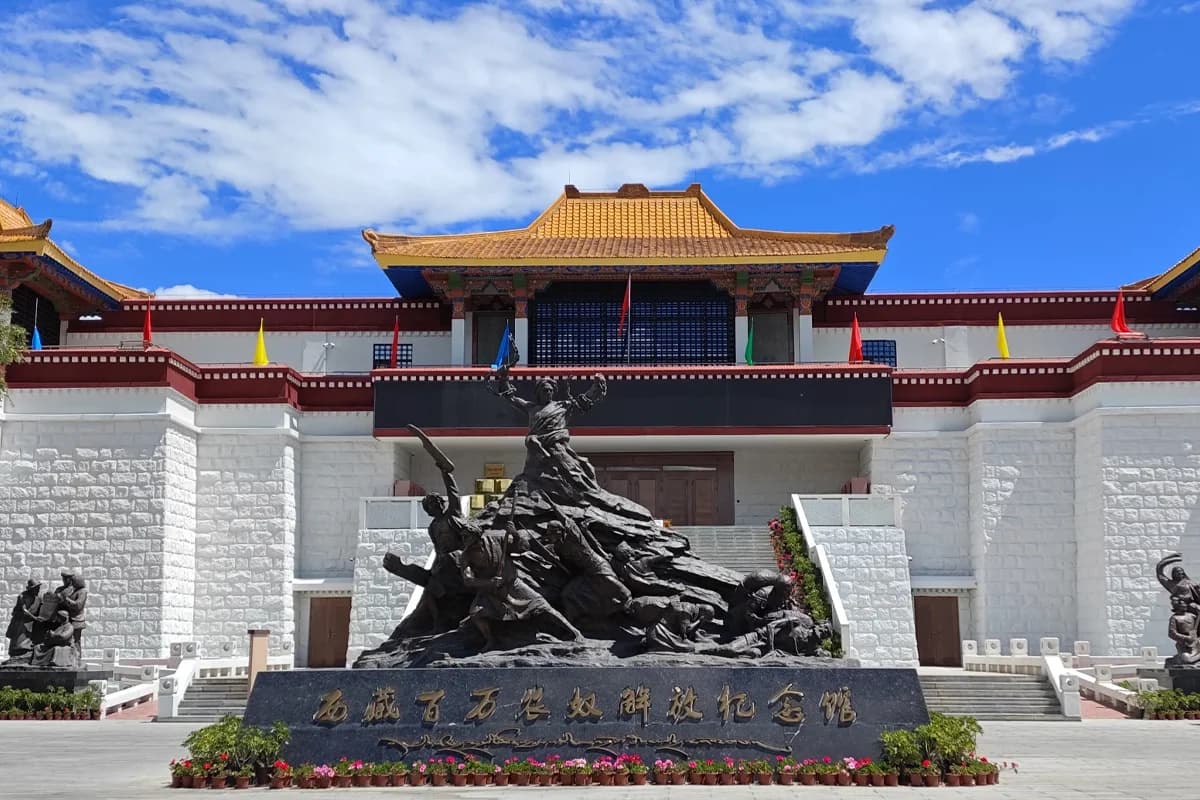
The Tibet Museum, located at No. 19 Norbulingka Road, Lhasa, is the premier destination for a comprehensive understanding of Tibetan history and culture. The museum houses over 520,000 artifacts, including a pair of painted pottery jars, and its exhibitions cover the complete historical development from prehistoric times to modern society.
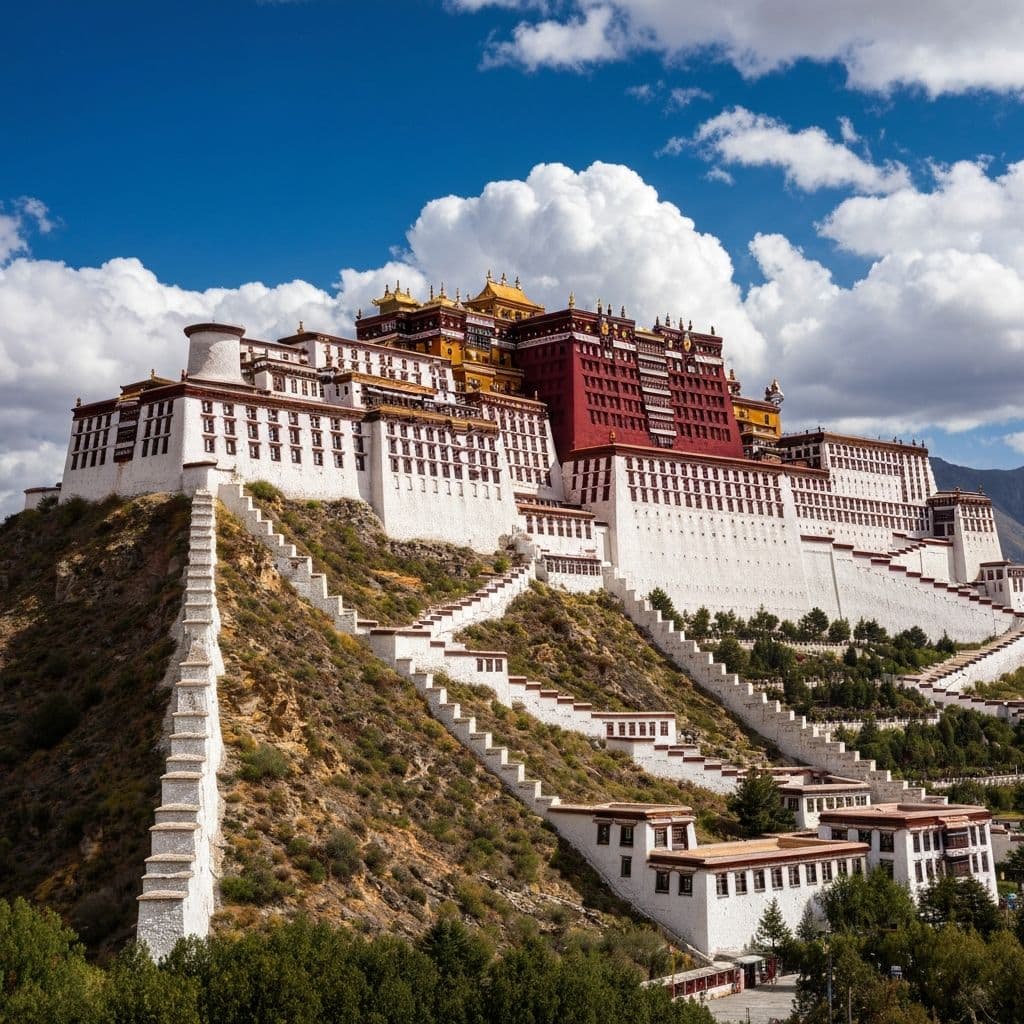
The best time to visit is from May to October, when the weather is mild and pleasant. It is recommended to allow at least 2-3 hours. After entering the museum, proceed directly to the second floor to see the core exhibition, "The Long Song of the Snowland," then go to the first floor to enjoy the folk art exhibition, "The People Closest to the Sun." Finally, you can go to the rooftop observation deck for panoramic views of the Potala Palace.
How to Get There
Transportation: Take bus routes 2, 3, 8, 24, or L2 to the "Museum Station" and walk from there. If you are coming from the Potala Palace or Barkhor Street area, a taxi will cost approximately 15-20 yuan and take about 10 minutes.
It is recommended to combine a visit to the Tibet Museum with the Norbulingka World Heritage Site across the street. Spend the morning exploring the museum's interior and the afternoon strolling through the gardens; this combination of activity and relaxation will help you acclimatize to the high altitude.
What to Expect
The Tibet Museum is a modern building with spacious walkways and elevators, making it easily accessible for wheelchair users. Each floor has clean restrooms and ample rest areas. The first floor houses a souvenir shop selling fridge magnets, postcards, and other gifts, and also offers a post office for convenient mail delivery. The third floor features a cultural and creative bookstore and a boutique café offering specialty drinks such as barley lattes, providing a relaxing space for visitors. In addition, the museum offers free audio guide rentals and multilingual guided tours.
Practical Tips
- Admission is usually free (¥0) as of 2026, but bring your passport and reserve ahead if the museum requires timed entry on busy days.
- Go in the morning, ideally soon after opening at around 9:30, for quieter galleries and easier security checks.
- Plan 1.5-2.5 hours for the visit, and combine it with nearby sights in Lhasa rather than rushing through in under an hour.
- Altitude still matters indoors in Lhasa, so walk slowly, drink water, and avoid scheduling the museum immediately after arriving by train or flight.