Loading...

Is Dunhuang worth 2–3 days? Mogao Caves, desert dunes, and Silk Road history
Is Dunhuang worth 2–3 days? Discover Mogao Caves, desert dunes, Silk Road history, travel tips, and top reasons to add Dunhuang to your China itinerary.
5 attractions to explore in Dunhuang

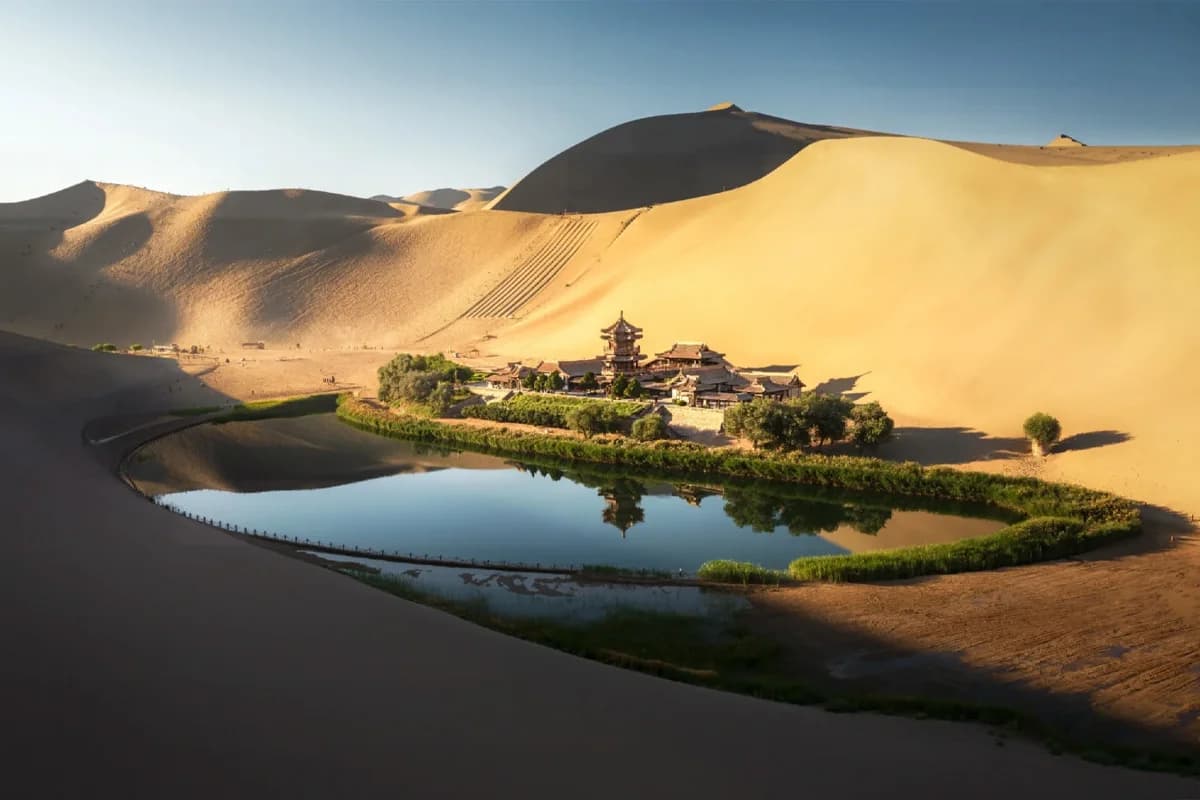
Discover Mingsha Mountain and Crescent Lake with travel tips, scenic highlights, ticket advice, and visitor insights for an unforgettable Dunhuang desert trip.
natural
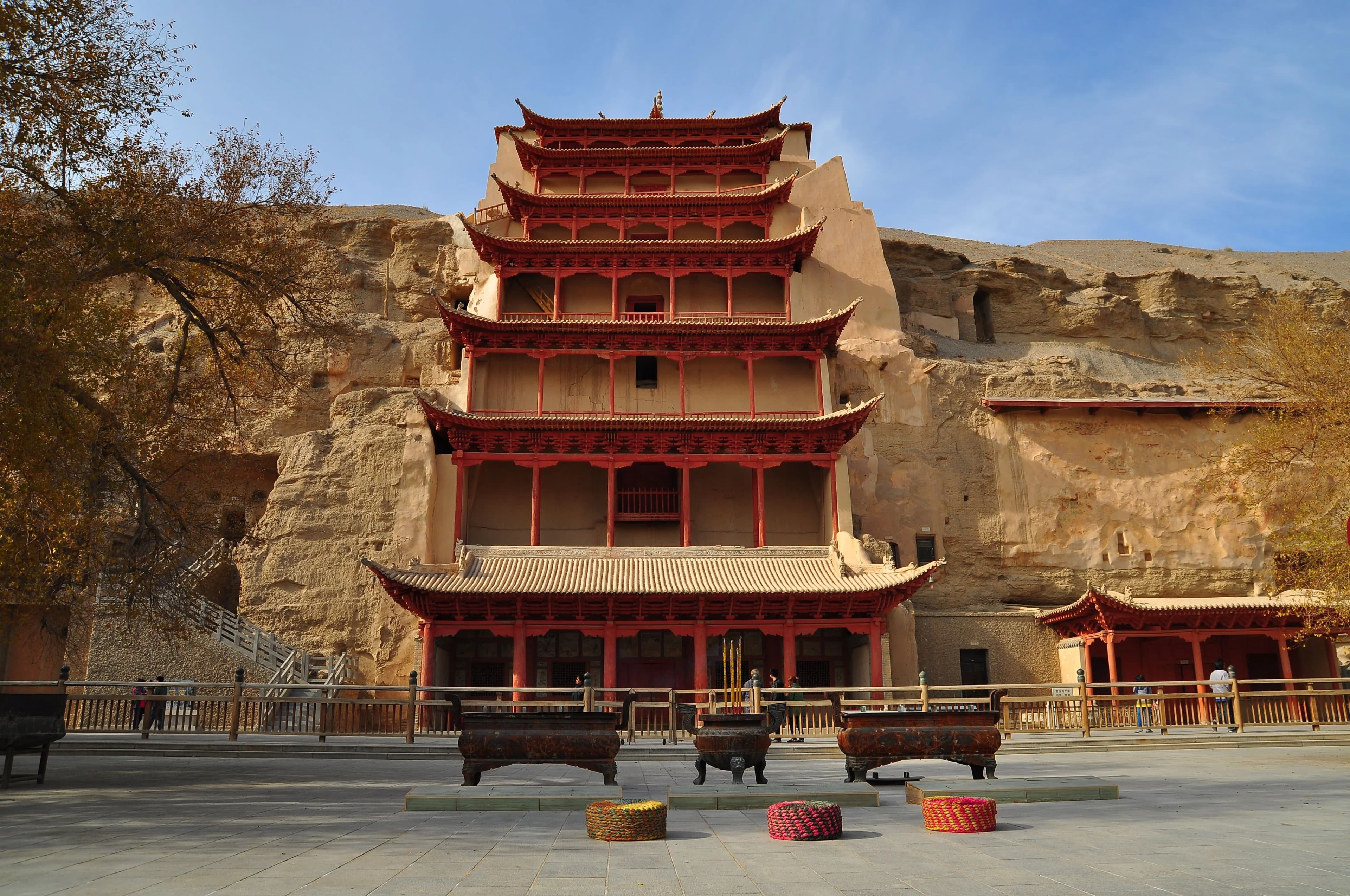
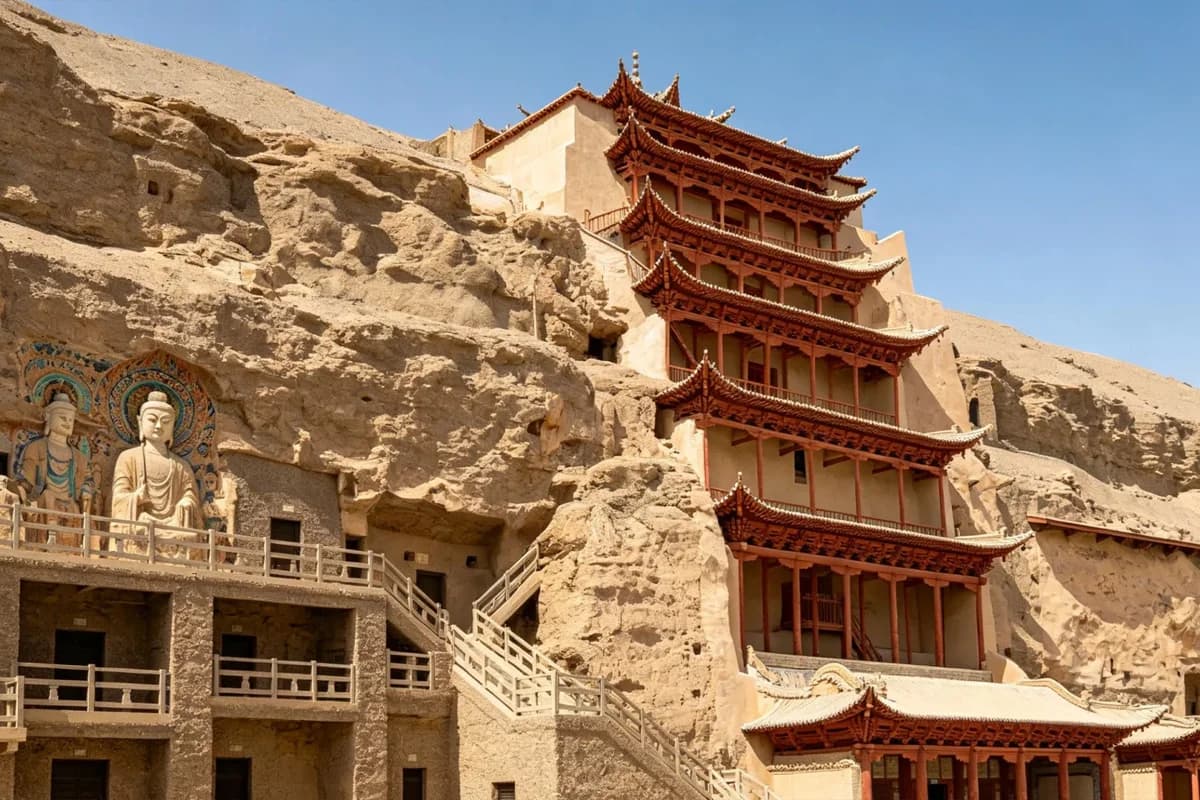
Discover Mogao Caves with essential travel tips, Buddhist art highlights, ticket advice, and visit planning guidance for one of Dunhuang’s most iconic sites.
historical

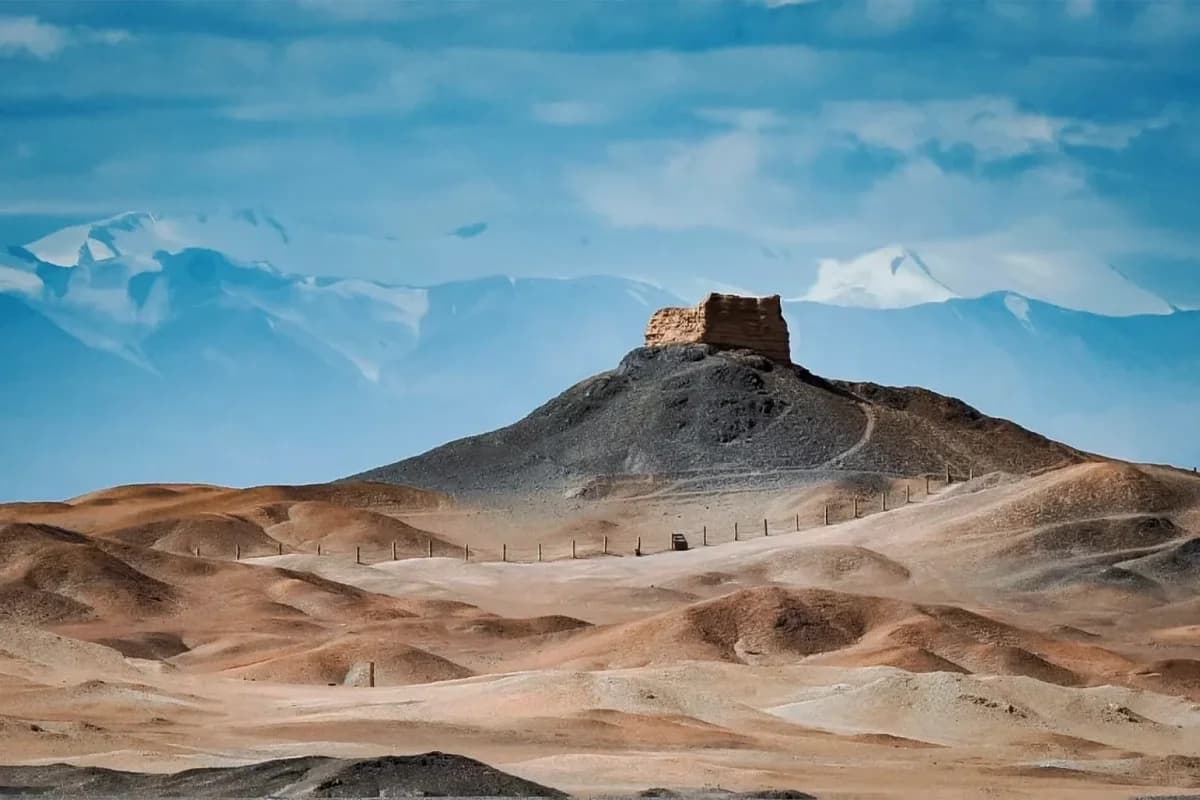
Explore Yangguan, the famed ancient pass on the Silk Road, with history highlights, desert scenery, travel tips, and visitor advice. Discover more today.
historical
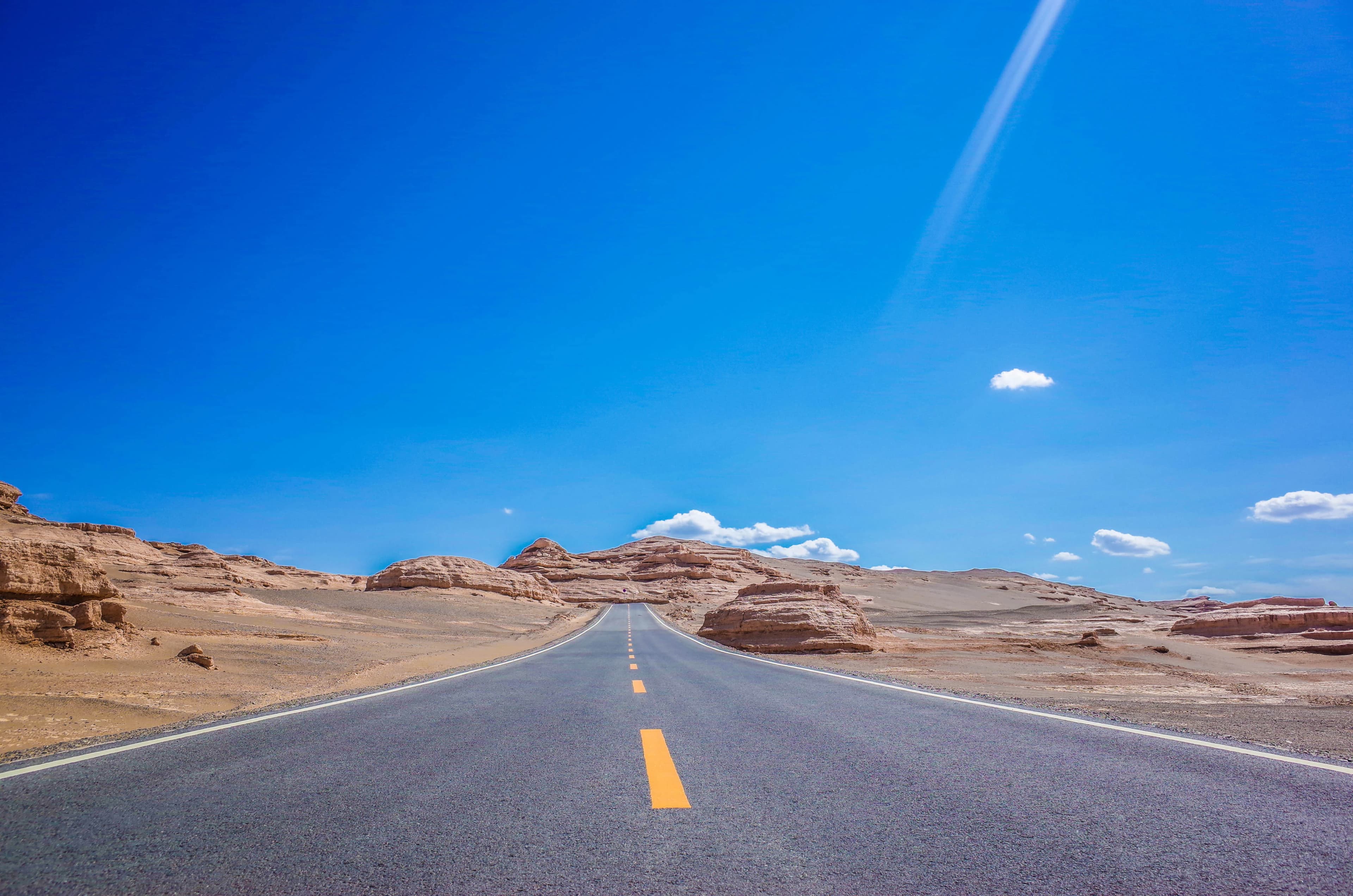
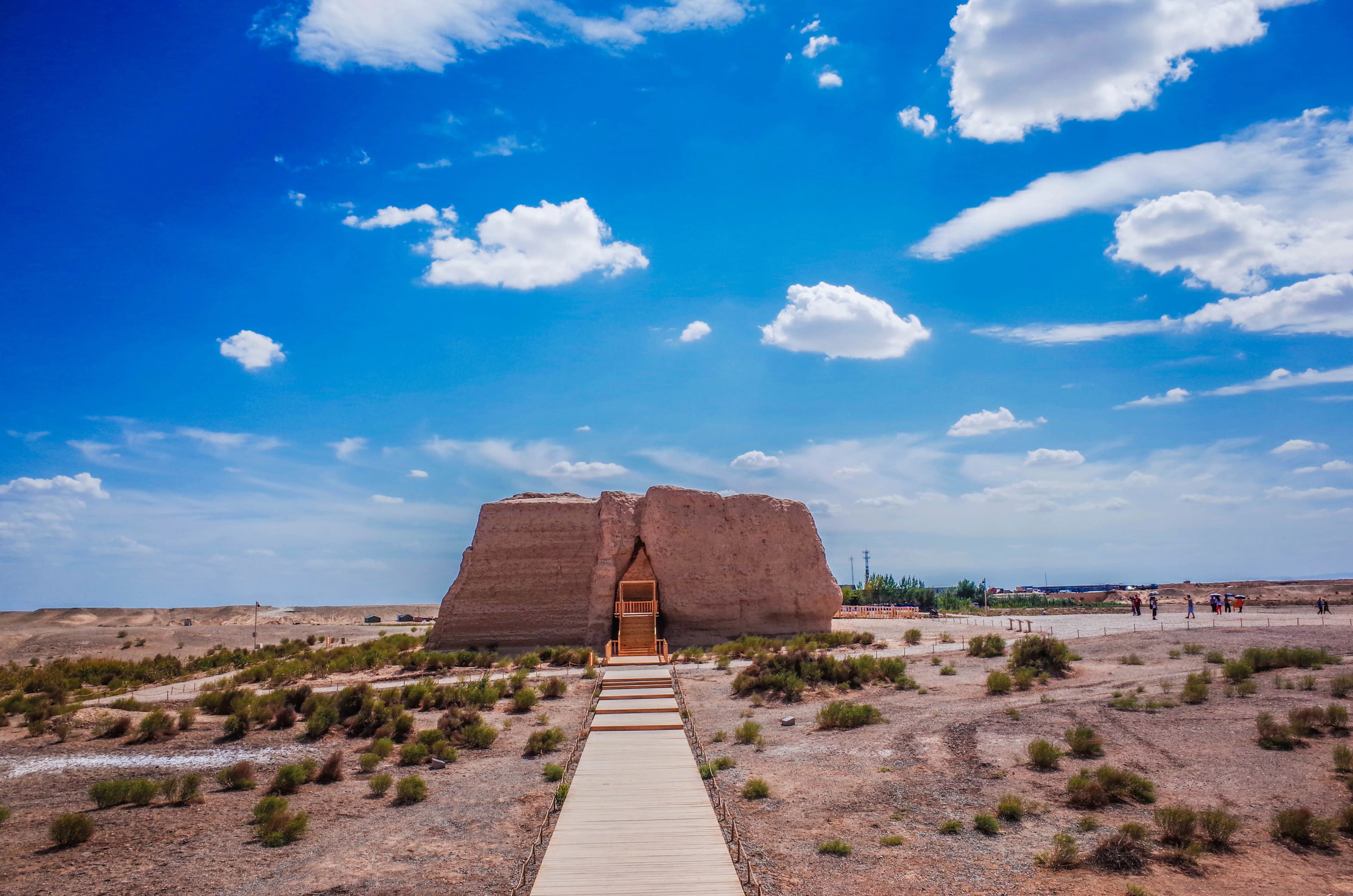
Explore Yumen Pass, the legendary Silk Road gateway near Dunhuang. Discover its history, desert scenery, travel highlights, and practical visitor tips now.
historicalDunhuang is one of the most recognizable cultural travel destinations in Northwest China. Located in western Gansu, it was an important node on the ancient Silk Road. It's perfect for those who enjoy history, art, photography, and in-depth cultural travel. Who is Dunhuang suitable for? History and art lovers: The Mogao Caves are one of China's most important Buddhist art heritages. Those interested in the Silk Road: Dunhuang helps visitors understand the cultural exchanges between China and Central and West Asia. Desert lovers and photographers: The Singing Sand Dunes, Crescent Lake, Yardang landforms, and Gobi Desert sunsets are all visually stunning. First-time visitors to Northwest China: Dunhuang is one of the easiest to understand and most memorable destinations in Northwest China. Those planning a trip through Gansu or the Qinghai-Gansu loop: Dunhuang is suitable for combining with Zhangye, Jiayuguan, Lanzhou, and Qinghai. If tourists prefer a relaxing city getaway, Dunhuang may not be the most comfortable option; however, if they want to experience the depth of Chinese culture and the natural landscapes of Northwest China, it is definitely worth considering. How many days should I spend in Dunhuang? 1 day: Only suitable for a quick visit to Mogao Caves and Mingsha Mountain; not highly recommended. 2 days 1 night: The most basic option for first-time visitors; can include Mogao Caves, Mingsha Mountain and Crescent Lake, and the city's night market. 3 days 2 nights: Highly recommended; can include Yangguan Pass, Yumenguan Pass, or the Yardang landforms. 4-5 days: Suitable for a slower pace, in-depth exploration of the western route, photography, and surrounding historical sites. 6 days or more: Recommended to combine with Zhangye, Jiayuguan, Lanzhou, or Qinghai to form a Silk Road itinerary. For most foreign tourists, 2-3 days is the ideal time to visit Dunhuang. If you want to explore the western route or photograph the sunset, at least 3 days is recommended. How are the main areas of Dunhuang grouped? 1. Mogao Grottoes Area The core cultural attraction of Dunhuang, best visited in half a day. Tickets and tour slots usually require advance booking; last-minute decisions are not recommended. 2. Mingsha Mountain/Crescent Lake Area Suitable for evening visits to see the desert, Crescent Lake, and sunset. Summer days are very hot, so midday visits are not recommended. 3. City Center/Shazhou Night Market Suitable for accommodation, meals, and supplies. In the evening, you can explore the night market and try local delicacies such as donkey meat noodles, apricot juice, and barbecue. 4. Yangguan/Yumenguan Direction Suitable for tourists interested in the Silk Road and frontier history. This area focuses more on historical sites and requires contextual understanding. 5. Yardang/Gobi Western Route Suitable for photographers and those who enjoy desert landscapes. It's quite far, usually requiring a chartered car or a day trip; last-minute public transportation arrangements are not recommended. What travel style is best for Dunhuang? Dunhuang is suitable for three types of travel: Cultural Classics: Mogao Caves + Mingsha Mountain and Crescent Lake + Shazhou Night Market Silk Road History: Mogao Caves + Yangguan Pass + Yumenguan Pass + Dunhuang Museum Desert Photography: Mingsha Mountain Sunset + Yardang Landforms + Gobi Highway For first-time visitors to Dunhuang, a one-day stay is not recommended. The Mogao Caves require quiet exploration, Mingsha Mountain is best viewed at a leisurely pace in the evening, and the western attractions are quite far apart; at least 2-3 days are more reasonable.
Dunhuang cuisine has a distinct Northwest and Silk Road flavor, characterized by a wide variety of noodles, beef and mutton dishes, savory and fragrant flavors, and generous portions. It also features local specialties such as apricot juice and donkey meat noodles. Must-Try Foods 1. Donkey Meat Noodles One of Dunhuang's representative dishes, these noodles are chewy and often served with donkey meat and a savory sauce. Whre to Eat: Restaurants in Dunhuang city center, around Shazhou Night Market, local noodle shops Reference Price: 30–80 RMB/serving 2. Apricot Juice Water A classic Dunhuang drink, made with Li Guang apricots or dried apricots. It's sweet and sour, refreshing, and perfect for dry weather. Where to drink: Shazhou Night Market, restaurants, food stalls, beverage shops Reference price: 5–15 yuan/cup 3. Lamb Skewers / Grilled Meat A common Northwest Chinese dish, easily found at Dunhuang night markets and local restaurants. Where to eat: Shazhou Night Market, barbecue stalls in the city center, local restaurants Reference price: 5–15 RMB/skewer, depending on the meat and size 4. Braised Lamb with Flatbread A specialty of Northwest China, this dish features lamb, potatoes, and flatbread braised together. It has a rich flavor and a generous portion. Where to eat: Local restaurants in Dunhuang, Northwest Chinese restaurant Estimated price: 80–160 RMB/serving 5. Roasted Whole Lamb / Hand-Pulled Lamb Suitable for group meals, this dish features a distinct lamb flavor and is a common main course during travel in Northwest China. Where to Eat: Northwest Chinese restaurants, group tour restaurants, local restaurants Reference Price: Hand-pulled lamb is approximately 80–180 RMB per serving; roasted whole lamb is more expensive and usually priced per lamb or by weight. Recommended Dining Areas Shazhou Night Market The most convenient dining area for tourists, with a concentration of snacks, barbecue, apricot juice, and souvenirs. Suitable for first-time visitors to Dunhuang, but very crowded. Dunhuang City Restaurants Suitable for formal dinners, such as donkey meat noodles, mutton stew, and hand-pulled mutton. More consistent choices than around the scenic area. Singing Sand Dunes Area Suitable for simple meals before or after visiting the scenic area, but fewer choices than in the city center. Local Noodle Shops/Breakfast Shops Suitable for simple meals like minced meat noodles and hand-pulled noodles. More everyday options than in the tourist areas.
Dunhuang, located in western Gansu, is an important stop on the Silk Road. For foreign tourists, Dunhuang city is not large and getting around within the city is not complicated. However, the distances between Mogao Grottoes, Mingsha Mountain, western attractions, and the airport/train station vary, so it is recommended to plan your transportation in advance, especially for more distant areas such as Yangguan, Yumenguan, and Yadan. How to get to Dunhuang? 1. By plane | Dunhuang Mogao International Airport Dunhuang Mogao International Airport is the fastest way to get to Dunhuang, suitable for those transferring or flying directly from cities such as Lanzhou, Xi'an, Chengdu, and Beijing. Getting to the city center: Didi/Taxi: The most convenient, suitable for tourists with luggage, approximately 40-80 RMB/car Airport transfer: Suitable for families, small groups, or tourists arriving late. 2. Train | Dunhuang Station Dunhuang Station is the main train station for entering Dunhuang, suitable for arrivals from Lanzhou, Jiayuguan, Zhangye, Liuyuan, and other directions. Estimated travel times: Dunhuang Station → City Center: Approx. 15–25 minutes Dunhuang Station → Mogao Caves: Approx. 15–25 minutes Dunhuang Station → Mingsha Mountain and Crescent Lake: Approx. 25–40 minutes (Taxi/Didi: Approx. 30–70 RMB/car) How to get around Dunhuang? 1. Didi/Taxi: Dunhuang city is small. Didi and taxis are suitable for getting between hotels, night markets, Mogao Grottoes, and Mingsha Mountain. Price Reference: Short trips within the city: Approx. 10–25 RMB City → Mogao Grottoes: Approx. 30–60 RMB City → Mingsha Mountain and Crescent Lake: Approx. 20–50 RMB 2. Walking: Hotels, restaurants, and the Shazhou Night Market are not far apart within the city, making walking suitable in the evening. Suitable areas: Shazhou Night Market, city center restaurants, and areas around hotels. 3. Chartered Car/Private Vehicle: For western route attractions such as Yangguan Pass, Yumenguan Pass, and Yardang landforms, chartering a car or joining a day tour is recommended. Public transportation is not flexible, and the distances between attractions are far. Suitable for: Day trips on the western route of Dunhuang, photographers, families or small groups, and those who want to see the sunset or the scenery of the Gobi Desert road. Accommodation and Transportation Recommendations First-time visitor to Dunhuang It's recommended to stay in Dunhuang city center/around Shazhou Night Market. Convenient for dining, taxis, night markets, and shuttle buses to attractions. Want to see the sunset at Mingsha Mountain? You can stay near Mingsha Mountain and Crescent Lake, but dining options and city center conveniences are not as good as in the city center. Catching a flight/train? The city center is not far from the airport and Dunhuang Railway Station, so staying in the city center is usually convenient.
Yes, 2 days is enough for a first visit if you focus on the two priorities: Mogao Caves and Mingsha Mountain/Crescent Lake. Use Day 1 for the desert at sunset and Day 2 for the caves, then leave by evening train or flight. Add a third day only if you also want Yumen Pass and the western ruins.
Mogao Caves are about 25 km southeast of central Dunhuang. By taxi or car, the trip usually takes 30–40 minutes each way. You should budget 3–4 hours total for the full visit, including the digital exhibition and shuttle transfer to the caves.
Yes, especially from May to October and around Chinese public holidays. Timed-entry tickets can sell out, and same-day walk-up options should not be your plan for 2026. Booking early also lets you build the rest of your itinerary around your confirmed time slot.
Most first-time visitors should stay in central Dunhuang. It gives you easier access to restaurants, the night market, airport/train transfers, and simple taxi rides to both Mingsha Mountain and Mogao. Staying near the dunes only makes sense if you want sunrise or repeated evening visits and are fine with fewer dining options.
It is possible with a private car, but it makes for a long and inflexible day. Mogao has timed entry and a structured visit, while Yumen Pass is a much longer westbound road trip, often 5–8 hours round-trip with stops. Most travelers should separate them into different days.
The most comfortable months are generally May, June, September, and early October, when temperatures are easier for both cave visits and dune walking. July and August are workable but hotter and busier. Winter is cold but can be good for budget travelers who do not mind limited desert comfort.
Monthly climate overview for Dunhuang
Best time to visit
May-June and August-October
Need help planning your Dunhuang itinerary? Get personalized travel advice from our team.
Contact Us
Is Xining worth 2-4 days? Gateway to Tibetan culture, mosques, and Qinghai Lake

3–4 days in Lhasa: monasteries, old-city circuits, and high-altitude pacing

2–4 days in Shangri-La: Tibetan monasteries, grasslands, and altitude-ready day trips

The Mountain City of fog and flavor.