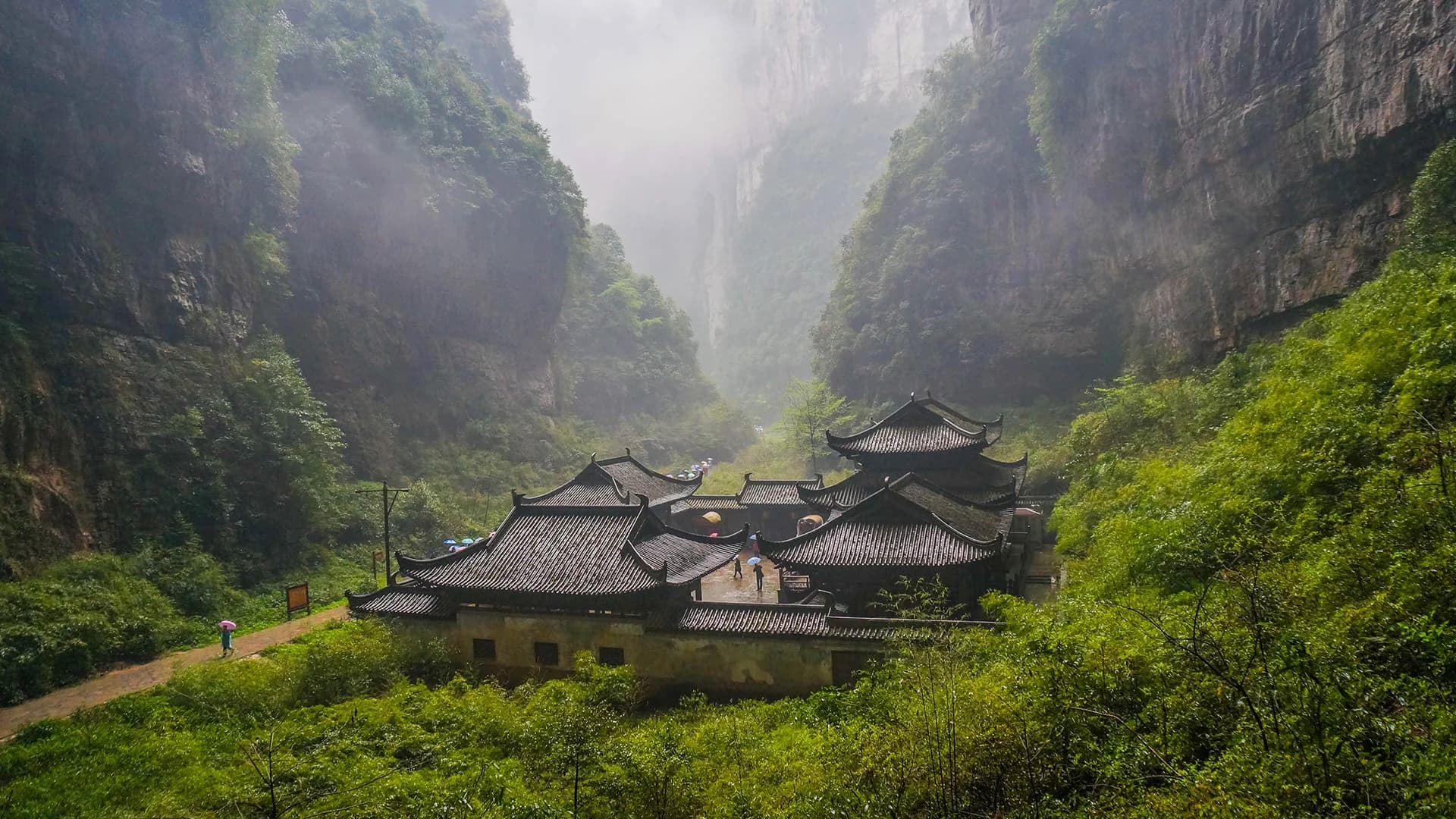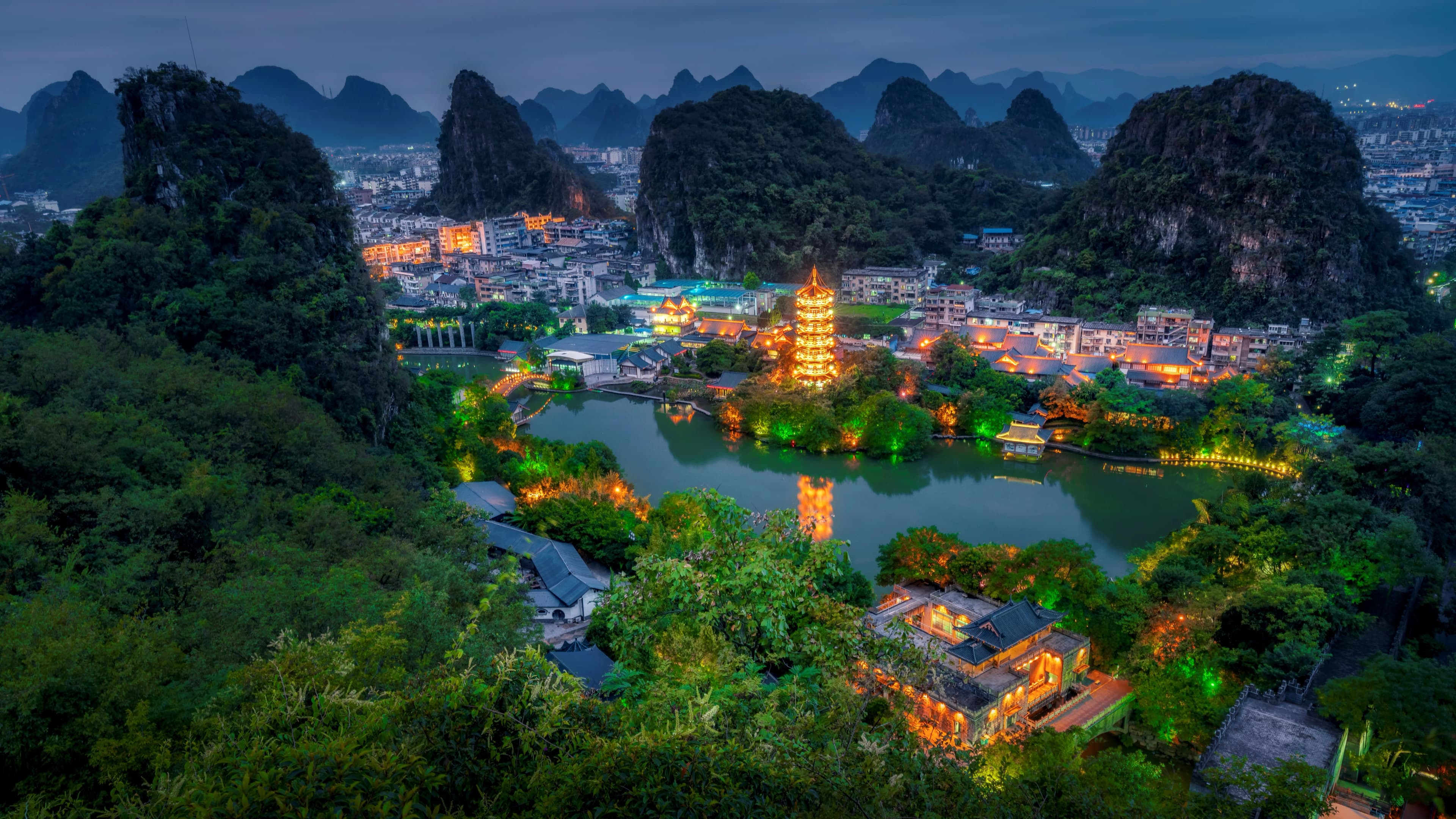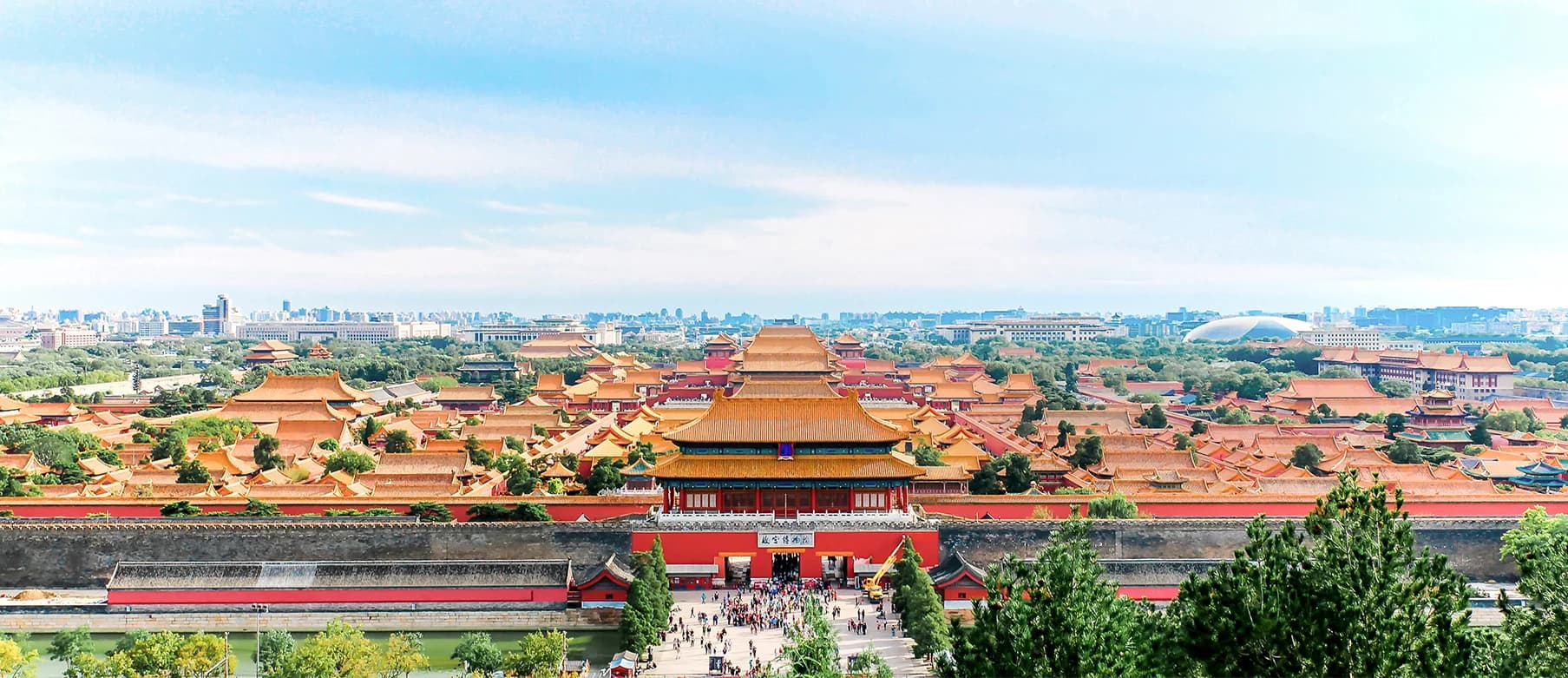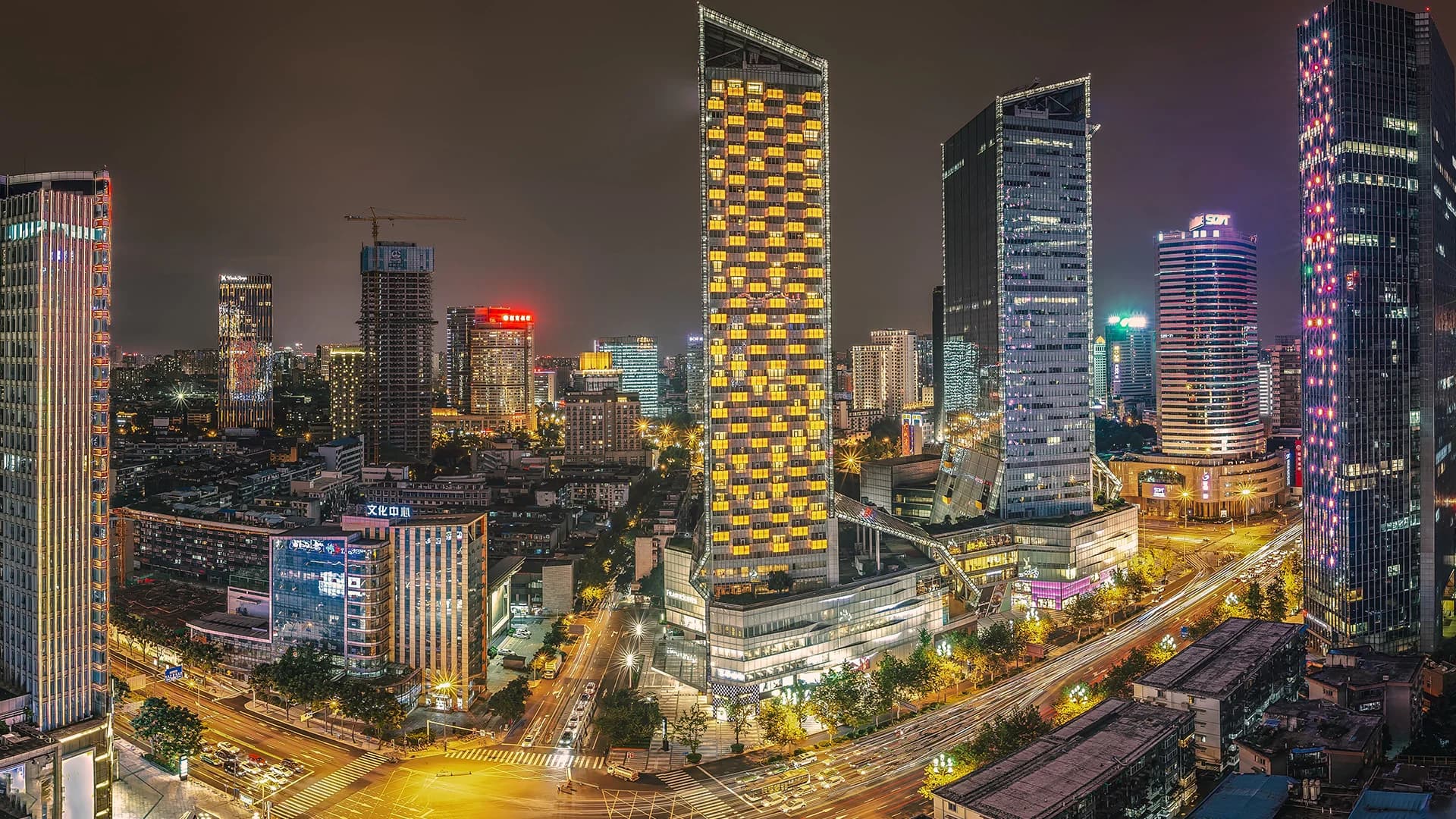

Whether it's your first visit or a return trip, this guide will take you to the heart of Chengdu—from adorable pandas to the spicy and flavorful Sichuan cuisine, from ancient streets and alleys to modern art districts. Chengdu is more than just a city; it's a lifestyle. This guide will provide a comprehensive overview of Chengdu's core attractions, food, accommodations, and itinerary planning, helping you easily explore this charming city.
Article Preview
Impressions of Chengdu
Must-Do Activities
Tourist Attractions
Culinary Delights of Chengdu
Accommodation and Transportation
Monthly Highlights
Festivals and Holidays
Impressions of Chengdu: A City Where "Slow" and "New" Dance Together
Chengdu, located in western Sichuan Basin, is an ancient city with over 3,000 years of history and the cultural and economic center of Southwest China. It boasts a mild climate, a leisurely pace of life, and is renowned for its pandas, Sichuan cuisine, teahouse culture, and friendly locals. Chengdu is more than just a city; it's a way of life.
Five things you must do in Chengdu
1. Spending the morning with giant pandas
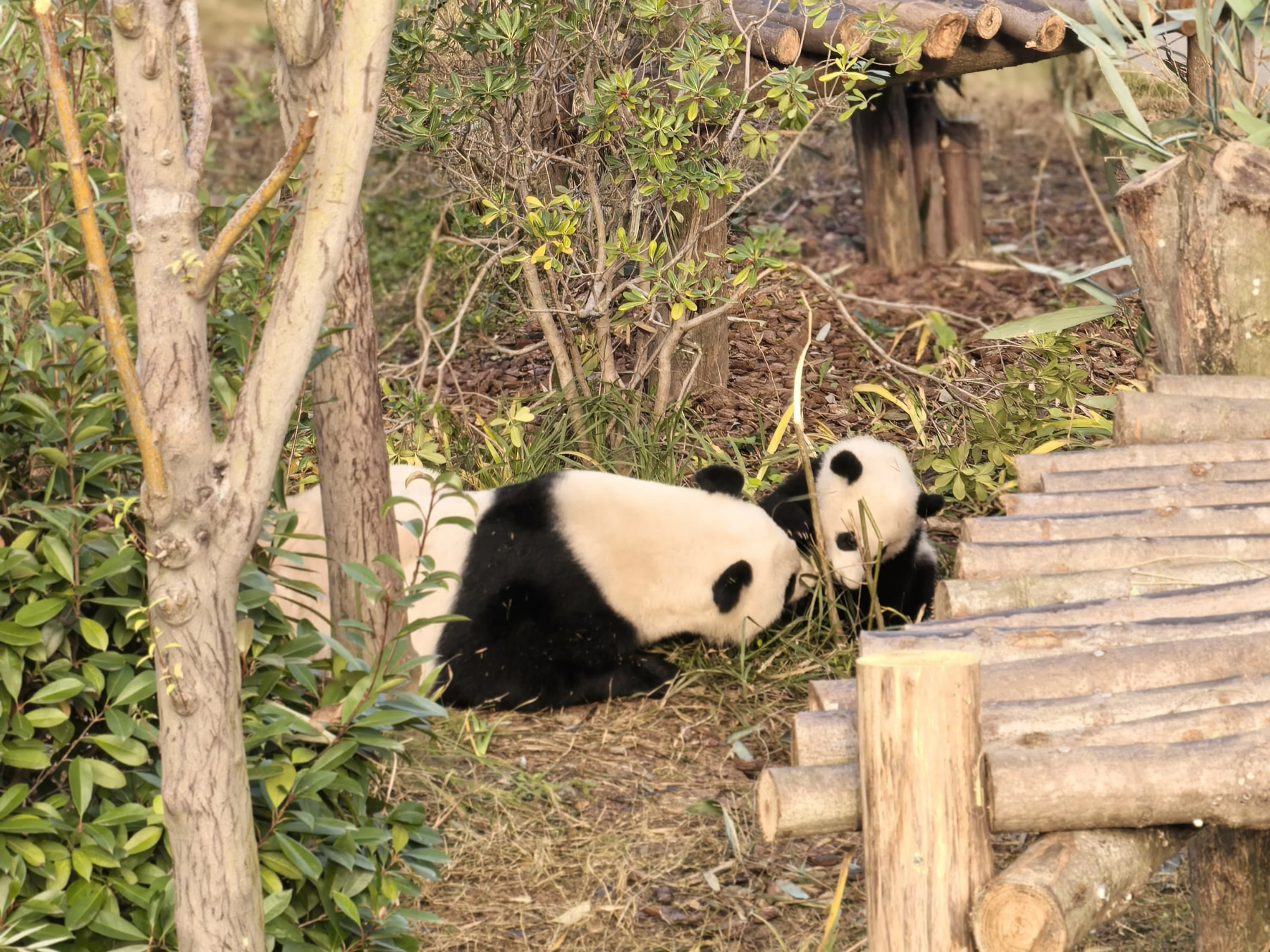
At the Chengdu Research Base of Giant Panda Breeding, you can observe these national treasures up close as they eat bamboo, play, and climb trees. It's recommended to visit in the morning when the pandas are more active.
Tip
Please note: Feeding the pandas is prohibited, and please avoid using flash photography.
2. Watch a Sichuan opera face-changing performance.
Face-changing is a signature skill of Sichuan Opera; the actors instantly change their masks, a magical and entertaining spectacle. Many teahouses and theaters offer performances; I recommend "Shu Feng Ya Yun" or "Fu Rong Guo Cui."
Tip
Worried about not understanding? Don't worry, the main attraction of Sichuan Opera face-changing is its physical performance.
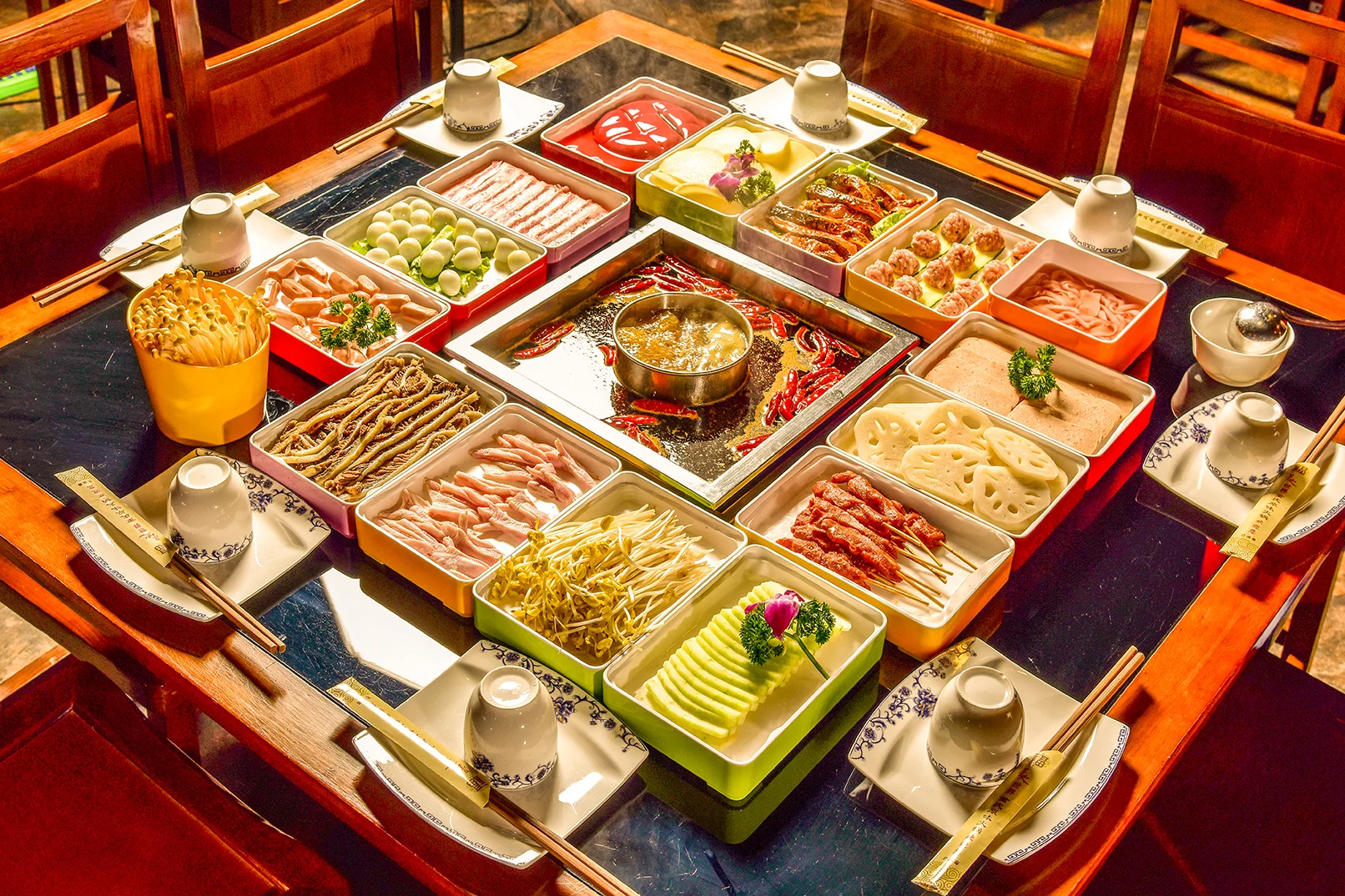
3. Enjoy an authentic Sichuan hot pot meal
Chengdu hot pot is renowned for its numbing, spicy, fresh, and fragrant flavors. If you crave spiciness but are worried about not being able to handle it, try a half-and-half pot – one side spicy, the other clear broth – paired with tripe, beef aorta, and duck intestines, and finished with a bowl of ice jelly to cool down.
4. Spend an afternoon in a teahouse
At Heming Teahouse in People's Park, for the price of a cup of tea, you can enjoy a leisurely afternoon. You can also experience the local specialty of "ear cleaning".
5. Stroll through the historic districts
Kuanzhai Alley and Jinli have preserved the courtyard and street style of old Chengdu, with both traditional crafts and creative shops, making them perfect for strolling, taking photos, and enjoying the food.
Chengdu Must-Visit Attractions Tour
Must-visit attraction 1: Chengdu Research Base of Giant Panda Breeding
The Chengdu Research Base of Giant Panda Breeding is the first stop for every visitor. If you are visiting in summer, the earliest opening time is 7:30 AM; if you are visiting in winter, the earliest opening time is 8:00 AM. Besides this panda base, there are many other places in Sichuan where you can see giant pandas.
Suggested duration: 3-4 hours. Try to arrive early to avoid crowds; taking the sightseeing bus can save you energy.
To learn more about panda tourism, you can check out the five major panda bases in Sichuan and choose your favorite base for an experience, or participate in panda volunteer activities.
Must-Visit Attraction 2: Wuhou Temple and Jinli Ancient Street
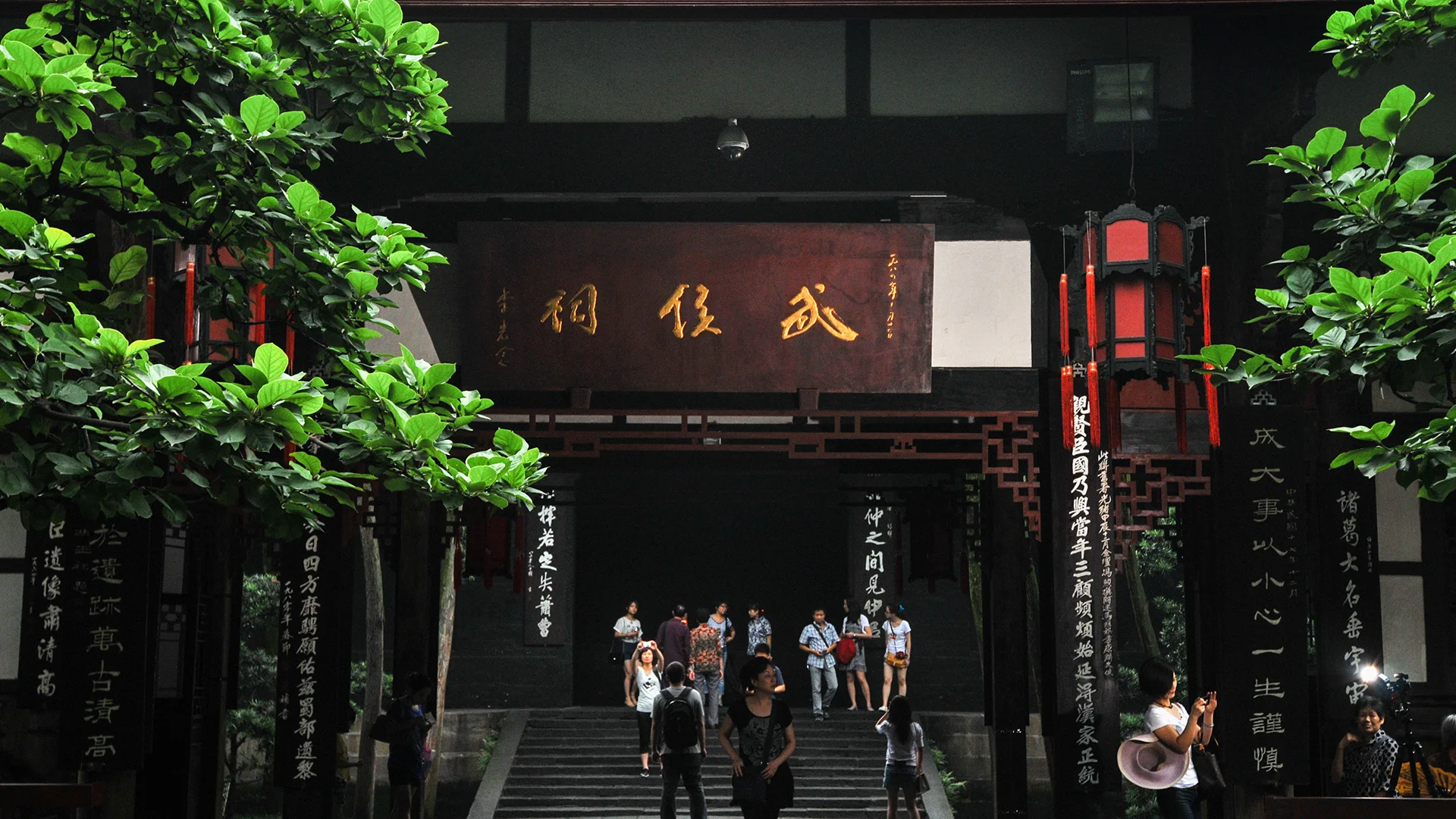
Wuhou Temple commemorates heroes of the Three Kingdoms period, while the adjacent Jinli Ancient Street is an antique-style commercial street. Those interested in the history and culture of the Three Kingdoms can visit Wuhou Temple or experience the charming ancient food street of Jinli. For a more vibrant Jinli experience, it's recommended to visit after 6:00 PM. (Entrance fee to Wuhou Temple is ¥50.)
Must-Visit Attraction 3: Dujiangyan
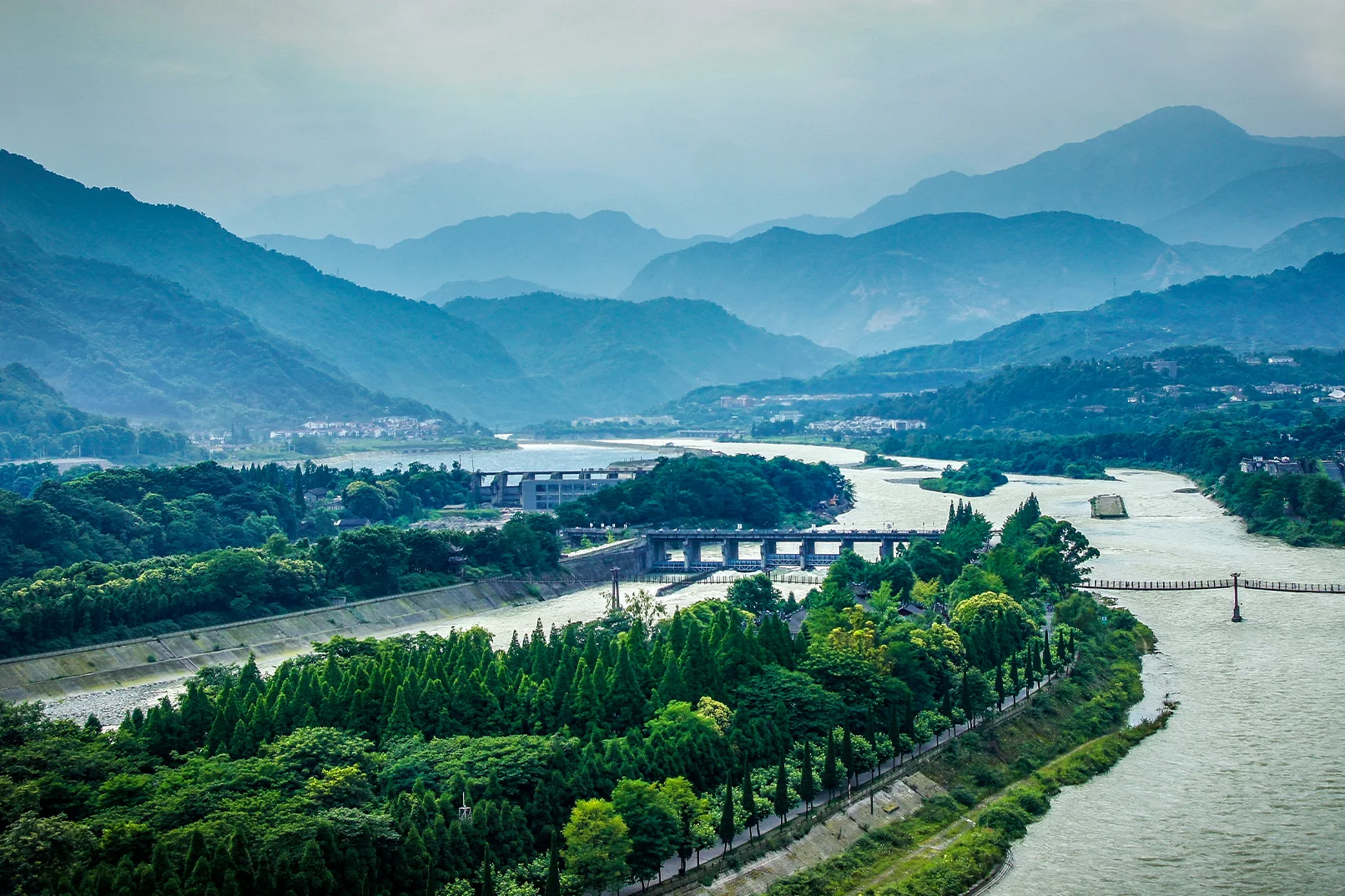
Dujiangyan, an ancient water conservancy engineering marvel, is still in use today. It's the best place to experience the culture of Chinese water conservancy engineering construction.
Suggestion: There's an evening light show at the South Bridge in Dujiangyan to see the "blue tears" phenomenon, usually around 7:30 PM.(Dujiangyan entrance ticket: ¥80)
Tip
Ideal for a day trip. It's about 60 kilometers from Chengdu; you can hire a car for the tour.
Must-Visit Attraction 4: Mount Qingcheng
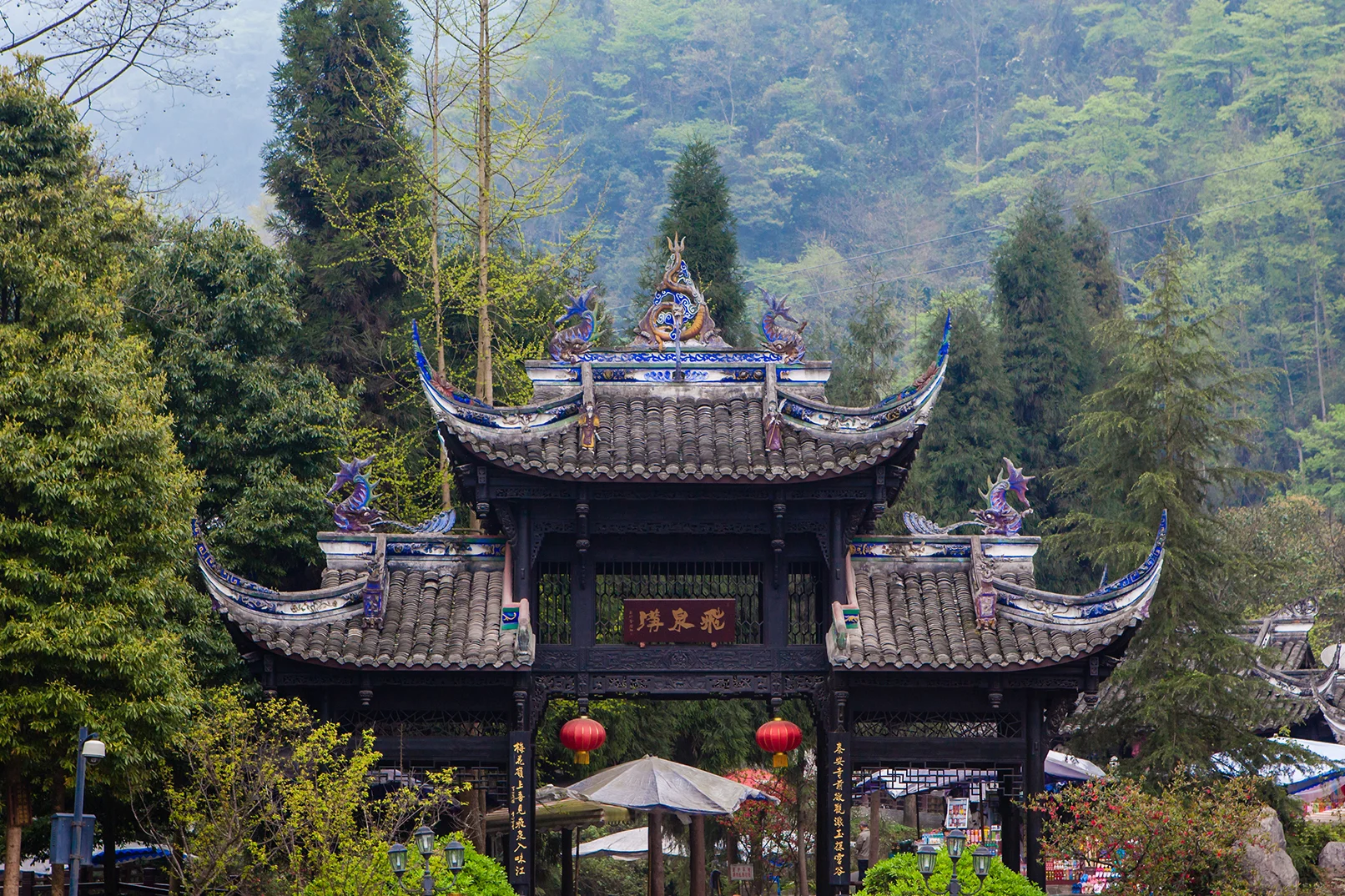
Mount Qingcheng, the birthplace of Taoism, boasts tranquil forests and is suitable for light hiking.
Tip: Mount Qingcheng is divided into the front and back mountains. If you choose a day trip, it is recommended to visit the front mountain, as it is less challenging and takes less time.
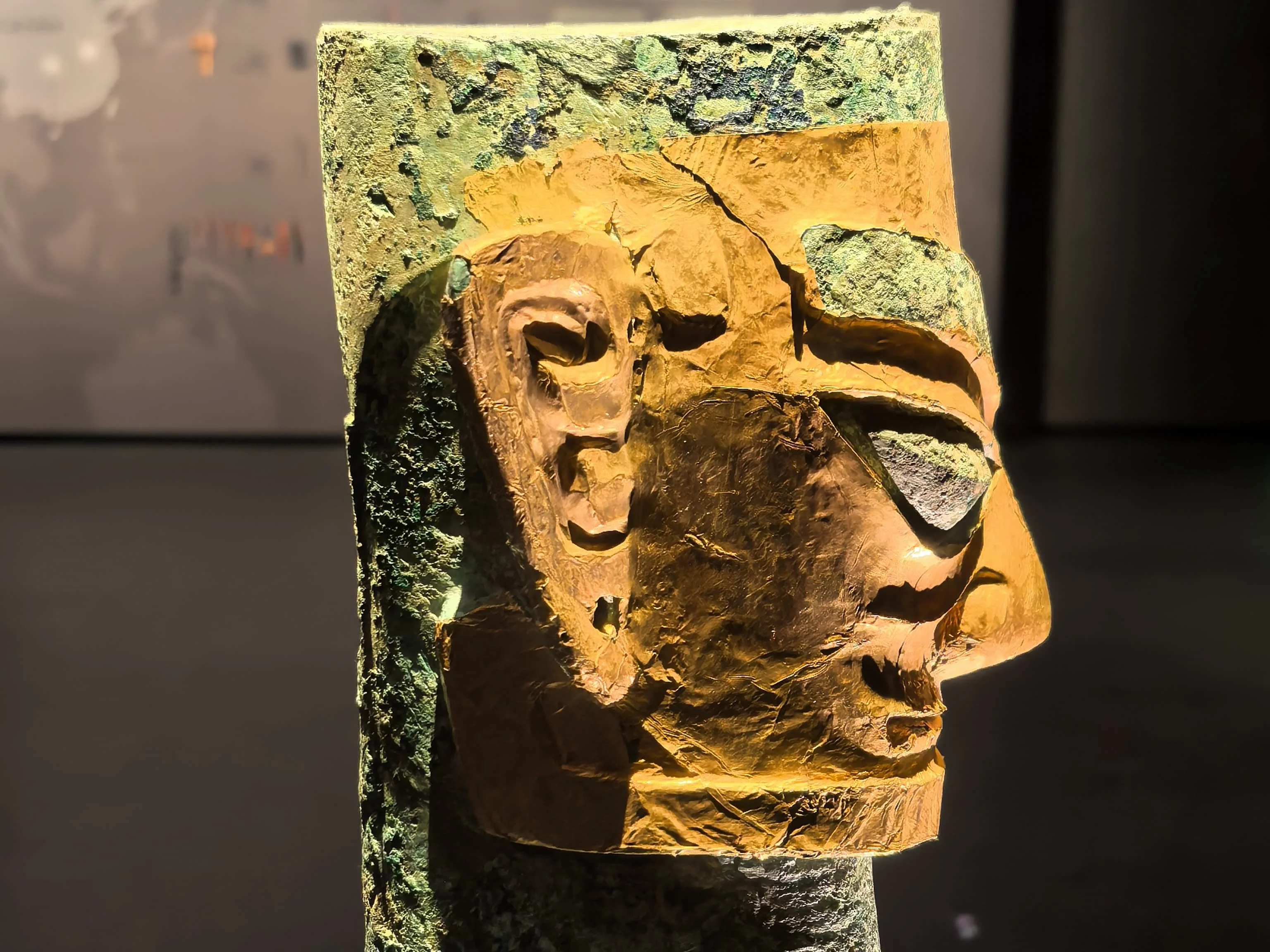
Must-Visit Attraction 5: Sanxingdui Museum
An archaeological site of the mysterious ancient Shu civilization, its bronze masks, sacred trees, and other artifacts have astonished the world.
Suggested visit duration: Half a day. You can choose to hire a tour group to visit and reduce travel time. A guided tour is highly recommended for a more engaging experience at Sanxingdui.
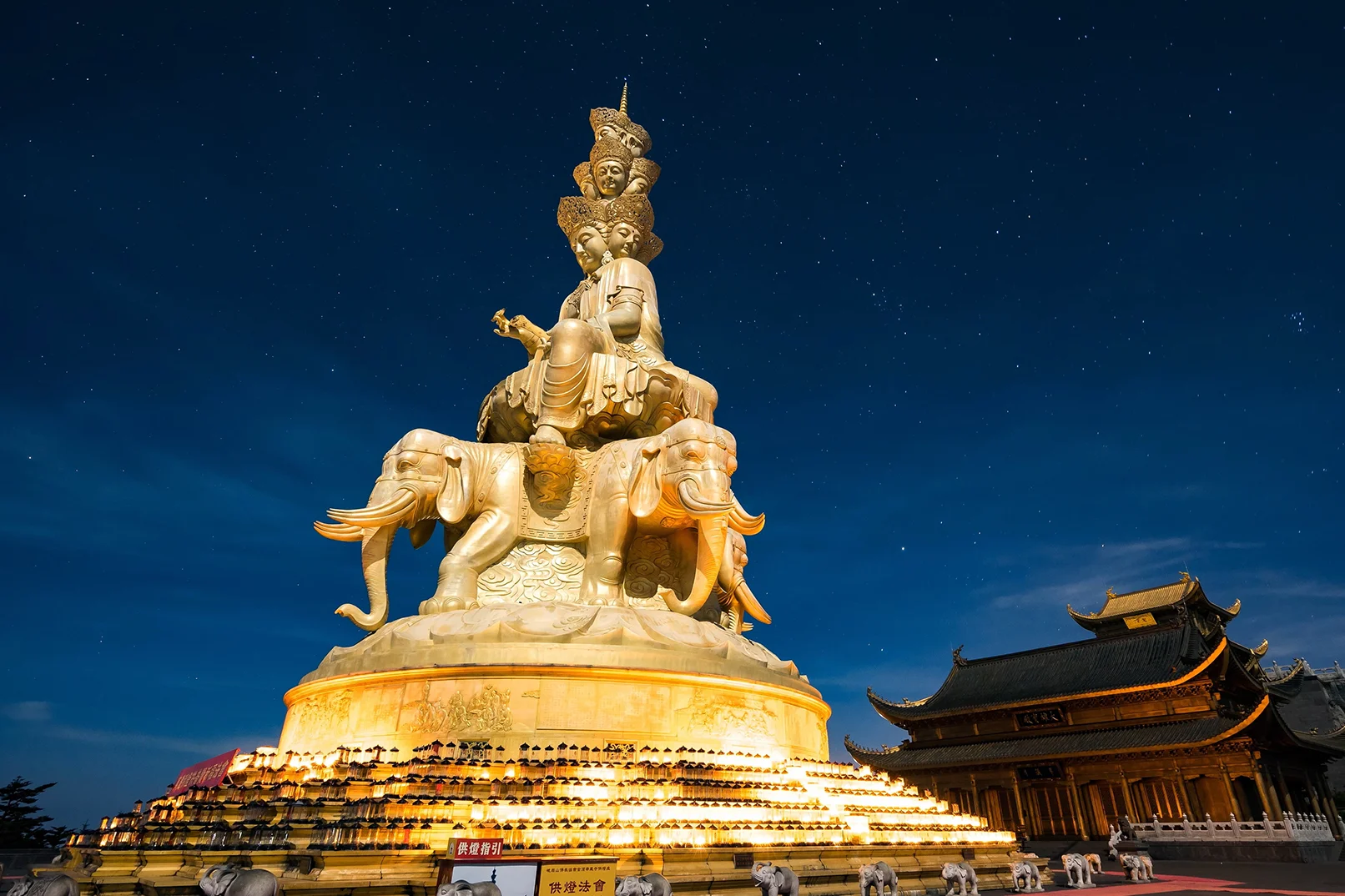
Must-Visit Attraction 6: Mount Emei
A UNESCO World Cultural and Natural Heritage site, one of China's four sacred Buddhist mountains, and the Bodhimanda of Samantabhadra Bodhisattva. Famous for its "Four Wonders": sunrise at the Golden Summit, sea of clouds, Buddha's light, and sacred lamps.
Suggested Duration: 1-2 days
Tip
Hiking or cable car available; temperatures are low at the summit, bring a jacket; monkeys are active, do not feed them.
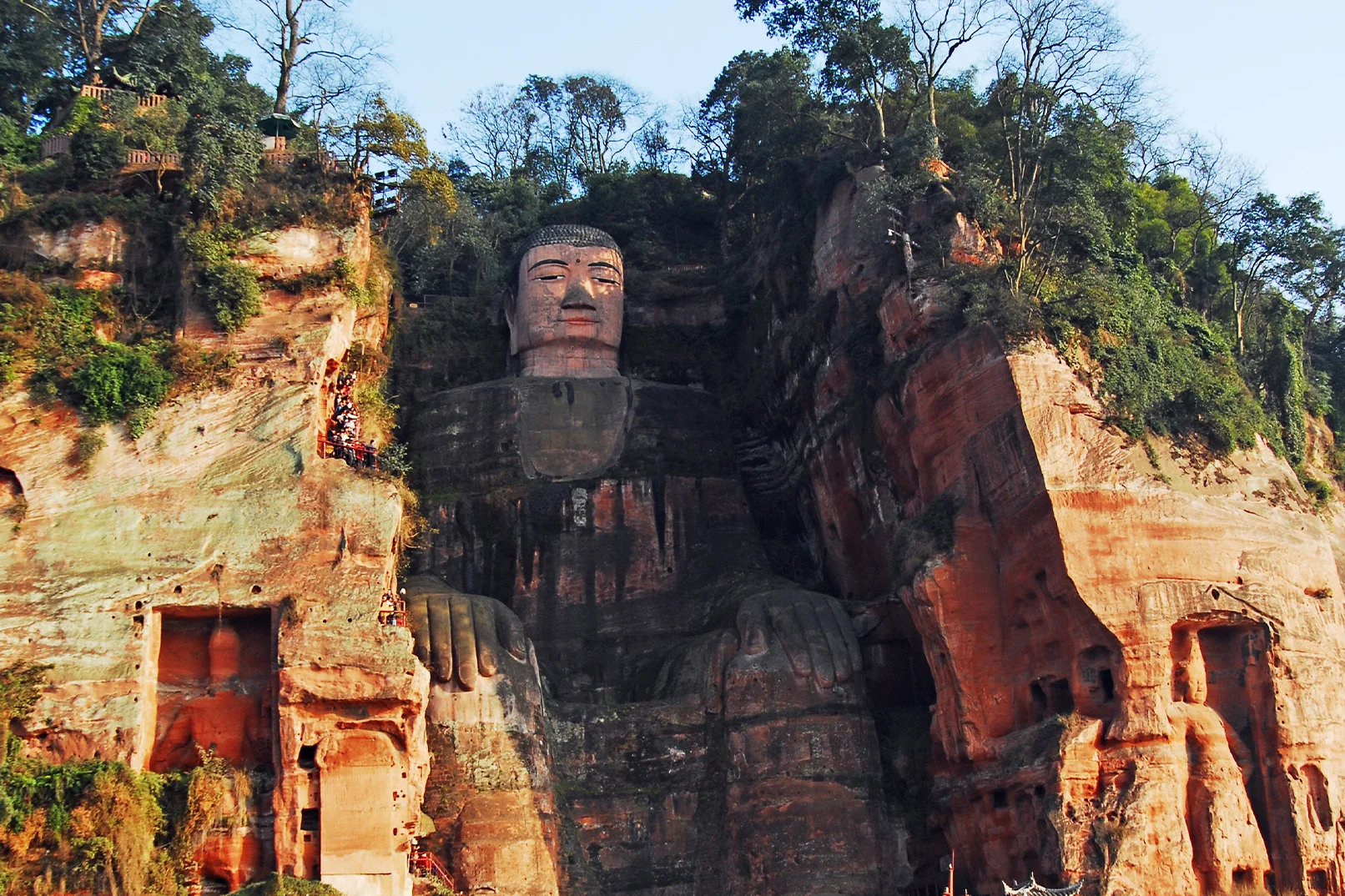
Must-Visit Attraction 7: Leshan Giant Buddha
The world's tallest ancient stone-carved Maitreya Buddha statue, standing 71 meters tall, was carved during the Tang Dynasty and took 90 years to complete. Located at the confluence of the Minjiang, Qingyi, and Dadu Rivers, it is magnificent in its grandeur.
Detailed Experience: There are two main ways to view the Buddha: First, walk down the winding plank road to the Buddha's feet and look up at it (this takes a long time and requires queuing); second, take a boat trip on the river for a panoramic view, which is both relaxing and breathtaking. The scenic area also includes Lingyun Temple and Mahao Cliff Tombs, among other historical sites. A visit of 3-4 hours is recommended.
Must-Visit Attractions 8: Jiuzhaigou and Huanglong
These two adjacent scenic areas are both UNESCO World Natural Heritage sites, renowned for their stunning travertine pools, crystal-clear alpine lakes, colorful forests, and magnificent waterfalls, earning them the titles of "Fairyland on Earth" and "Fairytale World."
Suggested Duration: 2-3 days (usually a combined tour, departing from Chengdu). You can choose to hire a private tour with our travel agency.
Useful Tips: Late September to late October is the peak season for autumn, when colors are at their richest; summer (June-August) sees abundant water and spectacular waterfalls.
In Jiuzhaigou, you must take the eco-friendly sightseeing bus, allowing free access between attractions; in Huanglong, you need to hike or take a cable car up and then walk down to enjoy the scenery. For travel information, consider taking the high-speed train directly from Chengdu to Huanglong and Jiuzhaigou.

More places to explore:
Jinsha Site Museum: Witness the Sun Bird gold ornament firsthand and unveil the veil of ancient Shu civilization.
Du Fu Thatched Cottage: Experience the poetic beauty of "The window frames the snow-capped peaks of the Western Mountains" amidst the bamboo groves and thatched cottages of the poet's former residence.
Chunxi Road & Taikoo Li: A commercial district blending fashionable shopping with historical architecture; check out the climbing panda sculpture.
Huanglongxi Ancient Town: Known as the "Number One Town in Sichuan," this town boasts well-preserved ancient streets, trees, temples, and wharves. A stream flows through the town, making it a great place for water activities in summer. The ancient town has a simple and rustic charm, perfect for experiencing a slow-paced life and savoring authentic local snacks.
Taste of Chengdu: Spicy and Numbing is a Philosophy
The essence of Chengdu cuisine lies in its "hundred dishes, hundred flavors," and it's not just about spiciness.
Must-Try Flavors
Hot Pot: Choose a yin-yang pot, with the spicy broth for meat and the clear broth for vegetables. We recommend trying local specialties like tripe and beef aorta (for those who want to enjoy Sichuan opera while eating, try Da Miao Hot Pot or Sanguo Yifu Hot Pot).
Skewers: Street food priced per skewer, more casual and affordable (choose Yulin Skewers or Shanchengfeng Skewers King).
Classic Sichuan Dishes: Kung Pao Chicken, Mapo Tofu, and Sliced Beef and Offal in Chili Sauce – find established restaurants (Da Rong He Restaurant, Shu Shang Yao, etc.).
Snack Collection: Sweet Potato Noodles, Longchaoshou (wonton soup), Dandan Noodles, and Lai Tangyuan (glutinous rice balls) – try them all in the "Snack Set Meal".
Recommended Food Areas:
Yulin Street: A blend of artistic flair and everyday life, filled with skewers and small bars. The "Chengdu" flavor popularized by Zhao Lei's song is right here!
Jianshe Road: The king of night markets! Grilled pig brains, crispy potato fritters, and "Dragon Claw" (a type of fried chicken)... wait at least half an hour, but it's definitely worth it!
Jinli Ancient Street: A place brimming with ancient charm. Enjoy local delicacies like "Three Cannons" (a type of glutinous rice ball), sugar paintings, and dan dan noodles while experiencing the culture of the Three Kingdoms.
Kuixinglou Street: A hub for modern cuisine, with creative Sichuan dishes and dessert shops galore, offering both visually appealing and delicious food!
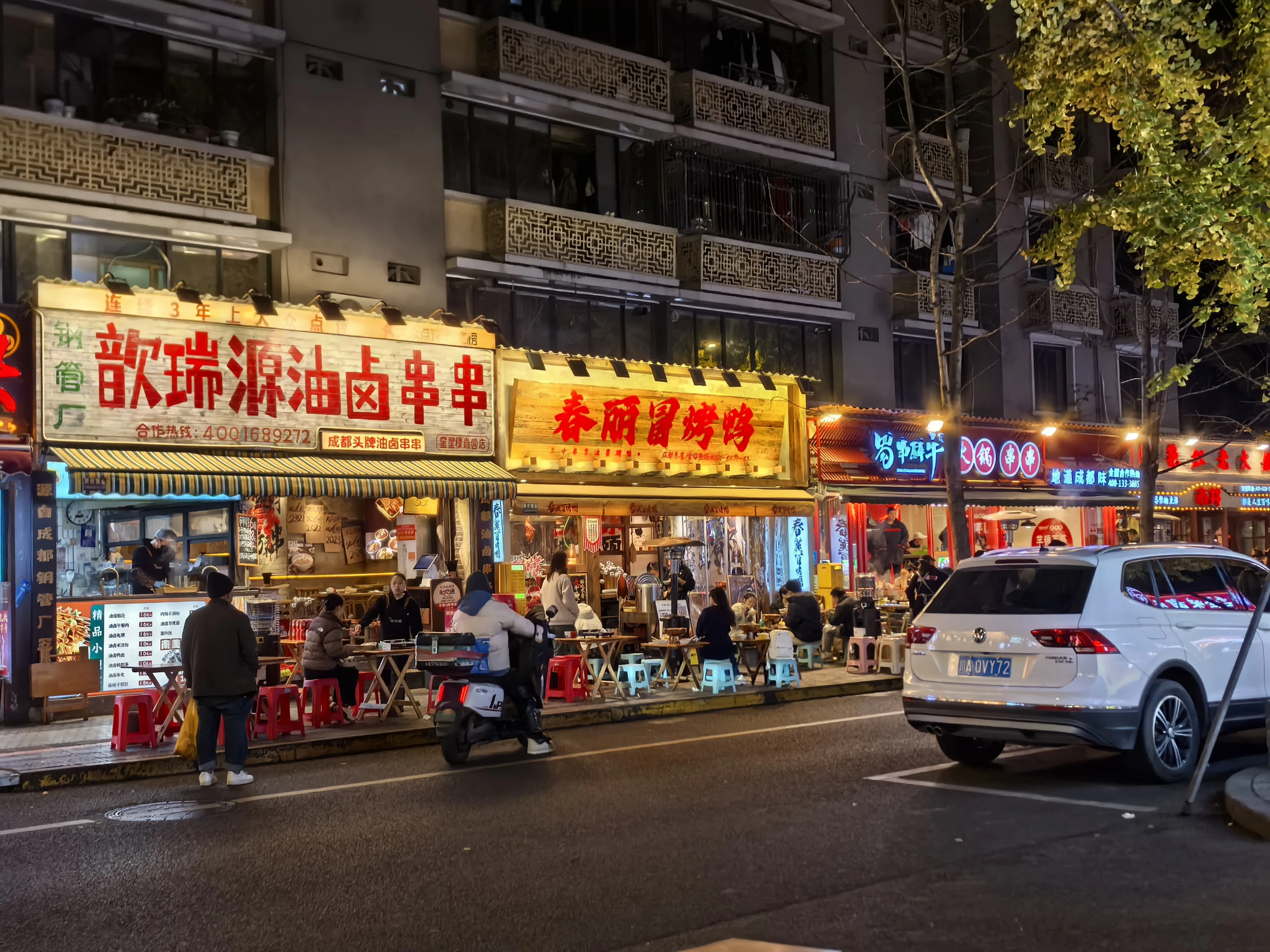
In addition to the recommended restaurants and areas mentioned above, Chengdu's streets and alleys also have their own unique culinary delights, allowing your guide to lead you through experiencing Chengdu life.
Accommodation and travel tips
Where to stay?
Chunxi Road/Taikoo Li area: As a representative area of Chengdu's modern city, it offers convenient shopping and dining, suitable for first-time visitors. (e.g., Mercure Chengdu Taikoo Li Chunxi, Hilton Garden Inn Chengdu Chunxi Road, etc.)
Kuanzhai Alley: Rich in cultural atmosphere, quiet at night, and within walking distance of many attractions. (e.g., Mercure Chengdu Kuanzhai Alley, Atour S Hotel Chengdu Kuanzhai Alley People's Park Metro Station, etc.)
Tianfu Square: Located in the heart of Chengdu, as an important transportation hub, it boasts a superior geographical location and convenient transportation. (e.g., Licheng Donggu Hotel)
How to travel?
Tips for international tourists: It is recommended to download Alipay or WeChat in advance and bind an international credit card; most scenic spots support online ticket purchase; the Chengdu Metro App "Chengdu Metro" offers an English interface. (For registration and internal transportation methods, refer to the Alipay usage process: Registration, Payment, Useful Tips and WeChat: Binding and Usage Guide for International Users)
Arriving in Chengdu: Chengdu Shuangliu International Airport and Chengdu Tianfu International Airport are important air hubs with direct international flights. Chengdu East Railway Station, as a high-speed rail hub, connects major cities in China, and you can take Line 2/Line 7 to your destination.
Tip
Shuangliu Airport is about a 30-minute drive from Tianfu Square, while Tianfu International Airport is about a 1-hour drive.
City Transportation:
Subway: Covers major attractions, supports QR code payment (Alipay/WeChat), and has internal signage.
Bus: Dense network of routes, with English announcements on board.
Taxi/Ride-hailing: Reasonable starting fare; can be booked using Didi Chuxing within Alipay/WeChat.
Shared Bikes: Ideal for short-distance exploration of the streets and alleys (if you no longer need to ride, the app will prompt you to park in a designated area; bikes cannot be locked outside of designated areas.)
Chengdu Monthly Highlights: Chengdu Travel Guide for All Seasons
January-February: Enjoy temple fairs and admire winter plum blossoms under the warm winter sun; the festive atmosphere is strongest during the Spring Festival.
March-April: Spring outing and flower viewing season – peach blossoms in Longquan Mountain and cherry blossoms in Pujiang bloom successively.
May-June: Moderate temperatures, perfect for hiking in Qingcheng Mountain or Xiling Snow Mountain.
July-August: Summer retreat season; water activities in Dujiangyan and Huanglongxi Ancient Town are popular choices.
September-October: Best travel season; clear autumn skies and crisp air, suitable for all outdoor activities.
November-December: Ginkgo leaves turn golden (in parks and streets); hot pot season officially begins.
Festivals in Chengdu
If you happen to visit Chengdu during a holiday, here are some places to experience Chinese festival culture:
Qingming Festival: Dujiangyan Water Release Festival – Recreating ancient sacrificial and water-releasing ceremonies
Lunar New Year: Wuhou Temple Fair – Lantern festival, snacks, and traditional performances
Dragon Boat Festival: Dragon boat races and zongzi (sticky rice dumplings) experience at Huanglongxi Ancient Town
Mid-Autumn Festival: "Mid-Autumn Poetry Gathering" or "Situational Poetry Gathering" at Du Fu Thatched Cottage or Wangjianglou Park
Disclaimer: This information is provided for reference only and was last updated on . Requirements and regulations may change. Always verify with official sources before making travel plans.